.jpg)
Takikawa Valley (Saitama Prefecture) Complete Guide | Peak Foliage Season, Access, and Surrounding Spots Thoroughly Explained
Takikawa Valley, located in Otaki, Chichibu City, Saitama Prefecture, is known as one of the finest autumn foliage viewing spots in the Kanto region. This valley, which spreads out along National Route 140 just before the Gansaka Tunnel, captivates countless tourists each year with its spectacular scenery of steep V-shaped gorge and vividly colored autumn leaves. This article provides thorough explanations of everything you should know before visiting, from the charm of Takikawa Valley to its peak viewing season, access methods, and surrounding autumn foliage spots.
What is Takikawa Valley? The Appeal of Chichibu’s Hidden Autumn Foliage Spot
Takikawa Valley is a gorge located in the deep mountains of Otaki, Chichibu City, Saitama Prefecture. It is characterized by steep terrain carved out by the Takikawa River over many years, creating powerful natural formations with sheer cliffs, exposed rock faces, and clear flowing water.
Geographic Characteristics of Takikawa Valley
Takikawa Valley is located along National Route 140 (Saikassai Street) and spreads out just before the Gansaka Tunnel. The Takikawa River, flowing through the deep mountains of Chichibu, has formed a deeply cut V-shaped gorge, where you can see magnificent landscapes of steep cliffs and exposed rocks throughout. This geographic feature is a major factor in the appeal of the valley to visitors during the autumn foliage season.
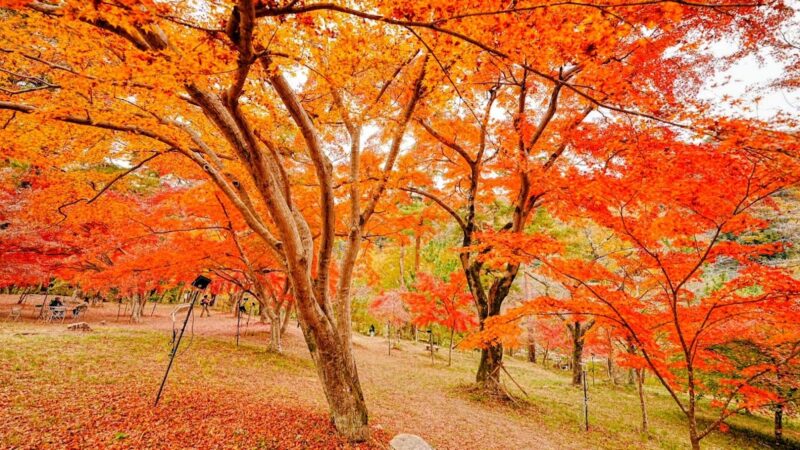
Around the gorge is the “Saikassai Street Meeting Hill,” where diverse trees such as Japanese maple, maple, nana-kamaido, beech, and azalea grow naturally. When autumn arrives, these trees turn red and yellow, creating a brocade-like landscape in harmony with the gorge’s natural beauty.
Why is Takikawa Valley’s Autumn Foliage Special?
While there are many autumn foliage viewing spots throughout Japan, what makes Takikawa Valley special is the contrast between its unique topography and the foliage. The deep V-shaped gorge allows you to enjoy the foliage in three dimensions from the top to the bottom of the gorge, and the gradient of colors spreading across your entire view is spectacular.
Additionally, Takikawa Valley has two impressive arch bridges: Mameyaki Bridge and Gansaka Bridge. In particular, the sight of these two arch bridges floating in the brilliantly colored gorge presents a beautiful harmony between human-made structures and nature. The view from Mameyaki Bridge is beloved by many photographers as a representative landscape of Takikawa Valley’s autumn foliage.
Takikawa Valley Autumn Foliage | Peak Viewing Season and Color Change Status
To fully enjoy Takikawa Valley’s autumn foliage, it is important to accurately understand the peak viewing season. Here we explain the typical peak season and the progression of color changes in detail.
Typical Peak Viewing Season
Takikawa Valley’s autumn foliage typically begins to color around mid-October. The peak viewing season is from late October through early November, during which the most beautiful autumn foliage can be enjoyed.
Since the Chichibu region has high elevation, temperatures drop early, so the autumn foliage season arrives earlier than in the downtown areas. Depending on the elevation and weather conditions around Takikawa Valley, the peak season may shift by several days to about a week year to year, so it is recommended to check the latest foliage information before your visit.
Progression of Color Changes
Takikawa Valley’s autumn foliage progresses through the following stages:
Early to Mid-October: Beginning of Color Changes
Color changes begin gradually from higher elevations. During this period, green still remains abundant, but early trees begin to change to yellow and red colors.
Late October: Beginning of Peak Season
Japanese maple and maple trees turn a vivid red, and nana-kamaido and azalea also begin to color. The entire gorge is painted with red and yellow colors, displaying the most beautiful scenery.
Early November: Peak of Peak Season
Nearly all trees are colored, and the entire gorge is covered in autumn foliage. While this period sees the most crowding, the most spectacular scenery can be enjoyed.
Mid-November and After: Leaf Fall Period
Trees gradually begin to shed their leaves, and the autumn foliage season draws to a close. However, the sight of fallen leaves coloring the water surface and ground of the gorge has its own charm.
Methods to Confirm Foliage Status
The progression of autumn foliage varies depending on that year’s climate and temperatures. We recommend confirming the latest situation through the following methods before your visit:
- Chichibu City Tourism Association official website
- Saitama Prefecture tourism information website
- Specialized autumn foliage information site color change status reports
- Real-time social media posts (hashtags such as #Takikawa Valley #Chichibu Foliage, etc.)
By confirming the situation in advance, you can visit during the most beautiful period.
Access Methods to Takikawa Valley
Access to Takikawa Valley is possible by both car and public transportation, each with its own characteristics. Choose the method most suitable for your visit plans.
Access by Car
Car access is most convenient and allows for flexible tourism.
Via Kan-etsu Expressway
- From Kan-etsu Expressway “Hanazono IC,” head toward Chichibu on National Route 140
- Travel time: approximately 90 minutes
- Pass through Chichibu downtown and proceed on Route 140 toward the Gansaka Tunnel
- Look for “Saikassai Street Meeting Hill” near Mameyaki Bridge as a landmark
Via Chuo Expressway
- From Chuo Expressway “Katsumine IC,” head toward Chichibu on National Route 140
- Pass through the Gansaka Tunnel toward the Chichibu side
- Travel time: approximately 60 minutes
Parking Information
There is parking space near Mameyaki Bridge at “Saikassai Street Meeting Hill.” During peak foliage season (especially weekends and holidays), congestion is expected, so arriving early is recommended. The most congested times are around 10 AM to 2 PM. Early morning times (8-9 AM) and late afternoon (3 PM and later) are often less crowded.
Access by Public Transportation
When using public transportation, you will need to transfer between train and bus.
Train and Bus Usage
- Travel by train to Chichibu Railway “Minesaka Station”
- Board the Nishi-Nippon Kankō Bus “Nakatsugawa Line” from Minesaka Station (approximately 30 minutes)
- Get off at “Chichibu Lake” bus stop
- Transfer to the “Kawamata Line” bus
- Get off at “Kawamata” stop and walk approximately 10 minutes
Important Notes
- Bus frequency is limited, so it is important to check the schedule in advance
- During foliage season, additional buses may be operated
- Pay attention to the time of the last bus and plan your itinerary with adequate time
While public transportation has time constraints, it is recommended for those who are uncomfortable driving or those who wish to enjoy the foliage at a leisurely pace.
Scenic Viewpoints of Takikawa Valley
Takikawa Valley has several viewpoints where autumn foliage can be enjoyed most beautifully. Learn about the characteristics of each to efficiently enjoy the spectacular views.
View from Mameyaki Bridge
The most famous viewpoint in Takikawa Valley is Mameyaki Bridge. From this bridge, you can see a panoramic view of the expanding gorge and autumn foliage below. The three-dimensional landscape created by the V-shaped gorge topography and the contrast with the red and yellow trees is breathtakingly beautiful.
The bridge can be windy, so take proper protective measures against the cold when visiting. Also, exercise caution regarding the safety of those around you when taking photographs.
Harmony of Gansaka Bridge and Autumn Foliage
The sight of Gansaka Bridge floating in the autumn foliage is not to be missed. A white arch bridge spanning the brilliantly colored gorge creates a beautiful scene where nature and human-made structures are in harmony. You can enjoy the view from various angles, such as viewing Gansaka Bridge from Mameyaki Bridge or looking down at the gorge from Gansaka Bridge.
Saikassai Street Meeting Hill
“Saikassai Street Meeting Hill” serves as a base for autumn foliage viewing at Takikawa Valley. With Japanese maple, maple, nana-kamaido, beech, and azalea coloring around this area, you can enjoy autumn foliage while strolling. Since parking is also provided here, it is a convenient starting point when accessing by car.
Viewpoints Along National Route 140
Even while driving along National Route 140, you can enjoy Takikawa Valley’s autumn foliage. The views of gorge beauty and autumn foliage that appear during the drive are so beautiful that you will want to stop and take photographs. Find a safe place to stop and savor the scenery.
Takikawa Valley Hiking Course | Enjoying Gorge Beauty on Foot
Takikawa Valley has a hiking course along the gorge, allowing you to experience natural beauty up close.
Characteristics of Takikawa Valley Hiking Trail
The hiking trail, developed between 1999 and 2003, was designed under the concept of “creating a path where there is no path,” allowing you to safely enjoy rock scrambling and gorge hiking. Stones are placed to match steps, stairs and bridges are constructed, and chains are installed at dangerous spots, making it relatively safe for hiking beginners to enjoy.
Highlights of the Hiking Course
When you hike the trail, you can enjoy the following scenery:
- Clear Stream: The clear flow of the Takikawa River and autumn foliage reflected in the water
- Beautiful Waterfalls: Beautiful waterfall views in fresh greenery (spring to early summer), waterfalls enhanced by autumn foliage (autumn)
- Blooming Azalea: In spring, azaleas bloom in profusion, displaying a different beauty than autumn
- Scattered Cherry Blossoms: In spring, fallen cherry blossoms scattered on the trail add a poetic atmosphere
Precautions When Hiking
- Wear comfortable shoes (trekking shoes or sneakers)
- Pay special attention to slippery areas, especially after rain or during rainy weather
- Bring drinking water for hydration
- Wear seasonally appropriate clothing (remember protective measures against cold in autumn)
- Mobile phone reception may be weak in some areas, so check the map in advance
The hiking course offers beautiful scenery in seasons other than foliage season, making it worth visiting year-round.
Autumn Foliage Spots Around Takikawa Valley
By visiting autumn foliage spots near Takikawa Valley, you can experience Chichibu’s autumn foliage more deeply.
Autumn Foliage at Takisawa Dam
Takisawa Dam, located about 15 minutes by car from Takikawa Valley, is a spot where the dam lake and autumn foliage harmonize to create beautiful scenery. From the dam’s observation deck, you can see an overview of the foliage reflected on the lake surface and the surrounding mountains. The peak viewing season is roughly the same as Takikawa Valley, from late October through early November.
Autumn Foliage at Nakatsugō Gorge
Nakatsugō Gorge is one of the representative autumn foliage spots in Saitama, referred to as “Okuchichibo’s finest gorge beauty.” Located about 20 minutes by car from Takikawa Valley, autumn foliage spreads along a gorge extending approximately 10 km. Particularly during the Jiromoogi Maple and Otaki Foliage Festival periods, the area is crowded with many tourists.
Autumn Foliage on Mineyama
Mineyama is a sacred mountain representative of Chichibu, known for beautiful foliage around the Mineyama Shrine grounds and approach. Located about 30 minutes by car from Takikawa Valley, its high elevation means peak viewing season comes somewhat earlier, from mid to late October. The solemn atmosphere of the shrine combined with autumn foliage creates a mystical view.
Model Course Visiting Surrounding Spots
Here is a model course for visiting multiple spots in one day:
Morning: Autumn foliage viewing at Takikawa Valley (around Mameyaki and Gansaka Bridges)
Lunch: Enjoy Chichibu soba or local cuisine in Chichibu downtown
Early Afternoon: View autumn foliage at Takisawa Dam or Nakatsugō Gorge
Late Afternoon: Move to Mineyama and visit Mineyama Shrine while viewing foliage
Evening: Day trip hot spring bath at Chichibu Onsen (to ease fatigue)
With this course, you can efficiently visit Chichibu’s major autumn foliage spots.
Clothing and Belongings for Visiting Takikawa Valley
Proper clothing and preparation of necessary items are important for enjoying Takikawa Valley comfortably.
Clothing Pointers
Temperature from late October to early November
The mountains of Chichibu are 5 to 10 degrees colder than downtown areas during this period. Even during the day, temperatures are around 15 degrees Celsius, and early morning and evening may drop below 10 degrees, requiring proper protective measures against the cold.
Recommended Clothing
- Long-sleeved shirt + fleece or sweater
- Windbreaker or jacket (wind protection)
- Comfortable pants (trekking pants recommended if hiking)
- Easy-to-walk shoes (sneakers or trekking shoes)
- Hat (sun protection)
- Gloves (protection against early morning and evening cold)
Packing Checklist
- Camera: Essential for recording beautiful autumn foliage
- Binoculars: Convenient for viewing distant foliage and bird watching
- Drinking Water: For hydration during hiking
- Light Snacks and Energy Food: Bringing these is recommended since there are few restaurants nearby
- Leisure Sheet: Convenient for resting
- Garbage Bag: Always take your trash with you
- Mobile Battery: Battery consumption is high with photography
- Rain Gear: Prepare for sudden weather changes
Congestion Status at Takikawa Valley and Avoidance Strategies
During foliage season, Takikawa Valley attracts many tourists, especially at peak viewing times. Here are tips for avoiding crowds and enjoying the area comfortably.
Expected Congestion Times
Most Congested Times: 10 AM to 2 PM
During this period, day-trip tourists concentrate, causing congestion at parking areas and major viewpoints.
Relatively Uncongested Times:
- Early morning (8-9 AM): Autumn foliage illuminated by morning sun is beautiful
- Late afternoon (3 PM and later): Foliage dyed by sunset also has charm
Congestion Avoidance Tips
- Aim for Weekdays: If possible, visit on weekdays when it is much less crowded than weekends and holidays
- Avoid Peak Timing: Early peak (late October) or late peak (late early November) have relatively less congestion
- Early Morning Visit: By arriving around 8 AM, you can enjoy foliage in a quiet environment
- Cloudy or Rainy Days: Tourist numbers are fewer on cloudy or slightly rainy days, and you may enjoy the mystical autumn foliage enveloped in mist
Parking Congestion Countermeasures
During peak foliage season, parking areas may reach capacity. Consider the following measures:
- Try to arrive early in the morning
- Research nearby available parking spaces in advance
- Consider using public transportation
Takikawa Valley and Chichibu Hot Springs
After enjoying autumn foliage, it is recommended to relax in a Chichibu hot spring. There are several hot spring facilities around Takikawa Valley where day-trip bathing is possible.
Characteristics of Chichibu Hot Springs
Chichibu region hot springs are primarily sodium chloride springs or simple sulfur springs, offering expected effects for fatigue recovery and beautiful skin. Some facilities allow you to bathe in outdoor hot springs while viewing gorge and natural scenery from the mountainous quiet environment.
Recommended Day-Trip Hot Springs
- Chichibu Onsen Manganoyuyu: Approximately 40 minutes by car from Takikawa Valley. An outdoor bath overlooking the gorge is popular
- Bukō Onsen: Close to Chichibu downtown with good access. A spacious bath is a charm
- Mineyama Kaminoyu: Near Mineyama, allowing bathing in a mystical atmosphere
Combining autumn foliage viewing with hot springs allows you to spend a refreshing and fulfilling day for both body and mind.
Takikawa Valley’s Four Seasons | Charm Beyond Autumn Foliage
Takikawa Valley is famous as an autumn foliage spot, but it is actually a place where you can enjoy the beauty of each season.
Spring at Takikawa Valley
In spring, azaleas and cherry blossoms bloom in profusion. Particularly from late April through early May, azaleas bloom in vivid pink flowers, coloring the gorge. The beautiful waterfall scenery appearing in fresh green is also spectacular, and you can enjoy the refreshing landscape unique to spring.
Summer at Takikawa Valley
In summer, the gorge wrapped in deep green creates a cool atmosphere. Hiking while listening to the sound of the clear stream is ideal for escaping the hot summer. Temperatures are lower than in downtown areas, making for comfortable conditions.
Winter at Takikawa Valley
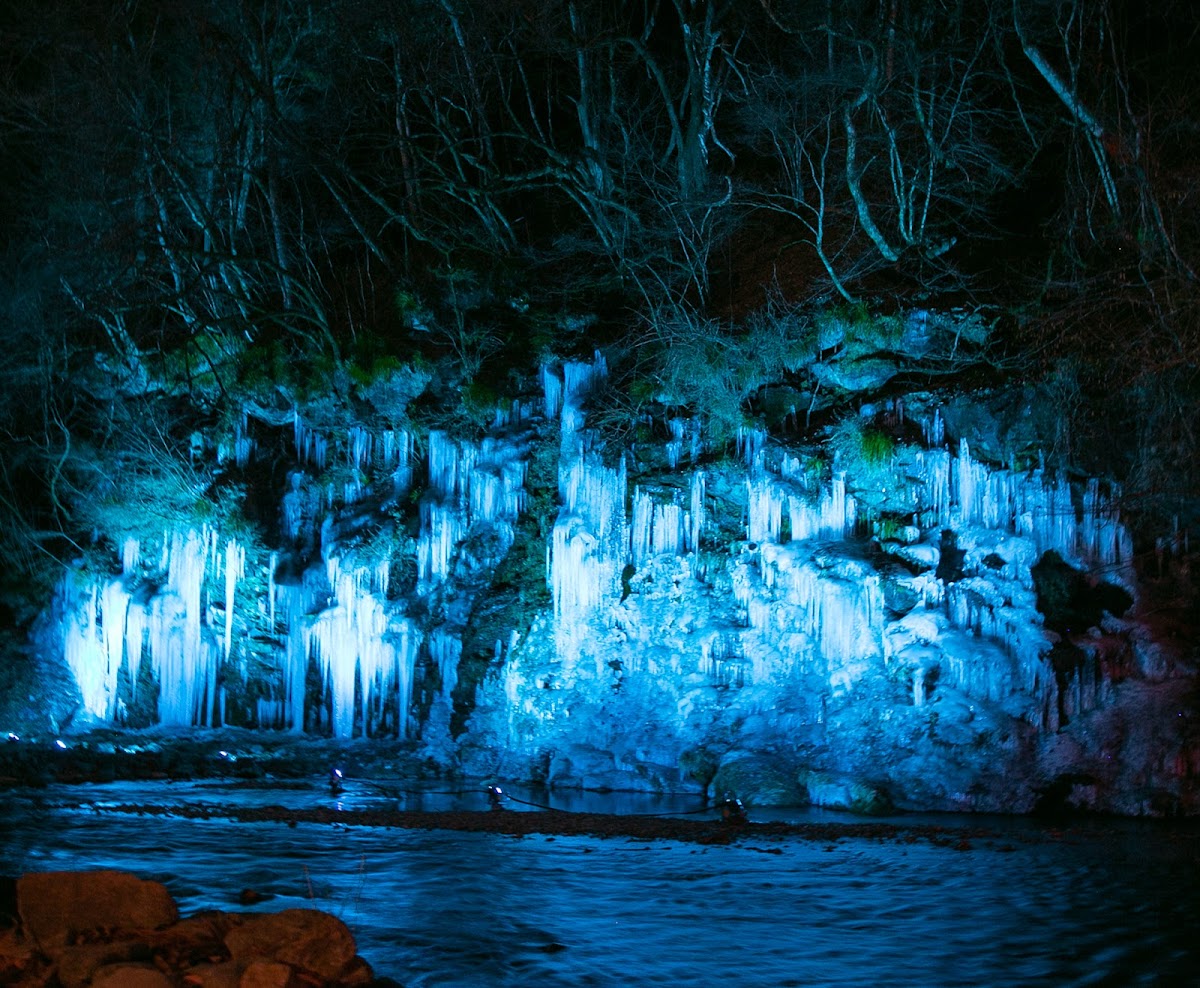
In winter, snow scenery and frozen waterfalls display a mystical beauty. When snow accumulates, the ground becomes slippery, requiring caution, but the gorge enveloped in a white snowy world displays a completely different appearance from other seasons.
Tips for Photography at Takikawa Valley
Here are tips for capturing beautiful autumn foliage in photographs.
Optimal Times for Photography
- Morning Light: Around 8-10 AM, soft light beautifully illuminates foliage
- Evening Light: Around 3-4 PM, oblique light makes autumn foliage appear more vivid
- Cloudy Days: Without direct sunlight, colors appear more uniformly, making photography easier
Composition Tips
- Include Arch Bridges: Including Mameyaki or Gansaka Bridge in composition adds a sense of scale
- Stream as Foreground: Placing the stream in the foreground and foliage in the background creates depth
- Vertical Composition: Vertical framing is effective for expressing the height of the V-shaped gorge
- Low-Angle Photography: Shooting from positions close to the ground creates a dynamic impression
Camera Setting Hints
- Increase Saturation: Allows more vivid expression of foliage colors (avoid overdoing it)
- Use Polarizing Filter: Reduces reflections and captures colors more clearly
- Use Tripod: Use slow shutter to express smooth stream flow
Gourmet Information Around Takikawa Valley
Since there are few restaurants around Takikawa Valley, it is recommended to move to Chichibu downtown to enjoy cuisine.
Chichibu Soba
Chichibu is famous as a soba-producing region, with many soba restaurants in downtown. Many shops are particular about “three fresh” conditions—freshly ground, freshly made, and freshly boiled—allowing you to enjoy fragrant soba.
Waraji Katsu-don
“Waraji katsu-don,” a local Chichibu specialty, is a hearty rice bowl topped with two large cutlets. The sweet and spicy sauce whets the appetite.
Chichibu Local Sake
Chichibu has multiple sake breweries producing high-quality Japanese sake. Enjoying local sake after foliage viewing is one of the highlights of Chichibu tourism.
Recommended Stopping Points
- Michi no Eki Chichibu: Where you can purchase local specialties and fresh vegetables
- Around Chichibu Shrine: Dining establishments and cafes are concentrated here
- Nagatoro Area: Extending further from Chichibu allows you to enjoy Nagatoro river cruises and cuisine
Precautions When Visiting Takikawa Valley
Be mindful of the following points for safe and comfortable tourism.
Safety Precautions
- Do Not Get Too Close to Cliff or Gorge Edges: Prevent fall accidents
- Use Chains and Handrails on Hiking Trails: Always use them on slippery ground
- Watch for Sudden Weather Changes: Mountain areas experience rapid weather changes, so carry rain gear
- Be Aware of Wildlife: Bears and wild boars may appear
Regarding Manners
- Always Take Trash Home: To protect the natural environment
- Do Not Collect Plants: Do not break or take home colored branches or leaves
- Avoid Raising Your Voice: Out of consideration for other tourists enjoying nature’s quietness
- Do Not Enter Non-Designated Areas: For safety and nature conservation
Confirming Latest Information
Always confirm the latest information before your visit:
- Road Conditions: National Route 140 traffic restrictions and construction information
- Weather: Rainy conditions may make hiking dangerous
- Foliage Status: Peak viewing season varies year to year
- Event Information: Information on events or festivals held in the area
Since weather and road conditions may change your plans, it is recommended to schedule your trip with flexibility to adapt as needed.
Conclusion: Experience the Best Autumn Foliage at Takikawa Valley
Takikawa Valley is an autumn foliage viewing spot that Chichibu City, Saitama Prefecture, is proud to offer. The steep V-shaped gorge topography and the red and yellow autumn foliage woven together by Japanese maple, maple, nana-kamaido, beech, and azalea continue to captivate visitors.
The typical peak season is from late October through early November, with the view from Mameyaki Bridge and the sight of Gansaka Bridge floating in autumn foliage being particularly spectacular. Car access is convenient, but the area is also accessible by public transportation. By confirming foliage information and congestion status in advance and preparing appropriate clothing and belongings, you can enjoy the experience more comfortably.
When visiting Takikawa Valley, also visiting nearby autumn foliage spots such as Takisawa Dam, Nakatsugō Gorge, and Mineyama, relaxing in Chichibu hot springs, and savoring local cuisine will make for a fulfilling Chichibu autumn foliage trip.
Create unforgettable autumn memories at Takikawa Valley, where natural formation beauty and autumn foliage harmonize.
-800x450.jpg)
-800x450.jpg)