Takao Mountain Tokyo Complete Guide: A Natural Treasure Visited by 3 Million People Annually, Just 50 Minutes from the City Center
What is Takao Mountain: Tokyo’s Closest Great Nature Spot
Takao Mountain (Takaosan) is a mountain with an elevation of 599 meters located in Hachioji City, Tokyo. With excellent accessibility just 50 minutes by train from the city center and a coexistence of rich natural environment, it is a rare existence visited by approximately 3 million climbers annually and is also known as the mountain with the most climbers in the world.
In 2007 (Heisei 19), it received three Michelin stars alongside Mount Fuji, and in 2020 (Reiwa 2), it became the first location in Tokyo to be certified as a Japan Heritage site. Long revered as a sacred mountain for Shugendo mountain asceticism, Takao Mountain Yakuoji Temple is currently counted as one of the three major head temples of the Kanto region along with Narita-san Shinshoji and Kawasaki Daishi.
Designated as both the Meiji no Mori Takao Quasi-National Park and the Tokyo Metropolitan Takao Jinba Natural Park, it is a treasure trove of biodiversity with over 1,600 plant species, approximately 150 bird species, and over 5,000 insect species inhabiting the area despite its proximity to the city center.
Takao Mountain Basic Data and Keywords
Basic Information
- Location: Takao Town, Hachioji City, Tokyo
- Elevation: 599 meters
- Designations: Meiji no Mori Takao Quasi-National Park, Tokyo Metropolitan Takao Jinba Natural Park
- Annual Number of Climbers: Approximately 3 million
- Mountain Opening: 744 (Tenpei 16) Yakuoji Temple founded
- Michelin: Three stars (awarded in 2007)
- Japan Heritage: Certified in 2020
Keywords Characterizing Takao Mountain
- Tokyo’s closest great nature
- Mountain with the most climbers in the world
- Kanto’s foremost power spot
- Sacred mountain for Shugendo practice
- Michelin three stars
- Japan Heritage site
- Mecca of day hikes
- Rich biodiversity
- Views of Mount Fuji
- Natural beauty throughout the seasons
Access and How to Get to Takao Mountain
Access by Train (Recommended)
Train is the most convenient way to reach Takao Mountain.
From Shinjuku Station
- Keio Line Limited Express: Shinjuku Station to Takao Mountain Station approximately 47 minutes
- Keio Line Semi-Express/Express: approximately 50-60 minutes
- Fare: 390 yen one way (IC fare)
From Tokyo Station
- JR Chuo Line rapid train to Takao Station approximately 55 minutes, transfer to Keio Line to Takao Mountain Station one stop (approximately 2 minutes)
- Or approximately 20-minute walk from Takao Station to Kiyotaki Station (cable car station)
Keio Line Takao Mountain Station is the Nearest Station
Takao Mountain Station is well-equipped as the gateway to Takao Mountain climbing, with the hot spring facility “Keio Takao Mountain Hot Spring Gokuraku-yu” in front of the station. It is approximately 5 minutes on foot from the station to Kiyotaki Station (cable car and lift station).
Access by Car
Using Expressways
- Chuo Expressway: Approximately 15km (approximately 30 minutes) from Hachioji IC via Route 20
- Kanto Circular Expressway: Approximately 1km (approximately 3 minutes) from Takao Mountain IC
Parking Information
Major parking areas:
- Hachioji City Takao Mountain Foothills Parking Area
- Capacity: 250 vehicles
- Reception hours: 8:00 AM to 4:00 PM
- Location: 2259 Takao Town, Hachioji City
- Note: May be unavailable on certain days due to events
- Private Parking Areas Around Keio Takao Mountain Station
- Multiple private parking areas available
- Note: On weekends and during sightseeing seasons, lots often fill up early in the morning
On weekends and during tourist seasons, parking areas become very congested, so train travel is strongly recommended.
Takao Mountain Climbing Courses: 7 Diverse Routes
Takao Mountain has 7 well-maintained climbing courses enjoyable for beginners through advanced climbers.
Route 1 (Main Approach Course)
- Distance: Approximately 3.8km
- Time Required: Approximately 100 minutes up, 90 minutes down
- Difficulty: Beginner-friendly
- Features: The most popular main route. A paved path that passes through Takao Mountain Yakuoji Temple. Many points of interest with plenty of teahouses and rest areas along the way. Using the cable car or lift can significantly reduce the time required.
Route 2 (Kasumi Terrace Loop Course)
- Distance: Approximately 900m
- Time Required: Approximately 40 minutes
- Difficulty: Beginner-friendly
- Features: A circular course branching from Route 1 midway. A quiet route suitable for nature observation.
Route 3 (Katsura Forest Course)
- Distance: Approximately 2.4km
- Time Required: Approximately 60 minutes up
- Difficulty: Intermediate
- Features: A nature-rich course where you can see large Katsura trees. A cool route walking along a stream.
Route 4 (Suspension Bridge Course)
- Distance: Approximately 1.5km
- Time Required: Approximately 50 minutes up
- Difficulty: Intermediate
- Features: The Miyama Bridge suspension bridge is a notable attraction. A quiet route to immerse in nature, also suitable for bird watching.
Route 5 (Summit Loop Course)
- Distance: Approximately 900m
- Time Required: Approximately 30 minutes
- Difficulty: Beginner-friendly
- Features: A course circling around the summit area.
Route 6 (Biwa Waterfall Course)
- Distance: Approximately 3.3km
- Time Required: Approximately 90 minutes up
- Difficulty: Intermediate
- Features: A cool course along a stream. Biwa Waterfall is known as a place of practice, and waterfall asceticism experiences are available (reservations required).
Inari Mountain Course
- Distance: Approximately 3.2km
- Time Required: Approximately 90 minutes up
- Difficulty: Intermediate
- Features: A course with good views walking along a ridge. Passes Inari Mountain summit (elevation 370m). Quieter than Route 1, offering a taste of genuine mountain climbing.
Cable Car and Lift: Strong Allies for Easy Climbing
A cable car and lift operate to the midpoint of Takao Mountain (around elevation 472m).
Takao Climbing Cable Car
- Section: Kiyotaki Station to Takao Mountain Station
- Time Required: Approximately 6 minutes
- Elevation Change: 271m
- Grade: Maximum 31 degrees 18 minutes (steepest in Japan)
- Operating Interval: 15-minute intervals (increased frequency during busy times)
- Operating Hours: Around 8:00 AM to 6:00 PM (varies by season)
- Fare: 490 yen one way, 950 yen round trip (adults)
Takao Climbing Lift
- Section: Foothills Station to Mountain-top Station
- Time Required: Approximately 12 minutes
- Total Length: 872m
- Operating Hours: Same as cable car
- Fare: 490 yen one way, 950 yen round trip (adults)
- Features: Two-person open-air lift where you can enjoy seasonal scenery
Using the cable car or lift allows those without much stamina and families with small children to enjoy Takao Mountain casually. From the cable car/lift to the summit requires approximately 40-50 more minutes on foot.
Takao Mountain Yakuoji Temple: Kanto’s Greatest Power Spot
Takao Mountain Yakuoji Yukiji Temple is a major head temple of the Shingon Chisan School with a history of over 1,200 years, founded in 744 (Tenpei 16) at the behest of Emperor Shomu.
History and Faith
The formal name is “Takao Mountain Yakuoji Yukiji Temple.” While the principal image is Yakushi Nyorai, it developed into a Shugendo practice site during the Kamakura period, enshrining Izuna Daigozen as its guardian deity. Counted among the three major head temples of the Kanto region alongside Narita-san Shinshoji and Kawasaki Daishi, it has long attracted many worshippers.
Points of Interest
Mountain Gate (Nioh Gate)
An impressive vermillion-painted gate with Nioh statues installed on both sides.
Joushin Gate
Passing through this gate is said to purify body and mind.
Male Slope and Female Slope
Two routes to the Yakuoji: steep stone stairs (male slope) and a gentler path (female slope).
Tengu Statues
Images of tengu, considered guardian spirits of Takao Mountain, can be seen throughout. The statues of the great tengu and small tengu (crow tengu) are popular photo spots.
Main Hall and Main Shrine
A place to worship in a solemn atmosphere. Goshintai prayers are performed daily.
Wish-Fulfilling Ring Passage (Negai Kanau Wa Kugueri)
A spot where passing through a large ring is said to fulfill wishes.
Takao Mountain as a Power Spot
Takao Mountain is known as Kanto’s greatest power spot. The entire mountain is said to be enveloped in spiritual energy, with particularly strong spiritual energy concentrated around the Yakuoji area. Various benefits are attributed to it, including good fortune, warding off evil, business prosperity, and academic success, and many worshippers visit.
Nature of Takao Mountain: A Nature-Rich Mountain Despite Being in Tokyo
A Treasure Trove of Biodiversity
Designated as “Meiji no Mori Takao Quasi-National Park,” Takao Mountain maintains surprisingly rich natural environment while being only approximately 50km from Tokyo’s city center.
- Plants: Approximately 1,600 species (nearly equal to all plant species in Great Britain)
- Birds: Approximately 150 species
- Insects: Over 5,000 species
- Mammals: Flying squirrels, raccoon dogs, squirrels, etc.
This high biodiversity results from the mountain’s location at the boundary between warm-temperate and cool-temperate zones, environmental diversity due to elevation differences, and the results of long-term conservation efforts.
Natural Beauty Throughout the Seasons
Spring (March-May)
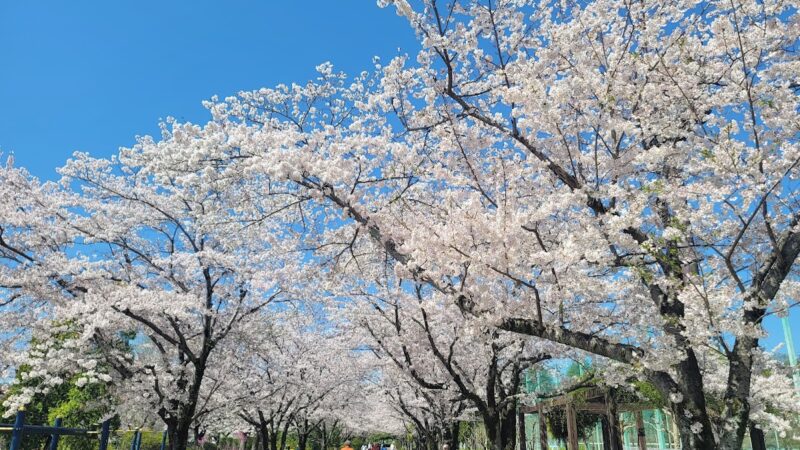
Cherries bloom from late March to early April, and fresh greenery is beautiful from late April through May. Yamato cherry and two-petal rhododendron paint the mountain. Spring is one of the seasons offering the finest views.
Summer (June-August)
Covered in deep green, courses along streams are cool and comfortable. Early morning climbs are recommended, where you can enjoy bird songs.
Autumn (September-November)
Takao Mountain’s autumn foliage is known as some of the finest in the Kanto region. From mid-November through early December is peak season, with Japanese maple, large maple, and ginkgo turning the entire mountain red and gold. While this period is most crowded, it offers the finest views.
Winter (December-February)
The clearest air season with the most beautiful views of Mount Fuji. Snowfall is minimal and relatively easy to walk, but cold weather precautions are necessary.
Takao Visitor Center
A natural park facility of Tokyo located at Takao Mountain summit, providing information about Takao Mountain’s nature, flora and fauna, and climbing routes. Natural history interpreters are stationed there to answer questions and also conduct exhibitions and guided walks.
Views of Mount Fuji and Tokyo: Enjoying Spectacular Scenery
Views from the Summit
On clear days, the 599-meter Takao Mountain summit provides wonderful views.
View of Mount Fuji
To the west, you can see Mount Fuji’s majestic form. Particularly on clear winter days, Mount Fuji appears distinctly, and many climbers enjoy photographing it.
View of Tokyo City Center
To the east, the Kanto Plain spreads out, offering a panoramic view of Tokyo’s skyline, Tokyo Skytree, Tokyo Tower, and more. Night views are also beautiful, and climbing in the evening and night is also popular (note cable car and lift operating hours).
Other Views
On clear days, you can see the Tanzawa Mountains to the north and Sagami Bay to the south.
Observation Spots
Beyond the summit, various observation points with good views dot each climbing course. Particularly popular observation spots include Inari Mountain summit on the Inari Mountain course and Kasumi Terrace on Route 1.
Takao Mountain Cuisine: Famous Dishes and Teahouses
Takao Mountain offers various cuisine that enhances the enjoyment of climbing.
Famous Dishes
Tororo Soba
The leading specialty of Takao Mountain. Soba noodles made with mountain yam are served at multiple teahouses along Route 1.
Tengu Cake
A pastry shaped like a tengu’s face, similar to imagawayaki. Filled with black bean paste.
Takao Bun
Warm dumplings sold near Yakuoji Temple.
Mitarashi Dango
Fragrant dumplings grilled over charcoal. A standard teahouse menu item.
Main Teahouses and Restaurants
Along Route 1 (Main Approach)
- Juuichichome Teahouse
- Oomihare-tei
- Hosodaya
- Gokengen Teahouse (near cable car Takao Mountain Station)
Summit
- Takao Mountain Beer Mount (summer only, beer garden)
- Momijiya
Around Keio Takao Mountain Station
Numerous restaurants near the station provide convenient dining after descent.
Takao Mountain Sightseeing Tips and Recommended Ways to Enjoy
Recommended Plan for First-Time Visitors
- Arrive at Keio Takao Mountain Station (target around 9:00 AM)
- Take cable car or lift to midpoint
- Head to summit via Route 1, visiting Yakuoji Temple (approximately 40-50 minutes)
- Enjoy lunch and views at summit
- Descend via different route (Inari Mountain Course, etc.) for variety
- Refresh in hot spring near Takao Mountain Station after descent
Total time: 3-4 hours (using cable car)
Season-Based Recommendations
Weekdays Recommended
Weekends, holidays, and especially autumn foliage season weekends are very crowded. Weekdays are recommended for leisurely climbing.
Spring and Autumn Offer Best Views
Fresh green spring (late April-May) and autumn foliage (mid-November-early December) are seasons offering the finest views.
Early Morning Climb
For those avoiding crowds, early morning climbing is recommended. Starting around 6:00 AM allows you to enjoy the quiet mountain.
Clothing and Gear
Clothing
- Comfortable, flexible clothing (sportswear more comfortable than jeans)
- Easy-to-walk shoes (sneakers acceptable, specialized hiking boots unnecessary)
- Seasonal cold-weather wear and rain gear
- Hat (sun protection)
Gear
- Drinking water (500ml-1L)
- Light snacks and trail food
- Towel
- Leisure sheet (for summit rest)
- Camera/smartphone
- Small change (teahouse purchases, restroom use)
Time Estimates
- Route 1 only (round trip): 3-4 hours
- Using cable car: 2-3 hours
- Multiple course circuit: 4-6 hours
Plan with adequate time margin.
Tourist Spots Around Takao Mountain
Around Keio Takao Mountain Station
Keio Takao Mountain Hot Spring Gokuraku-yu
A day-use hot spring facility opened in 2015. Perfect for soothing post-hike fatigue.
Takao Mountain Trick Art Museum
An experiential art museum where you can take interesting photos. Popular with families.
Takao Area
Takao 599 Museum
A free museum where you can learn about Takao Mountain’s nature and history. Recommended for gathering information before climbing.
Jinba Mountain
A mountain at 857 meters elevation accessible via ridge traverse from Takao Mountain. Famous for its white horse statue at the summit.
History and Culture of Takao Mountain
As a Shugendo Sacred Site
Takao Mountain is said to have been founded in 744 (Tenpei 16) by the Bodhisattva Gyoki. From the late Heian through the Kamakura period, it developed as a Shugendo practice site where many practitioners underwent ascetic training.
During the Sengoku period, it received patronage from the Hojo Clan, and during the Edo period became a prayer site for the Tokugawa family. Among Edo commoners, “Takao pilgrimage” became popular, and increasing numbers of pilgrims visited.
Protection Since the Meiji Era
During the Meiji period it became national forest land, subsequently designated as a Tokyo Metropolitan Natural Park and then Meiji no Mori Takao Quasi-National Park. This protective history has contributed to preserving the rich natural environment of today.
Modern Takao Mountain
The Michelin three-star award in 2007 increased international recognition, resulting in increased foreign tourist visits. In 2020, it was certified as a Japan Heritage site as “Spiritual Power-Filled Takao Mountain ~Stories of Prayer Woven by the Mulberry-Growing Prefecture~,” with its cultural value newly evaluated.
Important Notes and Manners for Takao Mountain Climbing
Safety Precautions
- Be alert to sudden weather changes (mountain weather changes quickly)
- Manage your condition (climb at a pace without strain)
- Turn back if you lose the way (while each course is maintained, do not leave the marked path)
- Descend before sunset
Etiquette
- Always carry out all trash
- Do not collect plants or animals
- Stay on climbing paths
- Be considerate when passing others (uphill has priority)
- Avoid loud noise
- Smoking only in designated areas
- Use restrooms in provided areas
Restroom Information
Restrooms are installed at major points:
- Near Kiyotaki Station
- Cable car Takao Mountain Station
- Yakuoji Temple
- Summit
Summary: Takao Mountain, Tokyo’s Fusion of Nature and Culture
Takao Mountain is one of Japan’s foremost tourism and climbing destinations, offering over 1,200 years of history, rich nature, and wonderful views despite being just 50 minutes by train from Tokyo’s city center.
Seven well-maintained climbing courses accommodate beginners through advanced climbers, and using the cable car or lift allows those without great stamina to easily reach the summit. The mountain offers four seasons of appeal: spring’s fresh greenery, summer’s deep green, autumn’s foliage, and winter’s clear skies and views of Mount Fuji.
Beyond climbing, there are abundant pleasures including visiting Takao Mountain Yakuoji Temple as Kanto’s greatest power spot, enjoying famous cuisine like tororo soba and tengu cake, and a hot spring to refresh after descent.
As a mountain visited annually by 3 million people and known as the world’s most-climbed mountain, and as Tokyo’s first Japan Heritage site, Takao Mountain is a fusion of nature and culture that Japan can proudly present. As an oasis of great nature accessible by day trip from the city center, why not consider visiting sometime?