Akizuki (Asakura City, Fukuoka Prefecture) Complete Guide | History, Tourist Spots, and Access Information for the “Little Kyoto of Chikuzen”
Akizuki, located in Asakura City, Fukuoka Prefecture, is a historic castle town affectionately known as the “Little Kyoto of Chikuzen.” The stone-paved streets retaining the atmosphere of the Edo period, historic sites connected to the Kuroda family, and beautiful nature that changes with the seasons captivate visitors. This article comprehensively introduces everything needed for sightseeing in Akizuki, from its history to tourist attractions, access methods, and dining information.
What is Akizuki? Overview of the Little Kyoto of Chikuzen
Akizuki is a quiet mountain village with a population of about 1,000 people, located in the northern part of Asakura City, Fukuoka Prefecture. This area spreads at the foot of Mount Kosho (Koshosan), which stands at an elevation of approximately 860 meters, and once prospered as the castle town of the Akizuki Domain with 50,000 koku.
Even today, many samurai residences, stone walls, and historic buildings from the Edo period remain, and due to its atmospheric scenery, it is called the “Little Kyoto of Chikuzen.” Despite being located just about one hour by car from central Fukuoka City, it is a place where visitors can feel as if time has stopped, experiencing the serenity and weight of history, attracting many tourists.
Historical Background of Akizuki
The history of Akizuki goes back far, and during the Kamakura period, Harada Taneo assumed the name Akizuki and ruled this land. During the Warring States period, the Akizuki clan wielded power in the Chikuzen and Chikugo regions, but declined temporarily following Toyotomi Hideyoshi’s conquest of Kyushu.
In the Edo period, in 1623 (Genwa 9), Kuroda Nagaoki, the third son of Kuroda Nagamasa, took office as the first daimyo of the Akizuki Domain, and thereafter, the Kuroda clan ruled this castle town for approximately 250 years until the Meiji Restoration. Though the Akizuki Domain was a small domain of 50,000 koku, it is known for placing emphasis on culture and education, producing many talented individuals.
Major Tourist Attractions in Akizuki
Akizuki Castle Ruins (Kuro Gate and Long House Gate)
The center of Akizuki sightseeing is the Akizuki Castle ruins. Currently, structures such as the main tower do not remain, but the Kuro Gate (Important Cultural Property) and Long House Gate convey the appearance of that time.
The Kuro Gate was originally built as the main gate of Fukuoka Castle and was relocated to Akizuki during the Meiji period. Its blackened, heavy appearance is striking. In spring, cherry blossoms bloom around it, and the combination of “Kuro Gate and cherry blossoms” is loved by many photographers as a scenic spot representing Akizuki.
The Long House Gate is the main gate of Akizuki Castle. Currently located within a middle school’s grounds, it can be viewed from outside. Its appearance combined with stone walls evokes the dignity of a castle town.
Akizuki Local Museum (Former Tashiro Family Residence)
A facility preserving and opening to the public the samurai residence of the Tashiro family, upper-class samurai of the Akizuki Domain. Built in the late Edo period, it allows visitors to understand the living conditions of samurai families of that time.
Inside the building are displayed historical materials, artworks, weapons, and other items from the Akizuki Domain. The garden is also beautifully maintained, allowing visitors to enjoy landscapes of the four seasons.
Akizuki Sugi no Baba
A straight road of approximately 500 meters leading to Akizuki Castle, with about 200 cherry trees planted on both sides. In spring, it becomes a tunnel of cherry blossoms and is known as the most famous cherry blossom viewing spot in Akizuki.
The name “Sugi no Baba” derives from the cedar trees that once lined this road, where samurai practiced horsemanship. Currently, stone pavement has been laid, making it an easy walking trail.
Akizuki Megane Bridge
A stone arch bridge located in the depths of Akizuki, called the “Megane Bridge” because its reflection in the water resembles eyeglasses. This historic bridge was constructed in 1810 (Bunka 7), during the late Edo period.
The surrounding area is surrounded by quiet nature, and especially during autumn foliage season, the contrast between the bridge and the colored leaves is beautiful, making it a popular hidden photography spot.
Akizuki Museum
A relatively new facility that opened in 2015, allowing systematic learning about the history and culture of the Akizuki Domain. On display are items connected to the Kuroda family, old documents of the Akizuki Domain, paintings, and crafts.
Particularly noteworthy are materials related to the Akizuki Domain’s domain school “Keikokan,” which allow visitors to understand the characteristics of the Akizuki Domain’s emphasis on education. The building itself is contemporary in design while harmonizing with the surrounding landscape.
Akizuki Hachiman Shrine
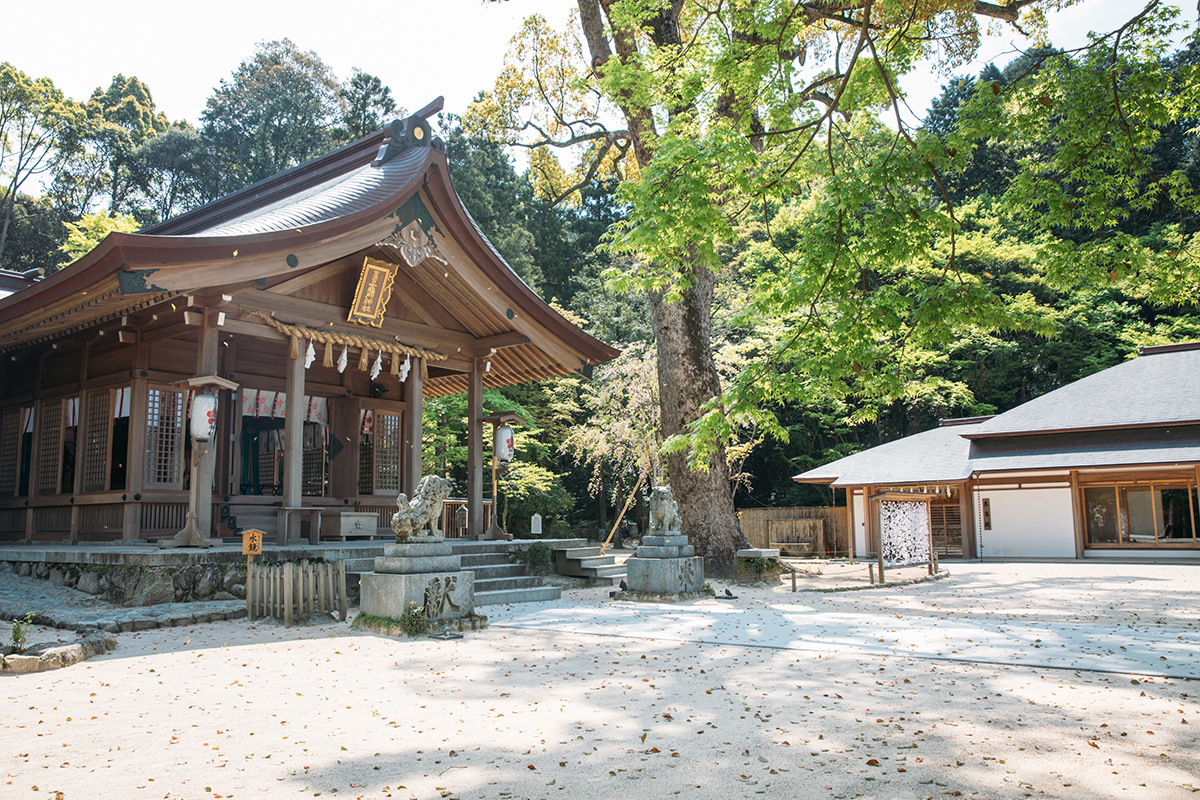
A shrine that has long been worshipped as the tutelary deity of Akizuki. Its founding is ancient, with a history continuing from the time of the Akizuki clan. The grounds are shaded by giant trees with ages of several hundred years, enveloped in a solemn atmosphere.
Every October, the Akizuki Autumn Festival is held, during which portable shrines and yama floats are paraded through the town streets in traditional events. While it is the center of local residents’ faith, it is also an open and accessible shrine to tourists.
The Charm of Akizuki Through the Four Seasons
Spring (Late March to Early April): Cherry Blossom Viewing Spot
Akizuki is most crowded during cherry blossom season. Approximately 2,000 cherry trees color the entire town, with the cherry blossom avenue of Sugi no Baba and the cherry blossoms around the Kuro Gate being particularly spectacular.
Cherry blossoms typically bloom from late March to early April, and this period attracts many tourists. Night illuminations are also held during this time, allowing visitors to enjoy enchanting nighttime cherry blossoms. However, as the cherry blossom season is extremely crowded, visiting early in the morning or on weekdays is recommended.
Summer (June to August): Fresh Greenery and Cool Landscape
Summer in Akizuki is enveloped in deep green with a cool breeze, offering charm as a summer retreat. Especially around the Megane Bridge near the stream, it is cool and comfortable for walking even in hot summer.
In June, hydrangeas bloom, creating an emotional landscape with the combination of stone walls and historic buildings. With relatively few tourists, it is a season to leisurely savor the charm of Akizuki.
Autumn (Mid to Late November): Spectacular Autumn Foliage
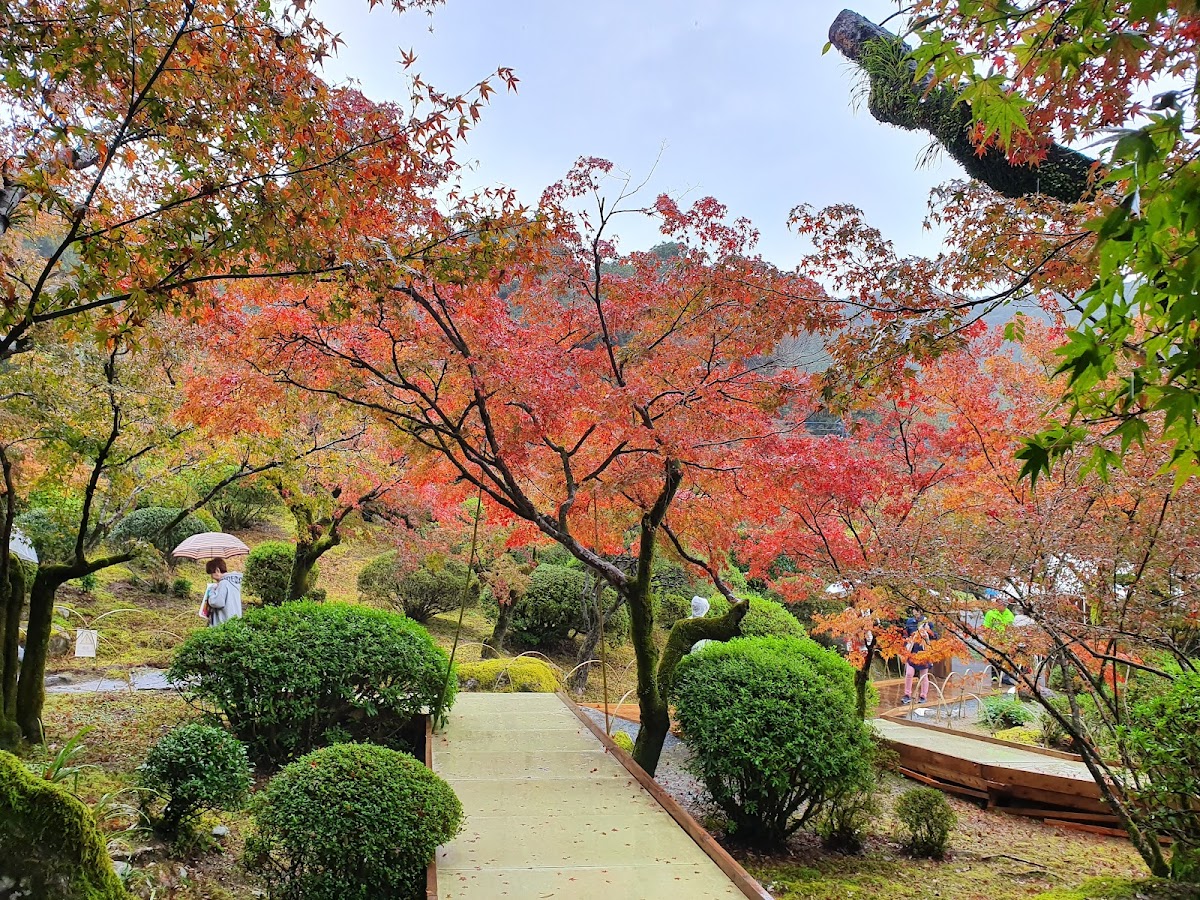
Along with cherry blossoms, autumn foliage season is another popular season in Akizuki. From mid to late November, Japanese maples and other trees turn brilliant colors, enveloping the castle town in autumn foliage.
Particularly breathtaking is the combination of autumn foliage with the Kuro Gate area, Megane Bridge, and stone walls of Akizuki Castle ruins. Like cherry blossoms, autumn foliage season is also crowded, but the landscape is especially beautiful when light enters in the early morning and evening hours.
Winter (December to February): Quiet Castle Town
In winter, Akizuki has few tourists, allowing visitors to fully savor the atmosphere of the quiet castle town. Sometimes, you may see snow-covered Akizuki with a beauty like ink painting.
Though winters are bitterly cold, historic structures and stone-paved streets viewed in crisp, clear air are exceptional. With fewer tourists, it is a hidden gem season for leisurely photography and walks.
Access Methods to Akizuki
By Car
From Fukuoka City:
- Fukuoka Urban Expressway → Kyushu Expressway “Amagi IC” → via National Route 322 for about 15 minutes
- Travel time: About 1 hour from central Fukuoka
From Kitakyushu:
- Kyushu Expressway “Kokura East IC” → “Amagi IC” → via National Route 322
- Travel time: About 1 hour 30 minutes
Parking Information:
Akizuki has multiple parking lots. During cherry blossom and autumn foliage seasons, parking is paid (approximately 400 yen for regular vehicles) and extremely crowded. Arrival before 8 AM is recommended. Some parking lots are free during off-season.
By Public Transportation
Train + Bus:
- Nishitetsu Fukuoka (Tenjin) Station → Nishitetsu Amagi Station (express: about 45 minutes)
- Nishitetsu Amagi Station → Amagi Kanko Bus “Akizuki Line” for about 20 minutes, get off at “Museum Front”
Bus service is limited to several times per day, so advance confirmation of the timetable is necessary. During cherry blossom and autumn foliage seasons, additional temporary buses may be added.
Taxi:
From Nishitetsu Amagi Station by taxi for about 15 minutes, fare is approximately 2,500 yen.
Recommended Transportation for Sightseeing
As Akizuki’s tourist attractions are concentrated within walking distance, the basic approach is to park your car and explore on foot. Allow about 2 to 3 hours to visit the main attractions.
Akizuki Cuisine and Specialty Products
Akizuki Specialties: Kuzu Mochi and Kuzu Kiri
Representative specialties of Akizuki are confections made with kuzu (arrowroot). Kuzu mochi and kuzu kiri made with clear water from Mount Kosho are characterized by transparency and refined sweetness.
Along Sugi no Baba are several kuzu cuisine and Japanese confectionery shops where visitors can enjoy freshly made kuzu mochi inside the shop. Cold kuzu kiri in summer and warm kuzu tea in winter are also recommended.
Akizuki Soba
The area around Akizuki is also known as a high-quality soba-producing region, with several hand-made soba restaurants. You can enjoy fragrant soba made with locally produced soba flour in quaint spaces in renovated historic buildings.
Kawatake (River Mushroom)
Dishes using “kawatake,” a rare ingredient that grows naturally in Akizuki’s clear streams, are also local specialties. Kawatake is a type of blue-green algae with unique texture and flavor, served as vinegared dishes or tempura.
Recommended Souvenirs
- Kuzu powder and kuzu confections: Representative souvenirs of Akizuki
- Akizuki ware: Ceramics fired at local kilns
- Local sake: Sake produced by breweries in the Asakura region
- Yuzu pepper: Seasoning made with locally grown yuzu citrus
Model Courses for Akizuki Sightseeing
Half-Day Course (About 3 Hours)
- Akizuki Museum (30 minutes): Learn about Akizuki’s history
- Sugi no Baba (30 minutes): Especially beautiful during cherry blossom and autumn foliage seasons
- Kuro Gate and Akizuki Castle Ruins (30 minutes): Photography and exploration
- Akizuki Local Museum (30 minutes): View samurai residence
- Lunch at a kuzu restaurant (60 minutes): Enjoy specialty kuzu cuisine
Full-Day Course (About 6 Hours)
Morning:
- Akizuki Museum (45 minutes)
- Walking tour from Sugi no Baba to Kuro Gate (45 minutes)
- Area around Akizuki Castle Ruins (30 minutes)
Lunch:
- Lunch at a soba restaurant or kuzu cuisine restaurant (90 minutes)
Afternoon:
- Akizuki Local Museum (45 minutes)
- Visit Akizuki Hachiman Shrine (30 minutes)
- Extend to Megane Bridge (60 minutes)
- Rest at a café and shop for souvenirs (45 minutes)
Notes and Advice for Akizuki Sightseeing
Strategies for Peak Seasons
Cherry blossom season (late March to early April) and autumn foliage season (mid to late November) weekends are extremely crowded. The following strategies are recommended:
- Visit early morning (before 8 AM) or late evening
- Visit on weekdays
- Use public transportation
- Confirm parking in advance
Clothing and Belongings
- Comfortable walking shoes: Essential for stone pavements and slopes; sneakers are ideal
- Season-appropriate clothing: Sun protection in summer, warm clothing in winter
- Rain gear: Weather can change quickly in mountainous areas
- Camera: Numerous photography spots
Barrier-Free Information
As Akizuki preserves its historic townscape, there are many stone pavements and steps, so it cannot be said to be completely barrier-free. Wheelchair sightseeing may have some restrictions. Some facilities such as the Akizuki Museum have barrier-free accommodations.
Tourist Attractions Around Akizuki
Asakura’s Three-Tier Water Wheels
Located about 20 minutes by car from Akizuki, these are agricultural water wheels dating from the Edo period. Known as Japan’s oldest working water wheel group, they operate from mid-June to mid-October.
Kirin Brewery Fukuoka Plant
About 30 minutes by car from Akizuki. Factory tours are available (reservation required), and visitors can sample freshly brewed beer. Popular with families.
Haraura Hot Spring
About 15 minutes by car from Akizuki, this hot spring resort has inns lining the Chikugo River, with day-use bathing also available. Enjoying hot springs in combination with Akizuki sightseeing is also recommended.
Conclusion: The Charm of Akizuki Sightseeing
Akizuki in Asakura City, Fukuoka Prefecture, is loved as the “Little Kyoto of Chikuzen,” retaining strong echoes of the Edo period, attracting history enthusiasts, photography lovers, and those wishing to enjoy nature.
Historic sites connected to the Kuroda family, beautiful nature that changes with the seasons, local cuisine using regional ingredients, and a quiet atmosphere as if time has stopped—all of these exist in harmony in Akizuki.
At a distance allowing day-trip visits from central Fukuoka, Akizuki makes you forget the hustle and bustle of the city. While cherry blossom and autumn foliage high seasons are certainly appealing, a leisurely visit during quieter times, immersing yourself in history and nature, is also a luxurious way to spend your time.
On your next day off, please visit Akizuki, the “Little Kyoto of Chikuzen,” and experience the charm of beautiful Japanese castle towns.