Complete Guide to Daisen (Tottori Prefecture)|Mountaineering, Tourism, Access, and the Charm of All Four Seasons
Daisen (大山), Tottori Prefecture’s proud peak, is a beautiful mountain standing at 1,709 meters above sea level, boasting the title of highest peak in the Chugoku region and counting among Japan’s 100 Famous Mountains. Revered since ancient times as an object of faith and affectionately known as “Hoki Fuji,” this guide comprehensively explains everything you need to know before visiting Daisen—from mountaineering information to tourist spots, access methods, and seasonal highlights.
What is Daisen? Tottori Prefecture’s Pride and the Highest Peak in the Chugoku Region
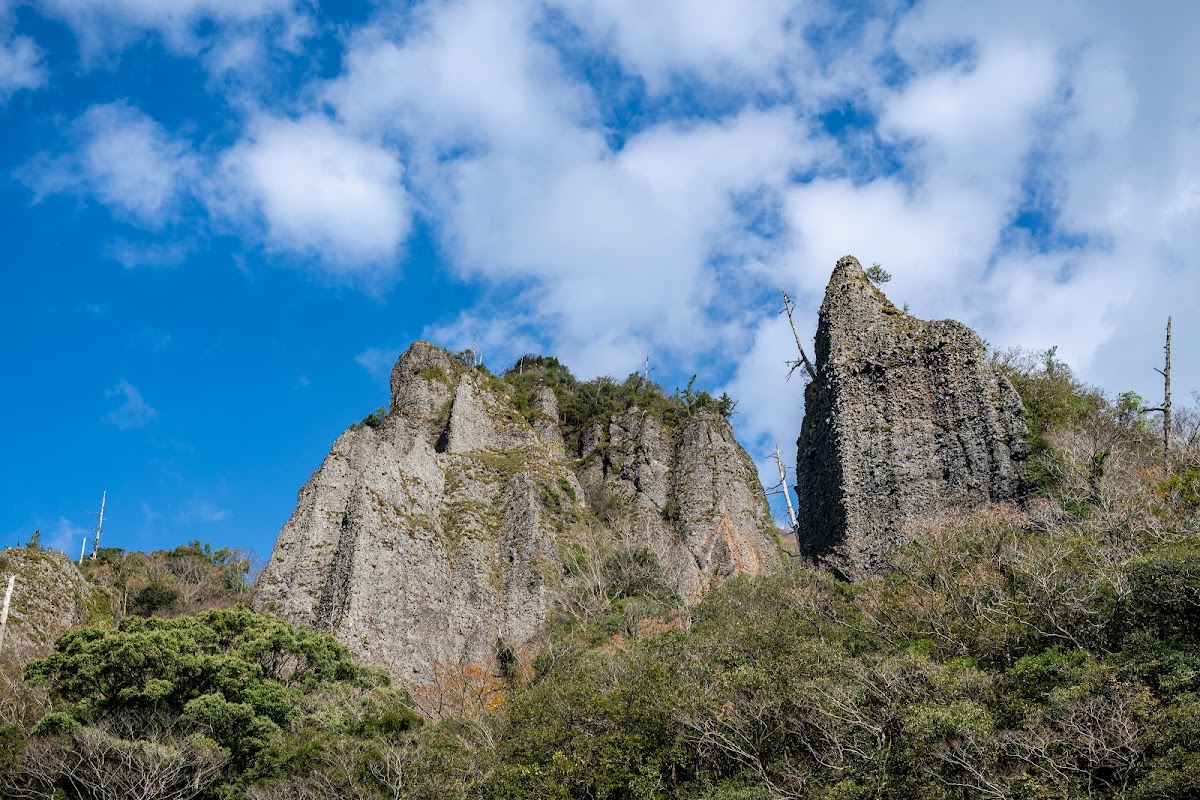
Located in western Tottori Prefecture, Daisen is the central feature of Daisen-Oki National Park. Called “Hoki Fuji” because of its beautiful mountain form, it displays a neat conical shape like Mount Fuji when viewed from the west. Conversely, when viewed from the north, it reveals a powerful appearance with rugged exposed rock faces, demonstrating the mountain’s captivating nature of changing expression depending on the viewing angle.
Daisen’s Basic Information
- Elevation: 1,709 meters (Kengatake Peak is 1,729 meters)
- Location: Spans Daisen Town, Kotoura Town, and Kofu Town in Tottori Prefecture
- Mountain System: Daisen Volcanic Belt
- Type: Stratovolcano (not an active volcano)
- Climbing Season: Late May to early November (winter periods require advanced skill)
- Japan’s 100 Famous Mountains: Listed
Daisen began its volcanic activity approximately one million years ago and has since ceased activity, but the unique topography formed by that volcanic activity continues to fascinate many climbers.
The Appeal of Daisen Mountaineering and Main Routes
The greatest appeal of climbing Daisen lies in its diverse routes suitable for beginners to advanced climbers and the 360-degree panoramic views from the summit. On clear days, you can see the Japan Sea, the Oki Islands, and the mountains of the Chugoku range in one expansive view.
Summer Mountain Trail (Beginner-Friendly, Most Popular)
Course Overview:
- Trailhead: Daisenji Temple (approximately 900 meters elevation)
- Summit: Misen (弥山, 1,709 meters elevation)
- Round-trip Time: Approximately 5–6 hours
- Distance: Approximately 3 kilometers one way
- Difficulty: ★★☆☆☆ (Beginner to Intermediate)
The Summer Mountain Trail is the classic route for Daisen climbing, following a well-maintained path. The trail winds through forest until the 5th station shelter, beyond which the views open up beautifully. Particularly from the 6th station upward, wooden boardwalks guide you while alpine plants can be observed along the way.
Highlights:
- 5th Station Shelter: Rest point with restroom facilities
- Around 8th Station: Daisen Kara Boku (nationally designated special natural monument) grove
- Summit (Misen): 360-degree panorama; on clear days, you can see as far as Shikoku
Utopia Course (Intermediate Level)
Course Overview:
- Trailhead: Daisenji Temple or Goenzan Ski Resort
- Round-trip Time: Approximately 6–7 hours
- Difficulty: ★★★☆☆ (Intermediate)
The Utopia Course is quieter than the Summer Mountain Trail and offers expansive grasslands and forest bathing. Advanced climbers often ascend via the Summer Mountain Trail and descend via the Utopia Course in a popular circuit route.
Motodani and Gyoja Course (Advanced Level)
Course Overview:
- Trailhead: Daisenji Temple
- Round-trip Time: Approximately 7–8 hours
- Difficulty: ★★★★☆ (Advanced)
This course features rocky terrain and chains requiring technical skill and physical endurance. It offers close views of Daisen’s powerful north face and is popular among experienced mountaineers.
Notes for Mountaineering
- Kengatake Peak Off-Limits: The highest peak, Kengatake (1,729 meters), has been closed to entry since 1974 due to collapse danger. The currently accessible highest point is Misen.
- Sudden Weather Changes: Weather near the summit can change rapidly; be cautious of heavy fog and strong winds.
- Equipment: Bring hiking boots, rain gear, warm clothing, and sufficient water and food.
- Mountaineering Plan Submission: Recommended submission at the trailhead post or through online systems.
Daisen’s Seasonal Charms
Daisen displays different characteristics throughout the four seasons, offering new discoveries whenever you visit.
Spring (April–May): Snowmelt and Fresh Greenery
From late April through May, cherry blossoms bloom at the mountain base while snow remains at the summit, creating a beautiful contrast. Fresh greenery begins to sprout, and the entire mountain overflows with vitality. However, snow may remain until late May, necessitating snow climbing gear like crampons in some cases.
Summer (June–August): Alpine Flowers and a Cooling Refuge
June through August is the peak climbing season. The summit area blooms with diverse alpine plants including Daisen Kara Boku, Iwakagami, and Rhododendrons. The alpine flower fields, especially from early to mid-July, are spectacular.
High elevation ensures cool temperatures even in summer, making it an ideal retreat from heat. However, crowding during summer vacation requires early morning departures.
Autumn (September–November): Fall Foliage Masterpiece
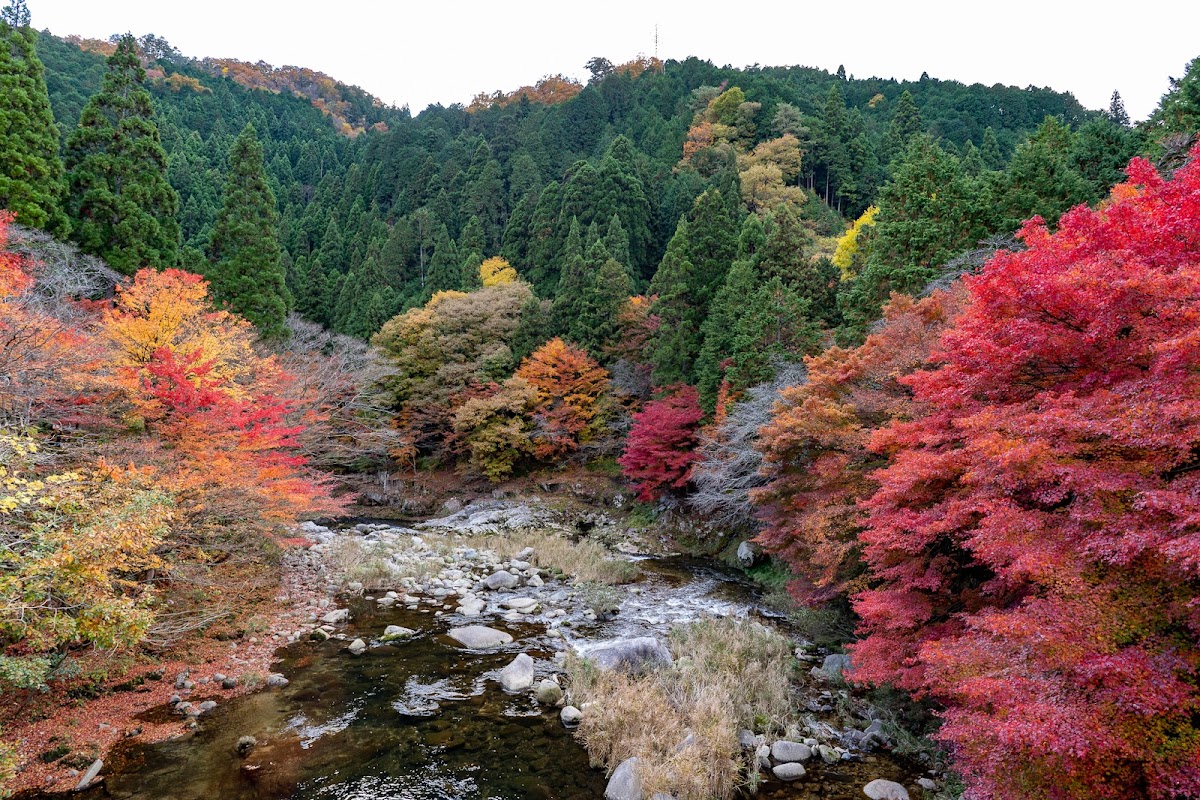
From late September through October, Daisen becomes a renowned autumn foliage destination, attracting many visitors. The gradual color change from summit to base resembles a natural artwork.
Fall Foliage Season:
- Summit Area: Late September to early October
- Mid-slope: Mid-October to late October
- Mountain Base (Daisenji Area): Late October to early November
The autumn colors along the Daisen Loop Road particularly offer spectacular views, enjoyable by driving or cycling.
Winter (December–March): Snow Mountains and Rime Ice
Winter transforms Daisen into a silver wonderland and becomes a mecca for skiing and snowboarding. Daisen Ski Resort is among Japan’s largest western ski resorts, offering fine powder snow.
Winter mountaineering significantly increases difficulty due to heavy snow and strong winds, requiring adequate equipment and experience. However, the fantastical scenery covered in rime ice and hoarfrost offers unforgettable winter experiences.
Tourist Spots Around Daisen
The Daisen area offers numerous attractive destinations beyond mountaineering.
Daisenji Temple
Daisenji was established during the Nara period and prospered as the center of Daisen faith. Once commanding 3,000 warrior monks, it now serves as a quiet pilgrimage site.
- Highlights: Main hall, Amida Hall, stone-paved approach
- Access: 10-minute walk from Daisenji Bus Stop
- Admission: Free (museum fee applies for special collections)
The approach road features souvenir shops and restaurants where you can taste “Daisen Okowa” (rice cooked with mountain vegetables) and “Daisen Soba.”
Daikamiyama Shrine Okumiya (Inner Shrine)
Famous for Japan’s longest natural stone-paved approach path (approximately 700 meters), this shrine’s solemn atmosphere and stone path make it a popular power spot.
- Highlights: Stone-paved approach, main building in Gongen style
- Access: 15-minute walk from Daisenji Temple
- Admission: Free
Daisen Makiba Milk Farm
A pasture at approximately 900 meters elevation offering fresh dairy products with panoramic mountain views.
- Specialties: Soft serve ice cream, cheese, yogurt
- Experiences: Milking demonstrations, butter-making (reservations required)
- Hours: 10:00–17:00 (seasonal variations)
- Admission: Free
Soft serve ice cream with Daisen as backdrop is particularly delicious and attracts many visitors.
Mori no Kuni
Western Japan’s largest field athletics facility with 45 different activities. Especially popular with families for outdoor exercise in nature.
- Season: April–November (closed in winter)
- Fees: Adults ¥900, Children ¥700 (athletics course)
- Additional Facilities: Barbecue area, camping ground
Uemitsu Shoji Photography Museum
Showcasing works by internationally renowned photographer Uemitsu Shoji, whose distinctive style, called “Ueda-cho,” gained international recognition. The museum’s architecture, designed by architect Takamatsu Shin, features beautiful design incorporating Daisen as borrowed scenery.
- Hours: 9:00–17:00 (final admission 16:30)
- Closed: Tuesdays (following day if Tuesday is a holiday)
- Admission: Adults ¥900, High School/University ¥500, Elementary/Middle School ¥300
Access to Daisen
Daisen is accessible by both public transportation and private vehicle.
Train and Bus Access
From Tokyo:
- Shinkansen from Tokyo Station to Okayama Station (approximately 3 hours 20 minutes)
- Limited Express Yakumo from Okayama to Yonago Station (approximately 2 hours)
- Bus from Yonago Station to Daisenji Temple (approximately 50 minutes)
From Osaka:
- Limited Express Super Hakuto from Osaka Station to Kurayoshi Station (approximately 2 hours 30 minutes)
- Bus from Kurayoshi Station to Daisenji Temple (approximately 1 hour)
Or
- Limited Express Yakumo from Osaka Station to Yonago Station (via Okayama, approximately 3 hours 30 minutes)
- Bus from Yonago Station to Daisenji Temple (approximately 50 minutes)
Bus from Yonago Station:
- Japan Transport Bus “Daisenji-bound”
- Fare: Approximately ¥1,000 one way
- Travel Time: Approximately 50 minutes
- Frequency: 5–6 daily (varies seasonally)
Pre-confirm schedules as additional buses run during climbing season.
Private Vehicle Access
Using Yonago Expressway:
- Approximately 30 minutes from Yonago IC via Routes 181 and 45
- Approximately 20 minutes from Mizoguchi IC via Route 45
Parking Information:
- Multiple paid parking lots around Daisenji Temple
- Fees: Approximately ¥500–700 daily
- Total capacity: Approximately 1,000 vehicles
- Early arrival recommended during peak periods (fall foliage season, summer holidays)
Air Travel Access
Using Yonago Kitaro Airport:
- Approximately 1 hour 20 minutes from Tokyo (Haneda)
- Approximately 25 minutes by bus from airport to Yonago Station
- Approximately 50 minutes by bus from Yonago Station to Daisenji Temple
Yonago Kitaro Airport is conveniently located near the city. Rental car access from airport to Daisen takes approximately 40 minutes.
Cuisine and Specialties Around Daisen
The Daisen area abounds with delicious food and gourmet experiences nurtured by rich natural surroundings.
Daisen Soba
Soba grown in Daisen’s pristine water and distinct temperature variations is renowned for its fragrant flavor and rich taste. Many soba restaurants surround Daisenji Temple, offering hand-pulled noodles.
Daisen Chicken
A signature Tottori brand chicken raised at Daisen’s base, known for tender meat and rich umami. Enjoyed as yakitori (grilled skewers), hot pot, oyakodon (parent-child rice bowl), and more.
Daisen Dairy Products
Dairy products from cattle raised on Daisen’s high-altitude pastures feature rich, creamy flavors.
- White Rose Milk: Tottori residents’ soul drink
- Daisen Soft Serve: Tourist favorite
- Daisen Cheese: Ideal souvenir
Daisen Okowa
A local dish of glutinous rice cooked with wild vegetables, mushrooms, and chicken, available at restaurants near Daisenji Temple. Its simple yet savory flavor is captivating.
Local Sake
Tottori’s numerous breweries craft sake using Daisen’s groundwater. Brands like “Inada Hime,” “Takayuu,” and “Chiyomusubi” are renowned and make excellent gifts.
Accommodations Around Daisen
The Daisen area offers diverse lodging from hot spring inns to pensions and campgrounds.
Daisen Hot Spring Resort Area
Multiple hot spring inns near Daisenji Temple provide post-climbing relaxation. The sodium-calcium sulfate spring water is effective for muscle soreness and fatigue recovery.
Major Hot Spring Inns:
- Daisen Royal Hotel
- Daisenji Temple Approach Inns
- Goenzan Hot Spring Accommodations
Pensions and Minshuku
Pensions and minshuku offer homey atmospheres and homemade cuisine. One night with two meals costs approximately ¥8,000–12,000, providing affordable accommodation.
Campgrounds
Multiple campgrounds around Daisen facilitate outdoor enjoyment.
- Daisen Masumizu Highland Campground: 900 meters elevation, beautiful starry skies
- Mori no Kuni Campground: Adjacent to athletics facility
- Masumizu Highland Campground: Panoramic Japan Sea views
Best Season for Daisen Mountaineering and Tourism
Optimal visiting seasons vary by purpose.
For Mountaineering
June–July: Alpine flowers bloom abundantly. Rainy season brings unstable weather, yet clear days offer stunning views.
September–Early October: Stable weather and autumn foliage. Peak climbing season.
For Fall Foliage Viewing
Mid-October–Early November: Entire mountain displays autumn colors. Late October weekends see significant crowds.
For Skiing and Snowboarding
Late December–Early March: Daisen Ski Resort operates with excellent snow quality.
To Avoid Crowds
June, September, November Weekdays: Relatively uncrowded, allowing leisurely Daisen enjoyment.
Preparation and Checklist for Daisen Mountaineering
Prepare accordingly for safe, comfortable climbing.
Essential Equipment
- Hiking boots (trekking shoes)
- Backpack (20–30 liters)
- Rain jacket and pants (high waterproof rating)
- Warm layer (fleece or down jacket)
- Hat, gloves
- Headlamp (spare batteries)
- Map, compass (smartphone apps acceptable)
- Water (1–2 liters)
- Snacks, emergency food
- First aid kit
- Portable toilet
Useful Equipment
- Trekking poles
- Sunglasses
- Sunscreen
- Camera
- Warm beverages (in thermos)
- Towels, tissues
Pre-Climb Confirmations
- Weather Forecast Check: Verify latest conditions as mountain weather changes rapidly
- Climbing Plan Creation: Decide route, time estimate, and escape routes
- Health Management: Ensure adequate sleep and confirm morning condition
- Submit Climbing Plan: File at trailhead post or Tottori Prefecture Police online system
- Confirm Emergency Contacts: Daisen Police (0859-52-2111), Daisen Town Hall (0859-53-3311)
Daisen’s History and Culture
Daisen has long been revered as a sacred mountain of faith.
History of Daisen Faith
Daisen faith began in the Nara period, traditionally attributed to monk Kinren. The Heian period saw it flourish as a Tendai sect practice center, eventually commanding 3,000 warrior monks.
The medieval period witnessed formation of temple clusters around Daisenji, called “Daisen Senbo” (three thousand temples). During the Edo period, Daisen pilgrimage became popular among commoners, attracting numerous visitors.
Daisen Legends
Numerous legends surround Daisen.
Rope-Pulling Legend of Daisen and Kotoura Deities: A legend tells of Daisen’s god and Kotoura’s god in a rope-pulling contest over land, with the rope breaking to form Daisen.
Daisen Tengu Legend: Tales tell of tengu residing on Daisen, from whom ascetics received secret teachings.
Cultural Assets and Natural Monuments
Daisen harbors many cultural properties and natural monuments.
- Daisen Kara Boku: Nationally designated special natural monument; world’s largest pure Kara Boku forest
- Daikamiyama Shrine Okumiya Main Building: National important cultural property
- Daisenji Amida Hall: National important cultural property
- Daisen Beech Forest: Original forest sustaining rich ecosystems
Activities Around Daisen
Beyond mountaineering, diverse activities surround Daisen.
Cycling
The Daisen Loop Road is popular with cyclists. Its approximately 30-kilometer course offers Daisen’s grandiose views. Electric-assisted bicycle rentals are available.
Trail Running
Daisen’s trails are popular trail running courses. The annual “Daisen Climbing Marathon” attracts runners nationwide.
Stargazing
Its high elevation and distance from city lights make Daisen ideal for stargazing. Summer’s Milky Way and winter’s Orion constellation are breathtakingly beautiful.
Snowshoeing and Snow Trekking
Winter tours using snowshoes allow access to normally restricted areas, providing full winter Daisen immersion.
Paragliding
Paragliding schools in the Daisen area offer sky-views of Daisen and the Japan Sea. Tandem flights accommodate beginners.
Manners and Precautions When Visiting Daisen
Respect these guidelines to preserve Daisen’s beauty for future generations.
Environmental Protection
- Carry Out All Trash: Never leave garbage on the mountain
- Stay on Marked Trails: Protect vegetation by remaining on designated paths
- Avoid Plant Collection: Alpine plant collection is legally prohibited
- Use Portable Toilets: Use portable toilets in areas without facilities
Safety Measures
- Avoid Solo Climbing: Climb with companions when possible
- Don’t Overexert: Have the courage to turn back if feeling unwell or during deteriorating weather
- Leave Ample Time: Ensure descent before sunset with early departures
- Get Mountaineering Insurance: Prepare for emergencies with climbing insurance
Wildlife Coexistence
Daisen hosts Japanese serow, foxes, and wild boar. When encountering wildlife:
- Don’t Feed Animals: Feeding disrupts ecosystems
- Maintain Appropriate Distance: Keep distance even for photography
- Secure Food: Store food in packs to avoid attracting animals
Latest Daisen Information and Useful Links
Check the latest information before visiting Daisen.
Official Information Sites
- Daisen Town Tourism Information Center: Convenient for local information
- Tottori Prefecture Tourism Federation: Tottori-wide tourism information
- Daisen Tourism Bureau: Event and accommodation information
Weather and Trail Conditions
- Japan Meteorological Corporation: Detailed Daisen weather forecasts
- Yamaten: Mountain-specific weather forecasts
- Daisen Town Hall: Trail conditions and regulatory information
Emergency Contacts
- Daisen Police Station: 0859-52-2111
- Daisen Town Hall: 0859-53-3311
- Ambulance: 119
- Police: 110
Conclusion: Fully Savor Daisen’s Charm
Tottori’s Daisen, living up to its reputation as the Chugoku region’s highest peak, offers magnificent nature and rich historical culture. With diverse mountaineering routes for beginners through advanced climbers, beautiful seasonal scenery, delicious cuisine, and hot springs, Daisen’s attractions are limitless.
Whether enjoying mountaineering, touring attractions, or relaxing in hot springs, Daisen accommodates everyone’s preferences with its profound charm.
Using information from this guide, please visit Daisen and experience its magnificence. Prioritizing safety, enjoy a wonderful Daisen journey.
Daisen’s magnificent nature awaits you.