Tachikue Gorge, Shimane Prefecture: A Complete Guide to the Spectacular Gorge Known as the “Yabakei of Sanin”
Tachikue Gorge (tachikuekyō), located in the southern part of Izumo City, Shimane Prefecture, is a magnificent gorge that extends approximately 2 kilometers along the clear waters of the Kando River. The landscape of towering strange rock formations reaching heights of 100 to 200 meters is known as the “Yabakei of Sanin,” and has been designated as a National Scenic Beauty and Natural Monument. This article provides a comprehensive introduction to the charm of this spectacular location, from the geological characteristics of Tachikue Gorge to the highlights of sightseeing and access methods.
Overview and History of Tachikue Gorge
Geographic Location and Basic Information
Tachikue Gorge is located in Otatsu Town, Izumo City, Shimane Prefecture, approximately 10 kilometers south of Izumo City Station. It is a gorge formed in the upper reaches of the Kando River, which originates from Akane Pass on the border between Shimane and Okayama Prefectures, and is characterized by the natural beauty created by clear waters and strange rock formations.
The entire gorge extends approximately 2 kilometers in length, but the section where strange rock formations are particularly concentrated spans about 1 kilometer. In this section, a continuous cliff with a height difference of approximately 50 meters formed by erosion runs along the left bank of the Kando River, creating a spectacular landscape that appears as if a giant folding screen has been erected.
Etymology and Historical Background
The name “Tachikue Gorge” has an interesting origin. Originally, this area was called “Tachikui” (standing stakes), a name derived from the appearance of giant rocks standing in a line like stakes. Over time, the name gradually changed to “Tachikue,” which continues to this day.
In 1927 (Showa 2), it was designated as a National Scenic Beauty and Natural Monument under the name “Tachikue,” and in 1964 (Showa 39), the surrounding area was designated as Tachikue Gorge Prefectural Natural Park. This legal protection helped preserve this valuable natural landscape.
Geological Characteristics and Formation Process
Peculiar Rock Formations Created by Volcanic Activity
The cliffs of Tachikue Gorge are composed of andesite, dacite lava, and volcanic breccia layers belonging to the Omori Formation, dating from the Middle Miocene of the Neogene Period (approximately 23 to 5 million years ago). These strata were formed by ancient volcanic activity.
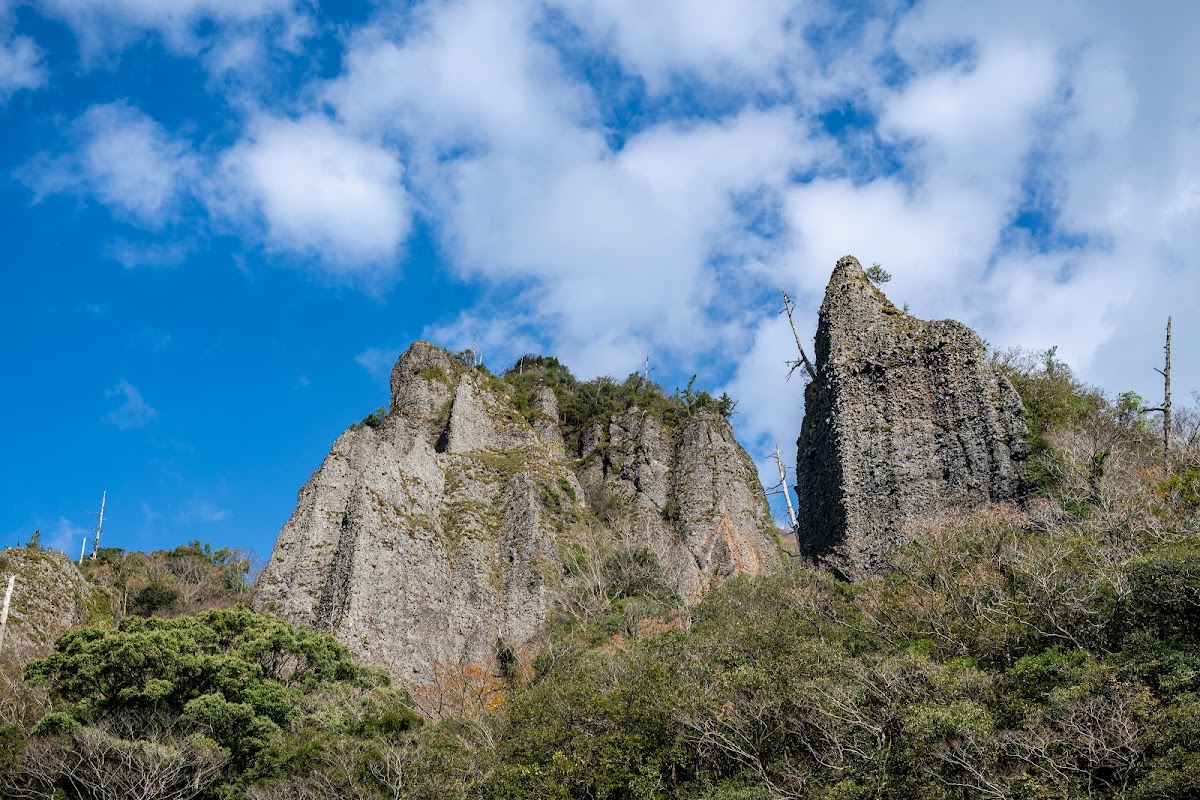
Particularly noteworthy are the numerous strange rock formations created as aggregate andesite underwent weathering and water erosion over long periods. The combination of erosion caused by the flow of the Kando River and weathering from wind and rain created the unique rock pillars and cliffs visible today.
Characteristic Rock Types and Stratum Structure
Midway up the cliffs of Tachikue Gorge, there are areas where gravel beds containing sub-rounded pebbles deposited in shallow waters form screen-like formations. These strata indicate traces of a time when this region was a sea or lake bottom, making them geologically invaluable exposures.
The complex terrain of small valleys is also characteristic of Tachikue Gorge. These valleys were formed by water erosion and provide three-dimensional depth and varied scenery to the entire gorge landscape.
Various Peculiar and Famous Rock Formations
Shinkame Rock (Divine Turtle Rock)
One of the most representative strange rock formations of Tachikue Gorge is Shinkame Rock. As its name suggests, it is a giant rock shaped like a sacred turtle, adding a solemn atmosphere to the gorge landscape. Located on the left bank of the Kando River, it can be viewed up close from the walking trail.
Eboshi Rock
Named for its resemblance to the eboshi hat worn by Heian period aristocrats, Eboshi Rock is an iconic symbol of Tachikue Gorge. This colossal rock pillar exceeds approximately 100 meters in height, and its majestic appearance overwhelms visitors.
Candle Rock and Folding Screen Rock
Candle Rock is a peculiar rock formation that appears like a candle stretching skyward due to its tall, narrow shape. Folding Screen Rock, on the other hand, is named for its appearance of a continuous flat rock wall that seems to stand like a folding screen. These rocks demonstrate the natural aesthetic beauty created by different erosion processes.
Other Distinctive Rock Formations
Tachikue Gorge contains numerous other famous rocks, each affectionately named by local people. The expressions of the rock surfaces change with the seasons, time of day, and weather conditions, revealing different faces with each visit.
Tachikue Reimyo Temple (Formerly Kametabuchi Hiko Temple)
History and Origin
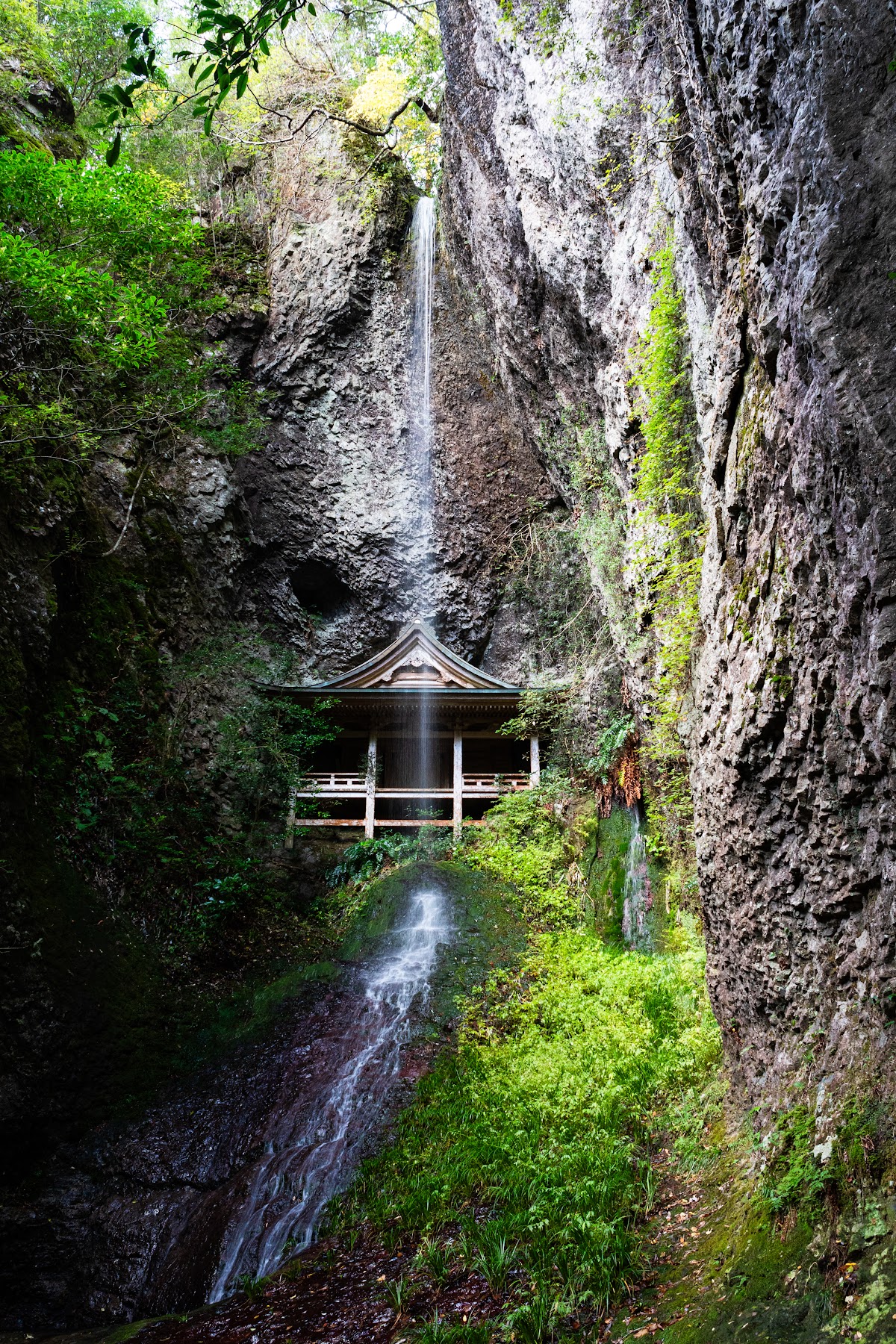
Located roughly in the center of Tachikue Gorge on the mountainside of a cliff is Tachikue Reimyo Temple (reikōji). Once known as Kametabuchi Hiko Temple, this temple has been cherished by local people as Tachikue Yakushi.
Access to Reimyo Temple, built on steep cliffs, is via stone steps from the walking trail. Due to its unique location, it has been known as a place of practice and has long been an object of faith.
Five Hundred Arhats and Temple Grounds Highlights
The temple grounds house Five Hundred Arhats, creating a solemn atmosphere. From the main hall, which stands as if embraced by cliffs, one can overlook the clear waters of the Kando River and the strange rock formations of the opposite bank—a truly spectacular view.
On the rock surface surrounding the temple, patterns and shapes created by nature can be observed, creating a unique space where faith and natural beauty are intertwined. The charm of Reimyo Temple lies in the ability to enjoy this special landscape while paying respects.
Flora and Ecosystem of Tachikue Gorge
Characteristics of Cliff Vegetation
Unique plant communities known as “Tachikue Gorge Cliff Vegetation” have developed on the cliffs of Tachikue Gorge. Plants adapted to the harsh environment of steep rocky walls take root in rock crevices and sparse soil, forming their own ecosystem.
Due to the exceptionally rich vegetation rarely seen elsewhere in the prefecture, Tachikue Gorge has been designated as a natural observation model course. It serves as a valuable observation field not only for plant experts but also for nature enthusiasts.
Natural Beauty Through the Four Seasons
In spring, fresh greenery colors the gorge, creating a beautiful landscape through the contrast with the gray rock surface. In summer, the gorge is covered in deep green, and the clear waters of the Kando River provide refreshing coolness.
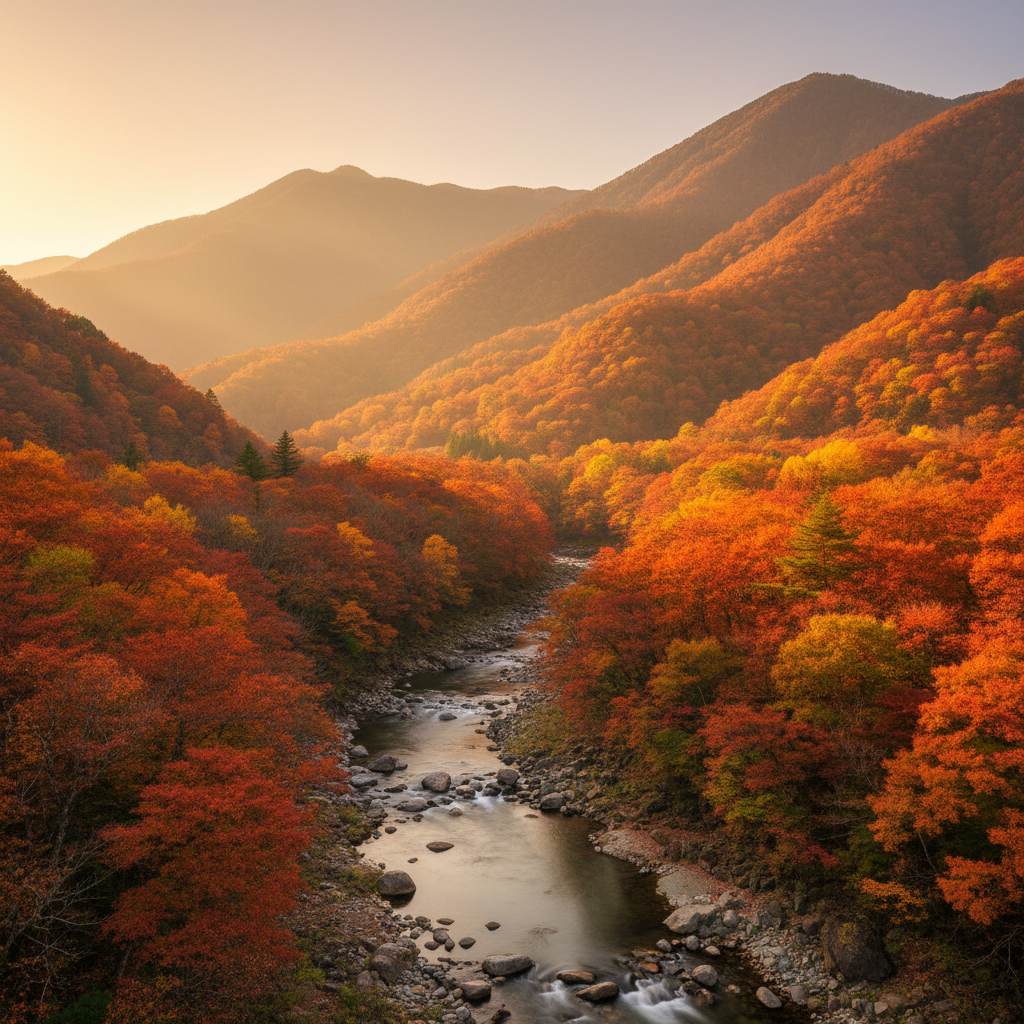
Autumn is known as a destination for autumn foliage, with trees typically beginning to change color around mid-November. The landscape created by trees colored in red and yellow and strange rock formations is reminiscent of a landscape painting. Winter brings a snow-covered appearance to the rock surfaces, creating a solemn atmosphere, with each season revealing different faces.
Wildlife and Ecosystem
Diverse wildlife inhabits the area surrounding Tachikue Gorge. Particularly in summer nights, the cries of Japanese tree frogs echo through the gorge, delivering their clear sounds to visitors. Various wild birds can also be observed, making it a popular birdwatching spot.
Walking Trails and Hiking Routes
Overview of Walking Trails
Walking trails have been developed along the Kando River at Tachikue Gorge, allowing visitors to experience the beauty of the gorge up close. The approximately 1-kilometer-long trail is relatively flat and easy to walk, making it safe for families to enjoy.
From the trail, visitors can view the succession of strange rock formations from various angles, observing the differences in shape and expression of each rock. A stroll while listening to the babbling of the clear stream is an experience that refreshes both body and mind.
Observation Points and Required Time
The walking trail typically takes approximately 40 minutes to 1 hour for a round trip. If walking slowly to enjoy the scenery, take photographs, or conduct nature observations, allow 1.5 to 2 hours.
Benches for rest and observation points have been installed along the way, allowing visitors to pause and savor the gorge landscape at leisure. If including a visit to Reimyo Temple, it is advisable to allow an additional approximately 30 minutes.
Precautions and Safety Measures
The walking trail is in a natural setting, and conditions may change depending on weather and season. After rain or during rainy weather, the ground becomes slippery, making it essential to wear comfortable shoes and exercise caution while walking.
In recent years, due to heavy rainfall disasters, sections of the walking trail have occasionally been closed to the public. It is recommended to check the latest information on the official websites of Shimane Prefecture or Izumo City before visiting.
Tachikue Gorge Hot Spring
Characteristics and Benefits of the Hot Spring
Within Tachikue Gorge Prefectural Natural Park lies Tachikue Gorge Hot Spring, where visitors can soak in hot springs while enjoying views of the spectacular gorge. The spring is alkaline simple hot water with purported therapeutic benefits for neuralgia, muscle pain, joint pain, and fatigue recovery.
The outdoor bath view is particularly exceptional, with the sensation of stepping into a landscape painting. Bathing while enjoying the seasonally changing views of the gorge is a luxurious experience that heals both body and mind.
Hot Spring Inns and Accommodations
Multiple hot spring inns are located at Tachikue Gorge Hot Spring, allowing guests to savor the charm of the gorge slowly over time. Each inn serves local cuisine, with ayu fish dishes and mountain vegetable dishes from the Kando River being local specialties.
Some facilities accept day-trippers, allowing visitors to soothe their fatigue with a hot spring bath after a hike. It is popular as a weekend recreational destination, particularly crowded during the autumn foliage season.
Campgrounds and Outdoor Activities
Tachikue Gorge Campground
A campground has been developed within Tachikue Gorge Prefectural Natural Park, allowing visitors to enjoy outdoor experiences in nature. The facility includes tent sites and bungalows, making it suitable for families and groups.
The campground area has minimal lighting, making it ideal for stargazing. The peculiar rock formations appear as silhouettes at night, revealing a fantastical appearance completely different from the daytime view of Tachikue Gorge.
Stargazing and Night Activities
Tachikue Gorge is an excellent spot for stargazing due to its minimal light pollution. It is ideal for observing the Milky Way and meteor showers, attracting astronomy enthusiasts.
Summer nights offer the opportunity to observe stars while listening to the cries of Japanese tree frogs, providing a special experience of unity with nature.
Access to Tachikue Gorge
Access by Public Transportation
Train and Bus
- Board the Ichibata Bus “Tachikue Gorge bound” from JR Izumo City Station and get off at the final stop “Tachikue Gorge” (approximately 30 minutes travel time)
- Bus frequency is limited, so it is recommended to check the schedule in advance
Access by Automobile
From the Sanin Expressway
- Approximately 20 minutes from Izumo IC via National Route 184
- Free parking is available (capacity for approximately 50 regular cars)
Travel Time from Major Cities
- From Matsue City: Approximately 1 hour
- From Yonago City: Approximately 1 hour 30 minutes
- From Hiroshima City: Approximately 2 hours 30 minutes
Parking and Nearby Facilities
A free parking lot has been developed at Tachikue Gorge with space for approximately 50 regular cars. During peak times such as the autumn foliage season, the lot may reach capacity, so early arrival is recommended.
Public restrooms and information signs are installed near the parking lot, making it a convenient base for sightseeing.
Nearby Tourist Attractions
Izumo Taisha (Izumo Grand Shrine)
Located approximately 20 kilometers north of Tachikue Gorge, Izumo Taisha is renowned as a shrine dedicated to the god of good relationships. Visiting both Tachikue Gorge and Izumo Taisha allows you to experience both the natural beauty and culture of the Izumo region.
Susa Shrine
Susa Shrine, dedicated to Susanoo no Mikoto, is located approximately 30 minutes by car from Tachikue Gorge. It is popular as a power spot and features ancient giant cedar trees that create a mystical atmosphere.
Gakuen Temple (Gakunji)
Known as a destination for autumn foliage, Gakuen Temple is located approximately 40 minutes by car from Tachikue Gorge. As a sacred site of mountain Buddhism, it has historical significance, and the natural beauty of its grounds is remarkable.
History of Flooding and Recovery
Past Disasters and Their Impact
As a gorge along the Kando River, Tachikue Gorge has experienced flooding impacts in the past. In particular, recent heavy rainfall disasters associated with climate change have caused damage to walking trails and surrounding facilities.
Recovery and Conservation Activities
Following disasters, Shimane Prefecture, Izumo City, and local residents have cooperated in recovery efforts. Continuous, appropriate conservation and management are carried out to preserve this valuable natural landscape, designated as a National Scenic Beauty and Natural Monument, for future generations.
Currently, disaster prevention measures have been strengthened, and the environment for safe tourism has been improved. However, the walking trail may be closed during heavy rain, so confirming information before a visit is essential.
Photography Spots and Photogenic Locations
Recommended Photography Locations
Tachikue Gorge contains numerous photography spots, with the following particularly recommended:
- Near the walking trail entrance: An observation point overlooking the entire gorge
- Around Shinkame Rock: A photography point capturing the strange rock formations up close
- View from Reimyo Temple: A composition overlooking the gorge from an elevated position
- On the bridge: A location allowing simultaneous photography of the Kando River and both banks’ rock walls
Season-Specific Photography Tips
Spring and Summer: Photography emphasizing the contrast between fresh and deep green and rock surfaces is recommended. Soft morning light creates beautiful shadows.
Autumn: The autumn foliage season allows for vibrant color photography. Overcast days produce vivid colors in photographs.
Winter: Snow-covered rock surfaces create a solemn atmosphere. Clear sunny days offer beautiful contrast with the blue sky.
Practical Information for Visiting Tachikue Gorge
Operating Hours and Admission Fees
Tachikue Gorge Prefectural Natural Park is open 24 hours with free admission. However, additional fees apply for use of the campground and hot spring facilities.
Recommended Time Allocations
- Walking trail exploration only: 1 to 1.5 hours
- Including temple visit: 1.5 to 2 hours
- Including hot spring bath: 3 to 4 hours
- Overnight camping: 1 night, 2 days
Clothing and Supplies
- Comfortable walking shoes (sneakers or trekking shoes recommended)
- Season-appropriate clothing (sunhat and sunscreen in summer, warm clothing in winter)
- Drinking water
- Camera or smartphone
- Insect repellent spray (summer season)
Best Season
While Tachikue Gorge has charm in all four seasons, particularly recommended periods are:
- Fresh greenery season (late April to May): Beautiful fresh green and clear waters
- Autumn foliage season (mid-November): Enjoyment of vibrant colors
- Early summer (June to July): Opportunity to hear Japanese tree frog calls
Contact Information
Inquiries regarding Tachikue Gorge
- Izumo City Tourism Department: 0853-21-6588
- Shimane Prefecture Natural Environment Division: 0852-22-6172
Tachikue Gorge Hot Spring and Accommodations
- Contact each hot spring inn directly
Campground
- Contact the Izumo City Tachikue Gorge Campground Management Office
Conclusion: Fully Enjoying the Charm of Tachikue Gorge
Tachikue Gorge boasts a magnificent natural landscape of towering strange rock formations ranging from 100 to 200 meters in height extending over approximately 2 kilometers. Designated as a National Scenic Beauty and Natural Monument as the “Yabakei of Sanin,” this prefectural natural park possesses invaluable geological and ecological significance.
Walking the trail along the Kando River, visitors can view famous rocks such as Shinkame Rock and Eboshi Rock up close, while at Reimyo Temple built on a cliff face, they can experience a unique space where faith and natural beauty merge. Rich vegetation displays four-season transformations, with the autumn foliage season being particularly beautiful.
Hot spring inns offer bathing while overlooking the gorge and local cuisine, while campgrounds provide outdoor experiences beneath a starry sky. With excellent access approximately 10 kilometers from Izumo City Station, Tachikue Gorge, filled with silence and natural beauty that makes one forget urban hustle, continues to move visitors deeply as a representative scenic spot in Shimane Prefecture.
Hiking, hot springs, camping, photography, and nature observation offer numerous ways to enjoy Tachikue Gorge. Please visit at least once to experience the magnificent natural formation firsthand.