Eihei-ji Complete Guide|Fukui Prefecture|History, Highlights, Access, and Visitor Information Thoroughly Explained
Eihei-ji Grand Headquarters, located in Eihei-ji Town, Yoshida District, Fukui Prefecture, is a renowned Japanese temple that has functioned as a Zen practice monastery for over 770 years, serving as the central temple of the Soto Zen sect. Founded in 1244 (Kangennen 2) by Zen Master Dogen, this temple currently houses approximately 200 unsui (Zen monks) engaged in rigorous training. Due to its solemn atmosphere and historical significance, it attracts numerous pilgrims and tourists throughout the year.
This article comprehensively explains everything you should know before visiting Eihei-ji, including its history, highlights, visitor information, access methods, and surrounding tourist attractions.
Eihei-ji Grand Headquarters|A Zen Practice Monastery Founded by Zen Master Dogen
History and Establishment of Eihei-ji
Eihei-ji Grand Headquarters was founded in 1244 (Kangennen 2) during the Kamakura period by Zen Master Dogen, the founder of the Soto Zen sect. After studying Zen in China (Song dynasty), Zen Master Dogen returned to Japan and established Eihei-ji as a temple for Buddhist training, spreading his Zen teachings centered on “shikantaza” (just sitting).
The temple’s mountain name is “Kichijosan,” and its principal images are the three Buddhas of different times: Shakyamuni Buddha, Maitreya Buddha, and Amitabha Buddha. Since its founding, it has a history spanning over 770 years and, along with Soji-ji Temple in Kanagawa Prefecture, serves as one of the Grand Headquarters of the Soto Zen sect, playing a central role in Zen Buddhism in Japan.
Ongoing Training in the Present Day
Currently, approximately 200 unsui at Eihei-ji engage in rigorous daily training. The day begins with waking at 3:30 AM, followed by zazen (sitting meditation), chanting sutras, and samu (training through labor), with strict daily routines observed. Visitors can glimpse the lives of the training monks, and many are deeply moved by their sincere dedication.
The foundation of training is “gyojuzuga”—the idea that all daily activities—walking, standing, sitting, and lying down—are forms of practice. This spirituality makes Eihei-ji more than just a tourist attraction; it remains a living practice monastery with special significance.
Highlights of Eihei-ji|The Seven-Building Complex and Important Cultural Properties
Seven-Building Complex (Shichido Garan)
The heart of Eihei-ji consists of seven main buildings known as the “Seven-Building Complex.” These serve as the center of the monks’ lives and training, and visitors can also view them by following the designated route.
San Gate (Mountain Gate)
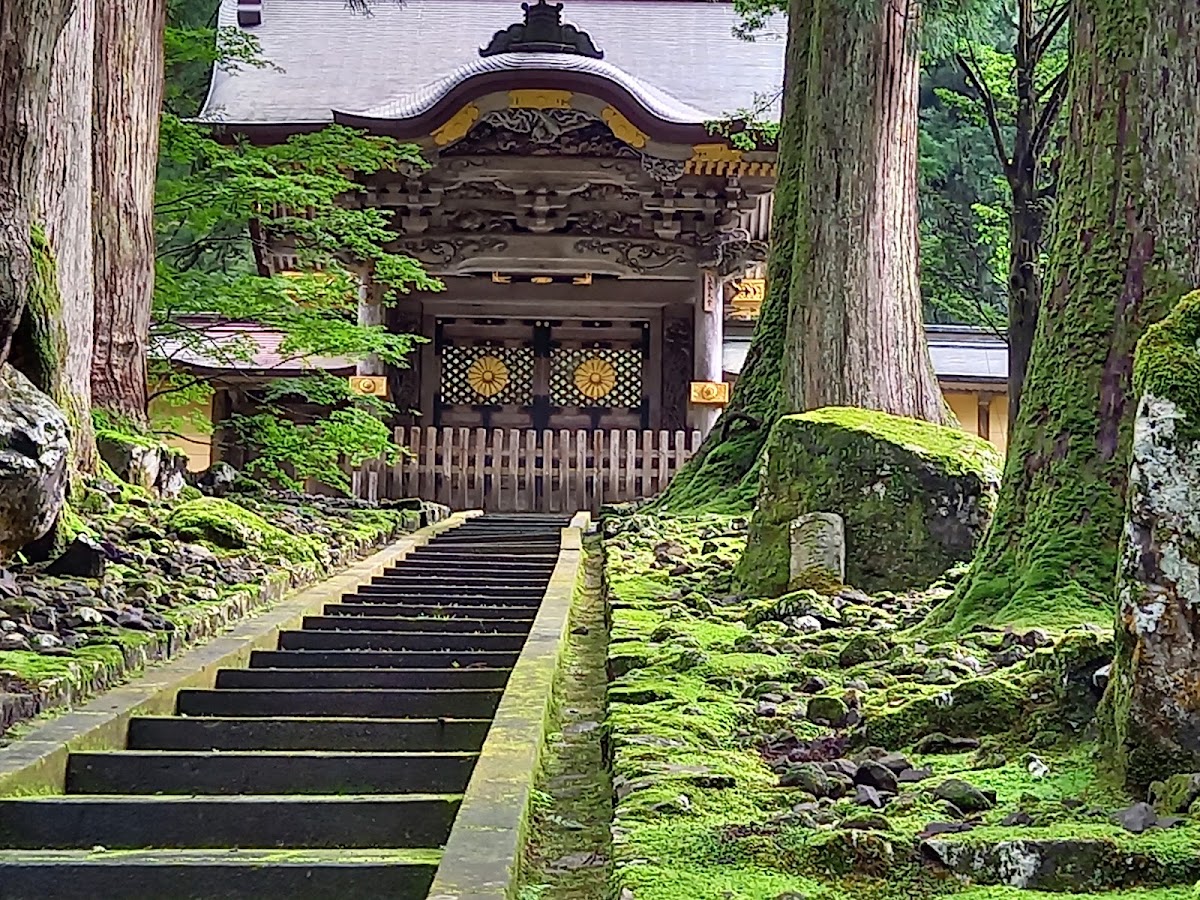
The main entrance to Eihei-ji, serving as the starting point for pilgrimage. This grand two-story gate was rebuilt in 1749 (Encho 2) and welcomes visitors as the entrance to Eihei-ji.
Buddha Hall (Butsuden)
This is the central building of Eihei-ji, housing the principal images of the three Buddhas of different times: Shakyamuni Buddha, Maitreya Buddha, and Amitabha Buddha. Important services such as morning recitations are held here, all permeated with a solemn atmosphere.
Dharma Hall (Hatto)
This building is where sermons and various services are held. The ceiling features a beautiful painted ceiling called “Cloud and Dragon Painting,” depicting two dragons on 144 wooden boards that appear to change expression depending on the viewing angle.
Monks’ Hall (Sodo)
This is where training monks perform zazen, serving as the center of training at Eihei-ji. Monks not only sit in meditation here but also eat and sleep in this space.
Storehouse (Kuin)
This building functions as the temple’s kitchen, where meals for the training monks are prepared. Work in this space is considered an important form of training.
Bath House (Yokutsutsu)
A place where training monks bathe, with bathing itself being conducted as part of their training following strict ceremonial protocols.
East Privy (Tōsu)
The term for the toilet in Zen temples, where procedures are also strictly observed, demonstrating that all aspects of daily life are forms of training.
Important Cultural Properties and Highlights
Eihei-ji houses many cultural artifacts. In particular, Shoyo Hall (Joyoden) contains the mausoleum of Zen Master Dogen and is an important site visited by many pilgrims. Additionally, the painted ceiling in Kasa-Matsu Hall (Sanshokaku) consists of 230 colored paintings of flowers and birds created by 144 renowned Japanese painters, decorating the ceiling.
The natural scenery of the grounds that changes with the seasons is also a highlight. Fresh greenery in spring, deep green foliage in summer, autumn leaves, and snowy winter landscapes create beautiful vistas that harmonize with the solemn buildings, enchanting all who visit.
Visitor Information|Admission Fees, Hours, Reception (Sojusho)
Admission Fees
Admission fees to Eihei-ji are as follows (as of 2025):
- Adults: 700 yen
- Elementary and junior high school students: 300 yen
- Visitors presenting disability handbook: 300 yen
- Preschool children: Free
For information about group discounts or special viewing, it is recommended to inquire in advance.
Visitor Hours
- Regular period: 8:30 AM to 4:30 PM (entry until 4:00 PM)
- Closed: Open year-round
※Visitor hours may change seasonally. It is recommended to check the official website for the latest information before your visit.
Reception (Sojusho) Procedures
Visitors must check in at the Sojusho reception desk located at the entrance. Here you pay the admission fee and receive a pamphlet. The reception desk can also answer questions about your visit, allowing first-time visitors to feel secure.
Sightseeing typically takes about 40 minutes to 1 hour, but those wishing to view the temple thoroughly or receive a seal stamp should plan for additional time.
Zazen Experience and Temple Lodging (Residential Training)
Eihei-ji offers zazen experiences and residential training stays of either 1 or 2 nights for the general public. These provide valuable opportunities to experience early morning zazen and labor training as the monks do, offering the chance to step away from daily life and engage in self-reflection.
Lodging reservations must be made in advance, and availability is limited by capacity and schedule. Those interested should contact the temple early.
Access|How to Get There by Train, Bus, or Car
Access by Train and Bus
From Fukui Station
- Board the Echizen Railway Katsuyama-Eiheiji Line from JR Fukui Station
- Get off at Eiheiji-guchi Station (approximately 30 minutes)
- Transfer to the Kyofuku Bus “Eiheiji-monzen” or “Eiheiji” bound bus
- Get off at the final stop and walk approximately 5 minutes to reach Eihei-ji
While a transfer is necessary, the journey from Fukui Station to Eiheiji-guchi Station offers scenic views. Buses connecting Eiheiji-guchi Station and Eihei-ji have limited frequency, so it is recommended to check the timetable in advance.
Direct Bus
A direct bus service from Fukui Station East Exit to Eihei-ji is also available (Kyofuku Bus). The journey takes approximately 30 minutes, making it convenient for those carrying luggage or preferring straightforward travel without transfers.
Access by Car
From the Hokuriku Expressway
- Approximately 25 minutes from Fukui Kita Interchange or Maruoka Interchange
From the Chubu Longitudinal Expressway
- Approximately 10 minutes from Eiheiji Sandō Interchange (nearest interchange)
The opening of the Eiheiji Sandō Interchange has significantly improved access by car.
Parking Information
Multiple parking areas are available around Eihei-ji:
- Parking areas near the Eiheiji approach: Several paid parking lots line the approach to Eihei-ji Gate
- Fees: Approximately 500 yen (varies by lot)
- Capacity: Hundreds of parking spaces in total
During tourist seasons and weekends, parking areas may be congested. Early arrival is recommended. Additionally, coin-operated parking is available near the approach, though walking to Eihei-ji may be required from some lots.
Tourist Attractions Around Eihei-ji
Eihei-ji Approach (Sandō)
The approach leading to Eihei-ji Gate features numerous souvenir shops and restaurants. Visitors can enjoy “Eiheiji soba” and vegetarian cuisine, and browse local specialty products. It is a worthwhile stop before or after visiting the temple.
In particular, “gomadofu” (sesame tofu) is a specialty of Eihei-ji and is sold in many shops. Known for its smooth texture and refined taste, it is popular as a souvenir.
Kippo-ji Temple
An ancient temple located approximately 15 minutes by car from Eihei-ji. It is said that Zen Master Dogen stayed here briefly before founding Eihei-ji. Situated in a quiet mountain setting, it is also known as a spot famous for autumn foliage.
Fukui Prefectural Dinosaur Museum
Located in Katsuyama City, adjacent to Eiheiji-cho, this is one of the world’s three major dinosaur museums. Approximately 30 minutes by car from Eihei-ji, it is a popular tourist attraction for families. It features impressive displays of dinosaur skeletons, fossils, and dioramas.
Ichijodani Asakura Clan Ruins
The ruins of a castle town from the Sengoku period located in Fukui City, approximately 30 minutes by car from Eihei-ji. The streets of the prosperous Asakura clan have been reconstructed and is recommended for history enthusiasts.
Tojinbo
A scenic spot famous throughout Fukui Prefecture, located approximately 50 minutes by car from Eihei-ji. The dramatic sea cliffs created by rough waves of the Japan Sea are spectacular and designated as a National Natural Monument.
Cuisine and Dining Around Eihei-ji
Shojin Cuisine (Vegetarian Buddhist Cuisine)
Restaurants near Eihei-ji serve shojin cuisine based on Zen principles. This cuisine, prepared without meat or fish but using vegetables, tofu, sesame, and other ingredients, offers a healthy and deeply satisfying taste. Visitors can experience cuisine close to what training monks eat.
Echizen Oroshi Soba
Oroshi soba, a specialty of Fukui Prefecture, features cold noodles topped with generous grated radish, bonito flakes, and chopped green onion, dressed with sauce. Soba restaurants near Eihei-ji serve this dish and are recommended for dining after your visit.
Sauce Katsudon
Sauce katsudon, famous as Fukui’s B-class gourmet dish, can also be enjoyed at dining establishments near Eihei-ji. Thin cutlets topped with sweet-savory sauce create a simple yet addictive flavor.
Points of Attention and Manners When Visiting Eihei-ji
Clothing and Belongings
Eihei-ji is an active religious facility where training continues. Please observe the following when visiting:
- Clothing: Avoid revealing clothing; wear comfortable yet subdued attire
- Footwear: Many areas require removing shoes, so easy-to-remove footwear is recommended
- Winter: Some buildings lack heating, so prepare for cold weather
- Summer: Bring hats, umbrellas, and water during periods of strong sunlight
Photography Etiquette
Photography is permitted in some areas of Eihei-ji but prohibited in others. Where photography is forbidden, please refrain from taking photos. Special consideration should be given regarding photographing training monks. Avoid using flash.
Pilgrimage Etiquette
- Observe quietly; avoid loud conversation
- Follow designated pilgrimage routes to avoid disrupting training
- Do not touch buildings or cultural properties
- Set cell phones to silent mode
Eihei-ji Through the Seasons|Seasonal Attractions
Spring (March to May)
As the season of fresh greenery approaches, Eihei-ji is enveloped in a refreshing atmosphere full of vitality. During cherry blossom season, the blossoms in the grounds bloom beautifully, creating a unique landscape where Zen tranquility harmonizes with spring’s elegance.
Summer (June to August)
Covered in deep green foliage, Eihei-ji is also popular as a cool retreat. The fresh green transitions to deeper shades, allowing visitors to enjoy forest bathing while visiting. However, Fukui’s summers are humid, so remember to stay hydrated.
Autumn (September to November)
Eihei-ji’s autumn foliage ranks among the most beautiful in Fukui Prefecture. Typically, the peak viewing period is the first to second week of November, when maples and Japanese maples throughout the grounds turn vibrant colors, contrasting beautifully with the solemn buildings. This season draws increased visitors, so arriving early is recommended.
Winter (December to February)
Snow-covered Eihei-ji becomes a place where silence and solemnity stand out distinctly. Visiting during snowy weather offers an experience where Zen spirituality is felt more deeply. However, be aware of snow and icy roads, and prepare with adequate winter clothing and slip-resistant footwear.
Basic Information About Eihei-ji
Official Name: Daihonzan Eihei-ji
Sect: Soto Zen
Mountain Name: Kichijosan
Principal Images: Shakyamuni Buddha, Maitreya Buddha, and Amitabha Buddha (three Buddhas)
Founder: Zen Master Dogen
Year Founded: 1244 (Kangennen 2)
Address: 5-15 Shibi, Eihei-ji Town, Yoshida District, Fukui Prefecture 910-1228
Phone: 0776-63-3102
Fax: 0776-63-3115
Visitor Hours: 8:30 AM to 4:30 PM (entry until 4:00 PM)
※Subject to seasonal changes
Closed: Open year-round
Admission:
- Adults: 700 yen
- Elementary and junior high school students: 300 yen
- Visitors presenting disability handbook: 300 yen
- Preschool children: Free
Official Website: https://daihonzan-eiheiji.com/
Summary|A Journey to Touch the Spirit of Zen at Eihei-ji
Eihei-ji Grand Headquarters, located in Eihei-ji Town, Fukui Prefecture, is a central temple of the Soto Zen sect with over 770 years of history, continuing to function as a living practice monastery today. The Zen teachings established by Zen Master Dogen continue to be passed down, with approximately 200 unsui engaged in rigorous daily training.
Eihei-ji offers much to see, including the impressive Seven-Building Complex, beautiful painted ceilings, and natural scenery that transforms through the seasons. Additionally, through zazen experiences and residential training, visitors can directly experience Zen practice.
Access is convenient by train and bus from Fukui Station or by car, and the surrounding area offers abundant attractions, including dining spots along the Eihei-ji approach, the Fukui Prefectural Dinosaur Museum, and Tojinbo.
Visiting Eihei-ji is more than sightseeing; it is a valuable opportunity to encounter Zen spirituality and engage in self-reflection. Within the grounds enveloped in silence, away from daily noise, you can enjoy precious moments of centering yourself.
When visiting Fukui Prefecture, be sure to include Eihei-ji as a destination on your itinerary and experience the essence of Japan’s Zen culture.