Entuuin Miyagi Complete Guide | Thorough Explanation of the Highlights and History of Matsushima’s Matchmaking Temple
Entuuin (円通院), located in Matsushima Town, Miyagi County, Miyagi Prefecture, is a Rinzai Zen Buddhist temple of the Myoshinji school that represents Matsushima, one of Japan’s Three Most Scenic Views. Founded in 1647 (Shoho 4) as the mortuary temple of Mitsumune, the eldest grandson of Date Masamune, it boasts a history of over 370 years. With numerous highlights including the Sankeido Hall designated as a National Important Cultural Property, beautiful gardens, autumn foliage illumination, and the Enmusubi Kannon (matchmaking Kannon), this renowned temple attracts many pilgrims from across the nation.
This article provides detailed explanations of everything you should know before visiting Entuuin, including its history, cultural properties, seasonal attractions, access methods, and viewing information.
History and Overview of Entuuin
Circumstances of Opening and the Story of Mitsumune
Entuuin was founded in 1647 (Shoho 4) with the construction of the Sankeido Hall, the mortuary of Date Mitsumune, the eldest grandson of Date Masamune. Born as the second son of Masamune’s second son Tadamune, Mitsumune was expected to have a promising future, but he died suddenly in Edo at the young age of 19.
There are various theories regarding Mitsumune’s death, and it is said to involve his relationship with Tokugawa Iemitsu and political circumstances. His father Tadamune was deeply grieved by his beloved son’s untimely death, and to honor his memory, he founded Entuuin with Sanko Shoeki, the 100th abbot of Zuiganji Temple, as its opening founder.
Relationship with Zuiganji Temple
Entuuin is located adjacent to the south side of Zuiganji Temple and is positioned as a subsidiary temple of Zuiganji. Zuiganji is the Date family’s mortuary temple, which Date Masamune revitalized, and together with Entuuin, it is known as one of Matsushima’s representative temples. By visiting both temples, you can gain a deeper understanding of the history and culture of the Date family.
Main Deity and Origin of the Temple Name
The main deity of Entuuin is Avalokitesvara (Sho Kannon). The temple name “Entu” is said to be derived from “Entu,” which expresses the virtues of Avalokitesvara. Avalokitesvara is a symbol of compassion and is worshipped as a being that saves all living beings.
Charm of the National Important Cultural Property “Sankeido Hall”
Architectural Style of Sankeido Hall
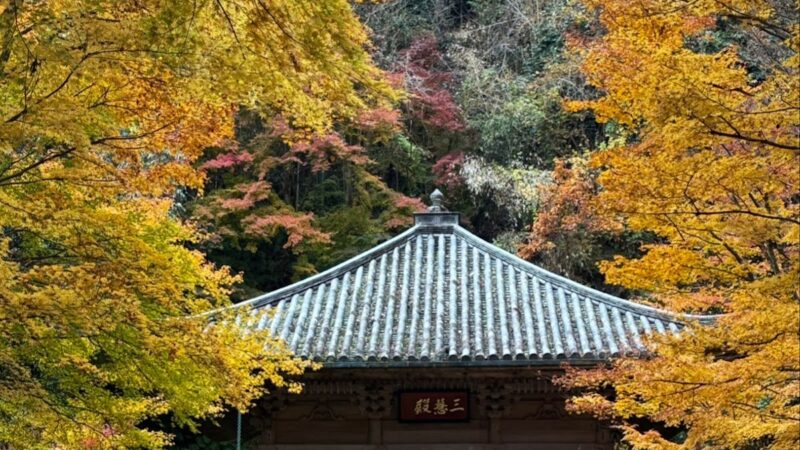
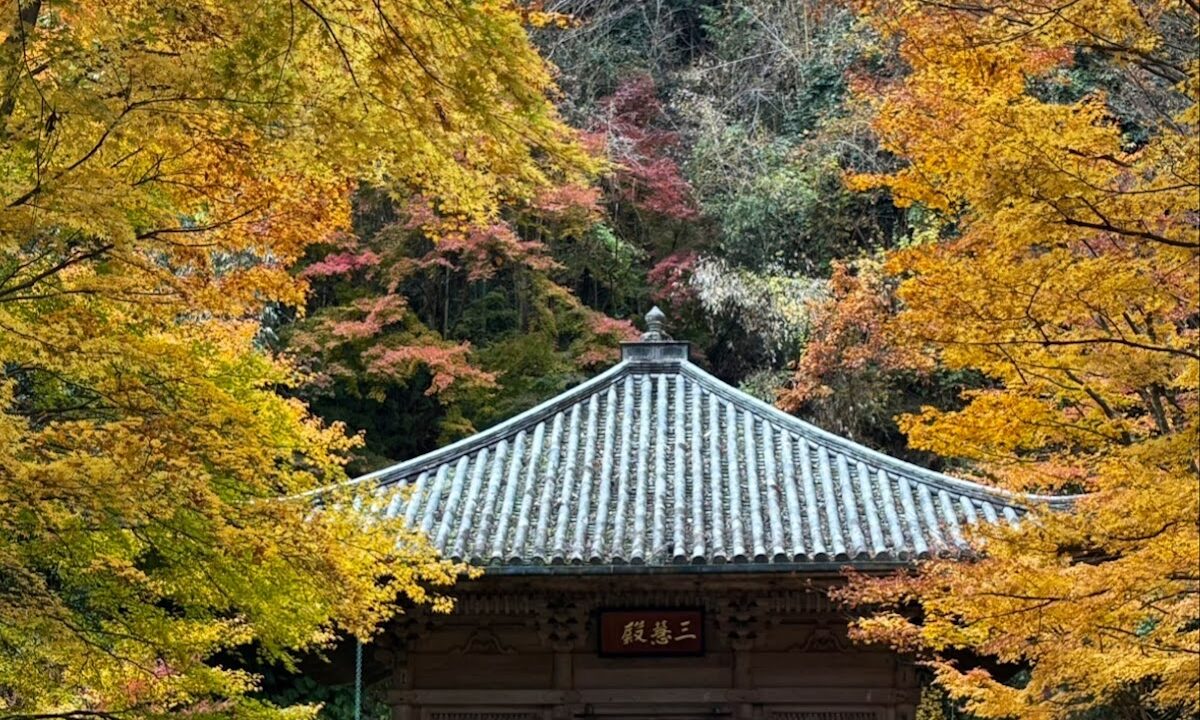
The Sankeido Hall (三慧殿) was built as a mortuary for Mitsumune and is designated as a National Important Cultural Property under the name “Entuuin Reiya.” It is a mausoleum with elaborate Momoyama-period decorative style, with a simple exterior but lavishly decorated interior.
The structure is a three-bay square building with a hipped roof covered with copper plates, with a portico on the front. Inside, there is a shrine containing Mitsumune’s mortuary tablet, surrounded by elaborate carvings and colored paintings.
Rose Paintings on the Shrine
Inside the Sankeido Hall’s shrine are paintings of roses said to have been brought back by Hasekura Tsunenaga when he traveled to Europe as part of the Keichō Embassy to the West. These rose paintings are also said to be among the oldest Western rose paintings in Japan and are extremely valuable cultural properties.
The shrine is decorated with paintings of various flowers such as narcissus, roses, and wild roses in gold leaf with bright colors, showing a unique beauty where Western and Eastern cultures have merged. Based on this rose theme of the shrine, a Western-style rose garden has been developed in the temple grounds, and Entuuin is affectionately known as the “Rose Temple” or “Mochizuki Temple.”
Meaning of the Name “Sankai”
“Sankai” is a Buddhist term referring to three types of wisdom: hearing wisdom (monkai), contemplative wisdom (shikai), and meditative wisdom (shukai). Hearing wisdom is wisdom obtained by hearing teachings, contemplative wisdom is wisdom obtained by contemplating heard teachings, and meditative wisdom is wisdom obtained through practical training and practice. Along with honoring Mitsumune’s memory, a name was given that symbolizes Buddhist wisdom.
Beautiful Garden Groups of Entuuin
Stone Garden “Ungaiten no Niwa” (Beyond the Clouds Garden)
Entuuin has several beautiful gardens where you can enjoy the scenery of each season. The most representative of these is the stone garden “Ungaiten no Niwa.” This dry landscape stone garden is composed of white sand and stone arrangements, expressing the spiritual world of Zen.
The garden’s name is derived from the Zen saying “beyond the clouds lies another world,” symbolizing the state of enlightenment away from the secular world. The arrangement of the stones and the ripple patterns in the white sand are beautiful, and you can appreciate them while settling your mind in the quiet.
Rose Garden and Western Garden
Based on the rose paintings on the Sankeido Hall’s shrine, a Western-style rose garden has been developed in the temple grounds. In spring and autumn, various varieties of roses bloom luxuriously, enveloping the area in a gorgeous atmosphere. The harmony between the rose garden and the traditional Japanese garden is beautiful, creating a unique landscape where Eastern and Western cultures have merged.
Moss Garden and Natural Beauty
Entuuin is also known for its beautiful moss gardens, to the extent that it is called the “Moss Temple.” Moss covers the various parts of the temple grounds, creating a moist and tasteful atmosphere. Particularly after rain, the moss shines with a vivid green color, displaying a fantastic beauty.
The moss garden is a traditional element of Japanese gardens, expressing the beauty of nature that changes with the passage of time. The gardens are also planted with seasonal flowers, allowing visitors to enjoy different expressions throughout the year.
Entuuin as a Famous Autumn Foliage Spot
Best Season for Autumn Foliage
Entuuin is widely known throughout the nation as one of Miyagi Prefecture’s representative autumn foliage viewing spots. The foliage typically peaks from late October to late November, with the entire temple grounds turning red and yellow. Various trees such as Japanese maple, maple, and ginkgo change color, creating a beautiful landscape in harmony with the gardens.
The contrast between the blue of Matsushima Bay and the red of the autumn foliage is spectacular, allowing visitors to enjoy the scenic view characteristic of Japan’s Three Most Scenic Views.
Charm of Evening Illumination
The greatest highlight of autumn foliage season at Entuuin is the evening illumination. During the foliage period, viewing hours are extended to allow special night viewing, with the entire garden illuminated from sunset until around 9 p.m.
The stone garden, Sankeido Hall, and trees with autumn foliage are illuminated in a fantastic way, creating a completely different mystical atmosphere from daytime. The image of the foliage reflected in the water is also beautiful and is popular as a photography spot.
During the illumination period, many tourists visit, so visiting on weekdays or at different times is recommended. It is advisable to check the official website of Entuuin in advance for detailed opening dates and times.
Attractions in Seasons Other Than Autumn Foliage
Entuuin offers beautiful scenery throughout the year, not just during autumn foliage season. Cherry blossoms and roses bloom in spring, with fresh green coloring the temple grounds during the new foliage season. Summer offers cool shade to enjoy tranquility, and winter creates a fantastic snowy landscape.
Enmusubi Kannon and the Temple of Matchmaking
Origin of Enmusubi Kannon
In the grounds of Entuuin stands the Enmusubi Kannon (matchmaking Kannon), attracting many pilgrims wishing for good fortune in love. The Enmusubi Kannon is said to have the benefit of bringing not only romantic connections between men and women, but also various good relationships between people.
Heart-shaped votive plaques are hung in abundance around the Kannon Hall, filled with the wishes of those praying for romantic fulfillment and good relationships. Many young couples and female groups visit, making it a popular tourist spot in Matsushima.
Prayer Bead Making Experience
At Entuuin, visitors can participate in prayer bead making experiences alongside their prayers at the Enmusubi Kannon. You can select natural stones of various colors and materials to create your own original prayer beads.
The prayer bead making experience takes approximately 30 minutes, and the completed beads can be taken home. When worn as a charm for matchmaking, they are said to attract good relationships. It is also recommended for couples and friend groups to participate together.
Wedding Ceremonies Held at the Temple
Because the Enmusubi Kannon is enshrined here, Entuuin also conducts wedding ceremonies. A solemn ceremony at a historic temple makes for a special memory befitting the beginning of a new life. A wedding surrounded by the beautiful nature of Matsushima, one of Japan’s Three Most Scenic Views, will make a lasting impression on attendees.
Highlights and Spots Within the Temple Grounds
Main Hall “Daihi-tei”
The main hall of Entuuin is called “Daihi-tei,” where the principal image of Avalokitesvara is enshrined. “Daihi” means the great compassion of Avalokitesvara. Daily prayers are performed in the main hall, and visitors can quietly pray with their hands together.
The architecture of the main hall is tasteful, allowing one to feel the beauty of traditional Japanese architecture. The garden in front of the main hall is also beautifully maintained, with seasonal flowers welcoming visitors.
Temple Gate and Approach
The mountain gate of Entuuin is located a short distance from the approach to Zuiganji Temple. Beyond the gate, a serene world unfolds. The approach is paved with stone slabs, with moss-covered trees on both sides, creating an atmospheric setting.
Walking along the approach, you gradually leave daily life behind and your mind settles. The flow from the gate through the main hall to the Sankeido Hall plays the role of preparing the visitor’s heart for worship.
Tea Room and Rest Facilities
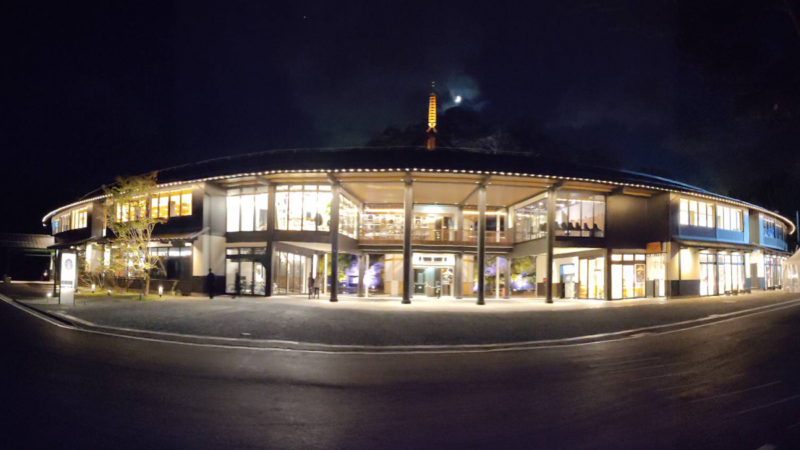
The temple grounds also have a tea room and rest facilities where you can relax between viewings. At the sweet shop, you can enjoy matcha tea and Japanese sweets while overlooking the garden, spending quiet time in tranquility.
Additionally, there are dining areas offering Date family Buddhist-inspired kaiseki cuisine and Matsushima oyster dishes, allowing you to enjoy seasonal Miyagi flavors. Enjoying meals and sweets is a recommended way to enrich your memories of Entuuin.
Municipally Designated Tangible Cultural Properties and Other Cultural Properties
Cultural Properties Owned by Entuuin
In addition to the Sankeido Hall, designated as a National Important Cultural Property, Entuuin preserves multiple valuable cultural properties, including municipally designated tangible cultural properties. These cultural properties convey the culture and Buddhist fine art of the Date family from the early Edo period to the present.
The buildings and gardens within the temple grounds, as well as enshrined Buddhist statues and ritual implements, are carefully preserved and managed, giving visitors a sense of the weight of history.
Preservation and Public Display Efforts
Entuuin implements proper preservation and management of these valuable cultural properties to pass them on to future generations. At the same time, by making them publicly available whenever possible, it provides many people with the opportunity to encounter the history of the Date family and Japan’s cultural heritage.
In particular, the Sankeido Hall is usually viewed only from the exterior, but interior viewing is sometimes possible during special public viewing periods. It is recommended to check the official website for information.
Access Methods and Transportation Guide
Access by Train
Entuuin is very conveniently accessible, located approximately a 5-minute walk from JR Senseki Line Matsushima Kaigan Station. From Sendai Station to Matsushima Kaigan Station takes about 40 minutes on the Senseki Line, or about 25 minutes using the rapid train.
Exiting Matsushima Kaigan Station and walking toward the Zuiganji approach, you’ll quickly see signs for Entuuin. Since it’s adjacent to Zuiganji Temple, it’s common to visit both temples together.
Access by Car
If traveling by car, it takes approximately 15 minutes from Matsushima Kaigan IC on the Sanriku Expressway. If using the Tohoku Expressway, it takes about 30 minutes from Yamato IC or approximately 40 minutes from Sendai-Miyagi IC.
Entuuin does not have dedicated parking, but there are several municipal and private paid parking lots in the surrounding area. Since the location is in the center of Matsushima Kaigan, it is convenient to park your car and explore on foot.
During busy periods such as autumn foliage season and holidays, parking lots become congested, so using public transportation is recommended.
Combination with Matsushima Sightseeing
Entuuin is centrally located in Matsushima, making it efficient to combine your visit with other tourist spots. There are many nearby attractions within walking distance, including Zuiganji Temple, Godaido Hall, Kananrantei, and Fukuura Island.
If taking a pleasure boat tour of Matsushima Bay, the boarding point is nearby, which is convenient. You can visit all the major tourist spots in Matsushima in a single day.
Viewing Information and Hours of Operation
Viewing Hours
Viewing hours at Entuuin vary by season.
- April to November: 9:00 a.m. to 4:00 p.m.
- December to March: 9:00 a.m. to 3:30 p.m.
Open year-round. However, during autumn foliage illumination periods, evening viewing is available, extended from sunset to approximately 9:00 p.m.
The last entry time is 30 minutes before closing, so it is recommended to visit with sufficient time to spare.
Admission Fees
Admission fees for Entuuin are as follows:
- Adults (high school students and above): 300 yen
- Elementary and middle school students: 150 yen
- Group discount (30 or more): 250 yen for adults, 100 yen for elementary and middle school students
There is no combined ticket with Zuiganji Temple, so separate admission fees are required for each. Some experiential programs, such as prayer bead making, require additional fees.
Precautions and Etiquette
Entuuin is a religious facility and also a mortuary of Mitsumune. Please note the following when visiting:
- Keep quiet within the temple grounds and refrain from loud conversation
- Photography may be prohibited inside the Sankeido Hall; follow the posted guidelines
- Do not touch the plants or stones in the garden
- Do not enter areas outside of designated areas
- Take all trash with you
Be mindful of proper etiquette and show consideration for other visitors.
Nearby Tourist Spots
Zuiganji Temple
Zuiganji Temple, adjacent to Entuuin, is the mortuary temple of the Date family, which Date Masamune revitalized. There are many impressive structures, including the main hall and storeroom designated as National Treasures. Visiting both temples together provides deeper understanding of Date family history.
Godaido Hall
Godaido Hall, a symbol of Matsushima, is a small hall rebuilt by Date Masamune. The unique structure involves crossing a transparent bridge to worship, and it is also a spot where you can enjoy spectacular views of Matsushima Bay.
Kananrantei and Matsushima Museum
The tea room “Kananrantei,” said to have been bestowed on Date Masamune by Toyotomi Hideyoshi, is located in an excellent position overlooking Matsushima Bay. You can enjoy matcha tea while savoring the beautiful scenery of Matsushima. The adjacent Matsushima Museum offers viewing of items associated with the Date family.
Fukuura Island
Fukuura Island, accessible by crossing the vermillion-painted Fukuura Bridge, is a natural hiking spot. Walking trails are developed on the island, allowing visitors to enjoy scenic walks surrounded by the plants of each season and views of Matsushima Bay.
Annual Events and Activities at Entuuin
Spring Events
In spring, cherry blossoms and roses bloom, enveloping the temple grounds in a gorgeous atmosphere. Particularly from late May to early June when roses are in bloom, many visitors come to pay their respects. This is the season to fully enjoy the charm of Entuuin as the Rose Temple.
Autumn Foliage Illumination
The largest event at Entuuin is the autumn foliage illumination. Typically held from late October to late November, special evening viewing becomes available. The illuminated garden enchants all who visit with its fantastic beauty.
Matchmaking Prayer Festival
With the Enmusubi Kannon enshrined here, Entuuin also holds matchmaking prayer festivals. Detailed schedules and registration methods can be confirmed on the official website.
Experience Programs at Entuuin
Details of Prayer Bead Making Experience
As mentioned earlier, visitors can participate in prayer bead making experiences at Entuuin. The variety of natural stone types is abundant, allowing you to select stones that match your color preferences and meaning. Staff provide careful guidance, so even first-time visitors can participate with confidence.
The completed prayer beads can also be blessed by the Enmusubi Kannon and taken home as a special charm.
Zazen Meditation Experience
As a Rinzai Zen temple, Entuuin sometimes offers zazen meditation experiences. Practicing zazen in the serene temple grounds provides a valuable opportunity to calm your mind and face yourself. It is recommended to inquire in advance about the availability and reservation methods for this experience.
Sutra Copying and Buddha Image Copying Experiences
Under certain periods and conditions, sutra copying and Buddha image copying experiences may be available. The time spent concentrating on brushwork while touching Buddhist teachings brings peace to the mind.
How to Maximize Enjoyment of Entuuin’s Charm
Recommended Visiting Periods
While Entuuin offers beautiful scenery throughout the year, the particularly recommended times are as follows:
- Spring (late May to early June): Rose blooming season. Experience the full charm of the Rose Temple.
- Early summer (June): Fresh greenery is beautiful, and the moss garden shines with vibrant green.
- Autumn (late October to late November): Peak foliage season. Evening illumination is especially recommended.
- Winter (snowy days): Snow-covered gardens display a serene, fantastic beauty.
Estimated Stay Duration
For leisurely viewing of the Entuuin grounds, plan for approximately 45 minutes to 1 hour. If participating in experiences such as prayer bead making, add an additional 30 minutes to 1 hour.
During autumn foliage illumination season, many visitors come during both daytime and evening, requiring two visits at different times.
Photography Tips
Entuuin has numerous photogenic spots.
- Stone garden: The contrast between white sand and stone arrangement is beautiful. Morning light is particularly recommended.
- Autumn foliage: The reflection of illuminated foliage in water is fantastic.
- Rose garden: Luxurious photographs can be taken during spring and autumn rose blooming season.
- Approach path: A tasteful landscape of moss and stone slabs.
However, there are areas such as inside the Sankeido Hall where photography is prohibited; please follow posted guidelines. Also, be considerate of other visitors.
Conclusion: Entuuin is a Must-See Spot for Matsushima Sightseeing
Entuuin in Matsushima, Miyagi, is a temple with diverse charms including Date family history, the Sankeido Hall designated as a National Important Cultural Property, beautiful gardens, autumn foliage illumination, and the Enmusubi Kannon. Known as both the “Rose Temple” and “Moss Temple,” it presents a different face throughout the seasons.
The convenient access—just a 5-minute walk from Matsushima Kaigan Station on the Senseki Line—is another attraction, and it is perfectly suited for visiting along with other Matsushima tourist spots including Zuiganji Temple. When visiting Matsushima, one of Japan’s Three Most Scenic Views, be sure to stop by Entuuin.
The tranquility and beauty of Entuuin, maintained for over 370 years since its founding in 1647 (Shoho 4), will surely leave a deep impression on visitors. Why not spend some unhurried time in this special space where history, nature, and culture harmoniously blend?