
Complete Guide to Esashi Hiraizumi no Sato Historical Park | Attractions and Ways to Enjoy Heian Period Theme Park in Oshu City, Iwate Prefecture
What is Esashi Hiraizumi no Sato Historical Park?
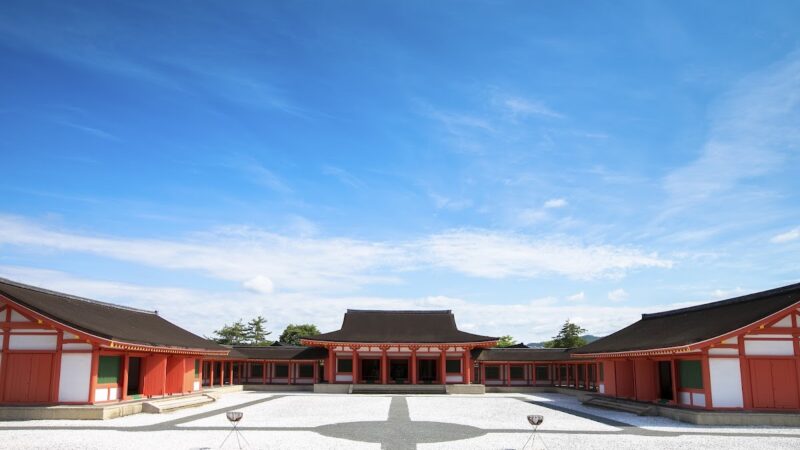
Esashi Hiraizumi no Sato Historical Park, located in Esashi Ward, Oshu City, Iwate Prefecture, is Japan’s only historical theme park that authentically recreates the Heian period. Spanning approximately 20 hectares of extensive grounds, structures that tell the story of the Oshu Fujiwara clan’s prosperity stand in rows, transporting visitors back in time to the Heian era.
This facility was developed in 1993 (Heisei 5) as a result of filming the NHK Taiga drama “Entatsu,” and was constructed based on rigorous historical accuracy. Rather than being merely a tourist attraction, it has earned high acclaim as a venue for historical education. As a site connected to the UNESCO World Heritage site Hiraizumi, it has become a precious spot where visitors can experience the history and culture of the Tohoku region.
Basic Facility Information
Location: 86-1 Onnamaru, Iwatando, Esashi Ward, Oshu City, Iwate Prefecture
Hours of Operation:
- Regular season (March 1 – October 31): 9:00 AM – 5:00 PM
- Winter season (November 1 – end of February): 9:00 AM – 4:00 PM
Closed: Open year-round (though temporary closures may occur for maintenance)
Admission Fees:
- Adults: 800 yen
- High school students: 500 yen
- Elementary and junior high school students: 300 yen
- Group discounts and disability discounts available
Access Methods
By Train:
- Approximately 15 minutes by car from Tohoku Shinkansen “Mizusawa-Esashi Station”
- Taxi is convenient from Mizusawa-Esashi Station
- Free shuttle buses operate seasonally
By Car:
- Approximately 15 minutes from “Mizusawa IC” on the Tohoku Expressway
- Parking: Free (capacity for 500 regular vehicles and 20 large buses)
From Sendai Airport: Approximately 90 minutes by car
Historical Background of Esashi Hiraizumi no Sato
The Oshu Fujiwara Clan
The Oshu Fujiwara clan was a family that ruled the Tohoku region during the late Heian period. From the first lord Fujiwara Kiyohira to the fourth lord Yasuhira, over approximately 100 years, they built a golden culture centered in Hiraizumi. Hiraizumi at that time prospered as the second major city in Japan after Kyoto, and its high cultural level is still recounted today.
Fujiwara Kiyohira, having navigated through the Tohoku turmoil of the Former Nine Years’ War and the Later Three Years’ War, established his base in Hiraizumi and pursued an ideal peaceful utopia based on Buddhist thought. Luxurious and brilliant buildings such as Konjikedo (Golden Hall) of Chusonji Temple are symbols of this vision.
How Esashi Hiraizumi no Sato Came to Be Built
The 1993 NHK Taiga drama “Entatsu” was a grand historical drama depicting the rise and fall of three generations of the Oshu Fujiwara clan. In filming this drama, it was necessary to authentically recreate Heian period architecture, leading to the construction of this facility in Esashi City (now Esashi Ward, Oshu City).
After filming, these valuable historical structures were preserved and utilized for public display as a historical theme park, continuing to the present day. Since then, it has been used as a filming location for numerous Taiga dramas and period films, becoming a representative period drama filming location in Japan.
Major Facilities and Highlights Within the Park
Kyara Gosho (Residence of Heian Nobility)
The greatest highlight of Esashi Hiraizumi no Sato is Kyara Gosho, the only authentically recreated Heian noble residence featuring the “shinden-zukuri” architectural style in Japan. This building recreates the mansion of the third lord, Fujiwara Hidehira, and features the typical shinden-zukuri structure with the central sleeping quarters as the center, pairs of east and west structures, and a middle gate corridor to the north.
Upon entering the building, visitors can experience the elegant living space of Heian nobility. The wooden plank flooring rather than tatami mats, spaces partitioned by curtains and blinds, and the open structure overlooking the garden all bring to life the Heian residence studied in textbooks.
The harmony of colors created by the vermillion pillars, white walls, and green garden evokes the finest aesthetic sensibilities of the Heian period. Particularly during cherry blossom season in spring and autumn foliage season, visitors can enjoy spectacular scenes where the building and nature become one.
Seito (Government Hall)
The Seito, which recreates the administrative facility of the Oshu Fujiwara clan, is an important building for understanding the political system of the time. Visitors can learn about the structure of the center of regional politics in the Heian period by actually walking through the building.
Upon passing through the large front gate, an expansive courtyard opens up, with administrative buildings positioned beyond. The corridors where officials would have passed and the government chamber where important decisions were made create a space where visitors can feel the stage of history with their own senses.
Kiyohira-kan and Tsunekiyo-kan
Kiyohira-kan, the residence of the first lord Fujiwara Kiyohira (Toyoda-kan), and Tsunekiyo-kan, a recreation of the mansion of Kiyohira’s father Fujiwara Tsunekiyo, are also must-sees. Compared to Kyara Gosho, these buildings show stronger samurai architectural elements, allowing visitors to learn about architectural style differences based on era and social position.
Kiyohira-kan recreates the residence that Kiyohira occupied before moving his base to Hiraizumi, offering insight into the lives of Tohoku feudal lords. Within its sturdy, practical construction, thoughtful details and aesthetic sensibilities visible throughout tell the story of Kiyohira’s character.
Konjikedo (Golden Hall)
A building modeled after the actual Konjikedo of Chusonji Temple is also recreated within the park. While photography is restricted at the actual Golden Hall, visitors can view the symbol of Heian golden culture up close here. The solemn atmosphere within the hall, covered in gold leaf, attests to the wealth and high cultural level of the Oshu Fujiwara clan.
Castles and Temple Complexes
Ancient Tohoku castles (josaku) and Buddhist temple complexes (garan) are also recreated, allowing visitors to learn about Tohoku history from before the Heian period. Castles were military and administrative facilities built by the Yamato court to control the Tohoku region, serving as clues to understanding the situation in Tohoku at that time.
Other Structures
Approximately 120 buildings dot the park grounds, each representing different aspects of the Heian period. With samurai residences, commoners’ homes, marketplaces, and workshops recreated, and not just noble dwellings but also the lives of common people depicted, the layout allows for a three-dimensional understanding of Heian society structure.
Experiencing the Heian Period Through Programs
Heian Costume Experience
The Heian costume experience, where visitors can don Heian period clothing and stroll through the park, is extremely popular at Esashi Hiraizumi no Sato. Dressed in authentic garments such as junihitoe (twelve-layered court robe), hunting robes, or samurai armor, visitors can roleplay as Heian nobility or warriors and enjoy photograph sessions.
Fee: 1,000 yen to 3,000 yen (varies by costume)
Duration: Approximately 30 to 60 minutes
Reservations: Advance booking recommended (same-day registration possible, with waiting times during crowded periods)
This activity has become particularly popular among younger visitors for its Instagram-worthy photo opportunities. When family or group members wear different costumes, they can create memorable photographs resembling Heian illustrated scrolls.
Heian Trick Art
Trick art with a Heian period theme is also available. Photo spots where visitors appear to enter the paintings create surprising and fun photographs enjoyed by children and adults alike. Various themed backgrounds based on famous Heian scenes and architectural landmarks offer unique photo opportunities.
Archery and Horseback Riding Experiences
Archery experience, an important samurai training method, and seasonal horseback riding experiences are also offered. By actually experiencing these martial arts practices, visitors gain deeper understanding of samurai life in the Heian period.
Heian Culture Experience Classes
Seasonal classes offer opportunities to experience Heian period games and culture. Activities such as kemari (kickball), kai-awase (shell game), and kodo (incense appreciation) allow visitors to participate in elegant pastimes enjoyed by Heian nobility—a rare opportunity.
Seasonal Events and Highlights
Spring (March – May)
Cherry Blossom Season: Approximately 200 cherry trees are planted throughout the park, reaching peak bloom from mid to late April. The collaboration of Heian architecture and cherry blossoms is like stepping into an actual Heian illustrated scroll. The cherry blossoms surrounding Kyara Gosho are particularly spectacular.
Spring Fujiwara Festival: During Golden Week, various events take place. Samurai processions, dance performances, and displays of traditional arts offer abundant opportunities to experience Heian culture.
Summer (June – August)
Firefly Viewing: From late June through mid-July, fireflies flit about in the streams flowing through the park. Special evening hours are held for “Heian streams where fireflies dance,” offering a fantastical landscape. The sight of Heian architecture intertwined with firefly light creates an experience found nowhere else.
Summer Vacation Special Events: During summer vacation, children’s experience programs expand significantly. Heian period game experiences, craft workshops, and history quiz rallies offer opportunities to learn history while having fun.
Autumn (September – November)
Autumn Foliage: From late October through early November, the park becomes adorned with fall colors. The feast of colors created by the red of vermillion buildings and autumn leaves, combined with the green of evergreen trees, is breathtaking. The autumn foliage surrounding the government hall is especially beautiful, drawing many photographers.
Autumn Fujiwara Festival: Coinciding with the foliage season, the autumn festival features events recreating Heian harvest celebrations and traditional art performances.
Winter (December – February)
Snow-Covered Scenery: Heian architecture blanketed in snow creates a quiet, solemn atmosphere. While winter hours are shortened, the fewer visitors mean one can tour at leisure—a distinct advantage.
New Year Events: New Year celebrations feature events recreating Heian period traditions. Kemari (kickball) opening, calligraphy practice, and New Year visits in Heian costume allow visitors to experience traditional ways of celebrating the new year.
Esashi Hiraizumi no Sato as a Filming Location
Major Filming Works
Since the Taiga drama “Entatsu” that sparked its creation, Esashi Hiraizumi no Sato has served as a filming location for numerous video productions.
Taiga Dramas:
- “Entatsu” (1993)
- “Yoshitsune” (2005)
- “Tenchi Tanjou” (2009)
- “Taira no Kiyomori” (2012)
- “Military Advisor Kanbe” (2014)
- “Sanada Maru” (2016)
- “Saigo don” (2018)
- “Kirin Ga Kuru” (2020)
- “The 13 Lords of Kamakura” (2022)
Films:
- “Onmyoji” series
- “Heaven and Earth”
- “Hijoshin”
- Numerous other period dramas
Location Materials Museum
The location materials museum within the park displays filming records, props, and costumes from past productions. Signatures from actors and behind-the-scenes stories are also viewable—a must-see for drama and film fans.
The latest location information is updated regularly, providing details about which scenes from which works were filmed here. Location tour maps are available, so visitors can enjoy the pleasure of visiting the settings of their favorite productions.
Dining and Souvenir Information
Restaurant “Yoshiie”
The park’s restaurant “Yoshiie” serves regional cuisine and set meals using Iwate prefecture ingredients. Original menu items such as “Fujiwara Royal Banquet” featuring Heian period themes are also popular.
Hours of Operation: 11:00 AM – 3:00 PM (Last order 2:30 PM)
Recommended Menu Items:
- Fujiwara Royal Banquet: 1,500 yen
- Maesawa Beef Curry: 1,200 yen
- Desserts using Esashi apples: 500 yen
Dining while gazing out at the park scenery through large windows evokes the image of Heian period banquets.
Gift Shop “Esashi Dream Plaza”
A gift shop featuring Iwate prefecture specialties and original merchandise from Esashi Hiraizumi no Sato.
Popular Items:
- Heian period-themed merchandise (postcards, clear files, hand towels, etc.)
- Esashi apple products (juice, jam, confections)
- Maesawa beef products
- South Morioka ironware
- Traditional crafts
- Taiga drama related merchandise
Original goshuin stamps and items featuring Heian period patterns are appreciated as souvenirs.
Nearby Tourist Attractions
UNESCO World Heritage Site Hiraizumi
Located approximately 30 minutes by car from Esashi Hiraizumi no Sato, Hiraizumi features UNESCO World Heritage sites including the Konjikedo of Chusonji Temple and Motsuji Temple. After learning about the Oshu Fujiwara clan’s history at Esashi Hiraizumi no Sato, visiting the actual historical sites allows for deeper understanding.
Oshu City Samurai Residence Museum
This facility preserves and displays an Edo period samurai residence. Visiting it together with Esashi Hiraizumi no Sato allows one to learn Tohoku history chronologically from the Heian through Edo periods.
Esashi Local Culture Museum
This museum displays the history and culture of Esashi Ward, Oshu City. It is recommended for those who wish to know more detailed historical background about Esashi Hiraizumi no Sato.
Kitasawa Dam and Ishiabuchi Dam
For those wishing to enjoy natural scenery, nearby dams are recommended. Fall foliage season in particular offers spectacular views.
Helpful Information for Your Visit
Estimated Time for Tour
- Detailed viewing: 3-4 hours
- Standard viewing: 2-3 hours
- Quick tour: 1.5-2 hours
Given the vast grounds, visiting in comfortable shoes is recommended. Particularly in summer, strong sunlight makes hats, umbrellas, and beverages advisable.
Best Season to Visit
While the facility can be enjoyed year-round, particularly recommended times are:
- Mid to late April: Cherry blossom season
- Late June to mid-July: Firefly season
- Late October to early November: Autumn foliage season
Crowds
- Weekdays: Relatively uncrowded, allowing leisurely viewing
- Weekends: Somewhat crowded, though the large grounds prevent feeling confined
- Golden Week, Obon, and autumn foliage season weekends: Most crowded
- During filming: Some areas may be closed to the public
Accessibility Information
- Wheelchair accessible entry
- Multi-purpose restrooms available
- Some buildings have steps, making wheelchair viewing difficult in certain areas
- Free wheelchair rental available (limited quantity, advance notice recommended)
Photography
- Personal souvenir photography is free
- Commercial photography requires advance permission
- Drone use is prohibited
- Tripod use is permitted within limits that don’t inconvenience other visitors
Pets
- Small dogs only, must be in a cage or carrier
- Cannot enter buildings
- Guide dogs and service dogs permitted
Using Official Information and SNS
Official SNS Accounts
Esashi Hiraizumi no Sato operates official accounts on Instagram, Facebook, and Twitter, sharing timely updates on the latest event information, seasonal highlights, and filming news.
Instagram: @esashi_heian
- Beautiful seasonal photographs
- Event announcements
- Reposts of visitor contributions
Following before your visit helps you catch information about peak flower and foliage conditions and special events.
Official Website
The latest opening information, admission fees, and event schedules are available on the official website (www.fujiwaranosato.com). Seasonal event calendars are posted, making it convenient for planning your visit.
Conclusion
Esashi Hiraizumi no Sato Historical Park is Japan’s only historical theme park offering an authentic experience of Heian period architecture and culture. Approximately 120 buildings narrating the prosperity of the Oshu Fujiwara clan, natural beauty that changes with the seasons, comprehensive experience programs, and its appeal as a filming location for numerous Taiga dramas and films continue to captivate visitors.
By visiting before or after a trip to the UNESCO World Heritage site Hiraizumi, one can achieve a more three-dimensional understanding of the Oshu Fujiwara clan’s history. The park grounds present different faces with each season—spring cherry blossoms, summer fireflies, autumn foliage, and winter snow—offering new discoveries with each visit.
When visiting Iwate prefecture, be sure to experience this journey back to the Heian period. As a facility enjoyed by history enthusiasts, period drama fans, photography lovers, and families alike, it has become an emerging standard attraction for Tohoku tourism.