Fukiware Falls, Gunma Prefecture Complete Guide | Attractions, Access, and Spectacular Four-Season Views of the “Niagara of the Orient”
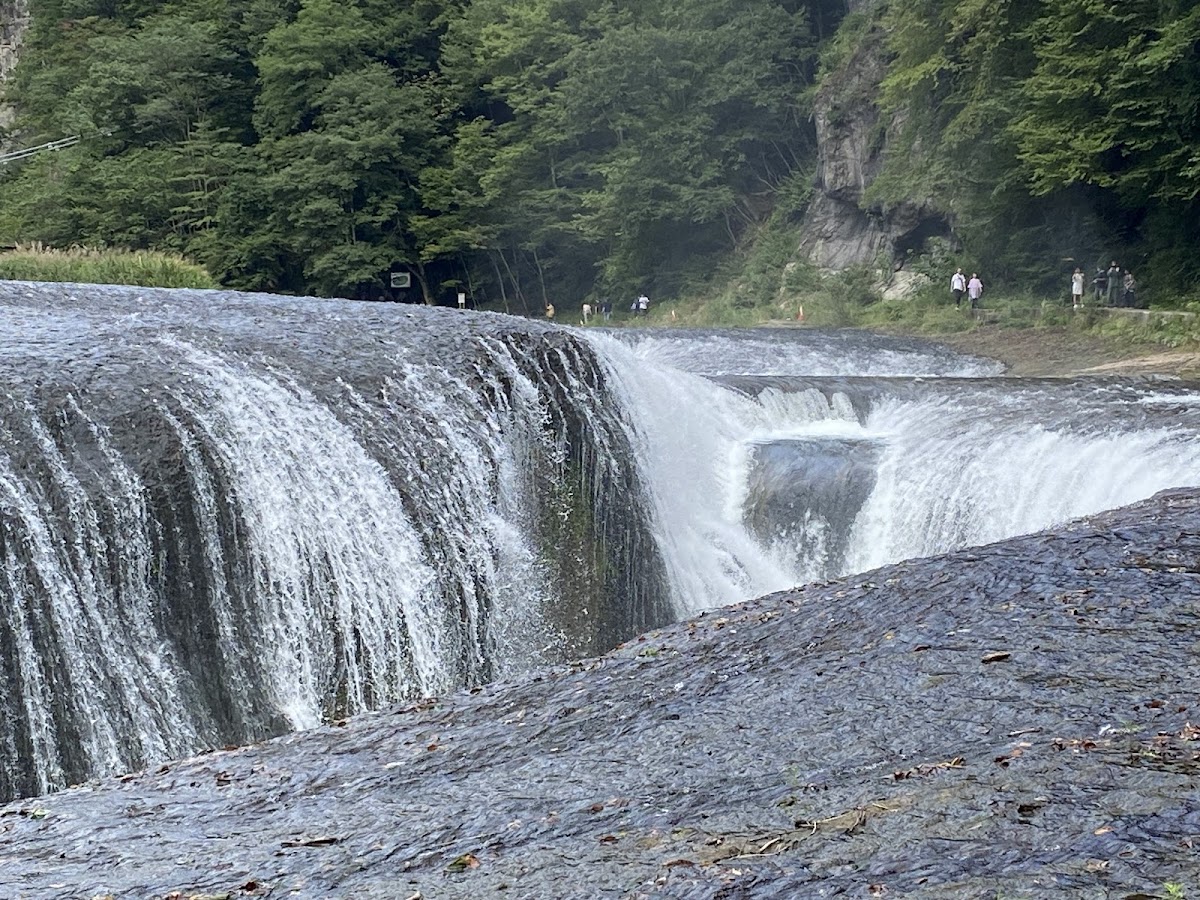
Fukiware Falls (Fukiware no Taki), located in Numata City, Gunma Prefecture, is a nationally designated natural monument and scenic site known by the epithet “Niagara of the Orient.” The clear waters of the Katashina River carve through a riverbed of tuff and granite, creating a spectacular sight as they plunge across a width of approximately 30 meters and a height of approximately 7 meters. The natural beauty spreading across Fukiware Gorge and the powerful spray of water that can be experienced up close from the walking trail continue to captivate all who visit.
This article provides comprehensive information about Fukiware Falls, from its origins and main attractions to its seasonal appearances, nearby spots, detailed access methods, and important tourist precautions.
About Fukiware Falls | The Charm of a Famous Waterfall Called the “Niagara of the Orient”
Basic Information About Fukiware Falls
Fukiware Falls is located in the middle reaches of the Katashina River in Togenuma, Numata City, Gunma Prefecture. Over many years, the Katashina River, which originates near the Ozegahara wetlands, has eroded the bedrock, forming a V-shaped crevice. The way the river water flows into this crevice as if being drawn in resembles a giant rock splitting apart, which is how the falls came to be named “Fukiware” (splitting rock).
Basic Data:
- Location: Oigai, Togenuma, Numata City, Gunma Prefecture
- Falls Dimensions: Approximately 7 meters high, approximately 30 meters wide
- Designation: Nationally designated natural monument and scenic site (designated December 16, 1936)
- Alternative Name: Niagara of the Orient
- River: Katashina River, Tone River system
Historical Value of Natural Monument Designation
On December 16, 1936 (Showa 11), the former Ministry of Education designated “Fukiware Gorge and Fukiware Falls” as both a natural monument and scenic site. This designation reflects the recognition of both the geological value and scenic beauty of Fukiware Falls.
The natural formation created by the selective erosion of tuff and granite—rocks of different hardness—is a unique phenomenon among Japanese waterfalls. Through the differential erosion of softer areas, multiple crevices were created, resulting in the distinctive landscape seen today.
Why Is It Called the “Niagara of the Orient”?
Fukiware Falls is called the “Niagara of the Orient” because of its wide waterfall opening and the magnificent flow of water. While not as large as Niagara Falls itself, the sight of water falling simultaneously across a width of 30 meters is a rare spectacle in the Oriental region.
Particularly during periods of abundant water flow, the roaring sound combined with white spray rising into the air creates a powerfully impressive sight. The fact that it can be observed up close from the walking trail is also a major attraction of this waterfall.
Geological Features and Formation Process of Fukiware Falls
The Distinctive Landscape Created by Riverbed Bedrock
The most distinctive feature of Fukiware Falls is the numerous crevices carved into the riverbed bedrock. Over many years, the water flow of the Katashina River has eroded bedrock composed of tuff and granite—rocks of different hardness.
The softer tuff is preferentially worn away, while deep grooves form along the boundaries with the harder granite. These grooves gradually expanded to create the large-scale crevices seen today. The complex pattern of crevices spreading across the riverbed creates an impression as if the earth itself has split open.
Natural Artistry Created by Erosion
When viewing Fukiware Gorge as a whole, traces of erosion are visible not only at the falls but also on the surrounding rock faces. A combination of physical erosion from water flow and chemical erosion from dissolved materials in the water creates the distinctive landforms.
Particularly noteworthy is the depth and shape of the plunge pool. In areas where the water flow concentrates, the swirling water continues to carve away the bedrock, creating deep hollows. Regarding this plunge pool, there is a long-standing legend that it connects to the Dragon King’s Palace.
Legends of Fukiware Falls | The Dragon King’s Palace Entrance and the Bowl and Plate Lending Legend
Origin of the Dragon King Legend
An old, mysterious legend is associated with the plunge pool of Fukiware Falls. The most famous is the “Dragon King Legend.” This plunge pool is said to have unfathomable depth and to connect to the Dragon King’s Palace.
The plunge pool’s water swirls violently, and anything thrown in is quickly sucked down. This sight must have conjured images of an entrance to another world. The local people held this waterfall in awe and reverence, carefully protecting it for generations.
Details of the Bowl and Plate Lending Legend
Another fascinating legend about Fukiware Falls is the “Bowl and Plate Lending Legend.” It is said that in the past, when there were celebrations or memorial services in the village, villagers could borrow bowls and plates from the Dragon King’s Palace.
Legend Procedure:
- Write a letter making a request, clearly stating the number of bowls and plates needed
- Throw the letter into the plunge pool
- The letter is caught in the whirlpool and sucked deep into the Dragon King’s Palace
- The next day, the requested number of bowls and plates are neatly arranged on the rocks
- After use, they are carefully washed and returned
However, one day, a greedy villager kept the borrowed bowls and plates for themselves instead of returning them. After that, the Dragon King never again lent out bowls and plates, according to the legend. This tale is still passed down as a teaching that imparts the importance of gratitude and respect for nature, as well as the significance of keeping promises.
Highlights of Fukiware Falls | Scenic Points Along the Walking Trail
Overview of the Fukiware Falls Walking Trail
To fully enjoy Fukiware Falls, it is recommended to walk the well-maintained trail. The trail runs along the Katashina River and is designed to allow observation of the falls from various angles. The approximately 1-kilometer-long course can be completed in about 40 minutes to 1 hour.
While the trail is relatively flat, there are some stairs and narrow sections, so wearing comfortable shoes is essential. The scenery changes dramatically with the seasons, so there are always new discoveries to be made with each visit at different times of year.
Fukiware Falls (Fukiware no Taki) Main Viewing Platform
The highlight of the walking trail is the observation platform where Fukiware Falls can be viewed head-on. From here, you can directly experience the full force of water plunging across a width of 30 meters.
During periods of abundant water flow, the roaring sound and white spray rising into the air create a spectacular sight, and with luck, a rainbow may be visible. The manner in which water is sucked into the plunge pool really brings home the meaning of the name “splitting rock.” The countless crevices carved into the riverbed are also clearly visible from this vantage point, allowing you to truly appreciate the natural artistry created over long years.
Masutobi Falls (Masutobi no Taki)
“Masutobi Falls,” located upstream from Fukiware Falls, is another spot not to be missed. The name of this waterfall comes from the sight of trout desperately trying to leap up the falls.
Masutobi Falls is not as large as Fukiware Falls, but its graceful character as clear water slides down rocks is appealing. The landscape, harmonizing with the surrounding greenery, is particularly beautiful during the fresh green season of late spring. Since it is located slightly away from the main trail, it is also popular as a hidden gem spot where nature can be enjoyed in quiet surroundings.
Hannya Rock (Hannya Iwa)
One of the highlights of Fukiware Gorge is “Hannya Rock.” This large boulder is named after the fact that its shape resembles a Hannya mask. The formations created by natural erosion change expression depending on the viewing angle, giving an impression of something almost alive.
The area around Hannya Rock is an excellent point for appreciating the scenic beauty of Fukiware Gorge. The clear waters of the Katashina River flow between rocks, creating different scenery with each season. Particularly during the autumn foliage season, the contrast between the trees tinged red and yellow and Hannya Rock is spectacular.
Ukishima Bridge (Ukishima Bashi) and Ukishima Kannon Hall
Near the end of the walking trail stands “Ukishima Bridge.” From this bridge, you can enjoy a panoramic view of Fukiware Gorge. The bridge’s name derives from a floating island-like rock that once existed in this area.
Beyond Ukishima Bridge lies “Ukishima Kannon Hall,” said to have been founded in the early Heian period. This small hall has long been cherished by local people as a protective presence watching over the safety of visitors to Fukiware Falls. Though modest, the structure conveys a sense of historical weight and is worth seeing.
Fukiware Falls Throughout the Four Seasons | Seasonal Expressions and Best Viewing Times
Spring at Fukiware Falls | Power of Snowmelt Water and Fresh Greenery
Spring is when Fukiware Falls displays its most impressive appearance due to increased water volume from snowmelt. From April through May, snowmelt from the Ozegahara wetlands flows into the Katashina River, causing the waterfall’s volume to reach several times its normal level.
The massive volume of water plunging with a thunderous roar raises white spray to great heights, truly living up to the name “Niagara of the Orient.” However, during periods of excessive water volume, some sections of the walking trail may be closed. Prior confirmation is necessary.
From late May through June, the season of beautiful fresh green arrives. The vivid green of young leaves combined with white spray creates a fresh and invigorating spring landscape.
Summer at Fukiware Falls | A Retreat from Summer Heat
Summer at Fukiware Falls attracts visitors seeking coolness. The rising spray from the falls and the breeze passing through the gorge provide natural air conditioning. The surrounding temperature is several degrees lower than the surrounding area, making it possible to enjoy comfortable walking even on hot summer days.
July through August is a period when water volume is relatively stable and most of the walking trail can be safely traversed. The gorge, enveloped in deep green, becomes a healing space that allows one to forget the hustle and bustle of the city.
During summer vacation periods, crowding is expected, so visiting on weekdays in the morning or evening is recommended. Early morning visits may allow you to have the mystical sight of the falls illuminated by morning sunlight all to yourself.
Autumn at Fukiware Falls | A Famous Autumn Foliage Site with Spectacular Views
Autumn foliage season is when Fukiware Falls draws the most visitors. From mid-October through early November, the entire Fukiware Gorge is dyed in shades of red, yellow, and orange, creating a breathtaking beauty.
Autumn Foliage Viewing Times:
- Mid-October: Beginning of color change, gradation is beautiful
- Late October: Peak season, the most vivid foliage can be enjoyed
- Early November: Leaves begin to fall, but fallen leaves covering the ground have their own charm
The combination of autumn foliage and waterfall is the greatest highlight of Fukiware Gorge. Particularly the views from around Hannya Rock and Ukishima Bridge are spectacular, and many photographers visit. During foliage season, parking areas become congested, so early morning visits or use of public transportation are recommended.
Winter at Fukiware Falls | A Fantastical World of Ice Falls and Snow Scenery
Winter is an off-season when fewer people visit Fukiware Falls, making it a hidden gem. From December through March, the area surrounding the falls freezes, creating ice falls and ice formations that offer a fantastical landscape.
During severe winter periods, parts of the falls freeze, creating beautiful gradations of white and blue. The combination of snow-covered walking trails and frozen falls presents a special sight that cannot be seen in any other season.
However, winter poses hazards as the walking trails freeze and become slippery, and some sections may be closed. When visiting, cold-weather protection and shoes with non-slip soles are essential. It is important to be mindful of safety and enjoy the area without overexertion.
Access to Fukiware Falls | How to Get There by Car, Train, and Bus
Access by Car
Car travel is the most convenient option. Using the Kan’etsu Expressway, you can reach the area in approximately 2.5 hours from Tokyo.
Routes from Major Cities:
From Tokyo Area:
- Exit at “Numata IC” on the Kan’etsu Expressway
- Head toward Ozegahara on Route 120, approximately 20 kilometers (approximately 30 minutes)
- Follow directional signs to the Fukiware Falls parking area
From Niigata Area:
- Exit at “Tsukiyono IC” on the Kan’etsu Expressway
- Via Route 291, approximately 25 kilometers (approximately 40 minutes)
GPS Setting:
- Address: Oigai, Togenuma, Numata City, Gunma Prefecture
- Phone: 0278-56-2111 (Numata City Togenuma Branch Office)
Parking Information
There are multiple parking areas around Fukiware Falls.
Municipal Free Parking:
- First Parking Lot: Capacity of approximately 50 vehicles
- Second Parking Lot: Capacity of approximately 30 vehicles
- Hours: 8:30 AM to 5:00 PM (varies by season)
- Fee: Free
Private Parking:
- Multiple private parking lots in the surrounding area
- Fees: Approximately 300–500 yen
- Many parking areas are attached to souvenir shops
During foliage season (late October through early November), parking lots often reach capacity by around 9:00 AM, so early morning visits are recommended.
Access by Train and Bus
When using public transportation, combine the JR Joetsu Line with bus service.
From Tokyo Area:
- Get off at “Numata Station” on the JR Joetsu Line (approximately 2 hours from Tokyo Station)
- Board the Kan’etsu Bus heading toward “Kamada, Tokura, or Daishomizu”
- Get off at “Fukiware Falls” bus stop (approximately 40 minutes)
- Walk approximately 5 minutes from the bus stop
Bus Operation Information:
- Operating period: Late April through early November (closed in winter)
- Frequency: Approximately 4–5 buses per day (varies by season)
- Fare: Approximately 900 yen from Numata Station
Notes:
- Buses run infrequently, so check the schedule in advance
- Note the time of the last bus (typically between 3:00 PM and 4:00 PM)
- Extra buses may run during foliage season
Taxi Use
It is also possible to use a taxi from Numata Station.
- Travel time: Approximately 30 minutes
- Fare: Approximately 5,000–6,000 yen one way
- More economical when shared by multiple people
Return taxis can be called on-site or arranged through souvenir shops.
Time Required for Fukiware Falls Tourism and Sample Courses
Basic Round-Trip Course (Time Required: 40 Minutes to 1 Hour)
Standard Tourist Route:
- Parking Area/Bus Stop (Start)
- Walking Trail Entrance (5 minutes on foot)
- Masutobi Falls (10 minutes stay)
- Hannya Rock (5 minutes stay)
- Fukiware Falls Observation Platform (15–20 minutes stay)
- Ukishima Bridge and Ukishima Kannon Hall (10 minutes stay)
- Parking Area/Bus Stop (5 minutes on foot)
Including photo opportunities and rest breaks, plan for approximately 1 to 1.5 hours overall.
Course for Leisurely Enjoyment (Time Required: 2–3 Hours)
This course is for those wishing to savor nature slowly.
- Arrive early to enjoy Fukiware Falls during hours when few people are present
- Walk the trail back and forth, photographing the falls from various angles
- Savor the scenic beauty of the gorge around Hannya Rock
- Pay respects at Ukishima Kannon Hall
- Purchase local specialties at nearby souvenir shops
- Enjoy local cuisine at nearby restaurants
Full-Day Course Including Surrounding Attractions
A course that uses Fukiware Falls as a starting point to tour nearby attractions.
Morning:
- Fukiware Falls tourism (1–2 hours)
- Day-use bathing at Oigami Hot Springs (1 hour)
Afternoon:
- Lunch and shopping at “Michi no Eki Shirasawa” rest area (1 hour)
- Tambara Lavender Park (summer) or Tamahara Highlands (30 minutes)
- Tour of tourist spots in Numata City
Tourist Attractions Around Fukiware Falls
Oigami Hot Springs
Approximately 10 minutes by car from Fukiware Falls, Oigami Hot Springs is a hot spring resort with a history of approximately 1,300 years. A legend remains of the god of Mt. Akagi (a serpent) and the god of Mt. Nantai in Nikko (a centipede) fighting, with the god of Mt. Akagi healing their wounds here.
Characteristics:
- Water quality: Simple hot spring, calcium-sodium sulfate
- Benefits: Neuralgia, muscle pain, joint pain, fatigue recovery
- Day-use bathing facilities: Multiple inns offer day-use bathing
After hiking around Fukiware Falls, it is recommended to soothe your tired body in hot spring water.
“Michi no Eki Shirasawa” Rest Area
Located at the midpoint between Numata City and Fukiware Falls, this rest area offers fresh local vegetables, regional specialties, and homemade prepared foods.
Recommended Points:
- Locally produced apples and blueberries
- Hand-pulled noodles and matsutake mushroom dishes
- Well-equipped rest areas
Numata City Tourism Information Center
Detailed information about Fukiware Falls and surrounding tourist attractions can be obtained here. An abundance of pamphlets is available, which can be helpful for planning your trip.
Numata City Tourism Association:
- Location: 594 Nishi-Kurauchi-cho, Numata City (in front of Numata Station)
- Phone: 0278-25-8555
Precautions and Etiquette for Fukiware Falls Tourism
Safety Precautions
Conditions of Walking Trails:
- Exercise caution as trails are slippery during rain or shortly after rain
- Some sections are closed during winter due to freezing
- Walking trails may be closed during flooding
Clothing and Equipment:
- Comfortable shoes (sneakers or trekking shoes) are essential
- Water-resistant clothing is recommended, as you may get wet from spray even in summer
- Cold-weather protection and non-slip shoes are essential in winter
Restricted Access Areas:
- Do not enter areas beyond fences
- Do not throw stones or objects into the plunge pool
- Do not enter areas outside the designated trail
Tourist Etiquette
Nature Conservation:
- Always take litter with you
- Do not pick plants
- Do not write on rocks or trees
Photography Etiquette:
- Be considerate and take turns during crowded times
- When using tripods, ensure you do not obstruct foot traffic
- Prior permission is required for drone photography
Noise Control:
- Refrain from speaking loudly
- Respect the atmosphere of enjoying natural sounds
Recommended Visiting Times
Recommended Times:
- Early morning (7:00 AM–9:00 AM): Few people, and the falls lit by morning sun are beautiful
- Morning (9:00 AM–11:00 AM): Good lighting conditions, ideal for photography
- Weekdays: Less crowded than weekends
Times to Avoid:
- Weekends 10:00 AM–2:00 PM: Most crowded time
- Weekends during foliage season: Parking lot delays may occur
How to Enjoy Fukiware Falls | Photography Tips
Best Photography Spots
Observation Platform in Front of Fukiware Falls:
- Classic spot where the entire falls can be captured
- Wide-angle lens (equivalent to 16–35mm) is recommended
- Be careful to protect the camera from spray
Photographing from Ukishima Bridge:
- Panoramic view of the entire Fukiware Gorge
- Particularly beautiful during foliage season
- Using a telephoto lens to zoom in on the falls is also effective
Around Hannya Rock:
- Interesting contrast between rock and falls
- Morning light is recommended
Photography Techniques
Slow Shutter Photography:
- Shutter speed: Approximately 1/4 second to 2 seconds
- Tripod essential (adjust ISO sensitivity for hand-held shooting during congestion)
- ND filter enables slow shutter in daylight
- Water flow can be expressed as smooth as silk
Seasonal Photography Points:
- Spring: Power of snowmelt water and contrast with fresh greenery
- Summer: Deep green and white spray
- Autumn: Autumn foliage and waterfall combination, morning and evening light is beautiful
- Winter: Ice falls and snow scenery, the texture of blue-white ice
Dining Information Around Fukiware Falls
Local Specialty Dishes
Maitake Mushroom Cuisine:
The Numata City area is famous as a matsutake mushroom producing region. Various dishes are available, such as maitake tempura, maitake rice, and maitake noodles.
Hand-Pulled Noodles:
Noodles grown using clear water from the Katashina River have a rich flavor. Many noodle restaurants in the area serve freshly pulled noodles.
Apples:
Numata City is an apple-producing region. In autumn, fresh apples and apple-based sweets can be enjoyed.
Recommended Dining Establishments
Various restaurants and souvenir shops dot the area around Fukiware Falls. Set meals made with local ingredients and the famous maitake mushroom dishes are popular. Near parking areas, shops sell light fare such as homemade rice cakes and grilled corn on the cob.
Conclusion | Fully Appreciate the Charm of Fukiware Falls
Fukiware Falls in Numata City, Gunma Prefecture, is a magnificent waterfall worthy of the epithet “Niagara of the Orient.” The sight of water plunging across a width of 30 meters and a height of 7 meters is truly overwhelming.
Geological value recognized as a natural monument, mystique represented by Dragon King legends, scenery that changes with the four seasons, and easy accessibility—being able to observe the falls up close from a well-maintained walking trail. All of these combine to make Fukiware Falls one of Gunma Prefecture’s leading tourist destinations.
Each season presents a different appearance: the power of spring snowmelt water, the cool mist of summer, the collaboration with autumn foliage, and winter ice formations. With each visit at a different time, you are sure to make new discoveries.
Walk the trail enjoying the natural beauty of Fukiware Gorge, tour nearby attractions such as Masutobi Falls and Hannya Rock, and finally soothe your fatigue at Oigami Hot Springs. Be sure to experience such a fulfilling day at Fukiware Falls.
By observing respect for nature and following proper etiquette during your visit, this wonderful landscape will be passed on to future generations. Experience the beauty and power of Japanese nature at Fukiware Falls, one of Gunma Prefecture’s proudest waterfalls.