Oze and Gunma Prefecture: A Complete Guide to the National Park Encompassing Japan’s Largest Wetland on Honshu
Overview of Oze National Park and Gunma Prefecture’s Role
Oze is a representative alpine wetland area in Japan that spans four prefectures: Gunma, Fukushima, Niigata, and Tochigi. On August 30, 2007, it was separated from Nikko National Park and designated as “Oze National Park,” Japan’s 29th national park. The total area is 37,222 hectares, of which Gunma Prefecture accounts for approximately 10,500 hectares, comprising about 28% of the entire park.
Gunma Prefecture is located on the western side of Oze and administers important areas including Mount Shibutsu (elevation 2,228 m) and the western half of Oze-ga-hara. In particular, Katashina Village serves as the gateway on the Gunma side, having major trailheads such as Hatomatoge and Ooshimizu, playing a central role in access to Oze.
Designation Date and Background
Oze National Park has a long history before its creation. Since December 4, 1934 (Showa 9), it was designated as part of Nikko National Park and has been protected for over 70 years. However, in consideration of Oze’s uniqueness and importance, it was redesignated as an independent national park in 2007. Behind this decision was the recognition that Oze’s natural environment has characteristics different from the Nikko region and requires more specialized protective management.
Gunma Prefecture played an active role alongside Fukushima, Niigata, and Tochigi prefectures in the process leading to the creation of Oze National Park, pursuing a balance between nature conservation and appropriate use.
Municipalities Within the Park Area (Gunma Prefecture)
Within Gunma Prefecture, the municipality included in the Oze National Park area is Katashina Village in Tone County. As the western gateway to Oze, Katashina Village manages trailheads such as Hatomatoge, Ooshimizu, and Fujimishita, welcoming hundreds of thousands of climbers and hikers annually. The village has well-developed infrastructure including Oze-related accommodations, visitor centers, and parking facilities, making it a vital hub for Oze tourism.
Oze-ga-hara: Honshu’s Largest Alpine Wetland
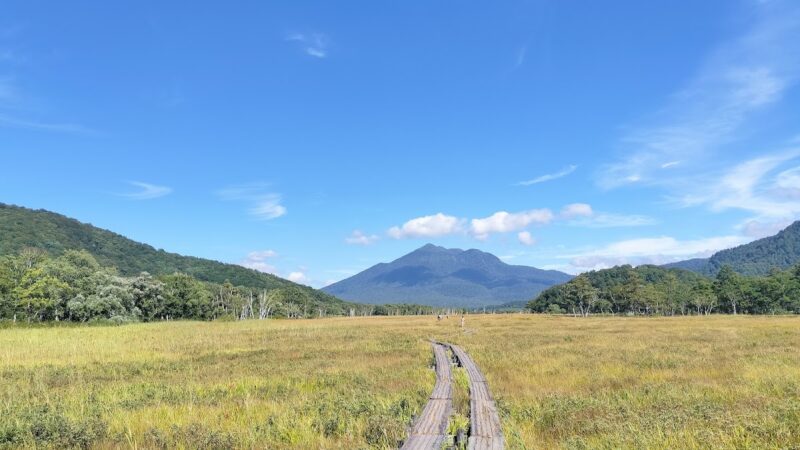
Oze-ga-hara is Honshu’s largest alpine wetland, located at approximately 1,400 meters elevation, with an area of about 849 hectares. Spanning approximately 6 kilometers east to west and 2 kilometers north to south, this wetland is also designated as a Special National Natural Monument under the Cultural Properties Protection Law.
Formation and Ecosystem of the Wetland
Oze-ga-hara’s wetland was formed over a long period following the Last Glacial Period approximately 10,000 years ago. It began when a lava flow from the eruption of Mount Hidetatake dammed the Tadami River, forming a lake. Subsequently, as plants accumulated in the lake and peat layers developed, the current alpine wetland was born. The thickness of the peat layer reaches over 7 meters in some places, recording thousands of years of natural history.
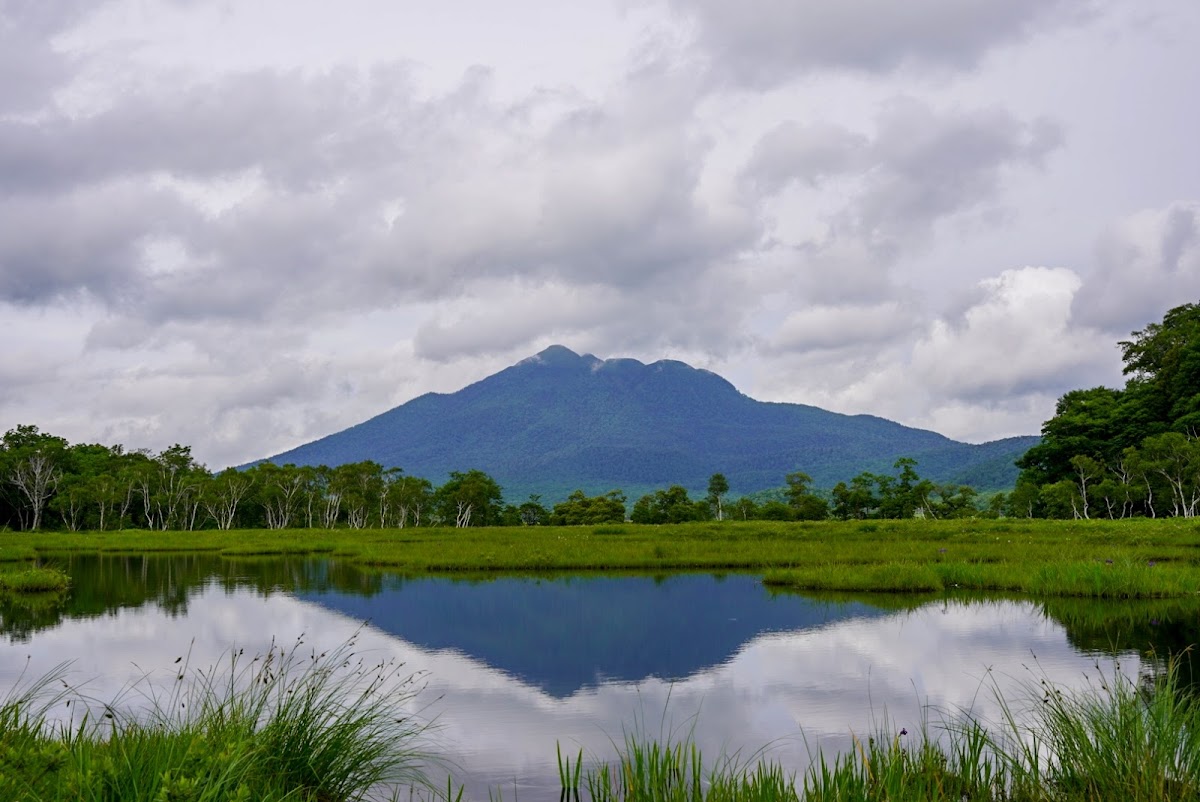
This ecosystem is built on delicate balance and is an extremely valuable natural environment from an academic perspective. The wetland vegetation is primarily composed of sphagnum mosses, with various alpine plants growing on top of them. From the Gunma side, Oze-ga-hara is characterized by its magnificent landscape spreading with Mount Shibutsu in the background, captivating many photographers and nature enthusiasts.
Mount Shibutsu: A Renowned Peak of Oze Representing Gunma Prefecture
Mount Shibutsu (Shibutsusan) at 2,228 meters elevation is one of Japan’s 100 Famous Mountains, standing on the western side of Oze-ga-hara on the Gunma side. It has a unique geology composed of serpentine rock, and numerous rare alpine plants found only on this mountain grow here.
Flora of Mount Shibutsu
Mount Shibutsu is botanically highly important. It has flora unique to serpentine terrain, with rare endemic plants such as Ose-sou, Hosoba-hinaususoyukisou, and Takane-bara growing naturally. In particular, Ose-sou is an endemic species found only around Mount Shibutsu and is designated as a National Natural Monument.
Gunma Prefecture and the Ministry of Environment implement trail maintenance and entry restrictions to protect these rare plants. In particular, from mid-May to late June, when plants are in their growth period, climbing to the summit area is restricted, prioritizing vegetation protection.
Mount Shibutsu Climbing Routes
A representative climbing route from the Gunma side is the course starting from Hatomatoge. The route from Hatomatoge via Yamano-hana to the Mount Shibutsu summit is a moderate-level course with a round-trip duration of approximately 6 hours. From the summit, a spectacular view spreads, encompassing the entire Oze-ga-hara, Mount Hidetatake, Mount Aizukomma-ga-dake, and other surrounding mountains.
Plants of Oze: Flowers in Each Season
Approximately 900 species of plants have been confirmed in Oze National Park, of which approximately 300 species are rare plants growing in wetlands and alpine zones. In areas on the Gunma side as well, diverse flowers can be observed in each season.
Plants from Spring to Early Summer
From late May to early June, Oze’s representative skunk cabbage (Mizubashou) reaches its peak. The sight of white spathes spreading across Oze-ga-hara is truly an iconic landscape of Oze. At the same time, yellow flowers of buttercup (Ryuukinkan) also color the wetland.
From mid-June to early July, the white cottony appearance of cotton grass (Watasuge) covers the wetland, and the way it sways in the wind is fantastical. Alpine plants such as Tate-yama linden, Chinguruma, and Hime-shakunage bloom in succession.
Summer Plants
From mid-July to early August is the peak period for Japanese false hellebore (Nikkou-kisuge). The landscape where Oze-ga-hara is covered with a yellow carpet is also the period when the most tourists visit annually. During this time, rare plants such as Takane-bara and Hosoba-hinaususoyukisou can also be observed around Mount Shibutsu.
Veratrum album subsp. oxysepalum, Japanese false hellebore, and sacred lotus varieties enter their prime, making it an ideal season for plant observation.
Autumn Plants
From late September to early October, Oze enters the season of autumn grass coloring (kusakouyo). The herbaceous plants of the wetland turn yellow and red, and together with the autumn foliage of surrounding mountains, create a unique autumn scenery. The autumn foliage of trees such as Japanese rowan and downy birch is also beautiful, with the contrast against Mount Shibutsu’s serpentine rock face being striking.
Animal Life of Oze
Oze National Park is home to approximately 40 mammal species, approximately 130 bird species, approximately 10 amphibian and reptile species, and approximately 1,000 insect species. Diverse wildlife can be observed in areas on the Gunma side as well.
Mammals
Species inhabiting the area include Asiatic black bears, Japanese deer, Japanese serow, Japanese macaques, foxes, martens, and stoats. Japanese serow in particular is designated as a Special National Natural Monument, and encounters along trails are possible. In recent years, the increased population of Japanese deer has affected vegetation, and related local governments including Gunma Prefecture are implementing countermeasures.
Birds
In Oze, mountain-dwelling bird species such as Clark’s nutcrackers, bullfinches, accentors, and redstarts can be observed. In the wetlands, grassland bird species such as stonechats and shrikes are also seen. During spring and autumn migration periods, various migratory birds also arrive, making it an excellent location for birdwatching.
Amphibians and Insects
Amphibians such as black salamanders and forest tree frogs inhabit the area. Among insects, wetland dragonflies such as the smallest dragonfly are found, and endemic and rare species such as the Oze river dragonfly have also been confirmed. Among butterflies, high mountain butterflies such as the rosy alpine and Oze rosy alpine also inhabit the area, making it a valuable field for insect enthusiasts.
Access from Gunma Prefecture Side and Trailheads
The two main trailheads for accessing Oze from the Gunma side are Hatomatoge and Ooshimizu.
Hatomatoge
Hatomatoge (elevation 1,591 m) is the most popular trailhead on the Gunma side, with Oze-ga-hara reachable in approximately one hour of descent. Since private vehicle restrictions are in effect, it is necessary to use shuttle buses or taxis from parking lots at Tokura or Ooshimizu.
From Hatomatoge, multiple courses can be selected, including routes to Oze-ga-hara via Yamano-hana and climbing routes to Mount Shibutsu. The pass is equipped with rest houses, toilets, and shops, making it safe for beginners to use.
Ooshimizu
Ooshimizu (elevation 1,194 m) is a trailhead with lower elevation than Hatomatoge, convenient for access to the Oze-numa area. The route from Ooshimizu to Oze-numa via Ichinose takes approximately three hours. During private vehicle restriction periods, shuttle buses or taxis from Tokura are also used here.
The Ooshimizu route is relatively quiet and suitable for those who want to enjoy nature leisurely. On routes crossing Sanpei Pass midway, you can pass through pristine beech forests and enjoy forest bathing.
Access Period and Precautions
Oze’s season typically runs from mid-May to mid-October. Winter is difficult for general climbers due to heavy snowfall. The period around Golden Week, the July holiday week, and the Obon holiday period are particularly crowded.
Private vehicle restrictions are typically enforced from mid-May to mid-October, during which private vehicles cannot enter Hatomatoge or Ooshimizu. Vehicles should be parked at the Tokura parking lot (fee-based), and shuttle buses or taxis must be used.
Gunma Prefecture’s Initiatives in Oze National Park
Gunma Prefecture plays an important role in the management and protection of Oze National Park.
Nature Conservation Activities
Gunma Prefecture works in cooperation with the Ministry of Environment, Katashina Village, and the Oze Protection Foundation on wetland protection, vegetation restoration, and protection of rare flora and fauna. Continuous activities including boardwalk maintenance and repairs, trail maintenance, and removal of invasive plants are ongoing.
Particularly regarding vegetation protection on Mount Shibutsu, efforts are made to protect rare plants through entry restrictions, trail maintenance, and awareness activities for climbers. The growth status of endemic species such as Ose-sou is monitored, and protection measures are implemented based on scientific data.
Major Management Facilities
The Katashina Nature Conservation Office of the Ministry of Environment is established on the Gunma side, with rangers and active rangers in residence. Additionally, at Hatomatoge there is an information desk for the Oze Yamano-hana Visitor Center, providing information and nature guidance to climbers.
At the Yamano-hana area, the Oze Yamano-hana Visitor Center is established, providing displays about Oze’s nature and history, current climbing information, and guidance by nature interpreters.
Environmental Education and Public Awareness
Gunma Prefecture conducts environmental education programs and public awareness activities to widely communicate the wonderful nature of Oze and the importance of its protection. Through Oze learning programs for schools within the prefecture, nature observation meetings, photo exhibitions, and lectures, efforts are made to foster nature conservation awareness in the next generation.
History of Oze and Conservation Movements
The history of nature conservation in Oze has important significance as the very origin of Japan’s nature conservation movement.
Oze Development Plan and Conservation Movement
In 1948, a plan to construct a dam on Oze-ga-hara emerged. In response, a conservation movement was launched centered on botanist Hisayoshi Takeda and writer Chosa Hirano, advocating for nature protection. The “Oze Protection Association” was established, developing into a nationwide conservation movement.
This movement became a pioneering effort in Japan’s full-fledged nature conservation movement, and ultimately the dam construction plan was canceled. This experience had a significant impact on subsequent nature conservation movements in Japan, leading to improvements in the national park system and development of nature conservation legislation.
Gunma Prefecture was involved in this conservation movement early on and has devoted efforts to the preservation of Oze as a local government.
Establishment of the Oze Protection Foundation
In 1995, the Public Interest Incorporated Foundation Oze Protection Foundation was established through cooperation among the four prefectures of Gunma, Fukushima, Niigata, and Tochigi, related municipalities, and private organizations. This foundation comprehensively implements conservation of Oze’s natural environment, promotion of appropriate use, research and investigation, and environmental education, continuing to play an important role today.
Gunma Prefecture, as a major constituent member of the foundation, continues to provide financial and personnel support.
How to Enjoy Oze and Etiquette
In order to pass on Oze’s beautiful nature to future generations, it is essential that each visitor who comes here observes appropriate etiquette.
Basic Etiquette
- Walk on Boardwalks: To protect wetland vegetation, always walk on boardwalks. Stepping off the boardwalk tramples plants and destroys the wetland environment.
- Take Trash With You: There are no trash receptacles in Oze. The principle is to take all garbage with you when you leave.
- Do Not Collect Plants: All plants in Oze are protected. Picking flowers or collecting seeds is prohibited.
- Toilet Etiquette: When using mountain lodge or public restrooms, pay a tip (approximately 100 yen). Processing excrement incurs significant costs.
- Do Not Feed Animals: To protect the ecosystem of wildlife, feeding is strictly prohibited.
For Safe Mountain Climbing
Although Oze is a relatively easy area to walk, one must not forget that it is a mountainous region. There are risks of sudden weather changes, hypothermia, and heat stroke.
- Prepare appropriate equipment (climbing boots, rain gear, cold-weather clothing, etc.)
- Carry sufficient water and snacks
- Make a climbing plan and inform family or friends
- Check weather forecasts and do not force activity in bad weather
- Avoid climbing alone; travel in groups
Submission of climbing plans is also recommended at trailheads on the Gunma side.
Tourist Spots Around Oze (Gunma Prefecture Side)
When visiting Oze, visitors can also enjoy tourist spots in and around Katashina Village on the Gunma side.
Hot Springs in Katashina Village
Katashina Village has multiple hot spring areas including Oze-Tokura Hot Spring, Oze-Iwakura Hot Spring, and Marunuma Hot Spring. These are ideal for relieving fatigue from Oze climbing, and are used by many climbers. Day-use bathing facilities are also abundant, allowing casual enjoyment of hot springs.
Fukiwari Falls
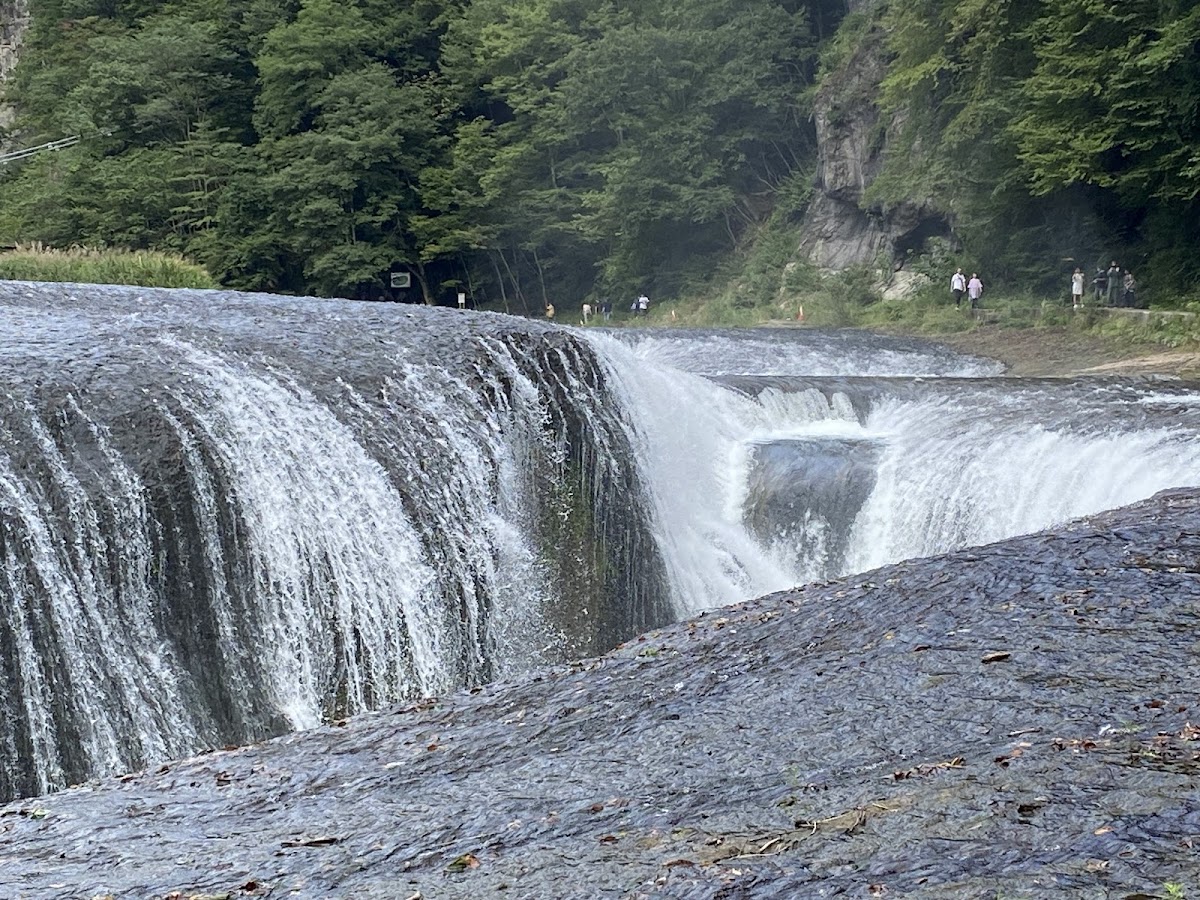
Located about 30 minutes by car from Katashina Village, Fukiwari Falls is a famous waterfall also called the “Niagara of the Orient.” The spectacular sight of water falling 7 meters wide and 30 meters high is impressive. With well-maintained walking trails, the falls can be appreciated from various angles.
Marunuma Kogen
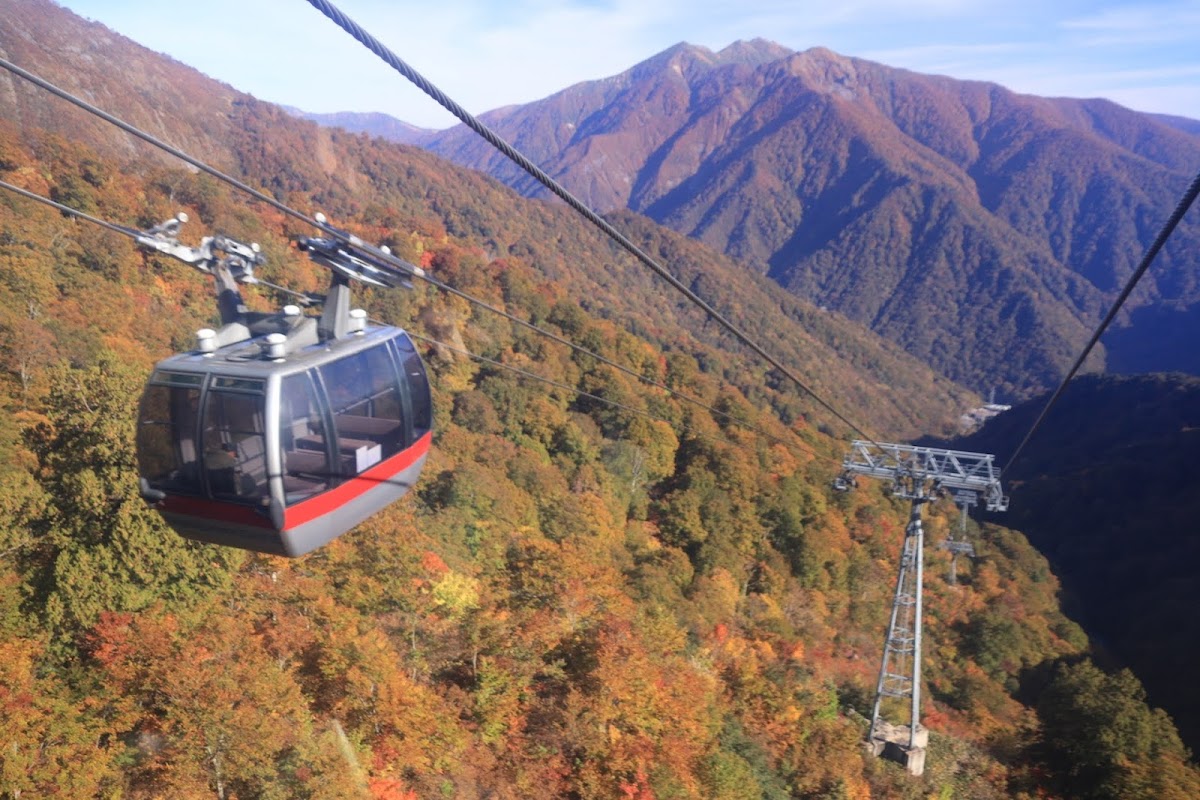
Marunuma Kogen, surrounded by mountains of 2,000 meters and above, is a resort where summer activities include alpine plant observation and trekking, while winter offers skiing. A ropeway takes visitors up to 2,000 meters elevation, serving as a starting point for climbing Nikko-Shirane Mountain.
The Four Seasons of Oze
Oze possesses different attractions in each of the four seasons.
Spring (Mid-May to June)
Oze’s short spring begins as snow melts. Skunk cabbage blooms spectacularly, with buttercup, Tateyama linden, and others blooming in succession. The contrast between remaining snow and fresh greenery is beautiful. However, mornings and evenings are cold, requiring cold-weather protection.
Summer (July to August)
Japanese false hellebore turns the wetland yellow at its peak. The season is visited by the most tourists, and boardwalks become crowded. On sunny days, sunlight is strong, making sun protection and heat stroke prevention important. Afternoon thunderstorms are common, so early morning departure is recommended.
Autumn (September to Early October)
Autumn grass coloring turns the wetland red and yellow, with surrounding mountains reaching their foliage peak. Clear air provides good visibility, making this an ideal season for photography. Mornings and evenings become quite cold, with frost possible, requiring warm clothing.
Winter (Mid-October to Early May)
General climbers cannot easily access the area during this season, but advanced snowshoe and backcountry skiers find it particularly appealing. However, severe weather conditions and avalanche risks exist, requiring substantial experience and equipment.
The Future of Oze and Gunma Prefecture
Oze National Park must be protected as a precious natural heritage of Japan for the future. Gunma Prefecture, in cooperation with the Ministry of Environment, other related prefectures, Katashina Village, and the Oze Protection Foundation, aims for sustainable management while balancing protection and use.
Recent issues include vegetation changes due to climate change, the impact on plants from increased Japanese deer populations, and environmental burden from over-tourism. Continuous scientific monitoring and appropriate measures are required to address these challenges.
Gunma Prefecture will continue to fulfill its responsibility of protecting Oze’s nature while providing opportunities for many people to experience its wonderfulness, spreading awareness of nature conservation and passing beautiful Oze on to the next generation.
When all those who visit Oze are conscious that they are part of this precious nature, follow proper etiquette, and act with respect for nature, Oze’s beautiful natural world will be carried forward into the future.