Inuyama Castle (Aichi Prefecture) Complete Guide | History, Highlights, and Access to the National Treasure Tenshu Thoroughly Explained
What is Inuyama Castle | Overview and Basic Information
Inuyama Castle (犬山城) is one of Japan’s most famous castles, located in Inuyama City, Aichi Prefecture. It is a hilltop-style castle built on a hill approximately 40 meters above sea level along the Kiso River, and is also known by the alternative name “Hakutei Castle.”
The tenshu is said to possess the oldest existing style in Japan and is designated as a National Treasure, making it one of only five castles nationwide with this distinction. According to tradition, it was constructed around the 6th year of Tenbun (1537) by Oda Nobuyasu, the uncle of Oda Nobunaga, and boasts a history spanning over 480 years.
Basic Information
Location: Inuyama City, Aichi Prefecture, Inuyama Kitakokensen 65-2
Castle Type: Hilltop-style castle
Tenshu Structure: Watchtower-style, three stories, four interior levels, two underground levels
Year of Construction: Approximately 6th year of Tenbun (1537)
Founder: Oda Nobuyasu
Notable Lords: Oda Clan, Ishikawa Clan, Naruse Clan
Cultural Heritage Designations:
- Tenshu: National Treasure (designated in 1952)
- Castle Site: National Historic Site (designated in 2006)
Operating Hours: 9:00 AM to 5:00 PM (last entry 4:30 PM)
Closed: December 29-31
Admission Fees:
- General and University Students: 550 yen
- Elementary and Junior High School Students: 110 yen
Location and Geographical Importance of Inuyama Castle
Inuyama Castle is located at the border between Owari Province (present-day Aichi Prefecture) and Mino Province (present-day Gifu Prefecture), constructed at a strategic location that utilized the Kiso River as a natural moat. Situated at the apex of the fan-shaped Nobi Plain, this location was a crucial point militarily, economically, and for transportation.
The Kiso River connected the Nakasendo and Kiso Kaido highways, making control of this river essential for dominating both Owari and Mino provinces. From the top floor of the tenshu, one can see the flow of the Kiso River, the expanse of the Nobi Plain, and in clear weather, even Mount Ontake and Gifu Castle in the distance, allowing visitors to appreciate its high strategic value.
History and Timeline of Inuyama Castle
Muromachi Period: From Construction to Warring States Turmoil
6th Year of Tenbun (1537): Oda Nobuyasu, uncle of Oda Nobunaga, is said to have renovated a fortress that previously existed at this location and constructed Inuyama Castle. However, there are various theories about the construction date, and another account suggests Oda Hiromitsu built it during the Eishō era (1504-1521).
7th Year of永禄 (1564): Oda Nobukiyo (Nobunaga’s cousin) became the castle lord but later came into conflict with Nobunaga and fled to Mino. Inuyama Castle came under Oda Nobunaga’s control.
10th Year of Tenshō (1582): After the Honnō-ji Incident, Nakagawa Sadanari, a retainer of Oda Nobutaka, became the castle lord.
12th Year of Tenshō (1584): During the Battle of Komaki-Nagakute, the castle served as a stronghold for the Toyotomi Hideyoshi faction, with Ikeda Tsuneoki and others in residence. During this battle, Inuyama Castle became a site of fierce combat.
Edo Period: The Naruse Family’s Governance
5th Year of Keichō (1600): After the Battle of Sekigahara, Ishikawa Mitsuyoshi became the castle lord.
3rd Year of Genna (1617): Naruse Masashige, a fudai daimyo (hereditary vassal) of the Owari Domain, became the castle lord, and the Naruse family served as lords for nine generations until the Meiji Restoration. During this period, the castle fortifications were improved, and the basic layout seen today was completed.
Mid-Edo Period: The castle town developed and thrived as a commercial and cultural center.
Meiji Period to the Present
1871 (Meiji 4): The castle became a ruin following the Haihan Chokurei (abolishment of the han system).
1891 (Meiji 24): The Nobi Earthquake damaged the tenshu and towers. As a condition for repairs, the castle was transferred to the Naruse family without compensation.
1935 (Showa 10): The tenshu was designated as a National Treasure under the Historic Sites Preservation Law of that era (old National Treasure designation).
1952 (Showa 27): The tenshu was redesignated as a National Treasure under the Cultural Properties Protection Law.
2004 (Heisei 16): The castle came under the ownership of the Public Interest Incorporated Foundation Inuyama Castle Hakutei Library, transitioning from private to public institutional ownership. It had been rare throughout Japan for a castle to remain privately owned.
2006 (Heisei 18): The entire castle site was designated as a National Historic Site.
Succession of Castle Lords
Throughout its approximately 480-year history, Inuyama Castle experienced frequent changes in castle lords. The principal lords are introduced here in chronological order.
Oda Clan Period
Oda Nobuyasu (from 6th Year of Tenbun): The founder. Uncle of Oda Nobunaga, he developed Inuyama Castle as a strategic stronghold.
Oda Nobukiyo (from 7th Year of Eiroku to 1st Year of Tenshō): Nobunaga’s cousin. Later came into conflict with Nobunaga and fled to Kai, seeking support from the Takeda clan.
Toyotomi Administration
Nakagawa Sadanari: Served as castle lord as a retainer of Oda Nobutaka.
Ikeda Tsuneoki and Mototasuke father and son: Entered the castle as a Toyotomi faction stronghold during the Battle of Komaki-Nagakute, where Mototasuke was killed in battle.
Edo Period: Ishikawa and Naruse Clans
Ishikawa Mitsuyoshi (from 5th Year of Keichō to 2nd Year of Genna): Appointed castle lord of Inuyama by Tokugawa Ieyasu following the Battle of Sekigahara.
Naruse Masashige (from 3rd Year of Genna to 10th Year of Kanei): Entered as a fudai daimyo of the Owari Domain. Subsequently, the Naruse family served as lords for nine generations.
Naruse Family Line of Castle Lords:
- Naruse Masashige
- Naruse Masatora
- Naruse Masachika
- Naruse Masayuki
- Naruse Masazumi
- Naruse Masatoshi
- Naruse Masanori
- Naruse Masazumi (8th generation)
- Naruse Masahide
Through the Edo period, the Naruse family’s tenure as castle lords ensured relatively stable governance and contributed to the development of the castle town.
Architectural Characteristics and Highlights of the Tenshu
The Oldest Existing Tenshu
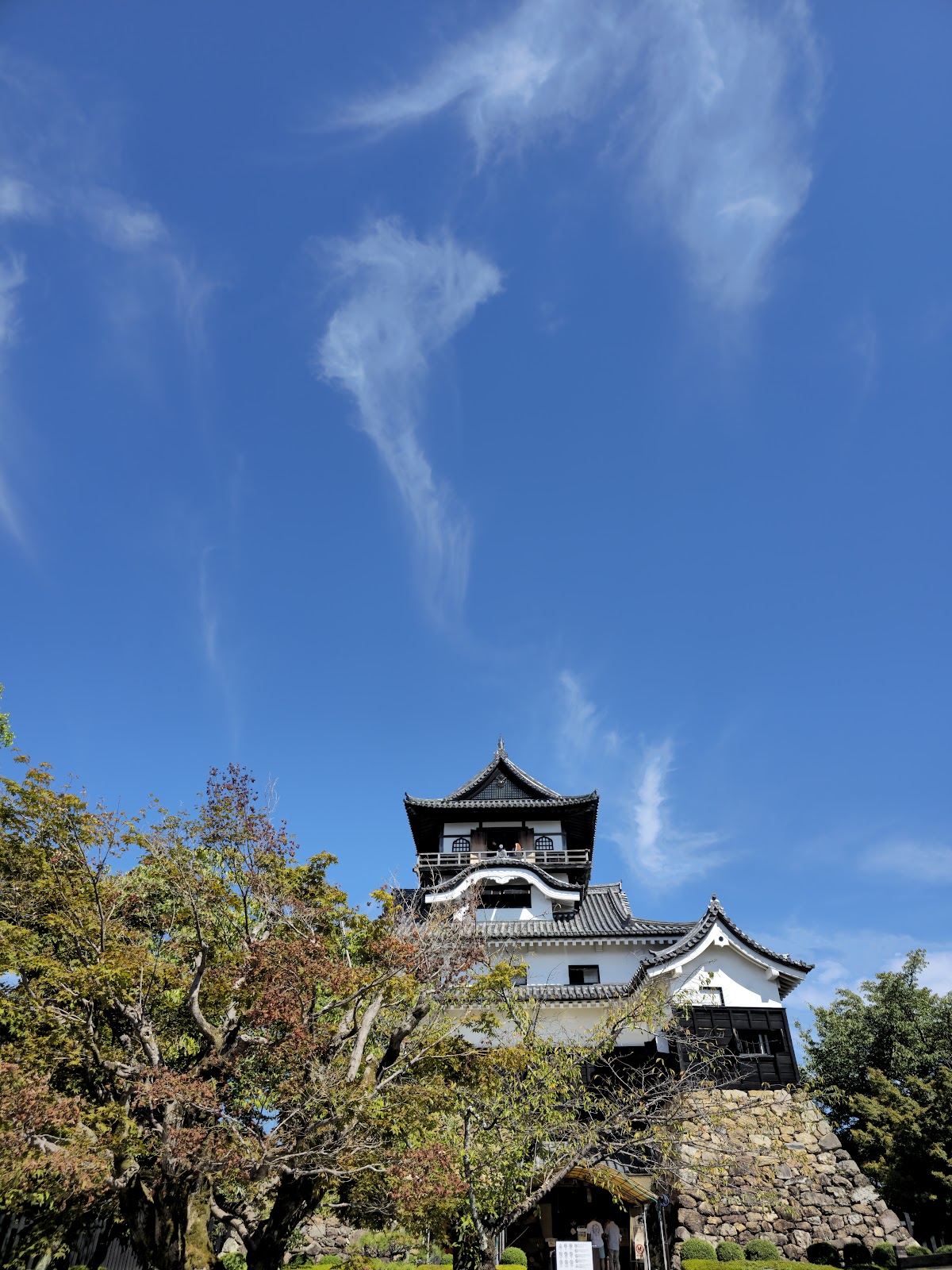
Inuyama Castle’s tenshu is said to possess the oldest architectural style among the “Twelve Existing Tenshu.” It exemplifies the watchtower-style tenshu with a structure of three exterior stories, four interior floors, and two underground levels. Although the exterior appears to be three stories, the interior consists of four floors, with the top floor featuring a mawariën (circumambulatory corridor) designed for viewing.
Regarding the construction date of the tenshu, various theories exist, but it is believed that the current tenshu is based on the structure from the 6th year of Tenbun (1537) and has been altered and expanded over time to reach its present form. In particular, the mawariën on the uppermost floor is thought to be a later addition.
Watchtower-Style Tenshu Structure
Inuyama Castle’s tenshu employs the watchtower-style, an older architectural form. The watchtower-style involves placing a watchtower (mitsuke-yagura) on top of an irimoya-zukuri building, differing from the later tower-style (tōgata) tenshu.
Underground Level: Embedded within the stone walls, used for storing military equipment and similar items.
First Floor: Space used as the lord’s quarters and storage.
Second Floor: Featured a samurai-passageway (musha-bashiri), where warriors would wait.
Third Floor: Called the “Hahuki no ma,” this was the interior space of the karahafu and irimoya-hafu.
Fourth Floor (Top Floor): Features the mawariën for viewing, structured to provide views in all directions. The panoramic view from here is spectacular, overlooking the Kiso River, the Nobi Plain, Mount Ontake, Gifu Castle, and the Nagoya skyline.
Architectural Style Features
Karahafu and Irimoya-hafu: The tenshu features karahafu on the south and north faces and irimoya-hafu on the east and west faces, creating an elegant exterior.
Mawariën: The circumambulatory corridor surrounding the top floor is believed to be a later addition but has become a defining feature of Inuyama Castle’s tenshu. The railings (takoran) are low, and for safety, mesh fencing is currently installed, though the open view remains unobstructed.
Ishiotoshi (Stone Drop): Stone-dropping openings are set at various points on the tenshu for defensive purposes.
Hazama (Openings): The walls feature rifle ports (tepposazama) and arrow slits (yajasama), designed with actual combat scenarios in mind.
Charm of Wooden Architecture
Inuyama Castle’s tenshu embodies the allure of wooden architecture. The pillars and beams utilize original timber, and the texture and color of aged wood convey the weight of history. The steep interior stairs (nearly ladder-like in angle) transmit the architectural style of the era, allowing visitors to physically experience the atmosphere of the Warring States period.
National Treasure Designation and Cultural Heritage Value
One of Five National Treasure Castles
Currently, only five castles nationwide have tenshu designated as National Treasures:
- Inuyama Castle (Aichi Prefecture)
- Matsumoto Castle (Nagano Prefecture)
- Himeji Castle (Hyogo Prefecture)
- Hikone Castle (Shiga Prefecture)
- Matsue Castle (Shimane Prefecture)
Among these, Inuyama Castle is said to possess the oldest architectural style and is of paramount importance in architectural history. It was designated as an old National Treasure in 1935 under the Historic Sites Preservation Law and was redesignated as a National Treasure in 1952 under the Cultural Properties Protection Law.
Twelve Existing Tenshu
Only twelve castles nationwide have tenshu that were built before or during the Edo period and survive to the present day. Inuyama Castle is one of these precious existing tenshu and, furthermore, possesses invaluable cultural heritage value through its National Treasure designation.
National Historic Site Designation
In 2006 (Heisei 18), not only the tenshu but the entire castle site was designated as a National Historic Site under the name “Inuyama Castle Site.” This designation protects the entire castle complex, including the tenshu, ensuring its preservation for future generations.
Remains and Cultural Properties of Inuyama Castle
Existing Structures
Tenshu: The existing tenshu designated as a National Treasure. A watchtower-style tenshu with three exterior stories, four interior floors, and two underground levels, conveying architectural styles from the Muromachi through early Edo periods.
Stone Walls: Stone walls, including those of the tenshu platform, remain in good condition. Techniques from the transition between rough-stone stacking and fitted-stone construction are observable, making them valuable material for understanding stone wall development.
Earthen Ramparts: Portions of earthen ramparts remain, evoking the castle’s former structure.
Moat Traces: Remnants of moats are partially identifiable.
Lost Structures
Due to the Meiji Restoration’s castle ruin decree and the Nobi Earthquake, numerous structures were lost:
Towers: Multiple towers besides the tenshu existed but do not survive.
Gates: Gates such as the Honmaru Gate and Kuromon Gate existed but are no longer present.
Mansion: A mansion existed in the inner citadel but was demolished during the Meiji period.
Inuyama Castle Hakutei Library
Until 2004, Inuyama Castle, privately owned by the Naruse family, is now owned and managed by the Public Interest Incorporated Foundation Inuyama Castle Hakutei Library. The library preserves valuable documents and cultural properties related to Inuyama Castle, playing an important role in castle historical research.
Inuyama Castle as a Tourism Facility
Appeal of Tenshu Viewing
The interior of Inuyama Castle’s tenshu is open to the public, allowing visitors to ascend to the top floor. Each floor features displays conveying the historical context of the castle, including replicas of military equipment and furnishings.
The greatest appeal is the panoramic view from the top floor’s mawariën. The majestic flow of the Kiso River, the expanse of the Nobi Plain, and on clear days, views extending to distant Mount Ontake, Gifu Castle, and Nagoya’s high-rise buildings comprise a truly magnificent 360-degree vista.
Castle Town Strolling
The charm of Inuyama Castle extends beyond the tenshu alone. The castle town preserves the atmosphere of the Edo period and has become a popular tourist destination as “Inuyama Castle Town.”
Honmachi Street: The main thoroughfare lined with old merchant houses, featuring food stalls and souvenir shops.
Donden Hall: A facility displaying the elaborate mechanical dolls of the festival floats from the Inuyama Festival.
Cultural History Museum: A facility introducing Inuyama’s history and culture.
Nearby Tourist Attractions
Kiso River Cormorant Fishing: During summer, cormorant fishing is performed on the Kiso River, where visitors can observe traditional fishing methods.
Japan Monkey Park: An amusement park near Inuyama Castle, popular with families.
Meiji Village Museum: An open-air museum preserving and relocating buildings from the Meiji period, located within Inuyama City.
Little World: An open-air ethnological museum themed on houses and lifestyles from around the world.
Yuraku-en Garden: A Japanese garden featuring the National Treasure tea room “Jouan.”
Access to Inuyama Castle
Access by Train
Using the Meitetsu Inuyama Line:
- From Meitetsu Nagoya Station to Meitetsu Inuyama Station in approximately 25 minutes (express train)
- From Inuyama Station, approximately 20 minutes on foot
- Alternatively, from Inuyama Yuuen Station, approximately 15 minutes on foot
Using the Meitetsu Kakamigahara Line:
- From Meitetsu Gifu Station to Inuyama Yuuen Station in approximately 30 minutes
- From Inuyama Yuuen Station, approximately 15 minutes on foot
Access by Car
From Nagoya:
- Approximately 25 minutes from Komaki IC on the Meishin Expressway via National Route 41
- Approximately 25 minutes from Komaki-Higashi IC on the Chuo Expressway
From Gifu:
- Approximately 20 minutes from Gifu-Kakamigahara IC on the Tokai-Hokuriku Expressway
Parking Lots:
- Inuyama Castle Parking Lot No. 1 (paid)
- Inuyama Castle Parking Lot No. 2 (paid)
- Multiple paid parking lots in the castle town area
Access by Bus
Community bus service to the Inuyama Castle and castle town area operates from Inuyama Station (service may be limited to weekends and holidays).
Precautions and Recommended Ways to Enjoy Your Visit
Precautions During Your Visit
Steep Stairs: The stairs within the tenshu are extremely steep, nearly ladder-like in angle. Skirts and heels should be avoided; comfortable clothing and footwear are recommended.
Peak Seasons: Cherry blossom season (late March to early April), Golden Week, and autumn foliage season (November) are particularly crowded. Visiting on weekdays or early in the morning is recommended.
Weather: On rainy days, access to the mawariën may be restricted. Visiting during fair weather is recommended.
Time Required: Approximately 30-40 minutes for tenshu viewing alone; plan 2-3 hours for viewing including castle town exploration.
Recommended Ways to Enjoy Your Visit
Early Morning Visit: Times immediately after opening are relatively uncrowded, allowing leisurely viewing.
Sunset Views: The sunset from the top floor is exceptional. While mindful of closing times, a sunset visit is highly recommended.
Castle Town as Part of the Experience: Combining tenshu viewing with castle town exploration allows a full day of enjoying Inuyama.
Seasonal Events: Each season—cherry blossoms, the Inuyama Festival (April), autumn foliage—offers unique attractions.
Views from the Opposite Bank: Viewing Inuyama Castle from the opposite bank of the Kiso River (Gifu Prefecture side) is also recommended, offering beautiful landscape photography of the river and castle.
Inuyama Castle Through the Seasons
Spring: Cherry Blossoms and the Inuyama Festival
From late March to early April, approximately 400 cherry trees bloom around Inuyama Castle. The contrast between the tenshu and the blossoms is spectacular, attracting numerous visitors.
The “Inuyama Festival” is held on the first Saturday and Sunday of April. Designated as a National Important Intangible Folk Cultural Property, this festival features thirteen elaborate festival floats with mechanical dolls parading through the castle town. At night, each float is illuminated by 365 lanterns, creating a fantastical atmosphere.
Summer: Fresh Greenery and Cormorant Fishing
Early summer’s fresh greenery surrounding Inuyama Castle presents beautiful scenery. From June through October, cormorant fishing is performed on the Kiso River, where visitors can observe traditional fishing methods. Evening cormorant fishing offers the opportunity to view the illuminated Inuyama Castle from the river, creating a magical atmosphere different from daytime views.
Autumn: Foliage Season
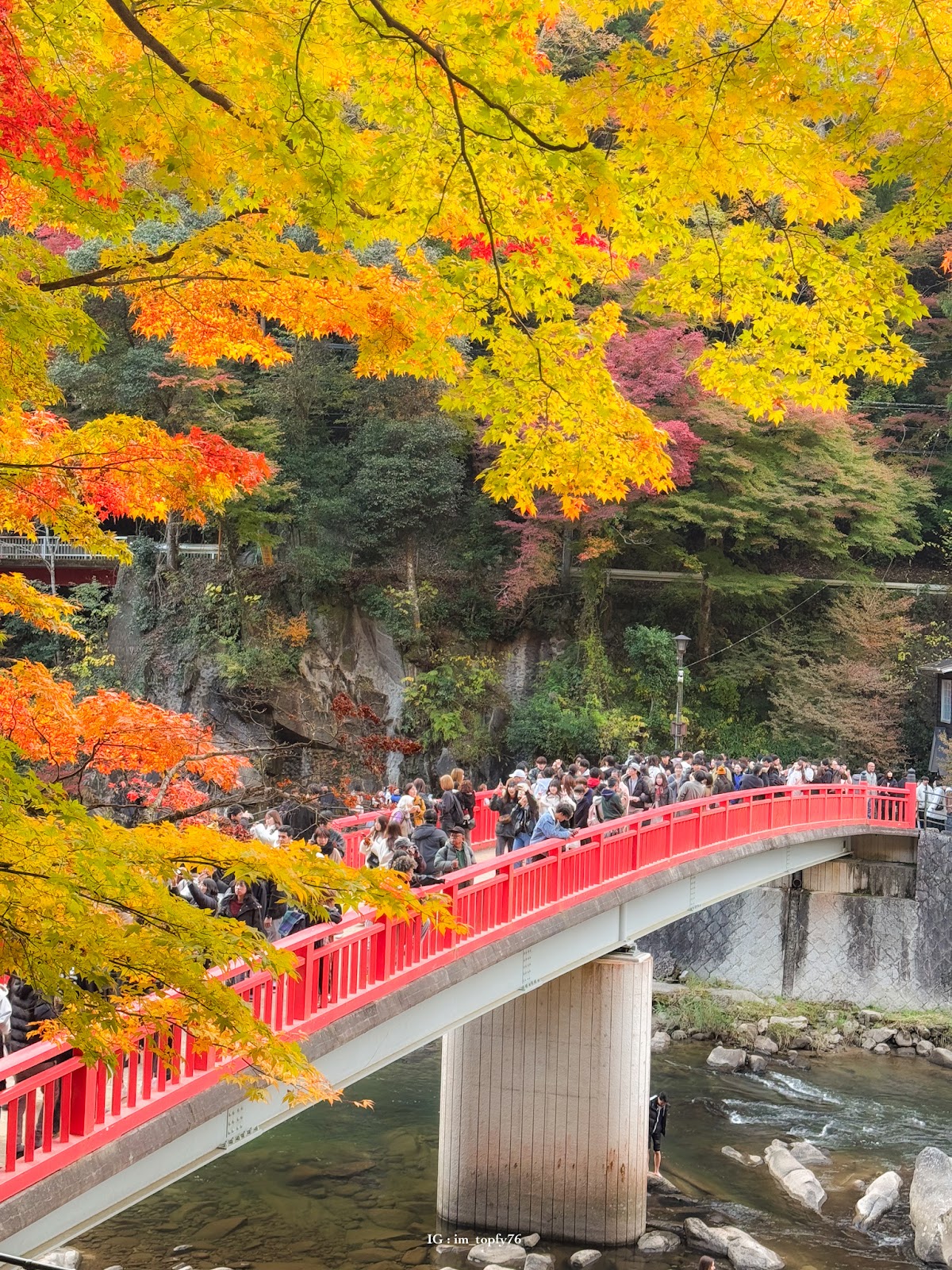
November brings autumn colors to trees around the castle, offering beautiful contrast between the tenshu and foliage. The view from the top floor is particularly lovely, with the Nobi Plain painted in autumn hues visible in full panorama.
Winter: Snow-Covered Inuyama Castle
On snowy days, Inuyama Castle presents an appearance reminiscent of ink wash painting. The snow-covered tenshu viewed from the opposite bank of the Kiso River is particularly striking. Winter offers relatively fewer tourists, allowing quieter viewing.
Photography Spots at Inuyama Castle
Recommended Photography Points
Opposite Bank of the Kiso River (Gifu Prefecture side): A classic spot capturing both river and castle together. Sunset photography is particularly recommended.
Approach from Harizuna Shrine: The view of the tenshu glimpsed through trees along the shrine approach is beautiful and popular among photographers.
From the Inner Citadel: Stone walls and tenshu can be photographed together.
From the Castle Town: Photographing the tenshu beyond the town buildings conveys the atmosphere of the castle town.
From the Top Floor of the Tenshu: The 360-degree views allow for stunning landscape photography.
Conclusion: The Appeal of Inuyama Castle
Inuyama Castle, a National Treasure located in Inuyama City, Aichi Prefecture, is a representative castle of Japan featuring the oldest existing architectural style of a tenshu. Since its construction in the 6th year of Tenbun (1537), it has stood for approximately 480 years on the banks of the Kiso River, watching over the border between Owari and Mino provinces.
One of five castles with National Treasure tenshu designations and possessing the oldest architectural style among the twelve existing tenshu, Inuyama Castle holds paramount importance in architectural history. Its watchtower-style tenshu, with three exterior stories, four interior levels, and two underground levels, offers spectacular 360-degree views from the top floor’s mawariën, encompassing the Kiso River, the Nobi Plain, Mount Ontake, and Gifu Castle.
The history of successive lords—the Oda, Ishikawa, and Naruse clans—the castle’s role in turbulent Warring States warfare including the Battle of Komaki-Nagakute, and the unique fact that it remained under private ownership until 2004, a rarity nationwide, all contribute to Inuyama Castle’s richness of charm and narrative.
With the possibility of enjoying not just tenshu viewing but also castle town exploration, cormorant fishing on the Kiso River, and nearby attractions, Inuyama Castle offers a full day of exploration. Its accessibility from Nagoya by train in approximately 25 minutes adds further appeal.
Why not visit Inuyama Castle, the very origin of Japanese castle architecture, and experience its history and beauty firsthand? The National Treasure tenshu, displaying different faces through the changing seasons, surely welcomes all visitors warmly.