Iwao Nupuri Hokkaido | Complete Guide to Mountaineering, Autumn Leaves & Hot Springs 2025
About Iwao Nupuri
Iwao Nupuri is an active volcano with an elevation of 1,116m spanning Kutchan Town in Abuta District and Rankoshi Town in Isoya District, Hokkaido. Located in the eastern mountain range of the Niseko mountain chain, it falls within the Niseko-Shakotan-Otaru Kaigan Quasi-National Park. The mountain name derives from the Ainu language “Iwaw-nupuri (iwaw-nupuri),” meaning “sulfur mountain.” Also called “Sulfur Mountain” by another name, the mountain’s surface characteristically displays sulfur crystals and volcanic debris.
It is the youngest volcano in the Niseko mountain chain, with records of fumarolic activity at the summit in the late Edo period and early 20th century. Today, traces of volcanic activity can be observed throughout the mountain, and two horseshoe-shaped craters exist at the summit. Fumaroles are also visible from the climbing trail, making this truly a “living volcano” where you can feel its breath.
Geographical Characteristics of Iwao Nupuri
Iwao Nupuri is one of the principal mountains in the Niseko mountain chain, alongside Niseko Annupuri (1,308m) and Nito Nupuri (1,080m). Compared to other Niseko mountains, it has more exposed earth and limited vegetation, presenting a distinctive barren landscape. This characteristic makes it easily identifiable from a distance and serves as a landmark for the Niseko area.
From the summit, a 360-degree panoramic view spreads out, where you can see Yotei Mountain, Niseko Annupuri, and the Japan Sea. Weather permitting, distant views of the Shakotan Peninsula and Lake Toya are also possible—a spectacular viewing spot.
Iwao Nupuri Mountaineering Information
Climbing Difficulty and Required Time
Iwao Nupuri is popular as a beginner-friendly mountaineering spot. The climbing difficulty level is 27 (beginner), with an average gradient of 4.8 degrees and gentle slopes. Standard mountaineering data is as follows:
- Walking time: Round trip approximately 1 hour 40 minutes to 2 hours
- Walking distance: Approximately 5km
- Cumulative elevation gain: Approximately 380m
- Calories burned: Approximately 372kcal
- Water required: Approximately 0.5 liters
From the Goshiki Hot Spring trailhead, you can reach the summit in about one hour, allowing you to enjoy mountaineering in a half day. Recommended for those without great confidence in physical fitness, mountaineering beginners, and families.
Primary Climbing Routes
The most common route is from the Goshiki Hot Spring trailhead. Park your car at the Goshiki Hot Spring inn’s parking lot and enter the climbing trail from there. The trail is relatively well-maintained with trail markers, so you’re unlikely to get lost.
The first half of the trail passes through forest, but views gradually open up. From midway, volcanic desolation spreads, and the smell of sulfur begins to drift. The latter half involves climbing sandy debris slopes, so caution is needed as footing is slippery.
Before the summit, you walk along the edges of two craters. Summit markers are placed on the edges of both craters (around 1,110m elevation). The views from the summit are magnificent and worth the climb.
Optimal Climbing Season
The optimal climbing season for Iwao Nupuri is June through mid-October. The following periods are particularly recommended:
- June-July: The season when alpine plants bloom in profusion. Chinguruma, Ezo azalea, Iwa-bukuro, and diverse flowers color the trail. Flower fields are particularly beautiful, making this peak season for plant enthusiasts.
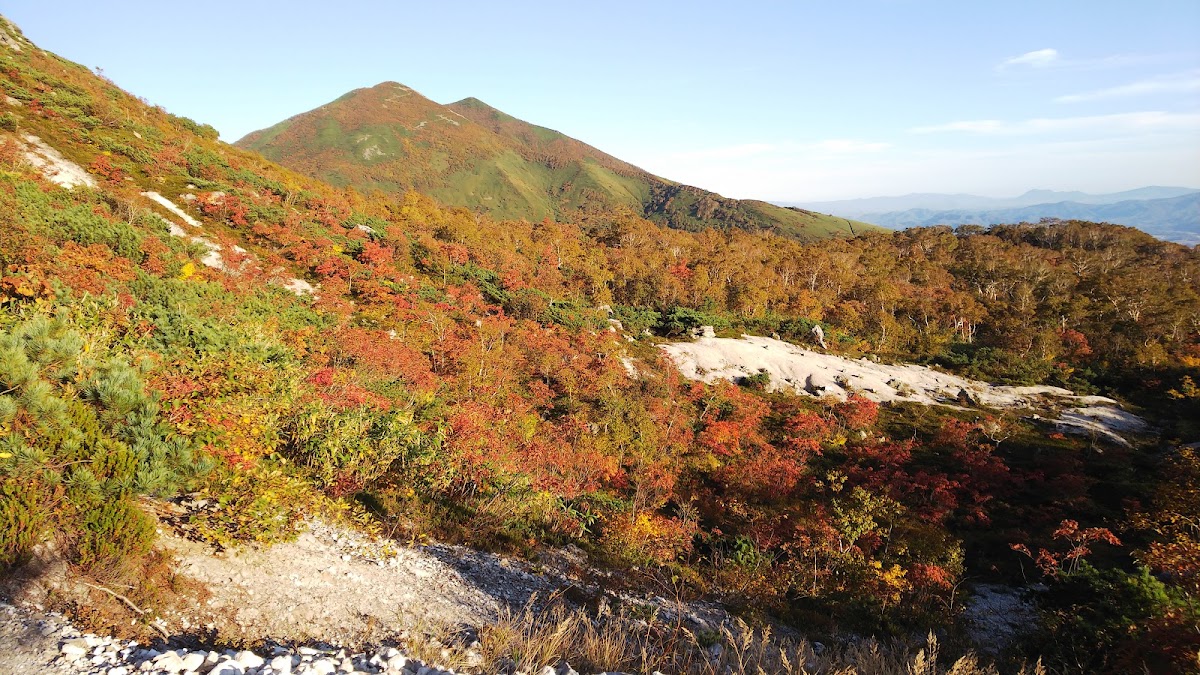
- Late September-Mid-October: Peak autumn foliage season. From foothills to summit, nanakamado and dake birch turn red and golden yellow, creating striking contrast with the volcano’s gray earth.
- July-August: Summer mountain season with stable weather. However, temperatures rise even in Hokkaido, requiring heat stroke precautions.
Winter climbing with backcountry skiing or snowshoes is possible with snow cover, but winter mountaineering equipment and experience are necessary.
Precautions During Climbing
Since Iwao Nupuri is an active volcano, always check volcanic activity status before climbing. Verify the latest information on the Japan Meteorological Agency’s volcano information website or local tourism association websites.
Additionally, attention is needed for:
- Sudden weather changes: Mountain weather changes rapidly, so rain gear is essential. Wind is often strong near the summit, so don’t forget windproof measures.
- Slippery footing: Volcanic debris and sandy slopes are slippery, so wear climbing boots with good grip.
- Fumarole areas: High-temperature steam is released from fumaroles, so avoid approaching too closely.
- Mobile phone coverage: Signal may be weak near the summit. Inform family or friends of your climbing plan in advance.
Autumn Foliage Information for Iwao Nupuri
Optimal Foliage Viewing Period
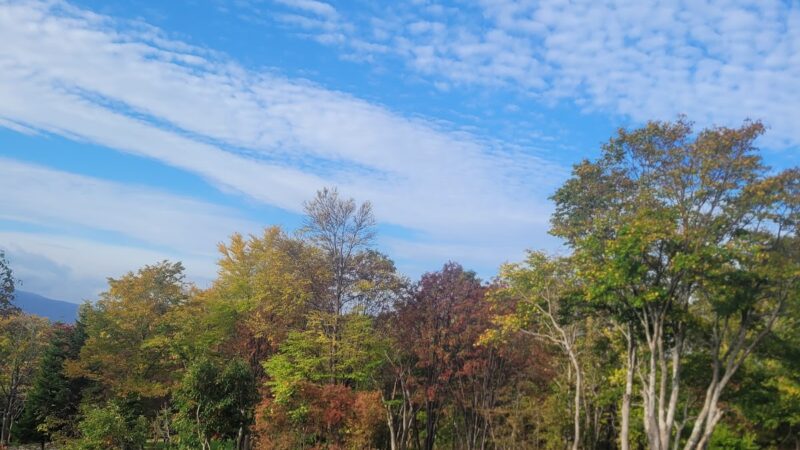
Iwao Nupuri’s autumn foliage typically peaks from late September through mid-October. Due to elevation differences, the foliage begins with the summit area and gradually spreads, reaching mid-elevation by early October.
Foliage peak timing varies slightly by year, but generally follows this schedule:
- Late September: Summit area begins to color
- Early October: Mid-elevation at peak, most beautiful overall period
- Mid-October: Foothills at peak, leaves begin falling
For 2025 foliage forecasts, check the latest information before visiting as weather conditions cause variations.
Foliage Characteristics and Highlights
Iwao Nupuri’s autumn foliage is characterized by vivid colors described as “burning” at the foothills. The brilliant red nanakamado leaves, golden dake birch, and volcanic gray and brown earth create contrasts not seen on other mountains—unique beauty.
Particularly noteworthy viewing spots include:
- Trail mid-elevation views: Contrasting colored forest with barren volcanic topography
- Summit panorama: Sweeping views of surrounding mountains and foliage across plains
- Goshiki Hot Spring area: Beautifully colored surroundings, ideal for pre or post-hike walks
During foliage season, climber numbers increase, so early morning departures are recommended. Foliage bathed in morning sun is even more beautiful, and crowds are avoided.
Foliage Photography Tips
For photography enthusiasts, Iwao Nupuri’s autumn foliage makes an excellent subject. Photography tips include:
- Favorable light timing: Morning climbs with backlighting are recommended
- Wide-angle lens: Effective for capturing the whole mountain’s foliage
- Telephoto lens: Useful for isolating surrounding mountain foliage from summit
- Tripod: Essential on windy days; lightweight but stable tripods are convenient
Hot Spring Information Around Iwao Nupuri
One charm of Iwao Nupuri mountaineering is the abundant hot springs to enjoy after descent. The Niseko area is one of Hokkaido’s premier hot spring regions, with numerous facilities within a 10km radius of Iwao Nupuri.
Niseko Goshiki Hot Spring Inn
The closest hot spring to the Iwao Nupuri trailhead is Niseko Goshiki Hot Spring Inn. Located at approximately 750m elevation, within walking distance of the trailhead, it is most popular with climbers.
- Spring quality: Sulfur-containing sodium-calcium chloride and sulfate spring
- Characteristics: Milky white sulfur spring, source hot spring
- Business: Day-visit bathing available (confirm hours)
- Access: About 5-minute walk from Iwao Nupuri trailhead
Goshiki’s water perfectly soothes tired climbing muscles. The outdoor bath offers views of surrounding mountains, providing scenic autumn foliage views in season.
Niseko Annupuri Hot Spring Yu-shin-tei
Located at the foot of Niseko Annupuri, Yu-shin-tei appeals with quality hot springs and excellent facilities.
- Spring quality: Sodium-bicarbonate, sulfate, and chloride spring
- Characteristics: Known as “beauty water” for its skin-beneficial properties
- Facilities: Large bath, outdoor bath, sauna complete
- Access: About 15 minutes by car from Iwao Nupuri
Day-visit bathing is possible, with an attached restaurant for combining post-hike meals and bathing.
Yuki Chichigi Exchange Promotion Center
A public hot spring beloved by locals is Yuki Chichigi.
- Spring quality: Sodium-chloride and bicarbonate spring
- Characteristics: Reasonable pricing
- Facilities: Indoor bath, outdoor bath, rest area
- Access: About 10 minutes by car from Niseko town center
Both tourists and locals use it, creating a homey atmosphere. Affordable pricing makes casual visits convenient.
Niseko Konbu Hot Spring Hotel Kanro no Mori
For those seeking upscale hot spring resort experiences, Hotel Kanro no Mori is recommended.
- Spring quality: Sodium-chloride and bicarbonate spring
- Characteristics: Large outdoor bath and varied tubs
- Facilities: Multiple baths, sauna, rock bath, restaurant
- Access: About 20 minutes by car from Iwao Nupuri
Day-visit bathing plans are well-developed, ideal for leisurely enjoying hot springs all day.
Shun no Yado Niseko Grand Hotel
Popular historic Niseko establishment Niseko Grand Hotel is also favored.
- Spring quality: Sodium-bicarbonate, sulfate, and chloride spring
- Characteristics: Three springs offering varied spring qualities
- Facilities: Large bath, outdoor bath, garden bath
- Access: About 5 minutes by car from Niseko Station
Day-visit bathing is available with meal plan options.
Rankoshi Kogane Hot Spring
A hidden gem hot spring is Kogane Hot Spring.
- Spring quality: Sodium-chloride spring
- Characteristics: Local-centered public hot spring
- Facilities: Simple indoor and outdoor baths
- Access: About 10 minutes by car from Rankoshi town center
Its appeal lies in unspoiled, simple atmosphere with very reasonable pricing.
Autumn Foliage Spots Around Iwao Nupuri
Several beautiful foliage spots dot the Iwao Nupuri area.
Niseko Annupuri Foliage
The main Niseko peak Niseko Annupuri (1,308m) is also famous for foliage. With greater elevation, foliage begins earlier, coloring from mid-September.
The gondola reaches the 5th station, allowing foliage enjoyment without mountaineering. Those with confidence can traverse both Iwao Nupuri and Niseko Annupuri, enjoying both mountains’ foliage simultaneously.
Kagami Pond Foliage
Kagami Pond near Senjin Swamp is famous for foliage reflected in water.
- Peak viewing: Late September-early October
- Characteristics: Inverted foliage mirrored on still water
- Access: About 20-minute walk from parking
Well-maintained boardwalks allow easy walks. Camera enthusiasts favor this spot where early morning calm creates mirror-like reflections.
Senjin Pond
Senjin Pond, a representative Niseko scenic spot, is also foliage famous.
- Peak viewing: Late September-early October
- Characteristics: Wetland and pond perimeter coloring
- Access: About 15-minute walk from parking
High-altitude wetland vegetation creates unique foliage scenery. Barrier-free boardwalks allow everyone to enjoy it.
Access Information
Public Transportation Access
Public transportation options for reaching Iwao Nupuri include:
JR Routes
- Get off at “Niseko Station” on JR Hakodate Main Line → Approximately 40 minutes by Niseko Bus
- Get off at “Kutchan Station” on JR Hakodate Main Line → Approximately 26 minutes by Niseko Bus
Bus frequency is limited, so advance timetable confirmation is essential. Temporary services may run during foliage season and summer.
Private Vehicle Access
Private vehicles are most convenient:
From Sapporo area
- Approximately 2 hours 30 minutes via National Route 230
- Via Nakayama Pass to Shimizu and Kutchan
From New Chitose Airport
- Approximately 2.5 to 3 hours
- High-speed highway use reduces time
From Hakodate area
- Approximately 3 hours 30 minutes
- Via National Route 5
Goshiki Hot Spring has free parking for approximately 30 cars. Weekend parking fills during foliage season, so early arrival is recommended.
Rental Car Information
Convenient given limited public transit, rental cars are widely available at New Chitose Airport and in Sapporo. Book early for foliage season when demand peaks.
For winter visits, select vehicles with studless tires.
Sightseeing Spots Around Iwao Nupuri
Yotei Mountain
Yotei Mountain (1,898m), called “Ezo Fuji,” is the Niseko area’s symbol. Beautiful views of it appear from Iwao Nupuri. Mountaineering and scenic viewpoints offer spectacular views, with Masturi Village views being particularly famous.
Niseko Village
Winter ski resort and summer activity hub Niseko Village offers gondolas, zip lines, and mountain biking. Well-stocked restaurants and shops appeal to families.
Michi-no-Eki Niseko View Plaza
Fresh local produce and specialty goods fill Michi-no-Eki Niseko View Plaza. High-quality Niseko vegetables, especially potatoes and asparagus, are popular. Tourist information is available, making this an essential stop.
O-yu Swamp
O-yu Swamp in Rankoshi is a crater lake with approximately 1km perimeter and 40-50 degree water temperature. Mysterious steam rises from the surface. Maintained walking trails allow easy exploration.
Niseko Area Gourmet Information
Local Ingredient Cuisine
Niseko is Hokkaido’s premier agricultural region. Notable ingredients include:
- Niseko potatoes: Characterized by fluffy texture
- Asparagus: Thick with natural sweetness
- Corn: High sugar content, edible raw
- Niseko milk: Rich and creamy
Numerous restaurants serve cuisine using these ingredients.
Recommended Restaurants
Niseko Takahashi Ranch: Self-made cheese and soft serve are popular. The restaurant offers Italian using local ingredients.
Niseko Pizza: Stone oven baked authentic pizza is renowned. Abundant local vegetable menu options.
Soba Place Rakuichi: Premium shop using Niseko soba flour hand-pulled noodles. Tempura is outstanding.
Equipment and Etiquette for Iwao Nupuri Mountaineering
Required Equipment
Though beginner-friendly, basic mountaineering equipment is necessary:
Essential equipment
- Climbing boots (trekking shoes acceptable)
- Rain wear (separate top and bottom)
- Insulating wear (fleece or down)
- Hat, gloves
- Backpack (20-30L)
- Water (500ml-1L)
- Trail snacks
- Map, compass (or GPS app)
- First aid kit
Convenient equipment
- Trekking poles
- Sunglasses
- Sunscreen
- Camera
- Binoculars
Mountaineering Etiquette
- Always take out trash: Nature conservation demands trash removal
- Stay on marked trails: High alpine plant protection requires staying on designated routes
- Uphill hikers have priority: Narrow sections prioritize climbers
- Avoid loud voices: Consideration for wildlife and other hikers
- Smoke only in designated areas: Forest fire prevention
Recommended Visit Plans
Day Trip Plan
Morning
- 7:00am Depart Goshiki Hot Spring trailhead
- 8:00am Arrive Iwao Nupuri summit
- 8:30am Begin descent
- 9:30am Arrive at trailhead
- 10:00am Bathe at Goshiki Hot Spring
Afternoon
- 12:00pm Lunch in Niseko town
- 2:00pm Shop at Michi-no-Eki Niseko View Plaza
- 3:00pm Head home
1 Night 2 Day Plan
Day 1
- Afternoon arrival, check into hot spring inn
- Nearby exploration, visit Senjin Pond and Kagami Pond
- Enjoy hot springs and local cuisine
Day 2
- Early morning Iwao Nupuri climbing
- Post-hike hot spring bath
- Lunch then return home while sightseeing
Conclusion
Iwao Nupuri is a representative Niseko area mountain with compelling appeal. While beginner-accessible, it offers dramatic active volcano scenery, beautiful alpine plants, and stunning autumn foliage. Post-hike hot springs soothe fatigue, and fresh local cuisine delights the palate—major attractions.
Climbing season is June through October, with early summer wildflowers and autumn foliage highly recommended. Public transportation access is somewhat inconvenient, but rental cars enable efficient touring of surrounding attractions.
Confirm weather and volcanic activity beforehand, prepare suitable equipment, and safely enjoy Iwao Nupuri’s nature. The spectacular vistas Hokkaido’s grand landscape creates surely await you.