Meiji Shrine Outer Gardens Tokyo: Complete Guide to History, Access, and Facilities 2025
Located in Kasumigaoka-cho, Shinjuku Ward, Tokyo, the Meiji Shrine Outer Gardens is an urban space where history and culture converge, created to perpetuate the virtues of Emperor Meiji and Empress Shoken for future generations. Completed in Taisho 15 (1926), this facility, with approximately 100 years of history, continues to be cherished by many as one of Tokyo’s representative tourist destinations and sports centers.
History and Formation of the Meiji Shrine Outer Gardens
The Meiji Shrine Outer Gardens are the result of a grand national project undertaken to perpetuate the virtues of Emperor Meiji and Empress Shoken for future generations. Created with the participation of private volunteers, it was dedicated as the outer gardens of Meiji Shrine in 1926.
Differences Between Inner and Outer Gardens
The Meiji Shrine has both “inner” and “outer” gardens, each with distinct characteristics. While the inner gardens feature a serene, Japanese-style forest space, the outer gardens are characterized by an open Western-style design. On the vast grounds of a former military parade ground, facilities such as the Shokutoku Memorial Picture Gallery and Meiji Shrine Baseball Stadium (Jingu Stadium) were established.
Formation Through National Participation
Many of the trees in the outer gardens were planted through donations of trees and funds from across the nation. Furthermore, the area was developed through volunteer labor by the nation’s people, making it truly a cultural heritage created by the nation as a whole. This spirit has been carried forward to the present day, with the outer gardens continuing to serve as a place for promoting public health and as a center for cultural dissemination.
Access to Meiji Shrine Outer Gardens
Located at 1-1 Kasumigaoka-cho, Shinjuku Ward, Tokyo, the Meiji Shrine Outer Gardens are conveniently accessible from multiple transit lines.
Access by Train
JR Lines
- JR Chuo/Sobu Line “Shinanomachi Station” – approximately 5 minutes walk
- JR Sobu Line “Sendagaya Station” – approximately 5 minutes walk
Tokyo Metro
- Ginza Line “Gaien-mae Station” – approximately 3 minutes walk (closest to the ginkgo avenue)
- Ginza Line/Hanzomon Line “Aoyama-itchome Station” – approximately 5 minutes walk
Toei Subway
- Oedo Line “National Stadium Station” – approximately 5 minutes walk
- Oedo Line “Aoyama-itchome Station” – approximately 5 minutes walk
Nearest Stations by Destination
- Ginkgo Avenue/Shokutoku Memorial Picture Gallery: Tokyo Metro Ginza Line “Gaien-mae Station” is most convenient
- Meiji Shrine Baseball Stadium: JR “Shinanomachi Station” or Tokyo Metro “Gaien-mae Station”
- National Stadium: Toei Oedo Line “National Stadium Station”
- Chichibunomiya Rugby Stadium: JR “Shinanomachi Station”
The Oedo Line offers particularly good access and is convenient for travel from major areas such as Shibuya, Shinjuku, and Roppongi.
Shokutoku Memorial Picture Gallery: Symbol of Meiji Shrine Outer Gardens
The Shokutoku Memorial Picture Gallery is located at the center of the Meiji Shrine Outer Gardens and is a nationally designated Important Cultural Property. It displays 80 murals conveying the deeds of Emperor Meiji and Empress Shoken during their lifetimes, and is a valuable facility where one can visually learn about the history of the Meiji period.
Architectural Characteristics
The approximately 300-meter ginkgo avenue extending from the outer gardens entrance to the Shokutoku Memorial Picture Gallery is cherished as one of Tokyo’s representative landscapes. The Picture Gallery’s substantial Western-style architecture incorporates elements of Japanese tradition, making it a structure that symbolizes the civilization and enlightenment of the Meiji era.
Preservation and Restoration Work
Important Notice: From March 1, Reiwa 7 (2025) to May 31, Reiwa 9 (2027), the Shokutoku Memorial Picture Gallery will be closed for preservation and restoration work. Those planning a visit are asked to either avoid this period or note that only external viewing will be available.
Ginkgo Avenue Adorned with Four Seasons
The ginkgo avenue of the Meiji Shrine Outer Gardens is one of Tokyo’s most famous tree-lined streets. The approximately 300-meter path extending from Aoyama Avenue to the Shokutoku Memorial Picture Gallery is cherished by many throughout the four seasons.
Autumn’s Golden Tunnel
In autumn, the ginkgo leaves turn golden yellow, creating a fantastical tunnel. The path carpeted with fallen leaves resembles a golden carpet, attracting many tourists and photography enthusiasts. The season typically peaks from mid-November to early December, with particularly crowded conditions during this time.
Charm of Each Season
- Spring: Beautiful green tunnel of fresh foliage
- Summer: Cool shaded walking path
- Autumn: Golden spectacle
- Winter: Night-up lighting and Christmas market events
In recent years, night-up events and Christmas markets have also been held, allowing visitors to enjoy different expressions of the avenue depending on the season.
Abundant Sports Facilities
The Meiji Shrine Outer Gardens are also a premier sports hub representing Tokyo. A wide range of facilities are available, from professional sports to general use.
Meiji Shrine Baseball Stadium (Jingu Stadium)
Known as the home stadium of the Tokyo Yakult Swallows, Meiji Shrine Baseball Stadium is one of the sacred grounds for professional baseball fans. University baseball games are frequently held here, with the spring and fall seasons of the Tokyo Big Six University Baseball League attracting many spectators.
The stadium also features a batting center that is popular as an experiential facility where visitors can compete against virtual images of popular professional baseball players.
Other Sports Facilities
- Tennis Courts: Outdoor courts available for general use
- Batting Dome: Indoor practice facility
- Ice Skating Rink: Available year-round
- Golf Practice Range: Casual golf practice in the city center
- Futsal Court: Ideal for small-group sports
Large Sports Facilities in the Surrounding Area
Near the Meiji Shrine Outer Gardens, there are also the National Stadium and Chichibunomiya Rugby Stadium. On days when international competitions or professional sports events are held, the entire area becomes vibrant. The New National Stadium, which served as the main venue for the 2020 Tokyo Olympic and Paralympic Games, is also within walking distance, making this an area where sports fans can enjoy themselves all day long.
Seasonal Events and Ways to Enjoy
Various events are held at the Meiji Shrine Outer Gardens throughout the year.
Spring Events
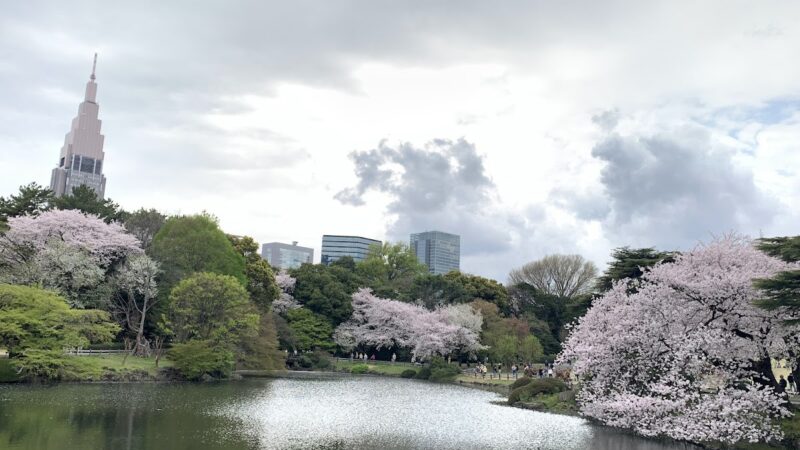
Spring brings the cherry blossom and flower viewing season. Multiple cherry trees are located within the outer gardens, making it a popular flower-viewing spot. Additionally, the barbecue and beer garden that opens from spring is scheduled to continue in 2026, offering comfortable outdoor dining.
Autumn Foliage Season
The autumn ginkgo avenue is the highlight of the Meiji Shrine Outer Gardens. The “Jingu Gaien Ginkgo Festival” is held annually, with gourmet booths, merchandise vendors, and stage events creating a bustling atmosphere. It is recommended to check tomorrow’s weather forecast and visit in comfortable clothing.
Winter Illuminations
During the Christmas season, night-up lighting of the ginkgo avenue and Christmas markets are held. European-style stalls line the avenue, where visitors can enjoy hot wine and gourmet food while experiencing a magical atmosphere.
Sightseeing Combinations with Surrounding Areas
The Meiji Shrine Outer Gardens have good access to Tokyo’s major tourist areas and are ideal for combination sightseeing.
Aoyama and Omotesando Area
The Aoyama and Omotesando area, within walking distance from Gaien-mae Station, is known as a fashion and gourmet district. A standard route is to stroll through the Meiji Shrine Outer Gardens and then enjoy shopping and café hopping along Omotesando.
Harajuku and Shibuya Directions
Harajuku and Shibuya are only a few minutes away by train. By combining these areas—Harajuku as a center of youth culture and Shibuya as an entertainment hub—one can experience Tokyo’s diverse attractions in a single day.
Shinjuku and Yoyogi Area
From the Meiji Shrine Outer Gardens, located in Shinjuku Ward, access to Shinjuku’s bustling entertainment district and Yoyogi Park is easy. A popular course includes visiting both the inner gardens (Yoyogi) and outer gardens of Meiji Shrine in a single day.
Access to the City Center
The city center areas including Ginza, Nihonbashi, Akihabara, Tsukiji, Kanda, Jimbocho, Akasaka, Shinbashi, and Hamamatsucho are all accessible by subway within 30 minutes. It is also easy to combine with major Tokyo tourist destinations such as Asakusa, Toyosu, Odaiba, Shinagawa, and Roppongi.
Overview of Meiji Shrine Outer Gardens Facilities
Basic Information
- Location: 1-1 Kasumigaoka-cho, Shinjuku Ward, Tokyo 160-0013
- Phone: 03-3401-0312
- Hours: Varies by facility (most outdoor areas are open at all times)
- Admission: Walking through the outer gardens is free (separate fees apply for each facility)
List of Major Facilities
- Shokutoku Memorial Picture Gallery (closed March 2025 – May 2027)
- Meiji Shrine Baseball Stadium
- Chichibunomiya Rugby Stadium
- National Stadium (adjacent)
- Tennis Courts
- Ice Skating Rink
- Golf Practice Range
- Batting Dome
- Ginkgo Avenue
Tips and Advice for Your Visit
Best Season
While the Meiji Shrine Outer Gardens are attractive throughout the year, recommended periods include:
- Mid-November to early December: Peak season for ginkgo foliage
- Late March to early April: Cherry blossom season
- Spring and autumn weekends: Many sports events with lively atmosphere
Tips to Avoid Crowds
- Weekday mornings: Fewer tourists, allowing for a leisurely stroll
- Avoid sports event days: Particularly crowded on baseball and rugby game days
- Early morning visits during foliage season: Recommended for photography
Clothing and Belongings
- Comfortable walking shoes: Essential for walking the vast grounds
- Seasonal appropriate clothing: Sun protection in summer, warm clothing in winter
- Camera: Ginkgo avenue and picture gallery are great photo spots
- Drinking water: Remember to stay hydrated, especially in summer
Dining Information
Cafés and restaurants are scattered around the outer gardens area. There are particularly many stylish dining spots in the Aoyama and Omotesando direction. Food stalls and food trucks often set up during events, offering comfortable outdoor dining options.
Redevelopment Plans for Meiji Shrine Outer Gardens
Large-scale redevelopment plans are currently underway at the Meiji Shrine Outer Gardens. The modernization of sports facilities and expansion of commercial facilities are planned, and the area will continue to evolve into an increasingly attractive destination.
At the same time, various discussions are being held regarding the preservation of historical landscapes and trees. The natural environment of the outer gardens, particularly the ginkgo avenue, is an important cultural asset for many people, and the balance between development and conservation is being prioritized.
Conclusion: Tokyo’s Premier Center for Culture and Sports
The Meiji Shrine Outer Gardens, located in Kasumigaoka-cho, Shinjuku Ward, Tokyo, are a special space where history and modernity converge. From its completion in Taisho 15 (1926) through nearly 100 years to the present, it has continued to be cherished by many as a place perpetuating the virtues of Emperor Meiji and Empress Shoken, as well as a center for promoting public health and advancing sports and culture.
The solemn presence of the Shokutoku Memorial Picture Gallery, the ginkgo avenue displaying different faces with each season, Jingu Stadium as the home of the Tokyo Yakult Swallows, and nearby facilities such as the National Stadium and Chichibunomiya Rugby Stadium—there are few other places in Tokyo where one can experience history, nature, and sports within a single area.
With convenient access from major Tokyo areas such as Ginza, Shinjuku, Shibuya, Harajuku, and Omotesando, it is easy to incorporate into sightseeing plans. By checking tomorrow’s weather forecast and visiting in appropriate clothing, you are sure to spend a fulfilling day.
Going forward in 2025 and beyond, with the Shokutoku Memorial Picture Gallery’s preservation and restoration work and ongoing redevelopment plans, the Meiji Shrine Outer Gardens will continue to evolve. As this area preserves its historical value while adding new attractions, it will undoubtedly continue to captivate many visitors as Tokyo’s premier center for culture and sports.