Mitake Gorge Tokyo Complete Guide | Access, Highlights, and Surrounding Facilities Explained in Detail
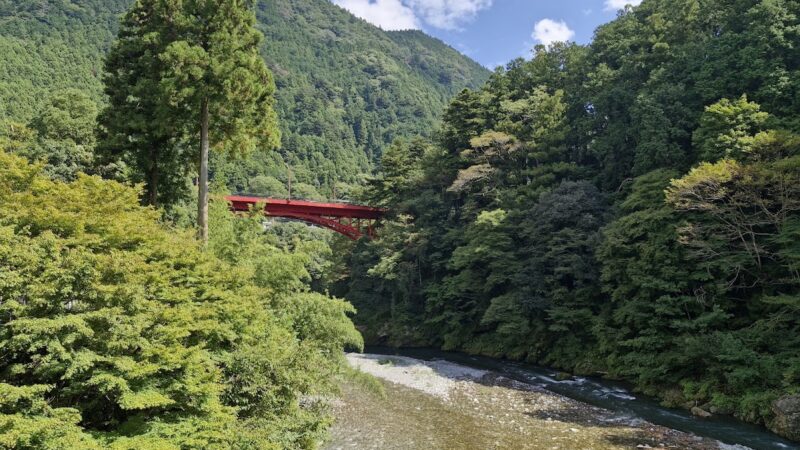
Mitake Gorge (Mitakekeikoku), located in Ome City, Tokyo, is a natural spot known as a beautiful gorge spreading across the upper reaches of the Tamagawa River. It forms part of the Chichibu-Tamagawa-Kai National Park and is listed in the “100 Selected Waters of Japan.” The clear stream and the changing beauty of the gorge throughout the four seasons captivate all who visit.
Despite being just about 90 minutes from the city center by public transport, the area is popular with a wide range of visitors from beginners to nature enthusiasts, thanks to its abundant natural environment, well-maintained walking paths, and enriched cultural facilities.
Basic Information and Access to Mitake Gorge
Overview of Mitake Gorge
Mitake Gorge is a gorge that spreads approximately 4km along both banks of the Tamagawa River, centered around JR Ome Line’s Mitake Station. The upper stream extends from around the midpoint between Mitake Station and Kawai Station, while the lower stream continues to just above Gunhata Station.
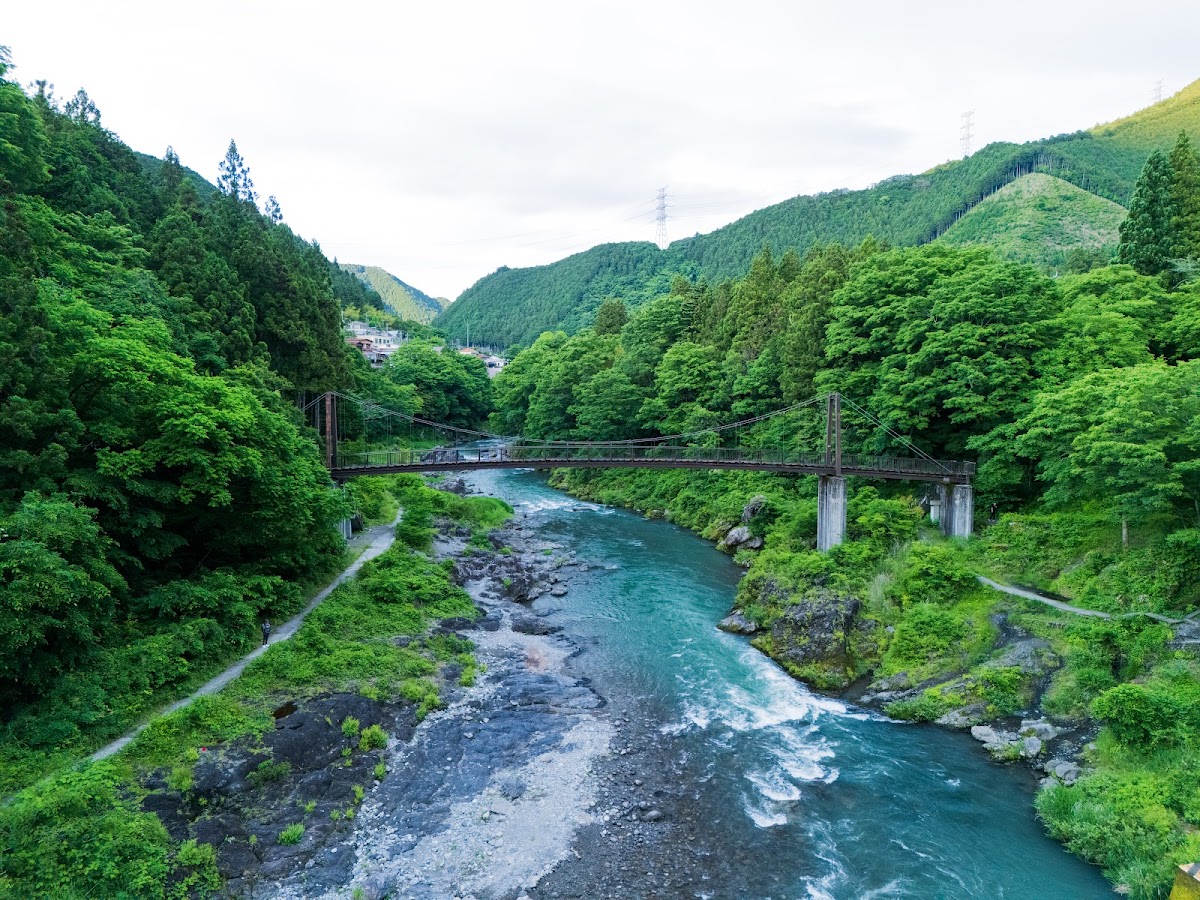
The “Mitake Gorge Stream,” selected as one of the “100 Selected Waters of Japan” by the Ministry of the Environment, is characterized by clear water flowing through towering boulders, and is known for its excellent water quality and beautiful scenery. On the north bank of the gorge run the JR Ome Line and National Route 411, while on the south bank run Prefectural Route 201 (Juri-ki Mitake Station Line) and Prefectural Route 45 (Okutama-Aome Line), providing good traffic access.
Access Methods
By Train
Train access is the most convenient way to reach Mitake Gorge. JR Ome Line’s Mitake Station is the center of the gorge, and you can reach the gorge in just 1 minute on foot from the station.
- From Shinjuku Station via JR Chuo Line to Tachikawa Station (approximately 40 minutes)
- From Tachikawa Station via JR Ome Line to Mitake Station (approximately 50 minutes)
- Total travel time: approximately 90 minutes
From Ome Station, it takes about 15 minutes to reach Mitake Station. On weekends and during autumn foliage season, many visitors park their cars at coin parking lots near Ome Station and take the train to Mitake Station.
By Car
- From “Hachioji IC” on the Chuo Expressway via National Route 411: approximately 50 minutes
- From “Ome IC” on the Kan-etsu Ring Road via National Route 411: approximately 30 minutes
Parking Information
There are multiple parking lots around Mitake Gorge:
- Municipal parking lot near Mitake Station: Limited capacity, early arrival is recommended on holidays
- Parking lots near Sawai Station: Parking spaces for users of Sawanoi Garden and Gyokudo Art Museum
- Private parking lots: Several paid parking lots around Mitake Bridge
During autumn foliage season (mid to late November) and major holidays, public transportation is recommended due to congestion.
Hours and Fees
The Mitake Gorge walking paths are open 24 hours, and entry is free. However, nearby art museums and sake brewing facilities have their own operating hours and admission fees.
Closed: None (walking paths are open year-round)
Four-Season Attractions of Mitake Gorge
Spring (March to May): Cherry Blossoms and Fresh Greenery
Spring at Mitake Gorge is a season of snowmelt-fed clear streams with abundant budding greenery. From late March to early April, wild cherry blossoms along the walking paths bloom, coloring the gorge in soft pink hues.
By May, fresh leaves shimmer in vibrant green, and the beauty of new greenery reflected on the water surface is exceptional. Temperatures are mild during this season, making it ideal for hiking.
Summer (June to August): Clear Streams and Activities
Summer at Mitake Gorge is bustling with many people seeking coolness. The clear stream, selected as one of Japan’s 100 finest waters, remains cold and transparent even in midsummer, with the babbling of the water providing a natural air-conditioning effect and pleasant coolness.
This season is popular for canoeing, rafting, fishing, and other activities unique to the gorge. It is also becoming known as a popular bouldering spot.
Autumn (September to November): Famous Autumn Foliage
Autumn foliage season brings the most tourists to Mitake Gorge. Typically from early November, maples, ginkgos, zelkova, wild cherry trees, and Japanese oak begin to change color, reaching peak foliage from mid to late November.
The maples and ginkgos on both banks turn fiery red and gold, creating spectacular scenery that contrasts beautifully with the clear stream. The large ginkgo tree, a symbol of Mitake Gorge, is particularly popular as a photography spot.
Peak foliage viewing: Mid to late November
Winter (December to February): Quiet Gorge Beauty
Winter at Mitake Gorge is a quiet season with fewer tourists, allowing visitors to savor the serene beauty of the gorge. The exposed rock faces of trees after leaf fall and the increased transparency of the clear stream have a unique winter charm.
The clear air often allows for expansive views of distant mountains, making it ideal for photography. However, walking paths may freeze, so non-slip shoes are recommended.
How to Walk the Mitake Gorge Walking Paths
Basic Information on Walking Paths
The Mitake Gorge walking paths are exploratory routes developed along approximately 4km of both banks of the Tamagawa River. The upper stream section extends from around the midpoint between Mitake Station and Kawai Station, while the main lower section continues to just above Gunhata Station.
The paths are relatively flat with minimal elevation changes, making them easy to walk without special equipment. Popular with families and seniors, many sections are even stroller-accessible.
Recommended Hiking Courses
Beginner Course: Mitake Station Area (Approximately 1 hour)
Mitake Station → Mitake Bridge → Mitake Garden → Gyokudo Art Museum → Mitake Station
This course, closest to the station, is the most casual way to enjoy gorge scenery. The view from Mitake Bridge is particularly beautiful and popular for photography.
Intermediate Course: Sawai Loop Course (Approximately 2-3 hours)
Mitake Station → Mitake Bridge → Gyokudo Art Museum → Comb and Hairpin Museum → Sawanoi Garden (Ozawa Sake Brewery) → Sawai Station
This popular course combines visiting cultural facilities while exploring the gorge. At Sawanoi Garden, you can enjoy tofu dishes and sake tastings.
Advanced Course: Gunhata Station to Mitake Station (Approximately 3-4 hours)
Gunhata Station → Walking path entrance → Okutama Fishing Center → Sawai Station → Gyokudo Art Museum → Mitake Station
This course allows for leisurely enjoyment of the entire walking path section. You can fully appreciate the nature along the clear stream, with opportunities for bird watching and observing aquatic creatures.
Precautions While Walking
- Clothing: Walking shoes and comfortable clothing are essential. Bring hats and sunscreen in summer, and warm clothes in winter
- Items to bring: Drinking water, towel, rain gear, camera
- Safety: Do not approach the river during flooding or heavy rain. Do not stray from the walking paths
- Etiquette: Take all trash with you. Respect nature
Cultural Facilities Around Mitake Gorge
Gyokudo Art Museum
This art museum houses the studio where Kawai Gyokudo, a master of Japanese painting, spent his final years. Gyokudo was captivated by the natural beauty of Mitake Gorge and left many works depicting it. The museum displays Gyokudo’s works and hosts seasonal exhibitions.
Hours: 10:00 am – 5:00 pm (admission until 4:30 pm)
Closed: Mondays (or the following day if Monday is a holiday), year-end/new year period, during exhibition changes
Admission: General ¥500, University/High School Students ¥400, Junior High School/Elementary School Students ¥200
The museum’s garden overlooks Mitake Gorge, allowing visitors to experience the landscape that Gyokudo loved.
Comb and Hairpin Museum
A rare museum dedicated to displaying traditional Japanese combs and hairpins. It houses approximately 4,000 pieces from the Edo period through the early Showa period, offering insights into the evolution of Japanese female aesthetics.
Hours: 10:00 am – 5:00 pm (admission until 4:30 pm)
Closed: Thursdays (open if Thursday is a holiday), year-end/new year period
Admission: General ¥500, Junior High School/Elementary School Students ¥300
Special exhibitions feature seasonal and themed displays with new discoveries on each visit.
Sawanoi Garden (Ozawa Sake Brewery)
An established sake brewery with over 300 years of history. It produces “Sawanoi” sake using the clear stream of Mitake Gorge as brewing water.
Tours and Experiences
- Sake brewery tours: By reservation, free (includes tastings)
- Sake tasting room: Hours 10:30 am – 5:00 pm, closed Mondays
- Clearstream Garden Sawanoi: Restaurant serving tofu cuisine and soba noodles
Dining while overlooking the gorge is exceptional, with tofu dishes made from spring water being exceptional. The gift shop offers limited-edition sake and products made from sake lees.
Activities at Mitake Gorge
Canoeing and Kayaking
Mitake Gorge is known as one of the premier canoeing and kayaking destinations in the Kanto region. The clear stream and moderate current make it enjoyable for both beginners and advanced paddlers.
Several canoe schools and rental shops operate in the area, with beginner-friendly experience courses available. Paddling down the gorge under instructor guidance creates unforgettable memories.
Rafting
Rafting has become increasingly popular in recent years. Riding a rubber boat down exciting rapids offers a thrilling experience.
Spring snowmelt season offers higher water levels and more exciting experiences. Guide-led tours are standard, making it safe even for beginners.
Bouldering
The area surrounding Mitake Gorge has many natural rock formations popular with bouldering enthusiasts. Various difficulty levels from beginner to advanced routes are scattered along the gorge.
Climbing gyms offering equipment rentals and instruction are also available.
Stream Fishing
The upper Tamagawa River is a popular fly-fishing destination. Yamame and iwana trout inhabit these waters, and the season draws many anglers.
Okutama Fishing Center offers a managed fishing pond where beginners can easily enjoy fishing, with equipment rental and fish cooking services available.
Helpful Information for Visiting Mitake Gorge
Peak Crowding Times and How to Avoid Them
Mitake Gorge experiences peak crowds during:
Peak crowding periods
- Autumn foliage season (weekends from mid to late November)
- Golden Week
- Middle day of 3-day holidays
Peak crowding times of day
- Approximately 10:00 am – 3:00 pm
Tips to avoid crowds
- Consider visiting on weekdays
- Early morning (before 8:00 am) or evening (after 3:00 pm) walks
- During foliage season, aim for early or late season as weekdays are also crowded
- Starting walks from the Gunhata Station side is often less crowded than areas near Mitake Station
Nearby Restaurants and Rest Areas
Mitake Station Area
- Multiple soba restaurants and eateries convenient for lunch
- Rest space available at Mitake Exchange Center
Sawai Area
- Tofu cuisine at Sawanoi Garden restaurants
- Scattered cafes and tea shops
Gunhata Station Area
- Local restaurants, though limited
Lunch breaks on holidays can be crowded; consider shifting mealtimes or bringing packed lunches.
Nearby Accommodations
Guest houses and inns are scattered around Mitake Gorge. Extending to the Okutama area offers hot spring resort options.
- Guest houses in the Mitake area: Cozy atmosphere with local cuisine
- Hot spring inns in Okutama: Enjoy both gorge walks and hot spring baths
- Business hotels in Ome city: Convenient access at reasonable prices
Event Information
Various events are held throughout the year at Mitake Gorge:
- Mitake Gorge Fresh Green Festival (May): Regional events celebrating fresh greenery season
- Mitake Gorge Summer Fireworks (August): A summer tradition
- Mitake Gorge Autumn Colors Festival (November): Special events during foliage season
- Canoe competitions: Several annual competitions drawing nationwide canoe enthusiasts
Check the latest event information on the Ome City Tourism Association official website.
Artists Who Loved Mitake Gorge
The beauty of Mitake Gorge has captivated many writers and artists.
Kawai Gyokudo and Mitake Gorge
Master Japanese painter Kawai Gyokudo evacuated to Mitake Gorge in 1944 and continued his creative work there until his death in 1957. Gyokudo left numerous works depicting the gorge’s four-season beauty and became known as “Gyokudo of Mitake.”
The gorge landscapes Gyokudo painted continue to captivate visitors today.
Eiji Yoshikawa and Mitake
Novelist Eiji Yoshikawa was also an admirer of Mitake Gorge. A commemorative hall in Ome City allows visitors to trace Yoshikawa’s footsteps.
Contemporary Artists and Mitake Gorge
In recent years, photography exhibitions and art displays using Mitake Gorge’s natural beauty as subjects are frequently held, making it an attractive creative space for contemporary artists.
Mitake Gorge and Environmental Conservation
“Mitake Gorge Stream” from the 100 Selected Waters of Japan
In 1985, the Ministry of the Environment designated the Mitake Gorge Stream as one of Japan’s “100 Selected Waters.” Efforts to preserve this clear stream are ongoing by local residents, government agencies, and volunteer groups.
Cleaning Activities and Ecotourism
Regular river cleanup activities are held, and visitors can participate. Additionally, ecotourism initiatives promote enjoying nature while minimizing environmental impact.
When visiting, practice leaving no trace and show consideration for the natural environment.
Tourist Spots Around Mitake Gorge
Mitake Mountain
Extending slightly beyond Mitake Gorge is Mitake Mountain at 929 meters elevation. Accessible by cable car, the summit hosts Musashi Mitake Shrine. Many tourists visit both the gorge and this spot.
Ome City Streets
The Ome city area, retaining Showa-era nostalgic streetscapes, is popular for its movie billboard-decorated shopping street. It makes a good stop on the way to or from Mitake Gorge.
Okutama Lake
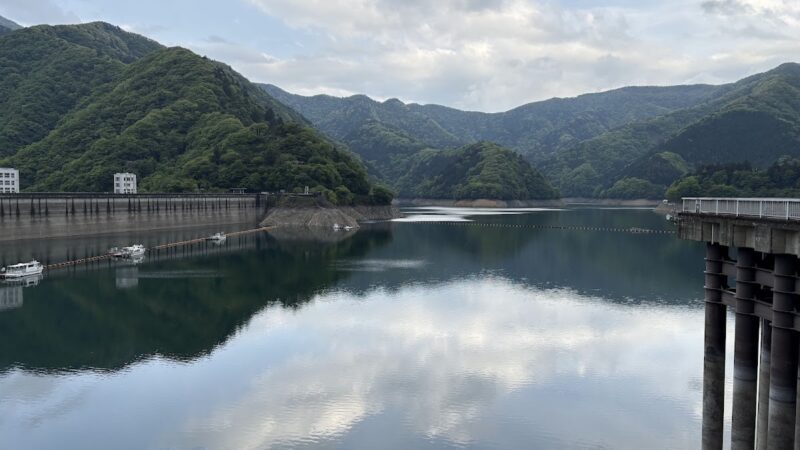
Continuing further into the interior leads to Okutama Lake, offering dam viewing and scenic lakeside drives.
Summary: How to Enjoy Mitake Gorge
Mitake Gorge is a captivating area with excellent 90-minute access from the city center, combining abundant nature, clear streams, cultural facilities, and various activities.
Mitake Gorge is recommended for:
- Those seeking refreshment in nature
- Families wanting casual hiking experiences
- Those wishing to enjoy seasonal scenery from foliage to fresh greenery
- Those wanting to try activities like canoeing and rafting
- Those interested in cultural experiences like sake and art museums
Mitake Gorge presents different faces with each season. With new discoveries on every visit, it is a natural treasure of Tokyo. Consider it for weekend outings or day trips. The babbling streams and gorge beauty will surely soothe your daily fatigue.