Mizumoto Park Tokyo Comprehensive Guide | Charm and Access Information for Tokyo’s Largest Water Garden Park in the 23 Wards
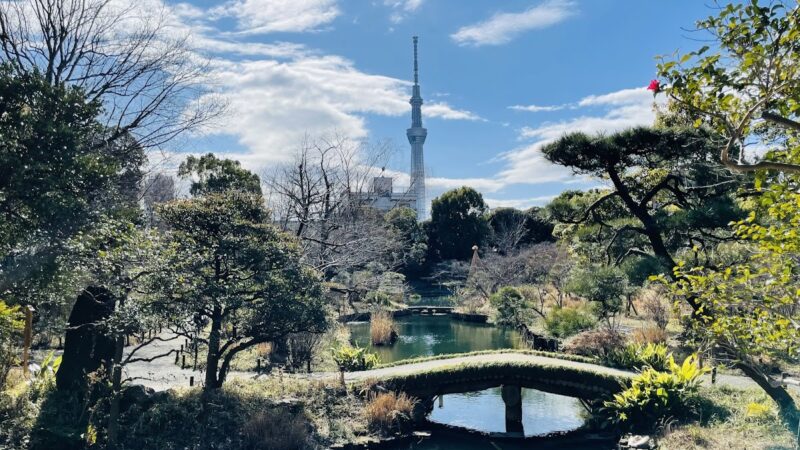
Mizumoto Park, located in Katsushika Ward, Tokyo, is a metropolitan park boasting the largest scale among Tokyo’s 23 wards. With the only water garden scenery in Tokyo built along the Koai Reservoir, this park features abundant nature and waterside landscapes that make visitors forget the hustle and bustle of the city. This article provides comprehensive information you should know before visiting, including the park’s history, highlights, access methods, and facility information.
About Mizumoto Park | Tokyo’s Largest Metropolitan Park in the 23 Wards, Pride of Katsushika Ward
Mizumoto Park is a metropolitan park located in Mizumoto Park, Katsushika Ward, Tokyo, with an area of approximately 96 hectares. This makes it the largest metropolitan park among Tokyo’s 23 wards and features characteristics as a water garden park with a large water surface area.
Opened in 1965 (Showa 40), this park was designated as the Tokyo Metropolitan Edogawa Water Garden Natural Park until 1975 (Showa 50). Large and small waterways drawn from the Koai Reservoir run through the park, creating a unique water garden landscape. This scenery, unparalleled anywhere else in Tokyo, is appreciated by many visitors.
The Koai Reservoir and History of Mizumoto Park
The Koai Reservoir, which forms the center of Mizumoto Park, is a historic water body that was developed as a flood control area for the Tone River during the Edo period. Currently located at the boundary between Tokyo and Saitama prefectures, it serves as an important element in forming the park’s water garden landscape. Water channels drawn from the Koai Reservoir crisscross throughout the park, providing habitats for waterside plants and organisms.
Since the park’s opening, development has progressed while balancing nature conservation with the function of an urban park. Currently, as a valuable place where people can feel close to waterside nature while in the city, it attracts not only local residents but also many people from throughout Tokyo.
Highlights of Mizumoto Park | Enjoying Nature and Landscapes Through the Four Seasons
Mizumoto Park offers diverse attractions that can be enjoyed throughout the year. Here we introduce particularly popular spots and natural attractions.
Metasequoia Forest | Impressive Tree-Lined Avenue
One of the representative landscapes of Mizumoto Park is the tree-lined avenue of metasequoias exceeding 20 meters in height. The sight of approximately 200 metasequoias standing in orderly rows is magnificent, and especially in autumn their foliage is beautiful, attracting many photography enthusiasts. Metasequoia is also called a “living fossil,” and its majestic appearance leaves a deep impression on visitors.
Walking along the tree-lined avenue, the contrast of light and shadow filtering through the trees is beautiful, displaying a different appearance with each season. From spring’s fresh green to summer’s deep green, autumn’s red leaves, and the beauty of bare trunks after winter’s leaf fall, this spot can be enjoyed year-round.
Iris Garden | Early Summer Tradition
Coloring early summer at Mizumoto Park is the iris garden covering approximately 1.4 hectares. From late May to mid-June, approximately 100 varieties and 14,000 Japanese irises bloom gloriously, painting the garden with purple, white, yellow, and other colors.
During the iris blooming season, the garden is crowded with many visitors, offering beautiful views where blooming flowers and the water garden landscape harmonize. Benches are provided throughout the garden for resting while viewing the irises, allowing leisurely enjoyment of the flowers.
Water Plant Garden | Rich Wetland Ecosystem
At Mizumoto Park, beyond irises, visitors can observe diverse aquatic plants including water lilies, cow lilies, and lotus. Particularly in summer, large lotus flowers bloom in the lotus pond, and early mornings offer chances to witness the flowers opening.
Additionally, devil’s tongue ferns designated as natural monuments of Tokyo are preserved, maintaining habitats for rare aquatic plants. These aquatic plants play important roles in supporting the aquatic ecosystem, with many insects like dragonflies and butterflies, as well as water birds like ducks, frequently seen.
Poplar Avenue and Alder Forest | Diverse Tree Landscapes
Alongside metasequoia, the poplar avenue contributes to the characteristic tree landscapes of Mizumoto Park. The sight of approximately 200 poplars reaching heights of 20 meters is spectacular, and the pleasant sound of leaves rustling in the wind is soothing.
Additionally, alder groves grow within the park, offering experiences of unique forest environments created by wetland trees. These trees are vegetation adapted to the humid environments characteristic of water gardens, forming rare natural environments within Tokyo.
Cooling Pavilion | Waterside Rest Spot
Throughout the park are shelters called “ryotei” (cooling pavilions) where visitors can rest while enjoying waterside scenery. Particularly on hot summer days, these provide valuable spots to take a break feeling the cool breezes of the waterside. The area around the pavilion is also popular for photography, with many people taking photos with the water garden landscape as background.
Four Seasons at Mizumoto Park | Seasonal Ways to Enjoy
Mizumoto Park displays different appearances throughout the year, with unique pleasures for each season.
Spring | Season of Cherry Blossoms and Fresh Green
Spring at Mizumoto Park is crowded with visitors as cherry blossoms begin to bloom. The park features cherry blossom avenues, blooming beautifully from late March to early April. The sight of cherry blossoms reflected in the water is extraordinary, with families and groups enjoying flower viewing.
After the cherry blossoms, the fresh green of metasequoia and poplars becomes beautiful, with the entire park enveloped in bright green. The mild climate during this season makes it ideal for hiking and picnicking.
Summer | Waterside Coolness and Aquatic Plants
Summer at Mizumoto Park is a valuable place to experience the coolness of a waterside location. In the lotus pond, large lotus flowers bloom, and early mornings offer chances to witness the moment of opening. Water lilies, cow lilies, and other aquatic plants also reach their prime, coloring the water surface.
Visitors can enjoy nature observation while resting in shaded areas and cool waterside locations. During summer vacation, many children engage in insect collecting and nature observation.
Autumn | Metasequoia Fall Foliage
The greatest highlight of autumn at Mizumoto Park is the metasequoia fall foliage. From late October to November, metasequoia leaves turn beautiful reddish-brown, and the tree-lined avenue becomes magnificent. This period is particularly crowded with people coming for photography.
Beyond metasequoia, various trees throughout the park turn autumn colors, offering colorful scenery unique to the season. Hiking in the cool autumn weather is comfortable and suitable for extended visits.
Winter | Quiet Waterside and Winter Bird Observation
Winter at Mizumoto Park sees fewer visitors than other seasons but offers quiet waterside scenery. The beauty of metasequoia trunks after leaf fall and hiking in winter’s clear air provide different appeals.
Winter is also an ideal season for bird watching. Waterfowl like ducks migrate to the Koai Reservoir and waterways within the park, with many birdwatching enthusiasts observing them.
Access | How to Get to Mizumoto Park
Access to Mizumoto Park typically uses public transportation. While bus use is necessary from the nearest stations, several access options exist.
Access by Train and Bus
When using JR Joban Line or Tokyo Metro Chiyoda Line:
- Get off at “Kanemachi Station” on JR Joban Line or Tokyo Metro Chiyoda Line
- From the South Exit bus terminal, take Keisei Bus bound for “Togasaki Operations Yard”
- Get off at “Mizumoto Park” bus stop, approximately 7 minutes walk
When using Keisei Line:
- Get off at “Keisei Kanemachi Station” on Keisei Kanemachi Line
- From the South Exit bus terminal, take Keisei Bus bound for “Togasaki Operations Yard” or “Nishi-Mizumoto 3-chome”
- Get off at “Mizumoto Park” bus stop, approximately 7 minutes walk
Bus travel takes approximately 10 minutes. From the bus stop to the park entrance is about a 7-minute walk on foot, though given the park’s vast size, depending on your destination, additional walking within the park may be necessary.
Car Access and Notes
By car, it takes approximately 20 minutes from the “Yotsugi Exit” or “Horikiri Exit” of the Metropolitan Expressway Central Loop Line. However, roads may be congested during weekends and peak flower viewing seasons, so it’s recommended to depart with extra time.
Parking Information | Mizumoto Park Parking Guide
Mizumoto Park has multiple parking lots, making car visits possible. However, parking capacity is limited, so early arrival is recommended especially on weekends and peak flower seasons.
Parking Lot Details
Mizumoto Park has the following main parking lots:
First Parking Lot (Central Parking Lot):
- Capacity: Approximately 311 vehicles
- Operating hours: 24 hours
- Fee: Paid (200 yen per hour, then 100 yen per 30 minutes)
Second Parking Lot:
- Capacity: Approximately 100 vehicles
- Operating hours: 24 hours
- Fee: Paid (200 yen per hour, then 100 yen per 30 minutes)
Parking lots are open year-round, though wait times may occur when full. Particularly during late May to mid-June iris peak season and November fall foliage season, congestion is expected, making public transportation use worth considering.
Parking Usage Notes
- Large holiday periods and peak flower seasons may result in full lots from early morning
- Walking distance from parking to destinations within the park may be considerable
- Disabled parking spaces are provided
- Parking fees accept cash and cashless payment (varies by lot)
Park Facilities and Services | Equipment for Comfortable Visits
Mizumoto Park has various facilities and services to ensure comfortable visits.
Barbecue Area and Campground
Mizumoto Park has a reservation-based barbecue area where families and friends can enjoy outdoor activities. A campground is also available, offering valuable camping experiences within Tokyo.
Advance reservation is required for use, and early booking is recommended during peak seasons. For detailed usage methods and fees, contact the park management office.
Dog Run | Enjoying with Pets
Mizumoto Park has a dog run where visitors can bring their dogs. With separate areas for small and medium/large dogs, it allows safe play.
Pet visits are possible, but leash use is required throughout the park. Additionally, some areas like the water plant garden may restrict pet entry, requiring caution.
Restrooms and Nursing Room
Multiple restrooms are available throughout the park, with multipurpose restrooms and diaper changing tables provided. Nursing rooms are also available, making visits safe for families with small children.
Shops and Rest Facilities
The park has shops where beverages and light snacks can be purchased. Benches and pavilions scattered throughout provide rest opportunities during walks. However, formal dining facilities like restaurants are absent, making packed lunches recommended for extended stays.
Ways to Enjoy Mizumoto Park | Recommended Activities
Here we introduce recommended ways to maximize enjoyment of Mizumoto Park’s vast grounds and rich nature.
Hiking and Walking
Mizumoto Park is ideal for hiking and walking. Well-maintained walking trails crisscross the park, allowing leisurely walks while viewing the waterside. A complete circuit covers several kilometers, making it perfect for fitness.
Early mornings show local residents enjoying walks and jogging. Morning walks in fresh air are exceptional, with bird songs also enjoyable.
Nature Observation and Photography
Mizumoto Park is an excellent spot for nature observation and photography. Diverse living things including seasonal plants, wild birds, and insects can be observed. Particularly during metasequoia fall foliage and iris blooming periods, many photography enthusiasts visit.
Bringing binoculars and cameras for thorough nature observation is recommended. Numerous photography spots exist throughout the park, capturing waterside landscapes and tree beauty in photographs.
Picnicking and Family Leisure
Wide grass areas allow picnic enjoyment. Bringing packed lunches to enjoy meals with family or friends amid nature is a unique Mizumoto Park experience.
Children can run freely on expansive grass and enjoy insect collecting and nature play. Ball games and frisbee are possible, though consideration for other visitors is necessary.
Cycling
The Mizumoto Park area is suitable for cycling, with many bike riders visiting. While bicycles are permitted in some park areas, pedestrian priority must be remembered with safe riding prioritized.
While bike rentals aren’t available in-park, rental facilities near Kanemachi Station can be considered.
Events and Seasonal Programs | Activities at Mizumoto Park
Throughout the year, Mizumoto Park hosts various events and programs. These enhance park attractions and provide special experiences for visitors.
Iris Festival
Annually in June, when irises peak, an “Iris Festival” may be held. During this period, the iris garden is especially beautifully maintained, attracting many visitors. Local organization activities and sales occur, becoming an early summer tradition.
Nature Observation Sessions
Regular nature observation sessions are held where visitors can learn about park plants and organisms through expert explanations. Bird watching sessions, plant observation sessions, and various theme-based programs are available.
Advance registration may be required, so checking official park websites or notice boards is recommended.
Other Events
Seasonal events including photography exhibitions, environmental learning programs, and cleanup activities occur. Event information is available through the park management office and official website.
Nearby Attractions | Places to Visit Along with Mizumoto Park
Visiting nearby attractions while at Mizumoto Park allows for more enriching days.
Shibamata Taishakuten
Located approximately 15 minutes by car or about 30 minutes by train and bus from Mizumoto Park, Shibamata Taishakuten is a temple famous as the setting for the movie “It’s Tough Being a Man.” Old-fashioned shops line the approach, offering nostalgic charm.
Katsushika Ward Museum of Local History and Astronomy
This museum teaches about Katsushika Ward’s history and culture with an attached planetarium. Located about 20 minutes by car from Mizumoto Park, it’s recommended for families.
Kanemachi Station Area
Around Kanemachi Station, the nearest station to Mizumoto Park, shopping streets and restaurants abound, allowing dining and shopping before or after park visits.
Precautions and Manners for Mizumoto Park Use
Observe the following points for comfortable use and nature conservation.
Basic Manners
- Always take trash with you. Some areas lack trash bins
- Plant collection and animal capture are prohibited
- Fire use is prohibited except in designated areas
- Swimming and fishing in water are prohibited
- Push bicycles in non-designated areas
When Bringing Pets
- Always use leashes for pets
- Take feces with you
- Be considerate of other visitors and prevent barking
- Some areas restrict pet entry
Safety Notes
- Bring hats and water for summer heatstroke prevention
- Insect repellent is recommended
- Never leave small children unattended near water
- Evacuate to safe areas if weather suddenly worsens
Conclusion | Enjoy Urban Oasis at Mizumoto Park
Mizumoto Park in Katsushika Ward, Tokyo, as the 23 wards’ largest metropolitan park, is a valuable place to enjoy rare water garden scenery and rich nature in Tokyo. Built along the Koai Reservoir, the park features countless seasonal attractions including metasequoia forests, iris gardens, and water plant gardens.
Easily accessed by bus from Kanemachi Station on JR Joban and Keisei lines with completed parking facilities, visits are convenient whether by public transportation or car. Walking through vast grounds, visitors can refresh themselves in nature, forgetting they’re in the city.
From spring cherry blossoms to early summer irises, summer lotus, and autumn metasequoia foliage, Mizumoto Park displays different seasonal appearances. Picnicking with families, barbecuing with friends, or solo nature observation offer varied enjoyment possibilities.
When wishing to connect with nature in Tokyo, enjoy waterside scenery, why not visit Mizumoto Park? Time spent at this urban oasis surely refreshes mind and body.