Senshū Park (Akita Prefecture) Complete Guide | History, Cherry Blossoms, Autumn Leaves, and Access Information Summary
Senshū Park, located in the center of Akita City, Akita Prefecture, is an urban park where history and nature harmonize, developed on the grounds of the former Kubota Castle. Selected as one of Japan’s Historical Parks 100 and Japan’s Cherry Blossom Viewing Spots 100, it attracts many visitors throughout the year as a leading tourist destination representing Akita Prefecture.
History and Origins of Senshū Park
History of Kubota Castle
Senshū Park was built on the ruins of Kubota Castle, which was constructed in 1602 (Keicho 7) by Satake Yoshinobu, the first daimyo of the Akita Clan. Kubota Castle was a flatland mountain castle built by the Satake clan as their base for ruling Akita after being relocated from Hitachi Province (present-day Ibaraki Prefecture) following the Battle of Sekigahara.
Kubota Castle’s distinctive feature was its structure, which relied primarily on earthen ramparts rather than stone walls. The castle’s main enclosure had no keep tower and functioned as a practical military fortress for approximately 270 years as the political and cultural center of the Akita domain with 200,000 koku. With the Meiji Restoration’s abolition of the han system, the castle’s role ended, and it was subsequently developed into a park.
Birth of Senshū Park
In 1896 (Meiji 29), the Kubota Castle ruins were opened to the public as “Senshū Park.” The park’s name was created by combining “Aki” from Akita and “Sen,” meaning long prosperity, to express hopes for Akita’s continued flourishing.
The park’s design was undertaken by Nagaoka Yasuhei, a pioneer of modern Japanese landscape architecture. Nagaoka Yasuhei was a renowned landscape architect who also designed Maruyama Park in Sapporo and Iwate Park in Morioka (now Morioka Castle Ruins Park). At Senshū Park, he created a park where natural and historical landscapes harmonize while taking advantage of the castle ruins’ topography.
Highlights of Senshū Park
Osumi Yagura (Corner Tower)
The Osumi Yagura, restored in 2001 (Heisei 13), is a symbolic landmark of Senshū Park. This tower, standing at the northwest corner of the main enclosure, was Kubota Castle’s only corner tower and played a crucial defensive role for the castle.
The restored Osumi Yagura features a two-story structure with interior exhibition space open to the public, where visitors can view materials about Kubota Castle’s history and the Satake clan. From the top floor, one can enjoy a panoramic view of Akita City, allowing visitors to experience the landscape that the former castle lords saw.
Hours: 9:00 AM–4:30 PM (varies by season)
Admission: General ¥100, high school students and under free
Omonoghashira Goban-sho (Armory Guard Post)
The Omonoghashira Goban-sho is the only existing building from Kubota Castle and is designated as a Cultural Property of Akita City. Built in the late Edo period, this structure served as a post for samurai responsible for the castle’s security.
The building’s interior retains the atmosphere of an Edo-period samurai residence, and visitors can learn about samurai life and the castle’s security systems through exhibits. The architectural style well preserves the characteristics of Edo-period samurai architecture, making it a historically significant structure.
Satake Historical Museum
The Satake Historical Museum within Senshū Park displays precious materials related to the Satake clan, daimyo of Akita. The collection includes the Satake clan’s armor, swords, paintings, and ancient documents that tell the story of Akita domain’s history.
Particularly impressive are family treasures the Satake clan passed down from their Hitachi period and administrative records from the Akita domain period. The museum is an important facility for gaining a deep understanding of Akita’s history, with special exhibitions held regularly, offering new discoveries with each visit.
Hours: 9:00 AM–4:30 PM
Closed: Year-end/New Year period and during exhibit changes
Admission: General ¥100, high school students and under free
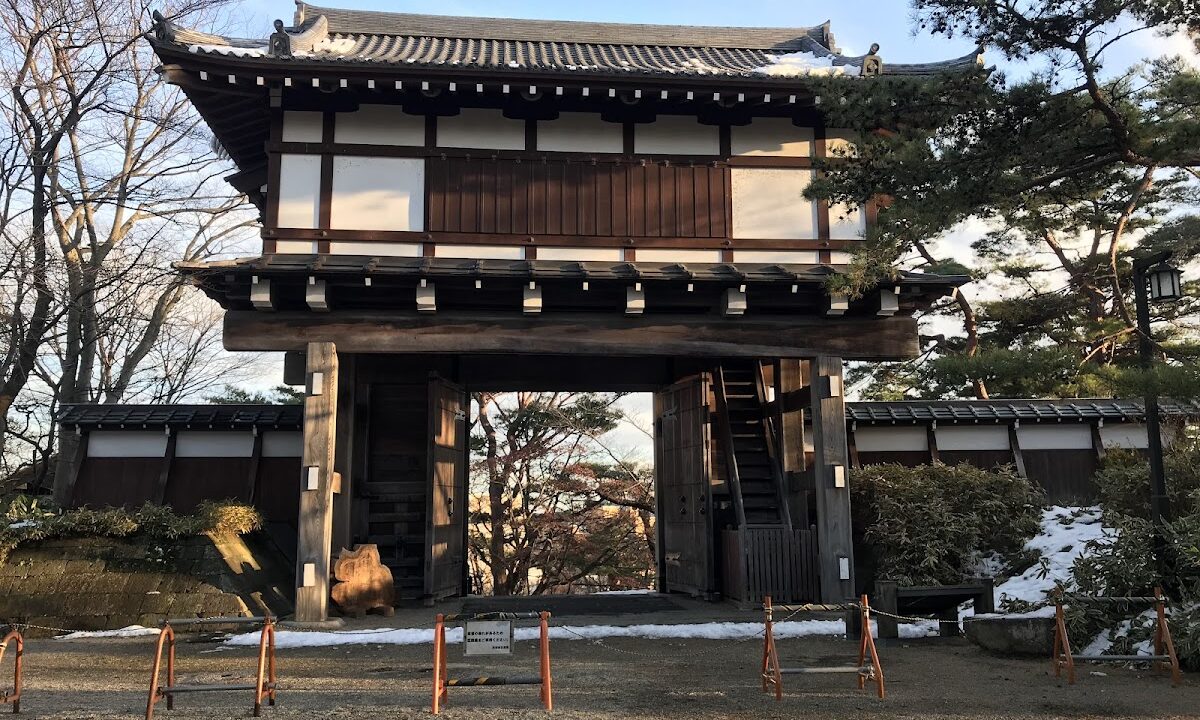
Kubota Castle Front Gate
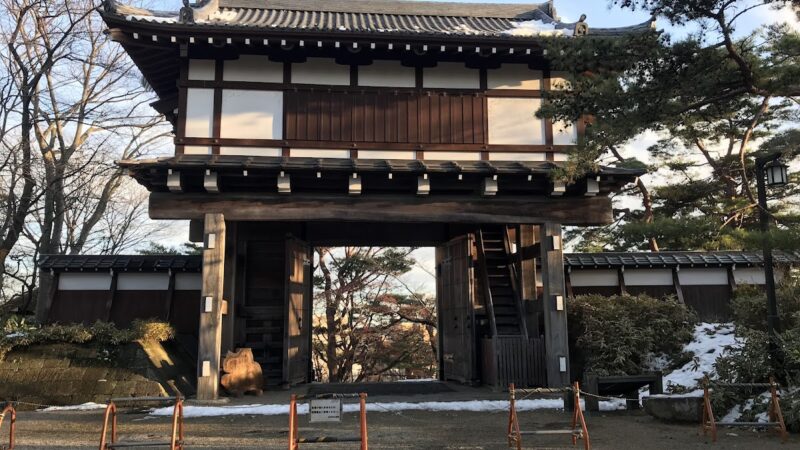
The front gate, restored in 2001 (Heisei 13) along with the Osumi Yagura, presents a dignified appearance as the main entrance to the main enclosure. This gate, built in the Korean gate style, well represents the characteristics of Edo-period castle architecture and is also popular as a photography spot.
Passing through the gate reveals the broad plaza of the former main enclosure, where visitors can experience the atmosphere of the castle’s center.
Senshū Park Through the Seasons
Spring Cherry Blossoms (Late March–Late April)
Senshū Park is a premier cherry blossom viewing site in the Tohoku region, selected as one of Japan’s 100 Cherry Blossom Viewing Spots. The park features approximately 730 Somei Yoshino cherry trees, along with diverse varieties such as Yamato cherry and weeping cherry trees, reaching their peak bloom from mid to late April.
The cherry blossoms around the main enclosure ruins, secondary enclosure ruins, and Kogetsuki Pond areas are spectacular, allowing visitors to walk through tunnels of cherry blossoms. In the evenings, lanterns light up the park, offering night cherry blossom viewing. During the “Senshū Park Cherry Blossom Festival” period, the park fills with cherry blossom viewers and has become a signature spring event in Akita.
Peak bloom: Mid to late April
Number of cherry trees: Approximately 730
Night illumination: During festival period (approximately 6:00 PM–10:00 PM)
Summer Greenery (May–August)
After the cherry blossom season ends, the park becomes enveloped in vibrant new foliage. As the summer greenery deepens, Senshū Park becomes an oasis in the city, a haven for residents seeking respite.
From July to August, when the lotus flowers bloom on Kogetsuki Pond, the waterside scenery becomes beautiful, making early morning walks particularly recommended. Walking through the garden as cicadas sing, you can feel refreshing coolness even in hot summer months.
Autumn Foliage (Mid-October–Early November)
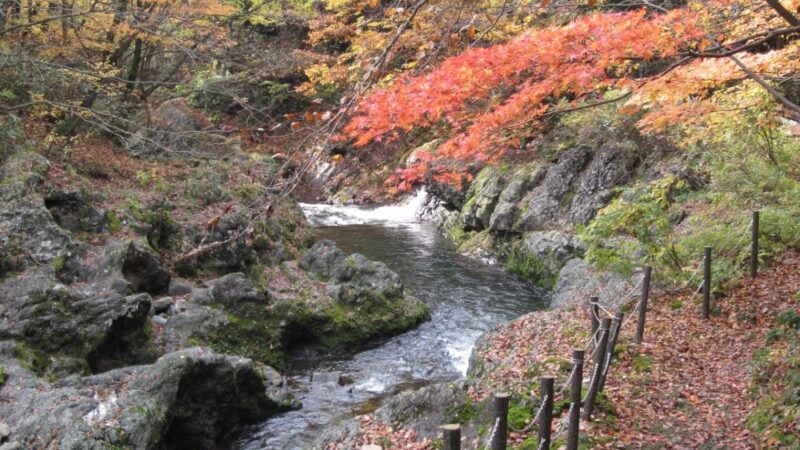
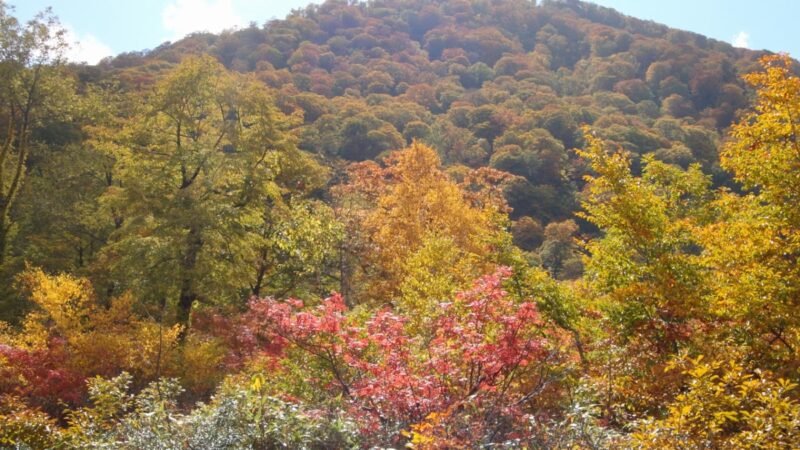
Senshū Park is also known as a prime autumn foliage viewing site. Maple, ginkgo, and zelkova trees turn crimson and golden, transforming the park into a spectacular display of color.
Particularly impressive are the autumn foliage views from the main enclosure ruins and the reflection of colored leaves on the water surface of Kogetsuki Pond. Mid to late October through early November offers the best views, and on clear autumn days, many photography enthusiasts visit.
Peak foliage: Late October–early November
Trees that change color: Maple, ginkgo, zelkova, and others
Winter Snow Scenes (December–March)
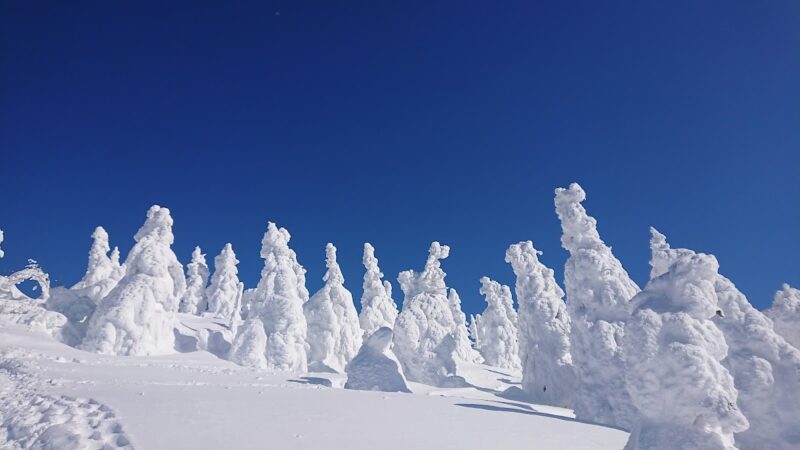
During Akita’s snowy winters, Senshū Park takes on a quiet, snow-covered landscape. The snow-covered Osumi Yagura and pine trees possess the beauty of ink wash paintings, offering winter’s unique charm.
With snow on the ground, walking paths become limited, but the views amid winter’s crisp air are extraordinary. Visitors can enjoy winter scenes such as snow-covered stone lanterns and snow-laden monuments.
Events and Festivals at Senshū Park
Senshū Park Cherry Blossom Festival (Mid-Late April)
Held annually from mid to late April, this cherry blossom festival is Akita City’s largest spring event. During the festival period, nighttime illumination is provided, offering enchanting night cherry blossom viewing.
Food stalls line the park during the festival, offering local Akita cuisine and festival dishes. Weekend programming features various stage events, attracting many residents and tourists.
Akita Kanto Festival (August 3–6)
During the Akita Kanto Festival, one of the three major Tohoku festivals, the area around Senshū Park is filled with festival atmosphere. Kanto performances take place on Kanto-dori Street within walking distance of the park, making it a convenient base for festival viewing.
Senshū Park Azalea Festival (Mid-May)
In mid-May, the azaleas in the park reach their peak, and the azalea festival is held. Approximately 150 azalea plants bloom in vibrant colors, marking the end of spring.
Access to Senshū Park
By Train
From JR Akita Station:
- Approximately 10 minutes on foot (approximately 800m)
- Exit Akita Station’s west exit and proceed straight on Chuo Street
- Exceptionally convenient access, ideal as a first stop on an Akita sightseeing tour
By Bus
Using Akita Chuo Bus:
- From the Akita Station front bus terminal, get off at “Kawabata Entrance” bus stop, approximately 5 minutes on foot
- Or get off at “Prefectural Government/City Hall” bus stop, approximately 5 minutes on foot
By Car
From the Akita Expressway:
- Approximately 15 minutes from Akita Central IC
- Approximately 20 minutes from Akita South IC
Parking Information:
- Senshū Park paid parking lot (near park entrance)
- Capacity: Approximately 100 spaces
- Rate: ¥100 per hour (¥50 for each additional 30 minutes)
- Hours: 24 hours
- ※During cherry blossom festival period, congestion is likely; public transportation is recommended
Multiple municipal and private parking lots are available nearby.
Nearby Attractions
Akita City Red Brick Local History Museum (5 minutes on foot)
This local history museum utilizes the Akita Bank head office building constructed in Meiji 45. The beautiful red brick Renaissance-style building is designated as a National Important Cultural Property. Exhibitions showcase Akita’s history, culture, and traditional crafts, making it a worthwhile stop when visiting Senshū Park.
Akita Prefectural Museum of Art (10 minutes on foot)
This art museum reopened in 2013 (Heisei 25) and houses numerous works by Tsuguharu Fujita. Particularly impressive is “Events of Akita,” a large-scale work measuring 3.65m wide and 20.5m long. The building, designed by Tadao Ando, is also notable as an architectural attraction.
Akita City Folk Performance Transmission Hall (Neburinagashi-kan) (7 minutes on foot)
This facility introduces Akita’s folk performances, including the Akita Kanto Festival and Bonden. It displays actual Kanto poles and offers Kanto experience activities. It’s an ideal facility for learning about Akita’s traditional culture in depth.
Kawabata (Kawabata) Dining District (5 minutes on foot)
The Kawabata district, known as Akita’s entertainment quarter, is located just minutes from Senshū Park. Izakayas and fine dining restaurants specializing in Akita regional cuisine line the streets, where visitors can savor local flavors such as kiritanpo, Hinai chicken, and hatahata.
How to Enjoy Senshū Park
Historical Tour Course (Approximately 60 minutes)
- Enter through the front gate
- View the main enclosure ruins
- View and explore the Osumi Yagura observation point
- Visit the Omonoghashira Goban-sho
- Learn history at the Satake Historical Museum
- Stroll through the secondary enclosure ruins
- Walk around Kogetsuki Pond
This course efficiently covers Kubota Castle’s history and Senshū Park’s main attractions.
Nature Strolling Course (Approximately 45 minutes)
- Start around Kogetsuki Pond
- Enjoy waterside scenery while circling the pond
- Stroll through the secondary enclosure ruins’ green spaces
- Enjoy panoramic views of Akita City from the main enclosure’s elevated area
- Observe seasonal flowers and trees at a leisurely pace
This course is recommended for those wishing to enjoy nature’s seasonal changes.
Photography Spots
- Osumi Yagura and cherry blossoms: Classic spring photography spot
- Kogetsuki Pond’s water mirror: Spectacular reflection of cherry blossoms and autumn foliage
- Front gate: Dignified historical structure photographs
- Views from main enclosure ruins: Landscape photography with Akita City as backdrop
- Stone steps and green tunnel: Beautiful during spring greenery and autumn foliage seasons
Precautions and Etiquette When Visiting Senshū Park
Clothing and Necessities
- Walking shoes are recommended due to uneven terrain within the park
- In summer, bring a hat and sunscreen due to strong sunlight
- In winter, non-slip shoes and warm clothing are essential due to snowy paths
- In rainy weather, prepare an umbrella or rain gear
Park Usage Etiquette
- Always dispose of garbage in designated trash bins or take it with you
- Avoid damaging plants and historic sites
- If bringing pets, use a leash and clean up after them
- Use fire only in designated areas
- Be mindful of noise and enjoy quiet strolling
During Cherry Blossom Festival Period
- The park is very crowded; visiting earlier in the day is recommended
- Parking lots often reach capacity; public transportation is advised
- Share limited space with consideration for others
- Refrain from breaking cherry blossom branches or climbing trees
Basic Information Summary for Senshū Park
Address: 1-1 Senshū Park, Akita City, Akita Prefecture 010-0876
Phone: 018-888-5753 (Akita City Tourism Promotion Division)
Hours: Open 24/7 (facilities open 9:00 AM–4:30 PM)
Admission: Free (Osumi Yagura and Satake Historical Museum require admission)
Closed: None (facilities closed during year-end/New Year period)
Area: Approximately 16.7 hectares
Official Website: Check the Akita City Official Tourism Website for latest information
Maximizing Your Enjoyment of Senshū Park
Senshū Park, as a leading historical park representing Akita Prefecture, possesses both the beauty of all four seasons and deep historical significance. The park showcases a completely different face with each visit—spring cherry blossoms, summer greenery, autumn foliage, and winter snow scenes.
Its excellent accessibility, being within walking distance of Akita Station, is also an attractive feature, making it both a base for Akita sightseeing and a beloved gathering place for Akita residents. Senshū Park, where you can feel Kubota Castle’s history while enjoying leisurely time in nature, is a must-visit destination when traveling to Akita.
History enthusiasts can thoroughly examine historic sites and museums, nature lovers can enjoy seasonal changes during strolls, and photography enthusiasts can create works at ideal shooting locations—the park offers diverse ways to enjoy itself.
Please visit Senshū Park and experience the beautiful scenery woven together by Akita’s history and nature. With visits during each season, you’re sure to discover something new and inspiring each time.