Sukagyu Hot Spring and Jigoku Swamp Complete Guide | Experience the Breath of Volcanoes and Spectacular Views in Aomori Prefecture’s Hidden Gem
Sukagyu Hot Spring and Jigoku Swamp, located in the Hakkoda Mountains in Aomori City, Aomori Prefecture, are mystical natural spots that convey traces of volcanic activity to the present day. The billowing steam, sulfurous odor, and the blue-green glimmering surface of the swamp create a landscape truly befitting the name “Hell.” This article provides comprehensive information from the formation of Jigoku Swamp to attractions, access methods, and nearby sightseeing spots—everything you should know before visiting.
What is Jigoku Swamp? Natural Wonders Created by Hakkoda Mountain’s Volcanic Activity
Jigoku Swamp formed in an explosion crater created by volcanic activity on Hakkoda Mountain approximately 800 years ago, filled with hot spring water welling up from the surrounding area. With an area of approximately 4,500 square meters, it is also known by the alternative name “Bottomless Swamp.”
Characteristics of Jigoku Swamp
The swamp’s greatest characteristic lies in its extreme environment. Strong acidic hot water ranging from 70 to 90 degrees Celsius, and in some areas exceeding 90 degrees, continuously wells up from within the swamp, creating an environment where not only fish but all living organisms cannot survive.
Multiple fumaroles, remnants of volcanic activity, dot the vicinity, emitting gases rich in sulfur and hot spring water. This sulfurous gas, rising steam, and distinctive sulfur odor gave Jigoku Swamp its name of “Hell.”
The area surrounding the swamp features a desolate landscape with sparse grass and trees, truly resembling hell. The contrast between the blue-green glimmering water surface of the swamp and the towering Hakkoda Dagatake in the background leaves a strong impression on visitors.
Geological Value
Jigoku Swamp is a remnant of Quaternary Hakkoda Volcano, and active geothermal activity continues even now, making it a precious geological spot. This location can be called a natural classroom where one can directly witness the relationship between volcanic activity and hot springs.
Connection with Sukagyu Hot Spring
Inseparable from discussing Jigoku Swamp is Sukagyu Hot Spring, located a mere 5 to 10 minutes’ walk away. Sukagyu Hot Spring is a historic hot spring designated as one of Japan’s earliest national health preservation hot springs, and is nationally famous for its “Thousand-Person Bath,” a large bathhouse spanning 264 square meters constructed entirely of cypress wood.
Blessings from the Same Volcanic Activity
Jigoku Swamp and Sukagyu Hot Spring are natural blessings brought about by the same volcanic activity of Hakkoda Mountain. While Jigoku Swamp reveals the wild aspects of volcanism, Sukagyu Hot Spring utilizes its blessings for people’s health and healing. By visiting both contrasting spots, one can experience the multifaceted value that volcanoes bring.
Sukagyu Hot Spring’s water quality is acidic sulfurous spring, welling up from the same source system as Jigoku Swamp. The strongly acidic waters are said to be effective for skin diseases and rheumatism, and have been cherished as a therapeutic hot spring bathing destination since ancient times.
Scenic Beauty Through the Four Seasons
The charm of Jigoku Swamp lies in its ever-changing appearance with the seasons. The landscape with Hakkoda Dagatake as background offers completely different beauty depending on the visiting period.
Spring (April–June)
During the snowmelt season, a contrast between lingering snow and fresh green emerges around Jigoku Swamp. Steam mixed with cold air creates a more fantastical atmosphere. This period coincides with the opening of the Hakkoda-Towada Gold Line, a season when many tourists visit.
Summer (July–August)
In summer, Jigoku Swamp shines with brilliant blue-green hues against the backdrop of lush green Hakkoda mountains. While steam diminishes, the sulfur smell becomes more pronounced, allowing visitors to sense the breath of volcanic activity.
Autumn (September–November)
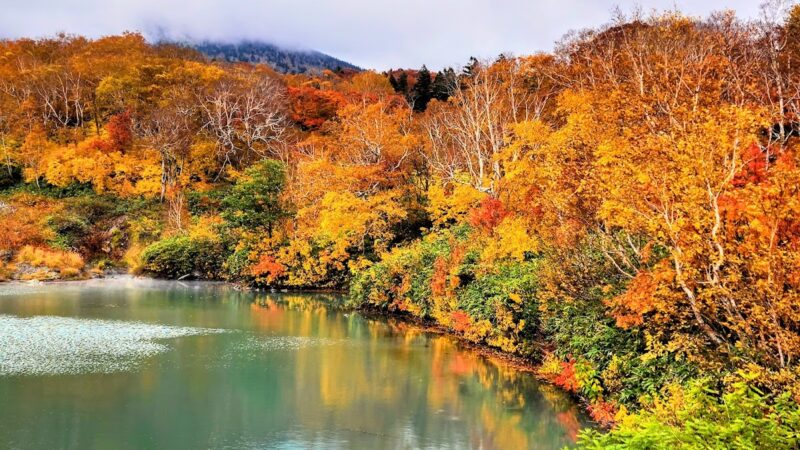
Jigoku Swamp is said to be most beautiful during the autumn foliage season. The contrast between the mountains tinted red with fall colors, the blue-green swamp, and rising white steam is truly spectacular. During the foliage season, many photography enthusiasts visit. A swamp tinted red with autumn leaves creates a landscape literally befitting “Hell.”
Winter (December–March)
In winter, Jigoku Swamp’s steam stands out more starkly against the snowy landscape. The steam from hot water welling up in freezing cold creates a fantastical sight. However, note that winter access requires caution as the Hakkoda-Towada Gold Line is closed seasonally.
Basic Information and Access Methods
Here is detailed information on basic facts and access methods for visiting Jigoku Swamp.
Basic Information
- Address: Aomori City, Aomori Prefecture, Arakawa-cho Minami-Arakawa-yama National Forest Sukayu-sawa 50 (near Sukagyu Hot Spring)
- Viewing Hours: 24 hours available (nighttime viewing not recommended due to danger)
- Admission: Free
- Time Required: Approximately 15–30 minutes for viewing
- Parking: Use Sukagyu Hot Spring parking (free)
- Inquiries: Aomori City Tourism Division 017-734-5179
Access by Car
Route from Tohoku Expressway
- Approximately 50 minutes from Aomori IC via National Route 103
- Approximately 40 minutes from Kuroishi IC via National Routes 394 and 103
Park your car at Sukagyu Hot Spring parking (free) and reach Jigoku Swamp by foot in approximately 5–10 minutes. Located along the Hakkoda-Towada Gold Line, it is popular as a driving route.
Precautions
- Certain sections of the Hakkoda-Towada Gold Line close during winter (early November–early April)
- Those unfamiliar with snow driving are advised to avoid winter visits or use public transportation
Access by Public Transportation
Using JR Bus
- Board “Towada Lake” or “Mizuumi-go” bus from JR Aomori Station
- Get off at “Sukagyu Hot Spring” bus stop (approximately 80 minutes travel time)
- Reach Jigoku Swamp by foot in approximately 5–10 minutes from the bus stop
Bus Operation Information
- Limited bus frequency; checking the schedule in advance is strongly recommended
- Winter service is further reduced
- Calculate round-trip times and always confirm your return bus time
Access from Sukagyu Hot Spring
A walking trail connects Sukagyu Hot Spring Inn to Jigoku Swamp, approximately 5–10 minutes’ walk away, allowing enjoyment of Hakkoda’s nature en route.
Characteristics of the Walking Trail
- Relatively flat and easy to walk
- Wooden walkways are installed in some sections
- Signage makes it unlikely to lose your way
Precautions and Safety Measures While Viewing
Jigoku Swamp is a naturally maintained volcanic activity site requiring careful attention.
Essential Rules to Follow
- Do not enter the swamp: Water exceeding 90 degrees Celsius wells up, making it extremely dangerous. Falling into the swamp could result in serious accidents.
- Stay within the fence: Always obey installed fencing and no-entry signs.
- Do not take your eyes off children: Especially with small children, hold hands throughout your visit.
Clothing and Belongings
Clothing
- Comfortable walking shoes (sneakers or trekking shoes recommended)
- Seasonal outerwear (Hakkoda’s temperature is lower than lowland areas)
- Rain gear (weather changes quickly in mountainous terrain)
Belongings
- Drinking water
- Camera (for capturing spectacular views)
- Insect repellent (summer season)
- Towel (if also using Sukagyu Hot Spring)
Health Considerations
- Those with respiratory disorders: Sulfur gas may cause irritation; do not overexert yourself
- Those with allergies: Exercise caution regarding sulfur reactions
- Those feeling unwell: Avoid visiting under poor health conditions
Recommended Nearby Spots
Numerous sightseeing spots worth visiting surround Jigoku Swamp.
Sukagyu Hot Spring Inn
A representative Japanese hot spring inn approximately 5–10 minutes’ walk from Jigoku Swamp.
Thousand-Person Bath
- 264 square-meter large bathhouse constructed entirely of cypress wood
- Mixed bathing (women-only hours available)
- Day-use bathing available
- Water quality: Acidic sulfurous spring
- Benefits: Neuralgia, rheumatism, skin diseases, and more
Day-Use Bathing Information
- Operating Hours: 7:00 AM–5:30 PM (reception until 5:00 PM)
- Fee: Adults ¥1,000, Children ¥500
Manjuu-Fukashi
A nearby spot where you can experience steaming buns using hot spring vapor. This precious location allows direct experience of geothermal blessings, with freshly steamed buns offering exceptional deliciousness.
Onimen-an
An eatery serving dishes with local ingredients. Enjoy Aomori’s flavors while viewing the Hakkoda mountains. Local wild vegetable and regional cuisine dishes are especially popular.
Hakkoda Ropeway
Located approximately 20 minutes by car from Jigoku Swamp, this ropeway offers an aerial tour of Hakkoda Mountain. The 360-degree panoramic views from the summit reveal the Tsugaru Peninsula and Shimokita Peninsula on clear days.
Basic Information
- Operating Period: Year-round (except maintenance periods)
- Travel Time: Approximately 10 minutes one-way
- Fee: Round-trip adults approximately ¥2,000
Hakkoda-Towada Gold Line
The scenic driving route passing Jigoku Swamp. The approximately 8-km section is particularly beautiful during fresh green and autumn foliage seasons, known as a popular driving and touring destination.
Attractions
- Suiren Swamp: A mirror-like pond reflecting Hakkoda Mountain
- Shiro-ga-Kura Great Bridge: A notably long arch bridge in Japan
- Views from various observation points
Lodging Facility Information in the Surrounding Area
Multiple hot spring lodging facilities exist in the Jigoku Swamp vicinity.
Sukagyu Hot Spring Inn
Features
- The closest lodging to Jigoku Swamp
- Traditional therapeutic bathing inn atmosphere
- Unlimited access to the famous Thousand-Person Bath
- Both self-catering and inn lodging options available to suit budgets
Accommodation Rate Guide
- One night with two meals: Approximately ¥10,000–¥15,000
- Therapeutic bathing plan (self-catering): More economical options available
Hakkoda Hot Spring Resort Hotel Shiro-ga-Kura (HOTEL Jogakura)
Features
- Approximately 15 minutes by car from Jigoku Swamp
- Positioned on high ground near Shiro-ga-Kura Great Bridge
- Exceptional views from open-air baths
- Choice of Western and Japanese-style rooms
- Restaurant dining options well-developed
Accommodation Rate Guide
- One night with two meals: Approximately ¥15,000–¥20,000
Hakkoda Hotel
Features
- Approximately 10 minutes by car from Jigoku Swamp
- Quiet environment surrounded by beech virgin forest
- Hot spring from private source
- Concept combining French cuisine with hot springs
Accommodation Rate Guide
- One night with two meals: Approximately ¥20,000–¥30,000
Recommended Model Courses
We propose efficient sightseeing model courses centered on Jigoku Swamp.
Day Trip Course (by car)
Morning
- 9:00 AM Depart Aomori City
- 10:00 AM Arrive at Sukagyu Hot Spring, use parking
- 10:10 AM Jigoku Swamp viewing (30 minutes)
- 10:40 AM Manjuu-fukashi experience
- 11:30 AM Day-use bathing at Sukagyu Hot Spring
Afternoon
- 1:00 PM Lunch at Onimen-an
- 2:00 PM Hakkoda Ropeway to mountain summit
- 3:30 PM Suiren Swamp walk
- 4:30 PM Shiro-ga-Kura Great Bridge viewing
- 6:00 PM Return to Aomori City
Two Days, One Night Course
Day 1
- Morning: Aomori City sightseeing (Wal-Rasse Aomori Nebuta House, etc.)
- Afternoon: Transfer to Hakkoda area
- 3:00 PM Jigoku Swamp viewing
- 4:00 PM Check in at Sukagyu Hot Spring
- Evening–Night: Hot spring immersion
Day 2
- Early morning: Hot spring bath
- 9:00 AM Check out
- Late morning: Hakkoda-Towada Gold Line drive
- Afternoon: Towada Lake sightseeing
- Evening: Return journey
Special Autumn Foliage Season Course (late September–mid October)
Early Morning
- 6:00 AM Arrive at Jigoku Swamp before sunrise (fantastical sight of morning mist and steam)
- 7:00 AM Morning bath at Sukagyu Hot Spring
Morning
- 9:00 AM Hakkoda Ropeway for foliage viewing
- 11:00 AM Autumn foliage walk around Suiren Swamp
Afternoon
- 1:00 PM Autumn foliage photography from Shiro-ga-Kura Great Bridge
- 3:00 PM Tsuta Hot Spring and Tsuta Nanatsuma Swamp walk
- 5:00 PM Return journey
Event Information
Various events are held in the Hakkoda area by season.
Hakkoda Walk (Spring, Autumn)
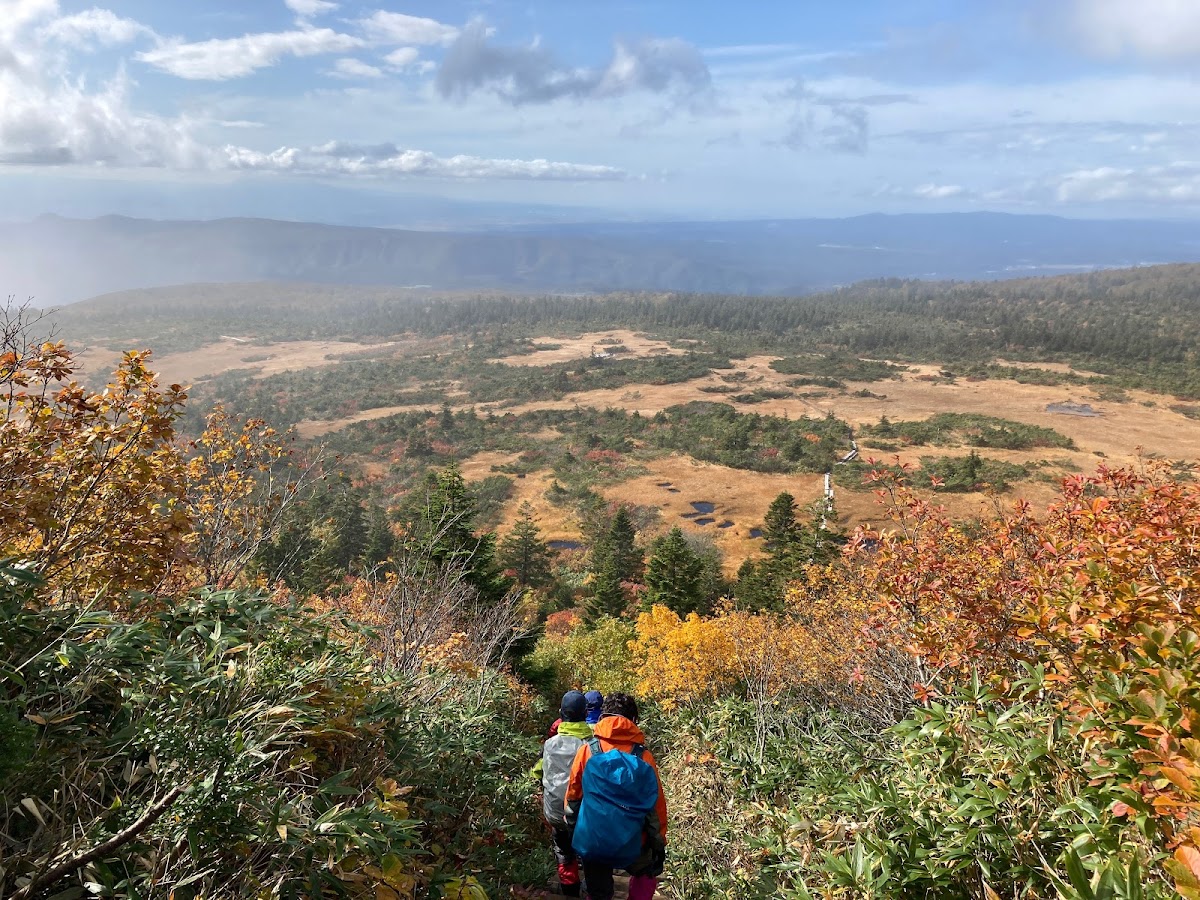
A trekking event for enjoying Hakkoda’s nature on foot. Courses including Jigoku Swamp are available, allowing safe full enjoyment of nature with guides.
Sukagyu Hot Spring Snow Festival (Winter)
An event showcasing snow sculptures and snow lanterns unique to the heavy snow region. Local regional cuisine is also offered.
Hakkoda Autumn Foliage Festa (October)
An event held during foliage season. Local specialty product sales and tours visiting foliage spots are organized.
Photography Tips
Jigoku Swamp is an ideal subject for photography enthusiasts.
Tips for Capturing Best Shots
Time of Day
- Early morning: Morning mist and steam blend, creating a fantastical atmosphere
- Late morning: Light angles are favorable, swamp color appears vivid
- Evening: Setting sun illuminates Hakkoda Dagatake, creating dramatic scenery
Composition
- Include Hakkoda Dagatake as background
- Position steam in foreground to create depth
- During foliage season, use red leaves as a frame
Camera Settings
- Slightly underexpose to express steam
- Polarizing filter effective for vivid swamp color
- Long-exposure with tripod makes steam appear fantastical
Etiquette
- Photograph from locations not blocking other tourists
- Never photograph from outside the fence
- Drone photography may require prior permission
History and Culture of Jigoku Swamp
Jigoku Swamp is deeply connected to regional history and culture, not merely a tourist destination.
Hakkoda Mountain and Regional Relations
Hakkoda Mountain has long been an object of veneration. Volcanic activity traces like Jigoku Swamp were revered as “sacred sites” in mountain worship traditions, with a history of being passed down.
Hakkoda Snow March Disaster
The Hakkoda Snow March Disaster of 1902 (Meiji 35) is known as Japan’s largest-scale mountain accident. This incident tells of Hakkoda Mountain’s harsh natural environment and is passed down as regional history.
Connection with Hot Spring Culture
Jigoku Swamp and Sukagyu Hot Spring, as products of the same volcanic activity, have long been centers of therapeutic bathing culture. The therapeutic bathing tradition continuing from the Edo period persists into modern times.
Q&A: Frequently Asked Questions About Visiting Jigoku Swamp
Can I view the site during winter?
Viewing is possible, but access is restricted during the Hakkoda-Towada Gold Line closure period (early November–early April). Also, heavy snowfall and hazardous conditions require sufficient equipment and experience for winter visits.
Can small children safely view the site?
Fencing is installed, making viewing within the fence relatively safe. However, parents must hold children’s hands throughout viewing, never taking their eyes off them for a moment.
Can I bring pets?
Pets may accompany you, but must always be leashed and kept from bothering other tourists. Special care is needed to prevent them from approaching the swamp.
How much time is required?
Viewing Jigoku Swamp alone takes approximately 15–30 minutes. Including hot spring bathing and surrounding walks, plan for 2–3 hours.
Is the parking lot crowded?
The parking lot is particularly congested during foliage season (late September–mid October) weekends. Early morning visits are recommended. It is relatively uncrowded during weekdays and outside foliage season.
Summary: Experiencing Nature’s Wonders at Jigoku Swamp
Sukagyu Hot Spring and Jigoku Swamp in Aomori Prefecture are precious natural spots conveying traces of volcanic activity to the present day. The landscape of hot water exceeding 90 degrees Celsius welling up, with sulfurous gas billowing forth, continues to captivate visitors as a place where one can directly sense Earth’s breath.
The ever-changing seasonal landscape, particularly the spectacular views during autumn foliage season, is well worth seeing. Surrounding areas feature hot spring facilities like Sukagyu Hot Spring and spots for enjoying Hakkoda’s nature, with attractions so numerous they cannot be fully explored in a single day.
When visiting, exercise full caution for safety and approach with respect for nature. The mystical landscape of Jigoku Swamp will surely become a deeply etched memory in your heart. When visiting Aomori Prefecture, be sure to experience this natural wonder.