Todoroki Fudo Son Tokyo Complete Guide|History, Benefits, Goshuin Stamps, and Todoroki Valley Walks
Todoroki Fudo Son, located in a quiet residential area of Setagaya Ward, Tokyo, is a special sacred place that allows visitors to forget the hustle and bustle of the city. This location, nestled in the natural surroundings of Todoroki Valley—the only valley in Tokyo’s 23 wards—is cherished not only by local residents but also by many pilgrims as a precious spot where history spanning the Heian period merges with modern healing.
This article provides comprehensive information you should know before visiting Todoroki Fudo Son, including its history, highlights, benefits, access methods, and annual events.
What is Todoroki Fudo Son|History and Origins of the Manjuji Temple Annex
A Sacred Place with Over 900 Years of History
Todoroki Fudo Son is formally known as “Manjuji Temple Annex” and is a temple belonging to the Shingon-shu Chisan sect. Its founding dates back to the late Heian period, boasting a history of over 900 years.
The origins of its founding are related to a dream of Kogyō Daishi, known as the restorer of Shingon Buddhism. It is said that a statue of Fudo Myō-ō created by Gyōja of the Heian period appeared in Kogyō Daishi’s dream, and upon receiving a divine message saying “you should open a sacred place in this location,” Fudo Myō-ō was enshrined in Todoroki, marking the beginning.
Relationship with Manjuji Temple
Todoroki Fudo Son is positioned as an annex of Manjuji Temple in Setagaya Ward. Manjuji Temple has walked through over 1000 years alongside the community, and while preserving traditions, it has also actively undertaken new initiatives such as constructing a large pagoda in the Heisei period.
The current gate of Todoroki Fudo Son is a moved structure of the former Manjuji Temple gate, where the atmosphere of the historic Manjuji Temple remains strongly present.
Kanto Thirty-Six Fudo Sacred Sites and Tamagawa Eighty-Eight Sacred Sites
Todoroki Fudo Son is also known as the 17th sacred site of the Kanto Thirty-Six Fudo Sacred Sites and the 33rd sacred site of the Tamagawa Eighty-Eight Sacred Sites. It has become an important pilgrimage destination for those undertaking these sacred site pilgrimages.
Benefits and Principal Deities of Todoroki Fudo Son
Principal Deities: Dainichi Nyorai of the Diamond Realm and Fudo Myō-ō
The principal deity of Todoroki Fudo Son is Dainichi Nyorai of the Diamond Realm, with Fudo Myō-ō, also said to be an incarnation of Dainichi Nyorai, enshrined here. Fudo Myō-ō is one of the myō-ō in esoteric Buddhism, revered as a Buddha who severs delusions and guides people toward the righteous path.
Local residents affectionately call this place “Todoroki’s Fudo-sama” or “Fudo-san,” and it has served as the center of the community’s faith for a long time.
Diverse Benefits
Todoroki Fudo Son is said to provide the following diverse benefits:
- Warding Off Misfortune and Inviting Good Fortune: Through the power of Fudo Myō-ō, ward off disasters and invite good fortune
- Academic Success and Exam Passage: For students and pupils to wish for academic advancement
- Romantic Fulfillment and Good Relationships: To establish good connections
- Wish Fulfillment: To fulfill heartfelt desires
- Traffic Safety: To protect safe daily travel
- Safe Childbirth: To wish for healthy delivery for both mother and child
- Victory Luck and Winning Power: From the history of the Kira clan, a samurai family of the Sengoku period, using this as a place for prayers for victory in battle
Notably, during the Sengoku period, the Kira clan utilized this temple as a place for prayers for victory in battle, and many pilgrims visit to pray for “winning power” in competitions and examinations.
Highlights and Temple Grounds Guide of Todoroki Fudo Son
Fudo Falls|A Practice Site Still Active Today
Within the temple grounds stands a waterfall called “Fudo Falls,” long known as a place where practitioners perform waterfall training. Currently, practitioners continue to visit this location to undergo spiritual purification through ascetic practice.
This waterfall, fed by spring water from Todoroki Valley, was selected as one of “Tokyo’s 57 Famous Spring Waters,” making it a precious spot where one can feel nature’s blessings even in an urban setting.
Natural Beauty Through the Four Seasons
One major attraction of Todoroki Fudo Son is the beautiful natural scenery changing with each season.
Spring: Cherry blossoms bloom profusely along the temple grounds and Todoroki Valley, attracting many visitors as a famous flower-viewing spot.
Summer: Lush green trees create cool shadows, and visitors can enjoy the coolness along with the murmuring of the valley stream.
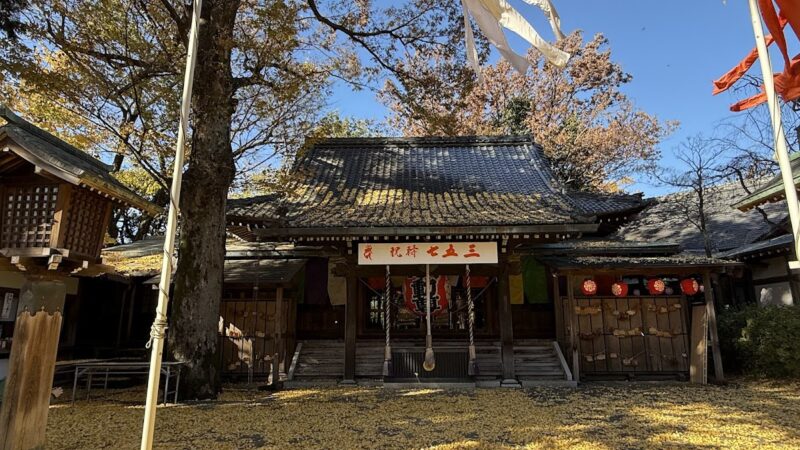
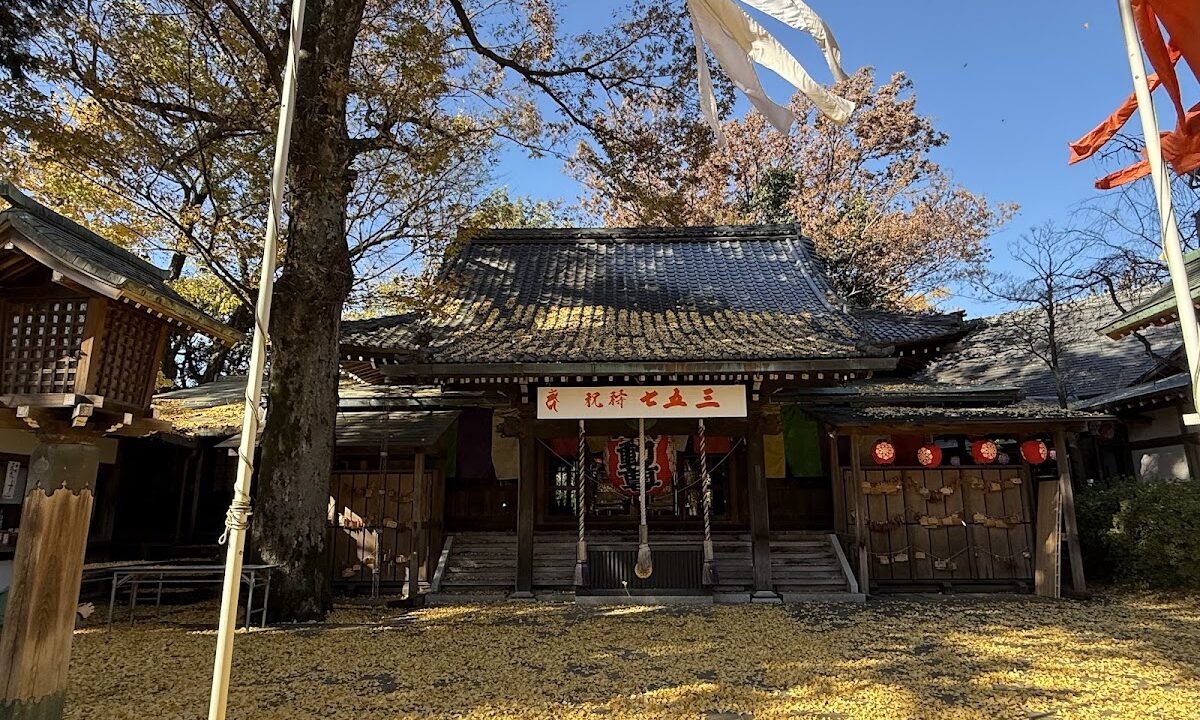
Autumn: Ginkgo and maple trees change color, and the beauty of autumn foliage is exceptional. The sight of the entire valley turning autumnal colors is spectacular.
Winter: Surrounded by silence, worshippers can experience a solemn atmosphere that purifies the heart.
Rest House “Setsugetsuka”
A rest house called “Setsugetsuka” is attached to the temple grounds, where visitors can enjoy light meals and sweets after worship. It is ideal for stopping by during a Todoroki Valley walk, offering traditional Japanese sweets such as kuzu mochi and sweet sake, allowing visitors to spend relaxed time in nature.
Temple Gate and Grounds Atmosphere
The temple gate, relocated from Manjuji Temple, bears the weight of history. Passing through this gate leads to a serene space unimaginable from the urban center. The grounds feature many planted trees that reveal different aspects with each season.
Goshuin Stamp Information|Todoroki Fudo Son’s Goshuin
Types of Goshuin Stamps and Reception Hours
Visitors can receive goshuin stamps at Todoroki Fudo Son as proof of their pilgrimage. Goshuin stamps are important for those on pilgrimages of the Kanto Thirty-Six Fudo Sacred Sites and Tamagawa Eighty-Eight Sacred Sites.
Reception Hours: 9:00–16:00
Goshuin stamps are received at the stamp issuing office within the temple grounds, and visitors may request one after worship. Those undertaking sacred site pilgrimages should bring their dedicated stamp books.
Goshuin Stamp Books
Original Todoroki Fudo Son goshuin stamp books may be available. Popular designs include those featuring Todoroki Valley’s natural scenery and Fudo Myō-ō as motifs.
Integrated Appeal with Todoroki Valley
The Only Valley in Tokyo’s 23 Wards
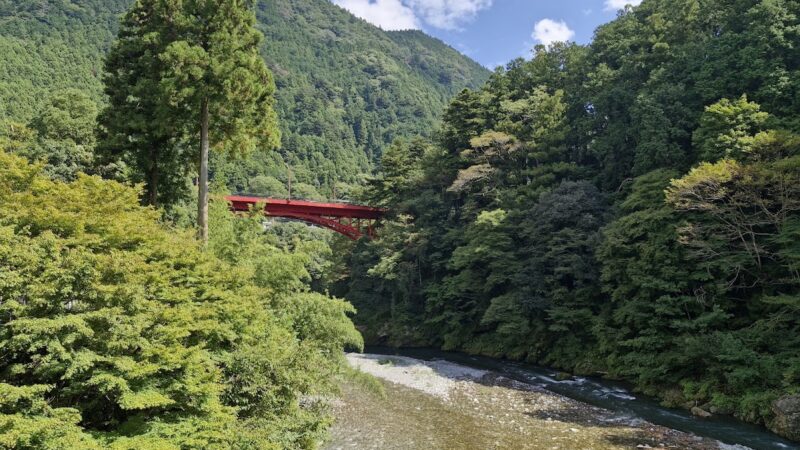
In discussing Todoroki Fudo Son, one cannot overlook the existence of “Todoroki Valley,” the only valley in Tokyo’s 23 wards. This valley is designated as a historic scenic site by Tokyo and spans approximately one kilometer of lush natural vegetation.
Todoroki Valley was formed through erosion of the Musashino Plateau by the Yazawa River, and despite being only tens of minutes from the city center, visitors can experience nature as if they were in a remote mountain area.
Combining Valley Walks with Worship
Access to Todoroki Fudo Son is especially recommended via a route through Todoroki Valley. Descending into the valley from Todoroki Station and walking between trees while listening to the stream’s murmur naturally brings peace to one’s mind.
Walking paths are well-maintained throughout the valley, allowing visitors to enjoy easy walks. Along the way are historic sites including ancient burial mounds and horizontal shaft tombs, adding the appeal of historical exploration.
Value as a Healing and Power Spot
The area combining Todoroki Valley and Todoroki Fudo Son is known as an oasis in the city and a powerful spiritual power spot. The natural energy combined with the sacred atmosphere of the sacred site soothes and refreshes visitors’ hearts.
This has become a popular date spot, with couples’ walks through the valley followed by prayers for romantic fulfillment at Todoroki Fudo Son being a standard course.
Access|How to Reach Todoroki Fudo Son
Basic Information
Address: 1-22-47 Todoroki, Setagaya Ward, Tokyo
Hours: 9:00–16:00
Closed: None (Open year-round)
Admission: Free
Train Access
Nearest Station: Todoroki Station on the Tokyu Ōimachi Line
It is approximately a 10-minute walk from Todoroki Station. Exit the station heading toward Todoroki Valley, descend into the valley, and proceed along the walking path for the most scenic route.
Access from Major Stations
- From Shibuya Station: Take the Tokyu Denentoshi Line to Futako-Tamagawa Station, transfer to the Tokyu Ōimachi Line to Todoroki Station (approximately 20 minutes)
- From Shinagawa Station: Direct Tokyu Ōimachi Line service to Todoroki Station (approximately 30 minutes)
- From Shinjuku Station: Keio Line to Meidai-mae Station, Keio Inokashira Line to Shibuya Station, then Tokyu Line (approximately 40 minutes)
Car Access and Parking
By car, it is approximately 10 minutes from the Tamagawa IC of the Daisankeihan Expressway. However, there is no large dedicated parking lot at Todoroki Fudo Son, so nearby coin parking facilities must be used.
Since the Todoroki Valley area is a residential neighborhood, public transportation is recommended. Especially on weekends and during autumn foliage season when crowds are heavy, train access is smoother.
Annual Events at Todoroki Fudo Son
Throughout the year, various religious ceremonies and seasonal events are held at Todoroki Fudo Son.
Major Annual Events
January
- New Year’s Worship: Large numbers of worshippers arrive to pray for new year blessings
- New Year’s Fire Ritual: The first fire ritual of the year is performed
February
- Setsubun Festival: Bean-throwing and misfortune-warding rituals are held
Spring Season
- Spring Equinox Service: Memorial service for ancestors
- Flower Festival (April 8): Celebration of Buddha’s birth
August
- Obon Memorial Service: Ritual honoring ancestral spirits during the Obon season
Autumn Season
- Autumn Equinox Service: Autumn equinox memorial service
December
- Year-End Fudo Fire Ritual: Concluding fire ritual of the year
Monthly Events
Monthly fire rituals are held on the 28th of each month, in which worshippers may freely participate. Fire rituals are an important esoteric Buddhist practice believed to burn away delusions through the power of flames and fulfill wishes.
Tourist Attractions Near Todoroki Fudo Son
Todoroki Valley Park
A natural park integrated with Todoroki Fudo Son. Walking paths are well-maintained, allowing visitors to enjoy nature through the four seasons. Popular for bird watching and photography.
Todoroki Valley Horizontal Shaft Tombs
Horizontal shaft tombs within the valley from the late Kofun period through the Nara period. Designated as a Tokyo historic site, offering glimpses of ancient life.
Noge Ōtsuka Burial Mound
Located approximately 15 minutes’ walk from Todoroki Station, this is a keyhole-shaped burial mound constructed in the early 5th century. It ranks among Tokyo’s largest mounds.
Futako-Tamagawa Area
One station from Todoroki Station, Futako-Tamagawa is a shopping area along the Tamagawa River. Futako-Tamagawa Rise and Takashimaya make it convenient for shopping and dining after worship.
Precautions and Etiquette When Visiting Todoroki Fudo Son
Worship Etiquette
- Dress Code: No special attire is required, but avoid overly exposed clothing
- Photography: Photography within the grounds is generally permitted, but be considerate of temple halls and other worshippers
- Quiet Behavior: As this is a sacred place, please keep conversations quiet
- Dispose of Trash Properly: To preserve the natural environment, always take trash with you
Precautions for Valley Walks
- The ground may be slippery in places, so comfortable walking shoes are recommended
- Insect repellent spray is convenient in summer
- The stream may swell after rain, so pay attention to weather conditions
- The valley has many shaded areas, so bringing something to wear is advisable even in summer
Accommodations Near Todoroki Fudo Son
While there are few large hotels immediately surrounding Todoroki Fudo Son, Setagaya Ward and nearby areas offer various lodging options.
Hotels in Setagaya and Futako-Tamagawa Areas
The Futako-Tamagawa Station area has business hotels and city hotels with convenient access to Todoroki Fudo Son. Some accommodations offer views of the Tamagawa River.
Hotels in Shibuya and Shinagawa Areas
A popular plan involves staying in Shibuya or Shinagawa hotels as a base for Tokyo sightseeing and visiting Todoroki Fudo Son as a day trip. Shibuya is approximately 20 minutes away, and Shinagawa is approximately 30 minutes away.
Access from Kanagawa and Chiba Areas
From Kanagawa areas like Kawasaki and Yokohama, and from Chiba Prefecture, access is easy using Tokyu and Keikyū lines, allowing these areas to serve as bases. Approximately one hour of travel from hotels in Fujisawa or Kawasaki stations is feasible.
Frequently Asked Questions (FAQ)
Q1: How long does a visit to Todoroki Fudo Son take?
A1: Visiting only the temple grounds takes approximately 30 minutes, but combining with a Todoroki Valley walk allows 1.5 to 2 hours for a leisurely experience. Adding 30 minutes to an hour for enjoying sweets at the rest house is recommended.
Q2: Can I receive a special prayer ritual at Todoroki Fudo Son?
A2: Yes, special prayer rituals are available. Various rituals are offered, including misfortune-warding, exam passage prayers, traffic safety blessings, and safe childbirth prayers. Advance phone reservations are recommended. Fire rituals are performed, and visitors receive protective amulets and talismans.
Q3: Is it possible to visit with a wheelchair or stroller?
A3: The route through Todoroki Valley involves many stairs and slopes, making wheelchair and stroller access difficult. However, there is an alternative route via the upper road providing direct access. The temple grounds themselves are relatively flat, though there are some steps. Advance inquiry is recommended.
Q4: Is it possible to visit with pets?
A4: Pets may accompany visitors on the Todoroki Valley walking paths, though there may be restrictions on pets within the temple grounds. Small dogs in carriers should be carried with consideration for other worshippers. Confirm details on-site.
Q5: When is the best time to see autumn foliage at Todoroki Fudo Son?
A5: The foliage typically peaks from mid-November to early December. Late November is especially beautiful, with the temple grounds and entire valley turning red and golden. This period draws many worshippers and tourists, so visiting on weekday mornings is recommended.
Q6: What types of protective amulets can I purchase at Todoroki Fudo Son?
A6: Various amulets are available, including those for academic success, traffic safety, misfortune-warding, romantic fulfillment, and safe childbirth. Amulets related to Fudo Myō-ō and original Todoroki Fudo Son designs are popular. They are available at the stamp issuing office.
Q7: Where can I eat near Todoroki Fudo Son?
A7: Light meals and sweets are available at the rest house “Setsugetsuka” within the grounds. Several restaurants are scattered near Todoroki Station. One station away in Futako-Tamagawa, numerous restaurants and cafés are convenient for post-worship dining.
Q8: Can I worship on rainy days?
A8: Worship is possible on rainy days, but the valley walking path becomes slippery, requiring caution. On rainy days, choosing the upper road route avoiding the valley is advisable. Wet green foliage is beautiful, and rainy days offer a unique serene atmosphere.
Conclusion|Find Peace of Mind at Todoroki Fudo Son
Todoroki Fudo Son in Setagaya Ward, Tokyo, is a sacred place with over 900 years of history and an oasis in the city, blessed with Todoroki Valley—the only valley in Tokyo’s 23 wards.
Many people visit for various purposes: pilgrims seeking Fudo Myō-ō’s blessings, walkers enjoying Todoroki Valley’s natural scenery, and photography enthusiasts capturing seasonal beauty. Whether seeking benefits such as academic success, romantic fulfillment, or misfortune-warding, or simply seeking a place to calm the mind and refresh from daily hustle and bustle, Todoroki Fudo Son remains a precious sanctuary for modern people.
With excellent access—merely a 10-minute walk from Todoroki Station on the Tokyu Ōimachi Line—yet offering otherworldly serenity and nature, and within 30 minutes from major stations like Shibuya and Shinagawa, Todoroki Fudo Son deserves a visit as part of Tokyo sightseeing or neighborhood exploration.
With distinct charm in each season—cherry blossoms in spring, verdant greenery in summer, autumn foliage in fall, and serenity in winter—Todoroki Fudo Son, as your spiritual sanctuary, will surely offer new discoveries and tranquility.