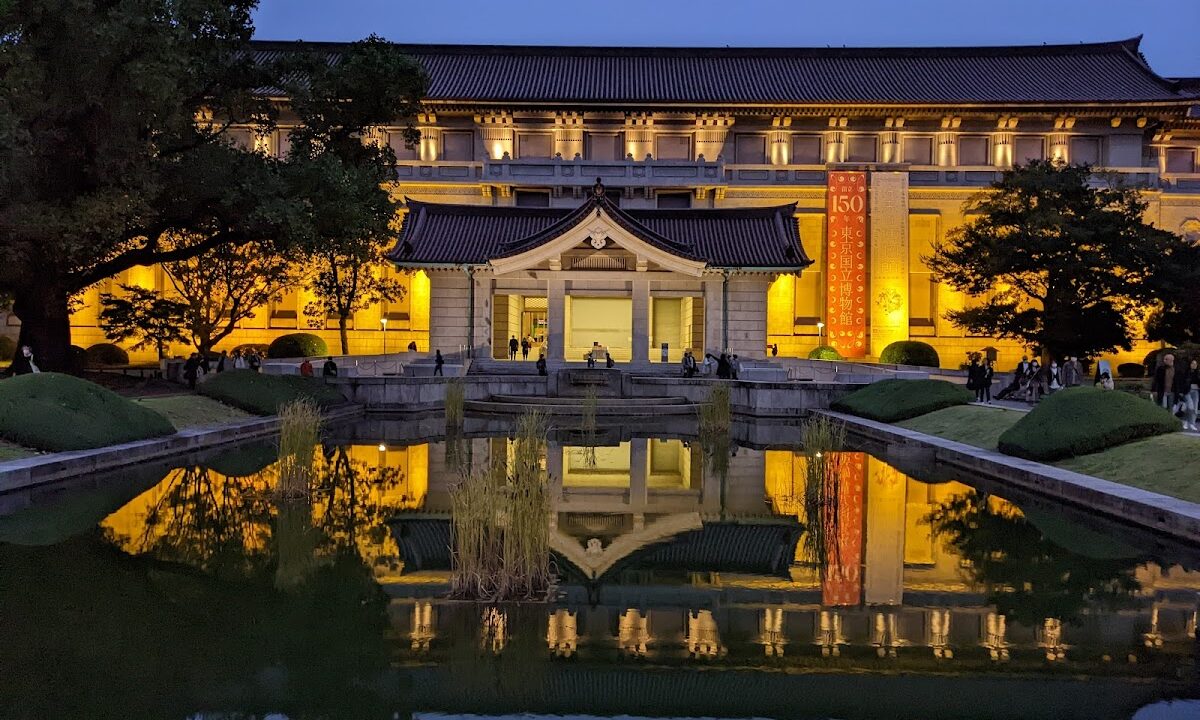
Complete Guide to the Tokyo National Museum | Highlights and How to Enjoy Japan’s Oldest Museum in Ueno, Tokyo
The Tokyo National Museum (commonly known as Touhaku), located within Ueno Park in Taito Ward, Tokyo, is Japan’s oldest museum, having been founded in Meiji 5 (1872). Boasting a collection of approximately 120,000 items including Japanese and Oriental artworks and archaeological artifacts, it serves as Japan’s largest cultural facility, housing 89 national treasures and approximately 650 designated important cultural properties, captivating visitors throughout the year.
This article comprehensively covers everything you should know before visiting the Tokyo National Museum, from its history and characteristics of each exhibition hall to access methods, admission fees, and recommended ways to enjoy it.
History and Overview of the Tokyo National Museum
The Journey as Japan’s Oldest Museum
The history of the Tokyo National Museum traces back to Meiji 5 (1872), with an exhibition held at the Taiseidenjiro of Yushima Seido. This is considered the beginning of museums in Japan, and for over 150 years, it has played a central role in protecting Japan’s cultural properties.
Since its founding, it has engaged in collecting, preserving, restoring, displaying, investigating, researching, and educational outreach of Japanese and Oriental cultural properties. Currently, it is operated by the National Institutes for Cultural Heritage, an independent administrative agency. As a historical institution, it has carried the mission of protecting and passing down Japanese traditional culture amid the modernization of the Meiji era.
Scale and Value of Collection
The Tokyo National Museum’s collection comprises approximately 120,000 items, boasting Japan’s finest collection in both quality and quantity. These cultural properties, including 89 national treasures and approximately 650 government-designated important cultural properties, serve as indispensable research materials for Japanese art history, archaeology, and Oriental art studies.
Approximately 3,000 works are continuously displayed, with 300 to 400 exhibition rotations conducted annually. This means that each visit offers new discoveries, and the museum is known for having many repeat visitors.
Six Exhibition Halls of the Tokyo National Museum
The Tokyo National Museum comprises six exhibition halls: the Main Building, the Oriental Gallery, the Heisei Building, the Horyu-ji Treasures Gallery, the Hyokeikan, and the Kuroda Commemorative Gallery. Each functions independently as a museum with sufficiently rich content.
Main Building (Japanese Gallery)
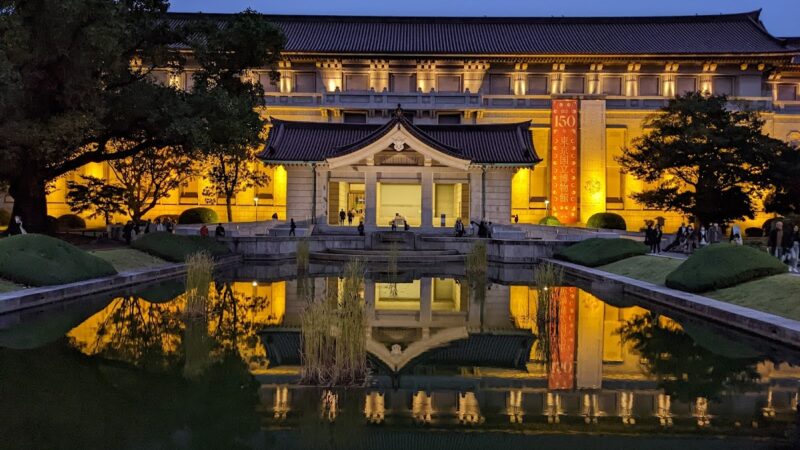
The Main Building, which opened in Showa 13 (1938), is an architecturally distinguished structure designated as a nationally important cultural property. Displaying Japanese art chronologically, it allows visitors to systematically understand the flow of Japanese art from the Jomon period through the Edo period.
The second floor features exhibition rooms organized by category, including sculpture, ceramics, swords, lacquerware, and metalwork, while the first floor displays paintings, calligraphy, textiles, and historical materials. The sword collection, in particular, is highly regarded worldwide, allowing visitors to appreciate the beauty and technical excellence of Japanese swords.
Oriental Gallery (Asia Gallery)
The Oriental Gallery is a facility displaying art and archaeological artifacts from throughout Asia, including China, the Korean Peninsula, Southeast Asia, the Western Regions, India, and Egypt. It reopened in Heisei 25 (2013) with improved visibility and comprehensibility.
Collections include Chinese bronzes, ceramics, Buddhist art, Korean ceramics and Buddhist sculptures, and Buddhist sculptures from India and Gandhara, allowing visitors to appreciate the diversity and depth of Oriental art. The Chinese ceramics collection, in particular, maintains world-class standards in both quality and quantity.
Heisei Building
The Heisei Building, which opened in Heisei 11 (1999), features Japanese archaeological exhibitions on the first floor and a special exhibition venue on the second floor.
In the first-floor archaeological exhibition room, visitors can trace Japanese history from the Paleolithic period through the Edo period through excavated materials. It provides a valuable opportunity to observe actual important archaeological materials often seen in textbooks, such as Jomon pottery, Yayoi bronze bells, and Kofun-period clay figurines, up close.
The second-floor special exhibition venue hosts various themed special exhibitions throughout the year. Exhibitions like “Kobo Daishi and the Treasures of Shingon Buddhism,” “The Tale of Genji and Court Culture,” and “Utagawa Hiroshige and Edo Landscapes” attract considerable attention each time.
Horyu-ji Treasures Gallery
The Horyu-ji Treasures Gallery is a specialized facility displaying the “Horyu-ji Donated Treasures,” treasures presented to the Imperial Household from Horyu-ji Temple in Nara in Meiji 11 (1878). This modern building, which opened in Heisei 11 (1999), houses precious Buddhist art from the Asuka through Nara periods.
The approximately 300 items of Horyu-ji donated treasures, including gilt bronze Buddhist statues, bugaku masks, and textiles, represent primary sources documenting the dawn of Japanese Buddhist culture. The 48 gilt bronze Buddhist statues, in particular, are recognized as an important work group demonstrating the diversity and high technical standards of ancient Japanese Buddhist sculpture.
Hyokeikan
The Hyokeikan, a beautifully designed Neo-Baroque structure, opened in Meiji 42 (1909) to commemorate the marriage of the then Crown Prince (later Emperor Taisho). It is designated a nationally important cultural property, making the building itself a valuable cultural asset.
Currently used as a venue for special and planned exhibitions, its elegant architectural space combined with exhibited works creates a unique viewing experience.
Kuroda Commemorative Gallery
The Kuroda Commemorative Gallery is a facility displaying works by Kuroda Seiki, regarded as the father of modern Japanese Western-style painting. It opened in Showa 3 (1928) to commemorate Kuroda Seiki’s bequest of his works and assets to the nation.
Along with his representative oil paintings such as “Lakeside” and “Reading,” sketches and sketch books are displayed, serving as invaluable materials for understanding the development of Japanese Western-style painting from the Meiji through Taisho periods.
Access and Transportation Information
Location
The Tokyo National Museum is located at 13-9 Ueno Park, Taito Ward, Tokyo. It occupies extensive grounds on the north side of Ueno Onshi Park, adjacent to Ueno Zoo.
Train Access
From JR Ueno Station
- Approximately 10-minute walk from the park exit
- Head north through Ueno Park to reach the main gate
From Tokyo Metro and Keisei Electric Railway
- Approximately 15-minute walk from Tokyo Metro Ginza Line and Hibiya Line “Ueno Station”
- Approximately 15-minute walk from Keisei Electric Railway “Keisei Ueno Station”
- Approximately 15-minute walk from Tokyo Metro Chiyoda Line “Nezu Station”
Ueno Station is one of Tokyo’s major terminal stations, served by the Shinkansen and various conventional lines, making access from throughout the city extremely convenient.
Bus Access
Approximately 5-minute walk from the “Ueno Station/Ueno Park” stop on the Taito Ward Circulation Bus “Azuma-Meguri.”
Parking
The Tokyo National Museum has no general parking for visitors. Public transportation is recommended, but those arriving by car must use paid parking lots around Ueno Park. However, during weekends and special exhibitions, surrounding parking lots become congested, making train access most reliable.
Opening Hours and Closed Days
Regular Opening Hours
- Permanent Collection (General Cultural Exhibition): 9:30 AM to 5:00 PM
- Special Exhibitions: Hours may vary depending on the exhibition
Admission ends 30 minutes before closing. Opening hours may be extended depending on the season and special exhibition schedule. Extended evening hours (until 9:00 PM) may be implemented on Fridays and Saturdays during spring and autumn special exhibition periods.
Closed Days
- Mondays (however, if Monday is a national holiday or non-business day, the museum opens and closes the following business day)
- Year-end and New Year period (December 26 through January 1)
- Other days when temporary closure is set
Closed days may change during special exhibition periods, so it is recommended to check the official website for the latest information before visiting.
Admission Fees
Permanent Collection (Permanent Exhibition) Fees
- General: ¥1,000
- University Students: ¥500
- High School Students and Below, Age 18 and Under, Age 70 and Over: Free
Special Exhibition Fees
Special exhibition admission fees vary by exhibition. Special exhibition admission tickets allow viewing of the permanent collection, so purchasing special exhibition tickets is cost-effective when visiting during special exhibitions.
Free Admission Days and Discount Programs
- International Museum Day (May 18): Permanent collection free
- Respect for the Aged Day (third Monday in September): Free admission to special exhibitions for those 70 and older
- Those with Disability Certificates, etc.: Free admission for the holder and one caregiver
- Students of Campus Members Affiliated Schools: Permanent collection free
Annual passes are also available and represent a cost-effective option for those visiting three or more times annually.
How to Enjoy the Tokyo National Museum
Recommended Course for First-Time Visitors
The Tokyo National Museum is vast, and viewing everything at once is difficult. For first-time visitors, the following courses are recommended.
2-Hour Course
- View masterpieces of Japanese art on the Main Building’s second floor (60 minutes)
- View Japanese archaeological artifacts at the Heisei Building first floor (30 minutes)
- Experience Buddhist art from the Asuka and Nara periods at the Horyu-ji Treasures Gallery (30 minutes)
Half-Day Course
- View Japanese art chronologically in the Main Building (90 minutes)
- Explore Asian art in the Oriental Gallery (60 minutes)
- View the archaeological exhibition or special exhibition at the Heisei Building (60 minutes)
- Visit the Horyu-ji Treasures Gallery (30 minutes)
Enjoying Exhibition Rotations
The Tokyo National Museum conducts 300 to 400 exhibition rotations annually. This is important from a work preservation perspective but offers visitors the appeal of encountering new works with each visit.
Japanese paintings and calligraphy on paper, in particular, have limited display periods to prevent light-induced deterioration. National treasures and important cultural properties are often displayed for limited periods. Checking the official website for “Today’s Displays” before visiting allows for a more enriching viewing experience.
Don’t Miss Special Exhibitions
Special exhibitions held on the second floor of the Heisei Building and at the Hyokeikan offer rare opportunities to see works not normally displayed together. Planned exhibitions with narrowed themes, such as “Kobo Daishi and the Treasures of Shingon Buddhism,” “The Tale of Genji and Court Culture,” “Utagawa Hiroshige and Edo Landscapes,” and “Daitokuji─Honcho Musou no Zennin,” reflect the research results of their respective fields, offering high-quality exhibition content.
Special exhibitions may require advance reservations; check the official website for the latest information. Popular exhibitions can be crowded, so visiting on weekdays shortly after opening (9:30-11:00 AM) or near closing (from 3:00 PM) allows more leisurely viewing.
Appreciating the Garden and Tea Houses
During specific periods in spring and autumn, the museum’s garden opens to the public. Five tea houses dot the extensive Japanese garden, which features pools, artificial hills, and stone lanterns, offering beautiful scenery. The garden is particularly stunning during cherry blossom season and fall foliage, providing a rare opportunity to savor Japanese traditional beauty alongside exhibition viewing.
Museum Shop and Restaurant
The museum shop in the Main Building sells original merchandise featuring displayed works, exhibition catalogs, books, and more. It also carries replicas of national treasures and important cultural properties as well as Japanese traditional crafts, making souvenir shopping enjoyable.
Multiple restaurants and cafes are located within the facilities, allowing for breaks during viewing. The Main Building restaurant, in particular, allows diners to enjoy meals while experiencing the museum’s atmosphere.
Educational Programs and Events
The Tokyo National Museum implements various educational programs to deepen understanding of cultural properties.
Gallery Talks and Lectures
Gallery talks by curators are regularly held, allowing visitors to learn about artworks’ highlights and historical background from expert perspectives. Lectures and symposiums related to special exhibitions are also held, providing opportunities for deeper understanding.
Workshops and Experience Programs
Child-focused workshops and traditional technique experience programs are also conducted. Activities such as rubbing experience and Japanese painting material experience allow visitors to deepen their understanding of cultural properties through hands-on engagement.
Digital Content Utilization
The TNM Collection (Tokyo National Museum’s collection database) provides online access to approximately 110,000 collection items and images. Visitors can browse collections from home or search for desired works before visiting, allowing more enriched museum experience planning.
Additionally, through partnership with Google Arts & Culture, high-resolution image viewing and virtual tours are provided, allowing worldwide access to the Tokyo National Museum’s collection from anywhere.
Nearby Tourist Attractions
The Ueno Park area, where the Tokyo National Museum is located, concentrates numerous cultural facilities and tourist attractions.
Ueno Zoo
Located adjacent to the museum, Ueno Zoo is known as Japan’s oldest zoo, housing diverse animals including pandas. For family visits, combining museum and zoo visits in a single-day plan is recommended.
National Museum of Western Art
Also located in Ueno Park, the National Museum of Western Art is renowned for its building designed by Le Corbusier, which is registered as a World Cultural Heritage. Viewing Western art collections allows comparison with Japanese and Oriental art seen at the Tokyo National Museum.
National Museum of Nature and Science
The National Museum of Nature and Science, a comprehensive museum of natural history and science and technology, is also within walking distance. It allows learning about dinosaur fossils, Japanese natural history, and scientific and technological development, and is popular with a wide age range.
Ueno Onshi Park
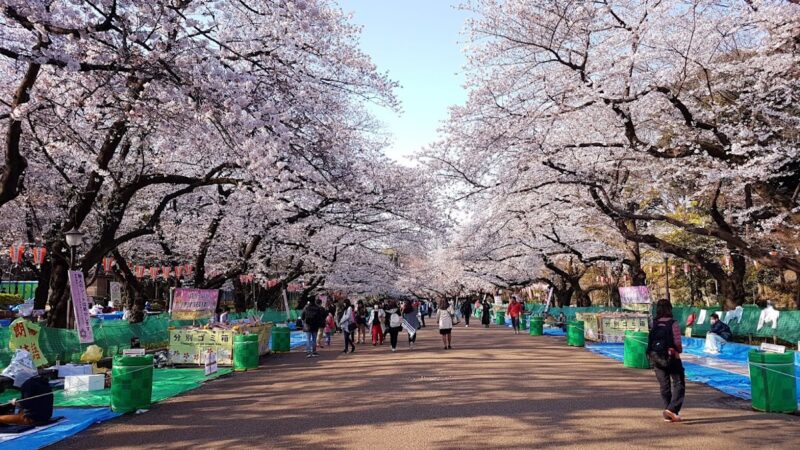
Ueno Onshi Park itself is known as a famous cherry blossom viewing spot. In spring, approximately 1,200 cherry trees bloom, attracting many flower-viewing visitors. Walks around Shinobazu Pond are also enjoyable.
Ameya Yokocho
Ameya Yokocho (Ame-Yoko), stretching between JR Ueno Station and Okachimachi Station, is a lively shopping street lined with approximately 400 shops. With diverse products including food, clothing, and miscellaneous goods, it offers a taste of downtown atmosphere.
Notes and Etiquette for Visiting
Photography Rules
Photography is permitted for most works in the permanent collection, with certain exceptions. However, note the following:
- Flash photography, tripods, and selfie sticks are prohibited
- Works marked as no-photography cannot be photographed
- Special exhibitions generally prohibit photography (some designated photography areas may be available)
- Consider not hindering other visitors’ viewing
Conduct Within the Museum
- Check large baggage at lockers (free lockers available)
- Eating and drinking only in designated areas
- Do not touch artworks
- View quietly
- Set mobile phones to silent mode
Tips for Avoiding Crowds
- Early morning (9:30-11:00 AM) on weekdays or near closing (from 3:00 PM) is relatively quiet
- Weekends and holidays during special exhibitions are crowded; weekday visits recommended
- Purchasing tickets online beforehand streamlines entry
Conclusion: Experiencing the Essence of Japanese Culture at the Tokyo National Museum
The Tokyo National Museum is a special place where, despite being located in central Tokyo’s Ueno Park, Taito Ward, visitors can immerse themselves in eternal history and the world of art through Japanese and Oriental cultural properties. Each of the six exhibition halls—the Main Building, Oriental Gallery, Heisei Building, Horyu-ji Treasures Gallery, Hyokeikan, and Kuroda Commemorative Gallery—possesses its own theme and charm, with each visit offering new discoveries.
The collection of approximately 120,000 items, including 89 national treasures and approximately 650 important cultural properties, maintains Japan’s highest standards in both quality and quantity, supported by its role as the center of Japan’s cultural property protection and research for over 150 years.
With convenient access (approximately 10-minute walk from Ueno Station), integration with nearby cultural facilities, comprehensive educational programs, and special exhibitions held throughout the year, the Tokyo National Museum offers endless fascination. It is enjoyed not only by those interested in Japanese culture but also by international tourists, families, students, and diverse visitor groups.
On your next day off, please visit the Tokyo National Museum and experience the profound depth of Japanese and Oriental art and culture. Surely, new discoveries and moving experiences await.