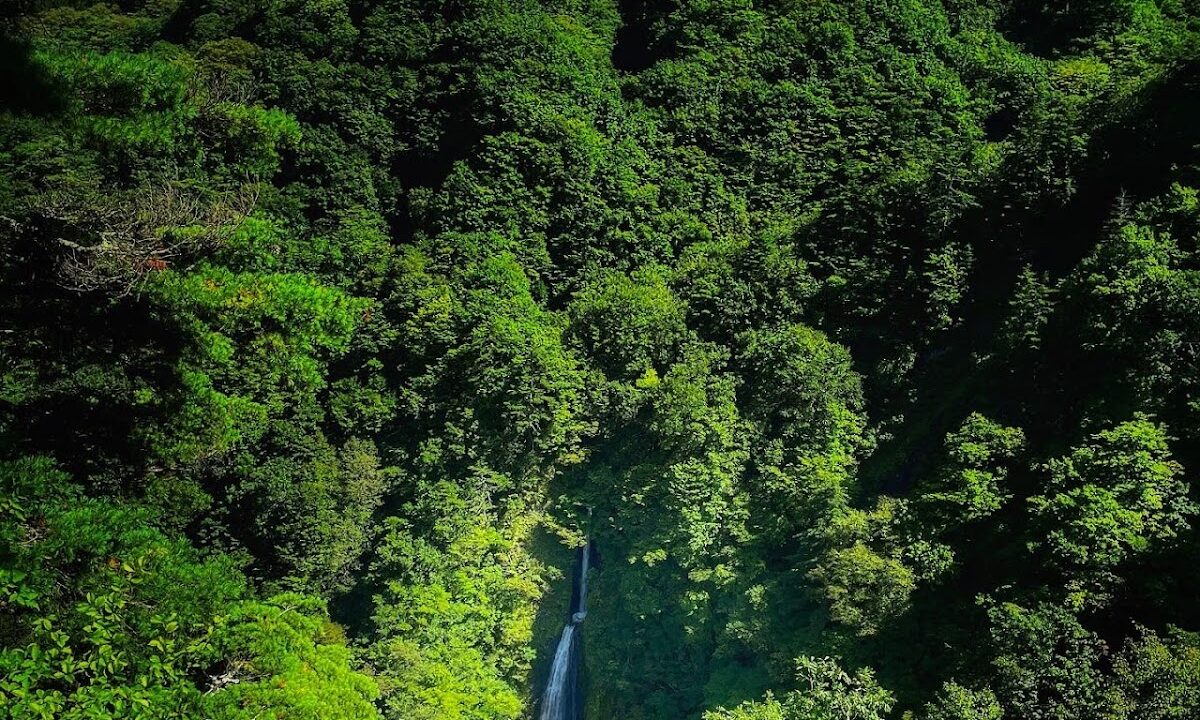
Tsumujikura Falls Fukushima Prefecture Complete Guide|Experience the Spectacular 85-Meter Drop and the Mystery of Rainbows
Located deep in Yanagizu Town, Kawanuma District, Fukushima Prefecture, at the foot of Mt. Hakushi, Tsumujikura Falls is one of the representative waterfalls of the Aizu region. With its two-tiered structure of an upper tier of 25m and a lower tier of 60m, reaching a total drop of 85m, this waterfall is among the largest in scale at the foot of Mt. Hakushi, and has long been known as “Shirameme Falls.” This article comprehensively introduces everything you should know before visiting, including the charm of Tsumujikura Falls, access methods, best seasons, and photography tips.
Basic Information and Characteristics of Tsumujikura Falls
Scale and Structure of the Falls
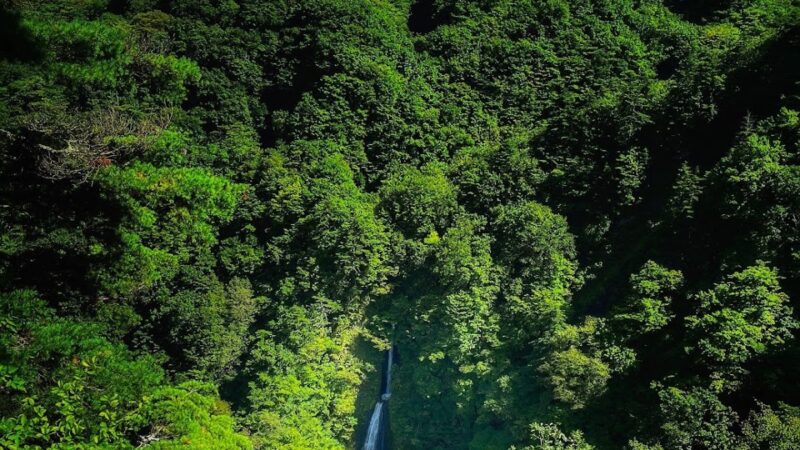
Tsumujikura Falls is a two-tiered cascade waterfall with an upper tier drop of 25m and a lower tier drop of 60m, for a combined height of 85m. Fed by snowmelt from Mt. Hakushi (elevation 1,482m), the waterfall has particularly abundant water from spring through early summer. This abundant water volume is a major characteristic of Tsumujikura Falls, and water mist rises around the plunge pool, creating beautiful rainbows when afternoon light shines through.
Origin of the Name and History
The name Tsumujikura comes from the local dialect where “Tsumuji” means “twisted” and “Kura” means “rocky area.” The name was given due to the complex surrounding topography and intricate rock formations. Additionally, the waterfall has been known by the alternative name “Shirameme Falls” since ancient times, carrying a history connected to local beliefs and legends.
Value as a Natural Environment Conservation Area
The area surrounding Tsumujikura Falls is designated as a Fukushima Prefecture Natural Environment Conservation Area, with valuable plants growing on the surrounding cliffs. Broad-leaved forests of beech, oak, and maple surround the falls, displaying diverse expressions throughout the four seasons. Particularly notable is the high plant diversity, making the surrounding environment ecologically significant.
Access Methods and Parking Information
Access by Car
Vehicle access is the primary way to reach Tsumujikura Falls. The nearest interchange is Aizusakashita IC on the Banetsutan Expressway, approximately 30 minutes away.
Specific Route:
- Exit at Aizusakashita IC on the Banetsutan Expressway
- Head toward Yanagizu Town on National Route 252
- Proceed toward Tainaizawa District on Prefectural Route 32
- From Tainaizawa District, enter Urushinoge Forest Road and drive approximately 3km on a narrow mountain road
- Arrive at Tsumujikura Falls Observation Platform
Notes on Forest Road
The forest road from Tainaizawa District to the observation platform is narrow, with sections where passing oncoming vehicles is difficult. Extra caution is necessary, especially for those inexperienced with mountain driving. Since road conditions vary with seasons and weather, it is recommended to check information with the Yanagizu Town Tourism Association beforehand.
Parking and Access Facilities
There is parking space near the Tsumujikura Falls observation platform. A gazebo has been installed at the platform, allowing visitors to enjoy the waterfall in comfort. However, since parking space is limited, early arrival is recommended during peak seasons such as fall foliage season.
Winter Road Closure
In Fukushima’s Aizu region with heavy snowfall, the forest road is closed during winter months (generally from December through April). Always confirm the road opening status with the Yanagizu Town Tourism Association (TEL: 0241-42-2346) before visiting.
Best Seasons and Highlights of Tsumujikura Falls
Spring to Early Summer: Period of Abundant Water
From late April through June when snowmelt from Mt. Hakushi accelerates, Tsumujikura Falls experiences its most abundant water volume. The roaring cascade is spectacular, and water mist rises around the plunge pool. During this period, particularly between 2 and 3 PM, sunlight strikes the plunge pool and creates the mystical sight of rainbows in the water spray.
Conditions for rainbow visibility include abundant water volume, clear skies, and appropriate sun angle. To reliably see a rainbow, visiting on a sunny afternoon is recommended.
Fresh Green Season: May to June
From May through June, the broad-leaved forests surrounding the falls are wrapped in vibrant fresh greenery. Young leaves of beech and oak emerge, creating beautiful contrast between the white water flow and verdant foliage. With mild temperatures during this season, it is ideal for hiking and nature observation.
Fall Foliage Season: Mid-October to Late October
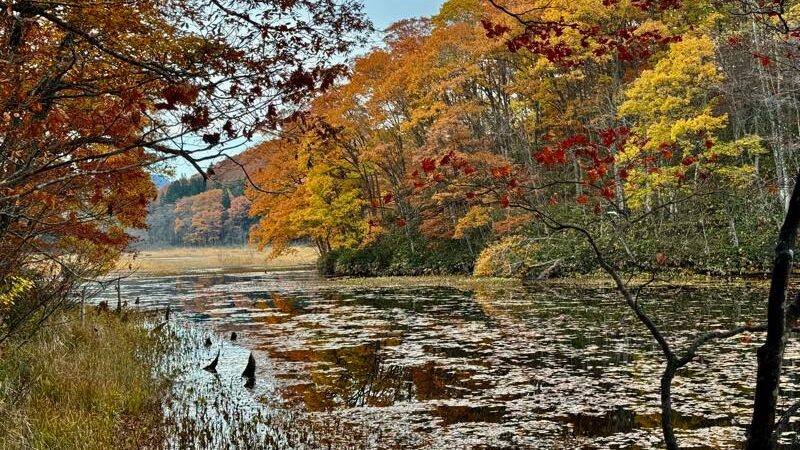
Fall foliage season brings the most tourists and photographers to Tsumujikura Falls. Color change typically begins in mid-October, with peak viewing from late October through early November. The sight of maples, beeches, and oaks turning red and yellow around the waterfall is breathtakingly beautiful.
Regarding Congestion During Fall Foliage:
Many photographers and tourists visit during peak foliage. Weekend and holiday congestion is expected, making weekday visits or early morning visits recommended. Additionally, due to the narrow forest road, parking lot wait times may occur during busy periods.
Summer: Appeal as a Mountain Retreat
July and August offer relatively cool temperatures due to the high mountain elevation, making it worthwhile to visit as a summer refuge. While water volume is less than spring, visitors can enjoy the refreshing sound of the falls in a lush green environment.
Photography Spots and Information for Photographers
Photography from Tsumujikura Falls Observation Platform
The main photography spot is the Tsumujikura Falls observation platform. The platform is at an appropriate distance from the falls, allowing the entire two-tiered waterfall to be captured. With the vantage point from the mountainside looking down, it is possible to frame the entire waterfall and surrounding forest together.
Best Photography Times
Morning:
Soft light illuminates the entire falls, making the forest green and foliage colors vivid. Contrast is not overly strong, allowing for well-balanced photographs.
Afternoon (2:00-3:00 PM):
During periods of abundant water, this is the time slot with the highest probability of rainbows appearing in the plunge pool. Choose this time if aiming for rainbow shots. However, backlighting is possible, so consider exposure compensation or filter use.
Recommended Photography Equipment
- Wide-angle lens (24-35mm): Suitable for capturing the entire falls and surrounding landscape
- Standard zoom lens (24-70mm): High compositional freedom and adaptable to various shots
- Tripod: Essential for long exposure photography to express smooth water flow
- ND filter: Allows slower shutter speeds even during daylight for smooth water expression
- Polarizing filter: Reduces water surface reflection and makes foliage colors more vivid
Photography Considerations
The observation platform has limited space, so spirit of cooperation is important especially during fall foliage season. While the observation platform is at distance from the falls, telephoto lens photography for waterfall details is possible, though wide to standard range lenses are more suitable for capturing the overall landscape.
Surrounding Tourist Spots and Mt. Hakushi Area
About Mt. Hakushi
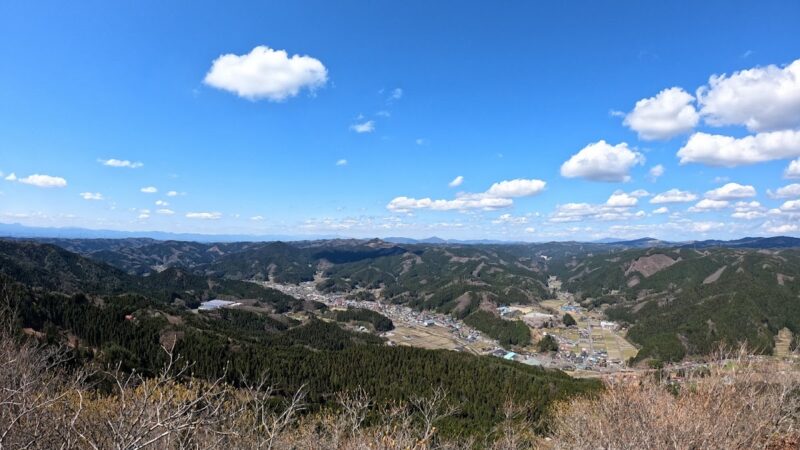
Mt. Hakushi, the water source for Tsumujikura Falls, is a 1,482-meter peak and one of the famous mountains in the Aizu region. With established hiking trails, the summit offers views of Aizu Basin, Mt. Bandai, and the Iide mountain range. Combining Tsumujikura Falls with Mt. Hakushi climbing makes for a good plan.
Mt. Myojin
In the vicinity of Mt. Hakushi is Mt. Myojin (elevation 1,074m), also a popular hiking and trekking spot. With lower elevation than Mt. Hakushi, it is known as a mountain easier for beginners to climb.
Tourist Spots in Yanagizu Town
Yanagizu Town, home to Tsumujikura Falls, has numerous other attractive tourist destinations.
Fukuman Kokuzou Enzohu Temple:
One of Japan’s three major Kokuzou temples, featuring an impressive red-railed bridge, this ancient temple has long attracted faith as Aizu’s inner sanctuary.
Yanagizu Hot Spring:
A hot spring that emerges along the Tadami River, ideal for a stop after Tsumujikura Falls sightseeing. Day-use bathing facilities are well-equipped.
Birthplace of Akabeko:
Yanagizu Town is said to be the birthplace of the traditional Aizu toy “Akabeko,” with various Akabeko-themed products and monuments throughout town.
Regional Event Information
Various events are held throughout the year in Yanagizu Town and Aizu region.
Takahashi’s Bug-Sending (July):
A traditional agricultural ritual involving parading rice paddies with torches, creating an enchanting sight.
Furusato Aizu Craftsmen Festival:
Traditional Aizu crafts gather in one place, including Aizu lacquerware and Aizu cotton, allowing visitors to experience regional craft culture.
When visiting Tsumujikura Falls, checking event information is recommended for experiencing Aizu culture and traditions.
Attire and Items to Bring When Visiting
Clothing Considerations
Since Tsumujikura Falls is located in a mountainous area, temperatures are lower than at lower elevations. Particularly in spring and autumn, bringing warm clothing is recommended. While the path to the observation platform is maintained, footing can be uneven in places, so wear comfortable clothes and non-slip footwear.
Packing Checklist
- Camera/Smartphone: Essential for recording the spectacular scenery
- Tripod: Necessary for long exposure photography
- Warm clothing: Jacket to handle temperature fluctuations regardless of season
- Rain gear: Essential rainwear for unpredictable mountain weather
- Beverages and light snacks: Prepare beforehand as no shops are nearby
- Insect repellent: Especially necessary in summer
- Binoculars: Convenient for detailed waterfall viewing and bird watching
Important Safety Precautions for Safe Enjoyment
Forest Road Driving Precautions
The forest road from Tainaizawa District to the observation platform is narrow with many curves, so drive slowly and carefully. When meeting oncoming vehicles, yield at wider spots. In rainy or damp conditions, road surfaces become slippery, requiring extra caution.
Observation Platform Safety
The observation platform is at high elevation with cliff areas nearby. Avoid going beyond barriers or approaching dangerous areas. Especially with children, do not lose sight of them.
Response to Wildlife
As the environment is naturally rich, bears and wild boars inhabit the area. Risk of encounter increases early morning and evening, so carry bear bells and travel in groups.
Weather Confirmation
Mountain weather is changeable with possible sudden rain or fog. Check weather forecasts before visiting and consider rescheduling if bad weather is expected.
How to Enjoy Tsumujikura Falls and Model Plans
Half-Day Plan: Tsumujikura Falls Focus Course
9:00 Arrive at Aizusakashita IC on Banetsutan Expressway
9:30 Arrive at Tsumujikura Falls observation platform, photography and viewing (1.5-2 hours)
11:30 Move to Yanagizu Town center
12:00 Lunch in Yanagizu Town (sauce cutlet bowl or Aizu soba)
13:00 Visit Fukuman Kokuzou Enzohu Temple
14:00 Day-use bathing at Yanagizu Hot Spring
15:30 Depart for return journey
Full-Day Plan: Aizu Interior Exploration Course
8:00 Arrive at Aizusakashita IC on Banetsutan Expressway
8:30 Arrive at Tsumujikura Falls observation platform, photography in morning light (2 hours)
10:30 Move to Mt. Hakushi trailhead (if planning to climb)
11:00 Mt. Hakushi hiking (round trip 4-5 hours)
16:00 After descent, bathe at Yanagizu Hot Spring
17:30 Dinner in Yanagizu Town
19:00 Depart for return journey
Fall Foliage Season Special Plan
Early morning 6:00 Depart (avoid congestion)
7:30 Arrive at Tsumujikura Falls observation platform, photography in sunrise light
9:00 Stroll nearby fall foliage spots
10:30 Rest and light meal in Yanagizu Town
11:30 Enjoy Fukuman Kokuzou Enzohu Temple and surrounding foliage
13:00 Lunch
14:00 Return to Tsumujikura Falls (afternoon rainbow targets)
16:00 Depart for return journey
Tips for Maximizing the Charm of Tsumujikura Falls
Enjoy Seasonal Variations
Tsumujikura Falls displays different faces with each season. Spring’s abundant snowmelt water, summer’s greenery, autumn’s foliage, and winter’s silence (though access is difficult). If possible, visit multiple times to enjoy seasonal changes.
Light Changes by Time of Day
Even on the same day, the waterfall’s appearance changes significantly with time. Soft morning light, bright midday light, slanting afternoon light—each offers its own appeal. If time permits, spending several hours observing light changes is worthwhile.
Enjoy with All Five Senses
Beyond visual appreciation, experiencing the roar of the waterfall, the cold water mist, the forest scent—all five senses allow deeper appreciation of Tsumujikura Falls’ charm. Beyond camera work, take time to pause and surrender to nature.
Frequently Asked Questions
Q: Can Tsumujikura Falls be seen year-round?
A: The forest road is closed due to snow accumulation during winter (generally December through April), preventing access. Always confirm road opening status with Yanagizu Town Tourism Association before visiting.
Q: What is the probability of seeing a rainbow?
A: The likelihood is highest during spring through early summer on clear days between 2 and 3 PM when water is abundant. However, as a natural phenomenon, it is not guaranteed, varying with weather and water volume.
Q: Can visitors with small children visit?
A: While the observation platform is accessible, the forest road is narrow and the platform area has dangerous high-altitude locations. Keep children in sight and exercise full safety precautions.
Q: Can visitors descend to the plunge pool?
A: The main viewing method is from the observation platform, with no maintained trails to the plunge pool. This is dangerous, so view from the observation platform.
Q: When is peak fall foliage?
A: Color change typically begins in mid-October, with peak viewing from late October through early November. As timing varies by climate, check latest information before visiting.
Q: Are there nearby dining options?
A: There are no restaurants or shops near Tsumujikura Falls. You need to return to Yanagizu Town center. Prepare beverages and snacks beforehand.
Conclusion: Experience Aizu’s Natural Beauty at Tsumujikura Falls
Tsumujikura Falls is a majestic two-tiered waterfall with an 85-meter drop, located deep in Fukushima’s Aizu region. Abundant water from Mt. Hakushi, rainbows appearing in the afternoon, nature’s diverse seasonal expressions, and the precious ecosystem as a Fukushima Prefecture Natural Environment Conservation Area—all combine to provide profound emotion to visitors.
While access presents some challenges, this affords opportunities to enjoy pristine nature and tranquility. Each season offers distinct attractions—spring’s abundant water, summer’s cool retreat, and autumn’s foliage—with new discoveries on every visit.
When visiting Aizu region, be sure to add Tsumujikura Falls to your itinerary. Combined with other Yanagizu Town attractions and hot springs, a fulfilling travel plan emerges. An unforgettable experience of nature’s grandeur and beauty awaits you.
Before visiting, confirm weather and road conditions, exercise full safety precautions, and enjoy Tsumujikura Falls’ spectacular scenery.