
Ura-Bandai Plateau and Hibara Lake Complete Guide | A Journey to Enjoy Nature and History in Fukushima Prefecture
The Ura-Bandai Plateau and Hibara Lake, located in northern Fukushima Prefecture, are premier natural scenic areas representing Japan’s outstanding landscapes. Spread across a plateau at 800 meters elevation with numerous lakes, breathtaking seasonal views, abundant hot springs, and diverse activities continue to captivate visitors. This article comprehensively introduces the charm of the Ura-Bandai Plateau and Hibara Lake area, covering history, nature, tourist spots, and access methods.
Ura-Bandai Plateau | The Miraculous Highland Created by the Treasure Mountain “Bandai”
The Ura-Bandai Plateau is located in Kitashiobara Village, Yama County, Fukushima Prefecture, and belongs to the Bandai-Asahi National Park. It is a highland area at approximately 800 meters elevation spreading across the northern foothills of Mt. Bandai (elevation 1,816 meters), one of Japan’s one hundred famous mountains. The name “Ura-Bandai” derives from its location on the north (back) side of Mt. Bandai.
The Formation and History of Ura-Bandai
The current topography of the Ura-Bandai Plateau was formed by the eruption of Mt. Bandai on July 15, 1888 (Meiji 21). This eruption, called a “phreatic eruption,” involved the massive collapse of the mountain body of Ko-Bandai on the north side, generating a debris avalanche of approximately 1.5 cubic kilometers.
This mountain collapse dammed several rivers, including the Nagase River, creating a group of lakes including Hibara Lake, Onogawa Lake, and Akimoto Lake. Although the eruption caused 477 deaths, it paradoxically became the catalyst for the beautiful landscape we see today.
Mt. Bandai has long been cherished as a “treasure mountain” by local people and is mentioned in the Aizu folk song “Aizu Bandai-san.” More than 130 years after the eruption, nature has recovered, and the area has been reborn as a highland resort with unique ecosystems and landscapes.
A Place to Experience the Wonders of Nature
Approximately 300 lakes and ponds are scattered throughout the Ura-Bandai Plateau, each displaying different characteristics. The terrain formed by volcanic activity is complex, offering diverse waterside landscapes: Hibara Lake with its intricate shoreline, the mystical hues of the Goshiki-numa lake group, and Akimoto Lake enveloped in silence.
The high elevation means cool, comfortable weather even in summer. The annual average temperature is about 8 degrees Celsius, with summer highs around 25 degrees, making it an ideal summer retreat. In winter, abundant snowfall enables winter sports and ice fishing for smelt, providing unique seasonal experiences.
Hibara Lake | The Charm of Ura-Bandai’s Largest Lake
Basic Information about Hibara Lake
Hibara Lake is the largest lake in the center of the Ura-Bandai Plateau, formed when the Nagase River main stream was dammed by the Mt. Bandai eruption, creating a volcanic barrier lake.
Hibara Lake Data:
- Area: 10.83 square kilometers (approximately 1,083 hectares)
- Shoreline: approximately 31.5-37.5 kilometers
- Maximum depth: 31 meters
- Water surface elevation: 819 meters
- Length: approximately 10 kilometers
It is Japan’s largest volcanic barrier lake, with numerous large and small islands floating in its waters and intricately indented shorelines creating a unique landscape.
Four Seasons of Hibara Lake’s Stunning Scenery
Hibara Lake displays different faces throughout the four seasons, offering completely different views depending on when you visit.
Spring (April-May):
As snow melts, cherry blossoms bloom along the lakeshore, creating beautiful contrasts with Mt. Bandai’s remaining snow. Cherry blossom information from Sakura Pass becomes a focal point for many tourists each year.
Summer (June-August):
With the arrival of the green season, fresh greenery colors the lake surface. The cool climate makes canoeing, kayaking, and boat tours ideal. The Oguni Marsh’s yellow day lily flowers reach full bloom, creating a stunning scenic carpet.
Autumn (September-November):
Ura-Bandai’s signature autumn foliage season. Trees across Mt. Bandai’s slopes and lakeshores turn red and yellow, reflecting beautifully in the lake surface in breathtaking fashion. Mid to late October marks the peak viewing period.
Winter (December-March):
The lake surface freezes completely, attracting ice fishing enthusiasts nationwide for smelt fishing. The snow-covered Mt. Bandai and frozen lake create a winter wonderland.
Activities and Experiences at Hibara Lake
The Hibara Lake area offers diverse activities for enjoying nature.
Lake Cruises:
Sightseeing boats and motorboats allow you to enjoy Ura-Bandai’s scenery from the water. Cruising among the islands lets you observe Mt. Bandai and the natural lakeshore from angles invisible from land.
Canoeing and Kayaking:
Paddling at your own pace on the calm lake surface offers a way to feel Ura-Bandai’s nature intimately. Beginner-friendly guided tours are abundant.
Fishing:
Hibara Lake is renowned as a holy site for bass fishing, with numerous black bass and smallmouth bass hotspots. In winter, ice fishing for smelt is a seasonal tradition, with specialty dome boats available.
Cycling:
A approximately 31-kilometer cycling course circumnavigates Hibara Lake. Events like the “40th Hibara Lake One-Lap Family Cycling Tournament” are held. Cycling while enjoying the lakeshore scenery is exhilarating.
Trekking:
Multiple trekking courses traverse the lakeshore, allowing nature walks with bird and plant observation.
Tourist Spots in Ura-Bandai Plateau
Goshiki-numa Lake Group
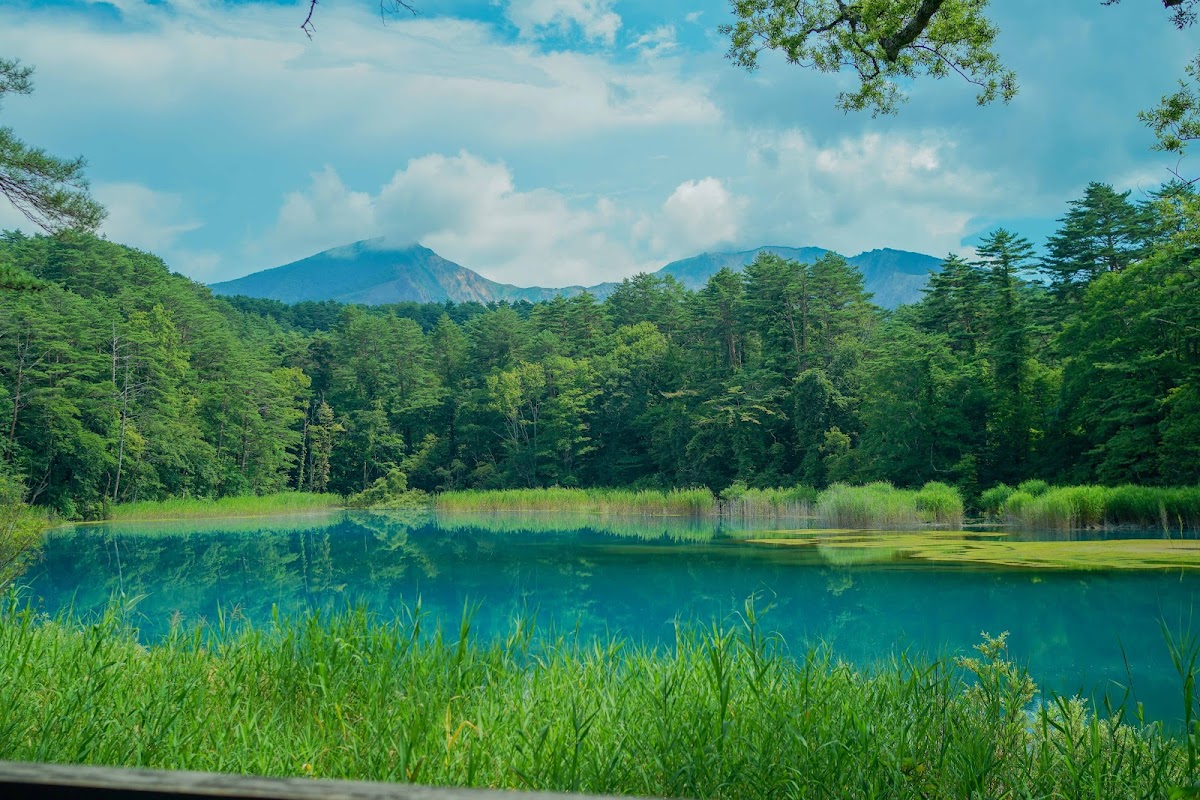
Along with Hibara Lake, the Goshiki-numa lake group ranks among Ura-Bandai’s most celebrated scenic areas. Created by the Mt. Bandai eruption, this group of dozens of small lakes is called “Goshiki-numa” because each lake displays different colors.
The water colors—cobalt blue, emerald green, reddish-brown—change with the season, time of day, and weather. These mystical hues result from volcanic minerals, microorganisms, water depth, and vegetation in the water.
The Goshiki-numa Natural Exploration Trail is a 3.6-kilometer trekking course taking approximately 1 to 1.5 hours, passing Bishamonuma, Akanum, Midoronum, Bentennuma, Rurinuma, and Aonuma.
Mt. Bandai
Counted among Japan’s one hundred famous mountains, Mt. Bandai is a 1,816-meter-high active volcano. Viewed from the Aizu side, Mt. Bandai presents an elegant form; viewed from the Ura-Bandai side, the eruption’s mountain collapse exposes rugged rocky cliffs, offering contrasting landscapes.
With multiple climbing routes for beginners to advanced climbers, Mt. Bandai is popular. The summit offers a 360-degree panoramic view encompassing Inawashiro Lake, Hibara Lake, the Adatara Range, and the Iide Range.
Oguni Marsh and Yellow Day Lilies
Located west of Mt. Bandai, Oguni Marsh is a wetland at over 1,000 meters elevation. From late June to early July, approximately one million yellow day lilies bloom simultaneously, painting the wetland golden.
The 2026 Oguni Marsh yellow day lily information updates annually and is a focal point for many tourists, as bloom timing varies with climate conditions. Check the latest bloom status before visiting.
Sakura Pass
Sakura Pass is Ura-Bandai’s hidden cherry blossom spot, with cherry blossom-lined pathways continuing along the approximately 900-meter-elevation pass. Peak bloom typically occurs late April through early May. The “Sakura Pass 2026 Bloom Information” released annually is an essential resource for spring travel planning.
The contrast between Mt. Bandai and cherry blossoms viewed from the pass is popular with photographers.
Moroishi Museum of Modern Art
Ura-Bandai Plateau features cultural facilities. The Moroishi Museum of Modern Art is renowned for its Asia-largest collection of Salvador Dalí works, offering a rare opportunity to enjoy art amid nature.
Ura-Bandai’s Birds and Plants
A Paradise for Bird Watching
The Ura-Bandai Plateau, blessed with abundant natural environment, is a renowned birdwatching destination. Over 150 bird species are confirmed year-round, making it an ideal field for ornithologists.
Spring through summer bring summer birds like the Japanese Paradise Flycatcher, Narcissus Flycatcher, and Ashy Drongo with beautiful songs filling the forest. Autumn through winter, waterfowl including mallards and mandarins gather on Hibara Lake for on-water observation.
The forests and wetlands around Hibara Lake are particularly excellent birdwatching spots, with early morning walks recommended.
Alpine Plants and Forests
Ura-Bandai Plateau’s flora shows pronounced vertical distribution by elevation, displaying diverse vegetation from lowlands to mountains.
Deciduous broadleaf forests of beech and Mongolian oak spread widely, showing magnificent autumn foliage. Wetlands support wetland species like yellow day lilies, cotton grasses, and skunk cabbages, with seasonal flowers entertaining visitors.
Higher elevations of Mt. Bandai feature subalpine vegetation like Japanese black pine and hemlocks, with alpine flowers welcoming summer climbers.
Hot Springs of Ura-Bandai Plateau
Ura-Bandai Hot Spring District
Multiple hot springs dot the Ura-Bandai area, collectively known as the “Ura-Bandai Hot Spring District.” Abundant hot spring resources derived from Mt. Bandai’s volcanic activity offer diverse mineral compositions.
Major Hot Springs:
- Ura-Bandai Hot Spring: Located on Hibara Lake’s shore, many accommodations feature open-air baths overlooking the lake.
- Wasasawa Hot Spring: A secluded one-inn hot spring known for its milky sulfur-rich waters.
- Nakanozawa Hot Spring: Reportedly Japan’s highest sulfur-content spring, a strongly acidic hot spring effective for skin conditions.
Day-Use Hot Spring Facilities
Numerous day-use hot spring facilities allow bathing without overnight stays. Many facilities near major tourist spots are convenient for post-trekking or cycling visits, ideal for soothing tired muscles.
Most facilities feature observation baths or open-air baths overlooking Mt. Bandai or Hibara Lake, allowing enjoyment of scenery while bathing.
Ura-Bandai Cuisine and Cafes
Local Specialty Foods
The Ura-Bandai and Aizu region offers local specialties utilizing regional ingredients.
Aizu Soba:
Traditional buckwheat noodles without binders, featuring subtle flavor and simplicity, with renowned shops scattered throughout Ura-Bandai.
Aizu Chicken:
Locally raised Aizu chicken features elastic texture and deep umami flavor. Often served as charcoal-grilled or in hot pot.
Mountain Vegetable Dishes:
Spring through early summer offer mountain vegetable tempura and dressed salads featuring seasonal mountain delicacies.
Iwana and Yamame Fish:
River fish raised in clean streams taste superb simply salt-grilled.
Recommended Cafes
Cafes scattered throughout Ura-Bandai Plateau offer relaxation amid nature. Cafes overlooking Hibara Lake let you enjoy coffee and sweets while viewing the lake.
High-quality cafe menus use local ingredients, including cakes and gelato, alongside carefully selected Aizu coffee beans.
Souvenirs
Ura-Bandai and Aizu area souvenirs are diverse.
- Aizu Lacquerware: Traditional craftwork lacquered goods
- Akabe: Local Aizu folk toys
- Aizu Sake: Many renowned brands available
- Kitakata Ramen: Fresh and instant noodle versions
- Ura-Bandai Highland Beer: Popular craft beer
- Mountain Salt: Aizu mountain salt seasonings and confections
Ura-Bandai Plateau Accommodations
Hotels and Resorts
Ura-Bandai Plateau offers accommodations capitalizing on highland resort appeal.
Ura-Bandai Rising Sun Hotel:
Nature-surrounded resort featuring hot springs and Aizu cuisine.
Ura-Bandai Royal Hotel:
Located on Hibara Lake’s shore, featuring lake-view rooms and hot springs, accommodating families to couples.
Kyuka-mura Ura-Bandai:
National lodging offering affordable rates with attached camping facilities.
Pensions and Minshuku
Numerous family-run pensions and minshuku throughout Ura-Bandai offer homey atmospheres. Many showcase owner personalities with homemade cuisine and attentive service.
Campgrounds
Multiple campgrounds operate around Hibara Lake’s shore. Lakeside camping allows enjoying nature while outdoor camping.
Kyuka-mura Ura-Bandai Campground and other auto-campgrounds to more natural free-site options accommodate diverse styles.
Access Information
Driving
From Tokyo:
- Tohoku Expressway to Koriyama JCT to Aizu Expressway
- Aizu Expressway Inawashiro Bandai Plateau IC to Route 459 approximately 25 kilometers, approximately 30 minutes
- Travel time: approximately 3.5 hours from Tokyo
From Sendai:
- Tohoku Expressway to Fukushima JCT to Aizu Expressway
- Aizu Expressway Inawashiro Bandai Plateau IC to Route 459
- Travel time: approximately 2 hours from Sendai
From Niigata:
- Aizu Expressway Bandai Kato IC to Route 459 approximately 20 kilometers
- Travel time: approximately 2 hours from Niigata
Public Transportation
Train and Bus:
- JR Aizu Line to Inawashiro Station, then Bandai Toto Bus heading Hibara Lake direction approximately 30 minutes
- Transfer via JR Aizu Line from Tohoku Shinkansen Koriyama Station
Express Buses:
- Direct express buses from Tokyo Shinjuku to Aizu Wakamatsu, transferring to local buses at Inawashiro or Aizu Wakamatsu stations
Seasonal Service:
Summer and autumn foliage seasons see increased direct buses from Inawashiro and Aizu Wakamatsu stations to Ura-Bandai. Check the latest schedules at the Bandai Toto Bus website.
In-Area Transportation
Car travel is convenient within Ura-Bandai Plateau, though bus service operates connecting major tourist spots. Rental bicycles are available at various locations, making fair-weather cycling exhilarating.
Events and Recommended Itineraries
Major Events
Ura-Bandai hosts various year-round events.
40th Hibara Lake One-Lap Family Cycling Tournament:
This annually-held event circumnavigates Hibara Lake, welcoming families and cycling enthusiasts.
Ura-Bandai Fire Mountain Festival:
Summer fireworks event where fireworks over Hibara Lake reflect beautifully on the water.
Ura-Bandai Autumn Foliage Festival:
Held during autumn foliage season with illuminations and special events.
Recommended Itineraries
One-Day Course (Green Season):
- Morning: Goshiki-numa Natural Exploration Trail trekking (approximately 2 hours)
- Lunch: Aizu cuisine at Ura-Bandai Plateau restaurants
- Afternoon: Hibara Lake boat tour or canoeing (approximately 1 hour)
- Evening: Day-use hot spring to refresh
Two-Day Course:
- Day 1: Hibara Lake area exploration → Goshiki-numa → Moroishi Museum → hot spring lodging
- Day 2: Mt. Bandai climbing or Oguni Marsh trekking → souvenir shopping
Driving Course:
Combining Bandai Gold Line, Bandai Agano Lake Line, and Bandai Agano Sky Line offers varied scenery.
Ura-Bandai Sightseeing Cautions and Best Seasons
Climate and Clothing
Higher elevation means temperatures 5-10 degrees lower than lowlands. Even summer mornings and evenings can be chilly, so bring layering garments.
Winter brings heavy snowfall, requiring studless tires or chains. Some roads close seasonally, requiring advance confirmation.
Best Seasons
Fresh Greenery (May-June):
Post-snow-melt fresh greens are beautiful with mild, comfortable weather. Oguni Marsh yellow day lilies reach peak bloom.
Summer Escape (July-August):
Cool climate ideal for water activities.
Autumn Foliage (mid-October to early November):
Ura-Bandai’s signature scenic season. Late October crowds suggest early reservations.
Winter (January-February):
Experience winter-exclusive activities like ice fishing and snowshoe trekking.
Contact Information
Ura-Bandai Tourism Association:
Provides latest tourism information, events, and bloom updates. Digital brochures assist surrounding area planning.
Facility hours, reservations, and weather-related road conditions warrant pre-visit confirmation.
Conclusion
The Ura-Bandai Plateau and Hibara Lake area represents Japan’s premier highland resort, showcasing natural formation beauty from the Mt. Bandai eruption. Four-season vistas, abundant hot springs, diverse activities, and Aizu food culture captivate visitors.
The excellent accessibility—approximately 3.5 hours from Tokyo—suits weekend getaways through extended stays. Nature experiences like bird and plant observation, active pursuits like trekking and cycling, or relaxing hot spring and cuisine experiences accommodate various travel styles.
Checking latest natural information like 2026 Oguni Marsh yellow day lily updates and Sakura Pass bloom forecasts enables optimal-timing Ura-Bandai experiences. Discover Japan’s natural wonders at the miraculous highland created by the treasure mountain Mt. Bandai.