Hakuba, Nagano Prefecture Complete Guide: The Charm of Each Season and Latest Tourism Information 2026
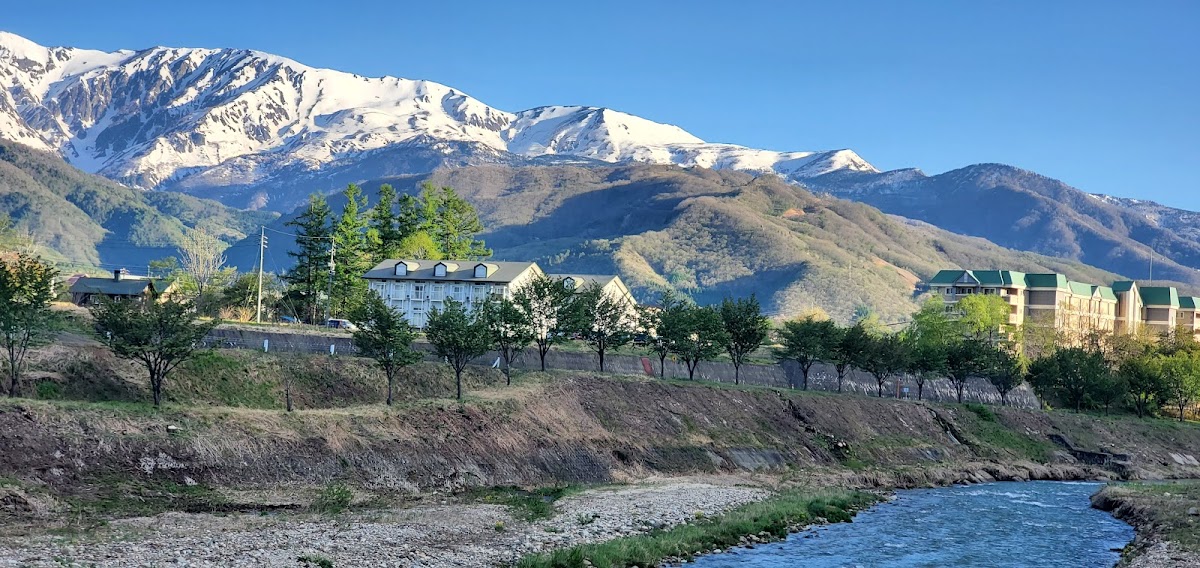
Hakuba Village, located in Kitaazumi District, Nagano Prefecture, is one of Japan’s premier mountain resort destinations spreading out at the foot of the majestic Northern Alps. Beginning with Happo-one Ski Resort, which hosted the 1998 Nagano Olympics, this area attracts tourists from around the world and offers diverse attractions throughout the four seasons—not just winter skiing and snowboarding, but also spring, summer, and autumn hiking, trekking, cycling, and hot springs.
This article comprehensively introduces information necessary for visitors to Hakuba Village, from basic information about the village to recommended spots in each season, access methods, accommodations, and gourmet information.
Basic Information and Geography of Hakuba Village
Overview of Hakuba Village
Hakuba Village is a village in Kitaazumi District in the northwestern part of Nagano Prefecture with a population of approximately 8,500 people. It is characterized by its natural environment, surrounded by mountains ranging from 700m to 3,000m in elevation, with approximately 90% of the total area covered in forest. Hakuba Station, located in the village center, is served by the JR Oito Line.
Location: Nagano Prefecture, Kitaazumi District, Hakuba Village, Hokushiro 5497 (Hakuba Village Tourism Bureau)
Climate Characteristics: Inland continental climate with large temperature variations. Winter is known as a heavy snowfall area, with annual snowfall averaging over 10 meters, boasting world-class powder snow. Summers are cool, making it popular as a summer retreat.
History and Culture of Hakuba
The origin of the name “Hakuba” (white horse) is said to come from the snow pattern that appears on the mountainside of Hakubadate during the snowmelt season, which resembles the shape of a white horse. Historically, it has flourished as the gateway to Northern Alps mountaineering, with many climbers visiting during the Meiji period.
At the 1998 Nagano Olympics, Hakuba hosted alpine skiing events, which rapidly increased its international recognition. It has now developed into a major resort destination attracting approximately 2 million tourists annually.
Access Methods to Hakuba
Access by Train
From Tokyo:
- Hokuriku Shinkansen to Nagano Station in approximately 1 hour 30 minutes
- Express bus from Nagano Station to Hakuba Station in approximately 1 hour
- Or express bus “Nagano-Hakuba Line” from Nagano Station in approximately 1 hour 15 minutes
From Osaka/Nagoya:
- Limited express Shina to Matsumoto Station
- JR Oito Line from Matsumoto Station to Hakuba Station in approximately 1 hour 30 minutes
Many accommodation facilities and rental car offices are located around Hakuba Station, providing convenient access to various areas within the village.
Access by Car
From Tokyo:
- Kan’etsu Expressway → Joshinetsu Expressway → Nagano Expressway to Nagano IC
- From Nagano IC, approximately 50km via National Routes 19 and 148 (approximately 1 hour)
From Osaka/Nagoya:
- Chuo Expressway to Azumino IC
- From Azumino IC, approximately 40km via National Routes 147 and 148 (approximately 50 minutes)
During winter, studless tires or chains are absolutely required.
Access by Bus
Direct buses operate from major cities such as Tokyo, Osaka, and Nagoya. Particularly during the winter skiing season, service is increased with many nighttime options available.
Winter in Hakuba: World-Class Ski and Snowboard Resort
List of Hakuba Ski Resorts
The Hakuba area has 10 ski resorts, collectively known as “HAKUBA VALLEY.” A shared lift ticket allows visitors to enjoy multiple ski resorts, which is a major attraction.
Hakuba Happo-one Ski Resort
One of Japan’s largest ski resorts with a history of hosting alpine skiing events at the Nagano Olympics.
Features:
- Elevation difference of 1,071m, longest run of 8,000m
- 23 courses, 22 lifts and gondolas
- Diverse terrain accommodating beginners to advanced skiers
- Beautiful ice formations and views of the Northern Alps
Operating Season: Early December to early May (varies by year)
Operating Hours: 8:00 AM–4:30 PM (evening skiing available)
Hakuba Iwatake Mountain Resort
Known as a ski resort offering the most beautiful views of the Hakuba Three Peaks.
Features:
- 360-degree panorama from the 1,289m summit
- 26 courses, 12 lifts
- Wide slopes for intermediate skiers
- Full-scale snow park
Operating Season: Mid-December to early April
Operating Hours: 8:00 AM–4:30 PM
Hakuba Goryuu Ski Resort & Hakuba47 Winter Sports Park
Two interconnected ski resorts offering a vast area with diverse course layouts.
Features:
- 23 courses combined, 18 lifts
- Abundant powder areas
- Slopes from beginner-friendly gradual inclines to advanced steep runs
- Panoramic views from the 1,676m summit
Tsugaike Kogen Ski Resort
Features gentle, wide slopes perfect for beginners and families.
Features:
- 1,200m long beginner-friendly wide run is popular
- 14 courses, 19 lifts
- Kids park and snow activities fully equipped
- High-quality powder snow
Snow Activities in Hakuba
Beyond skiing and snowboarding, Hakuba offers diverse winter activities.
Snowshoe Trekking: A quiet winter experience walking through snowy fields and forests
Snowmobiling: Thrilling riding across snowy terrain
Dog Sledding: Interaction with sled dogs and snowy riding
Ice Climbing: Scaling frozen waterfalls as a serious winter mountaineering activity
Hot Air Balloon Free Flight: A fantastical experience viewing snowy scenery from the sky
Spring in Hakuba: Season of Snowmelt and New Greenery
Hakuba Three Peaks Cherry Blossoms at Ooide Park
The signature spring scenery of Hakuba is found at Ooide Park. From late April to early May, cherry blossoms bloom against the backdrop of the Hakuba Three Peaks, creating a beautiful contrast with the suspension bridge, making it a popular photography spot.
Peak Season: Late April to early May
Access: Approximately 10 minutes by car from Hakuba Station
Note: The parking area becomes crowded during cherry blossom season; early morning visits are recommended
Spring Skiing
Skiing is possible through Golden Week in May, one of Hakuba’s attractions. Spring skiing in mild snow conditions and warm weather offers a different sense of freedom compared to winter skiing.
Residual Snow Climbing Season Begins
The climbing season with residual snow begins from late April. Climbing to Hakubadate and Karamatsudate becomes possible during this period.
Summer in Hakuba: Mecca for Mountaineering and Trekking
Hakuba Three Peaks and Northern Alps Mountaineering
Hakuba Peak (2,932m), Shakushi Peak (2,812m), and Hakuba Yari Peak (2,903m) comprising the Hakuba Three Peaks, along with Karamatsudate, Goryuudate, and other 3,000m peaks, make the Hakuba area one of Japan’s premier mountaineering destinations.
Hakubadate Climbing
Route: Saruakura Trailhead → Hakuba Daisekkei → Hakubadate Peak Hut (1 night, 2 days)
Difficulty: Intermediate
Features: Popular route ascending one of Japan’s three major snowfields, Hakuba Daisekkei
Season: Early July to late September
Note: Saruakura parking lot may be closed during climbing season; village parking and shuttle buses are required. Check the latest information with Hakuba Village Tourism Bureau.
Hakuba Happo-one Ridge Trekking
A casual trekking course where visitors take gondolas and lifts to Happo Ike Lodge at 1,830m elevation and walk to Happo Pond from there.
Duration: Approximately 3 hours round trip
Difficulty: Beginner to intermediate
Highlights: “Inverted Hakuba Three Peaks” reflected in Happo Pond is spectacular
Operating Period: Mid-June to late October
Fee: Round trip gondola and lift for adults: 3,200 yen
Hakuba Goryuu Alpine Plant Garden
Japan’s largest alpine plant garden located at 1,500m to 1,676m elevation. Over 300 species of alpine plants are grown here, with colorful flowers blooming from June to August.
Operating Period: Early June to mid-October
Operating Hours: 8:30 AM–4:30 PM
Fee: Gondola round trip + admission for adults: 2,800 yen
Access: Approximately 15 minutes by car from Hakuba Station
Aoni Settlement
A settlement selected as one of Japan’s Top 100 Rice Terraces, featuring beautiful terraced rice paddies and thatched-roof farmhouses representing Japan’s original landscape.
Features: Designated Important Traditional Building Preservation District
Best Viewing: June after rice planting, September during the harvest season
Access: Approximately 15 minutes by car from Hakuba Station
Summer Activities
Rafting: Exhilarating river descent experiences on Himekawa and Saigawa rivers
SUP (Stand-Up Paddleboard): Peaceful water experiences on Aoki Lake and Nakatsunaiko Lake
Mountain Biking: Full-scale trails at Iwatake Mountain Resort
Paragliding: Enjoying Hakuba’s spectacular scenery from the sky
Canyoning: Adventure combining gorge hiking and waterfall sliding
Fall in Hakuba: Stunning Autumn Foliage Spots
Autumn Foliage at Hakuba Iwatake Mountain Resort
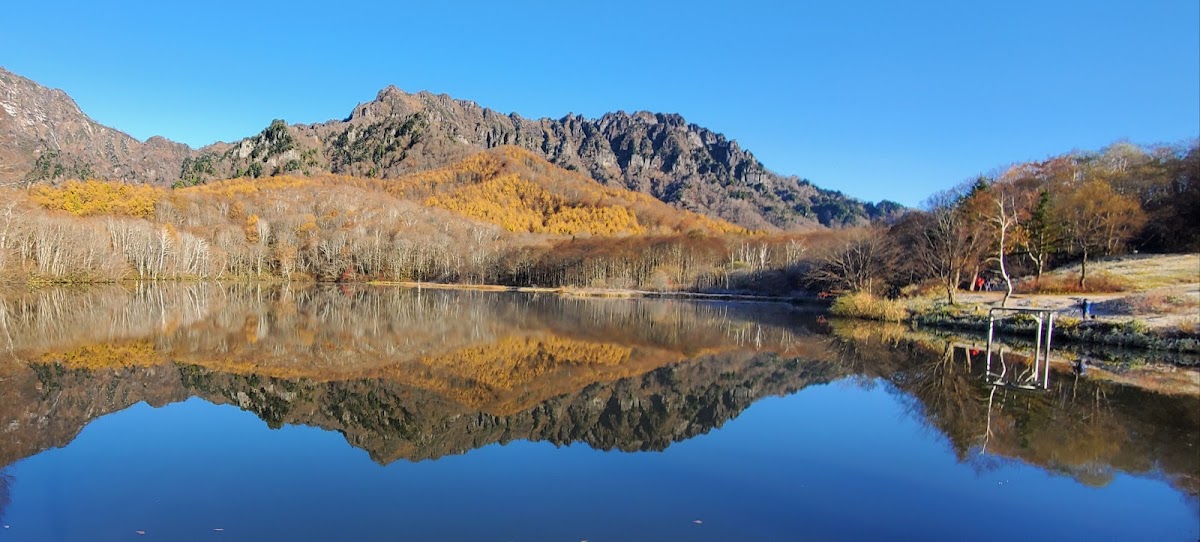
Taking the gondola to the summit allows viewing the autumn foliage in combination with the Hakuba Three Peaks.
Peak Season: Early to late October
Operating Hours: 8:00 AM–4:30 PM
Fee: Gondola round trip for adults: 2,200 yen
Autumn Foliage at Tsugaike Natural Park
A high-altitude wetland, one of Japan’s finest, spanning approximately 1,900m elevation, offering diverse autumn colors from grass foliage to tree foliage.
Peak Season: Late September to early October
Access: Via gondola and ropeway connections
Duration: Full park circuit approximately 5.5km, 3-4 hours
Hakuba Oike and Autumn Mountain Climbing
The area around Hakuba Oike at the foot of Hakuba Kurashiodake Peak is known as a scenic spot for autumn foliage.
Peak Season: Late September to early October
Difficulty: Intermediate
Accommodation: Hakuba Oike Mountain Hut (reservation required)
Hot Spring Facilities in Hakuba
Hakuba offers numerous day-use hot spring facilities where visitors can relax after activities.
Hakuba Happo Hot Spring
Water Quality: Alkaline simple hot spring
Features: Highly alkaline with pH 11.4, famous as a “beauty spa”
Main Facilities: Obinata no Yu, Mimizuku no Yu
Hakuba Shionoichi Hot Spring
Facility Name: Kuragashita no Yu
Water Quality: Sodium chloride-bicarbonate hot spring
Operating Hours: 10:00 AM–9:00 PM
Closed: Thursdays
Fee: 800 yen for adults
Hakuba Himekawa Hot Spring
Facility Name: Tenjin no Yu
Water Quality: Sodium bicarbonate-chloride hot spring
Features: Outdoor bath with views of Hakuba Three Peaks
Operating Hours: 10:00 AM–9:00 PM
Fee: 850 yen for adults
Hakuba Mizubashou Hot Spring
Facility Name: Inside Hakuba Highland Hotel
Water Quality: Alkaline simple hot spring
Day-Use Bathing: 11:00 AM–7:00 PM
Fee: 1,000 yen for adults
Cuisine and Local Products of Hakuba
Local Dishes of Hakuba
Oyaki: Dough pastries with vegetable or nozawana greens filling, baked—a famous Nagano specialty
Buckwheat Noodles: Hand-pulled soba made with Hakuba-produced buckwheat flour served at various restaurants
Shinshu Salmon: A branded fish developed by Nagano Prefecture
Apples: Hakuba apples offer excellent balance between sweetness and acidity
Popular Restaurants and Cafes
The Public House: International atmosphere serving authentic craft beer and pizza
Moomin Bakery & Cafe: Nordic-style bakery cafe popular for fresh-baked bread and coffee
Hakuba Resort Hotel La Neige Toukankan Restaurant: French-based creative cuisine using local ingredients
Soba Shop Shirakaba: Locally popular hand-pulled buckwheat noodle specialty shop
Local Products and Souvenirs of Hakuba
Hakuba Brewery Craft Beer: Distinctive beers from local breweries
Local Sake: Japanese sake from Kitaan Brewery and others
Hakuba Honey: Aromatic honey collected from alpine plants
Hakuba Cheese Workshop Products: Handmade cheese and yogurt
Hakuba Apple Juice: Additive-free 100% straight juice
Accommodations in Hakuba
Hotels and Resorts
Courtyard by Marriott Hakuba: Comfortable facilities from an international hotel chain
Hakuba Tokyu Hotel: Historic resort hotel adjacent to Happo-one Ski Resort
Hakuba Highland Hotel: Large resort hotel with hot springs
Hotel Sierra Resort Hakuba: Well-positioned resort hotel on high ground in the Iwatake area offering excellent views
Pensions and Lodges
Hakuba offers over 100 pensions and lodges characterized by their homey atmosphere and homemade cuisine. Many reflect the owner’s personality, with numerous repeat guests.
Guest Houses and Budget Accommodations
With increased international tourism in recent years, affordable guest houses and hostels have increased. Recommended for those seeking international exchange.
Annual Events in Hakuba
Hakuba Snow Pattern Festival (May)
A spring festival held during the peak season of the snow pattern on Hakubadate.
Hakuba Classical Music Festival (August)
An outdoor music festival bringing together musicians from Japan and abroad.
Hakuba International Trail Run (July)
A serious trail running competition on the Northern Alps mountainous courses.
Hakuba Valley Hot Air Balloon Festival (October)
Colorful hot air balloons paint Hakuba’s autumn sky during this event.
Hakuba Goryuu Snow Festival (February)
A major winter event featuring snowboard and ski competitions and fireworks displays.
Practical Information for Hakuba Tourism
Hakuba Village Tourism Bureau
Location: Nagano Prefecture, Kitaazumi District, Hakuba Village, Hokushiro 5497 Snow Peak LAND STATION HAKUBA
Operating Hours: 9:00 AM–5:00 PM
Closed: No regular holidays
Phone: 0261-85-4210
FAX: 0261-85-4240
Provides tourist brochures, accommodation information, and activity reservation assistance.
Transportation Within Hakuba Village
Hakuba Village Bus: Local buses connecting major spots (increased service in winter)
Rental Cars: Multiple rental offices near Hakuba Station
Rental Bicycles: Electric-assist bicycles available for rent
Taxis: Taxi stand at Hakuba Station; advance reservations recommended
Recommended Length of Stay in Hakuba
1 Night, 2 Days: A major ski resort or summer trekking site with hot spring experience
2 Nights, 3 Days: Multiple ski resorts or hiking with sightseeing
3 Nights, 4 Days or More: Full enjoyment of Hakuba area with visits to nearby Azumino and Matsumoto possible
Packing and Clothing Advice
Winter: Warm clothing, gloves, and hat essential. Ski wear available for local rental
Summer Climbing: Rainwear, warm jacket, hiking boots, hat, sunscreen
Spring/Fall: Necessary to bring jackets for morning and evening chill
Wi-Fi and Communication
Free Wi-Fi is available at major accommodations, cafes, and tourist facilities. Free Wi-Fi spots also exist at Hakuba Station and the tourism bureau.
Information for International Visitors
As an international resort destination, Hakuba offers excellent English support. The tourism bureau provides English brochures and maps, with many restaurants and shops offering English menus.
Tourist Spots Around Hakuba
Azumino Area
Located approximately 40 minutes by car from Hakuba, Azumino offers beautiful scenery of Northern Alps spring water and rice paddies.
Daio Wasabi Farm: Japan’s largest wasabi farm
Azumino Chihiro Museum of Art: Art museum dedicated to children’s book author Iwasaki Chihiro
Hotaka Shrine: Revered as the guardian shrine of the Northern Alps
Matsumoto City
Located approximately 1 hour by car from Hakuba, Matsumoto features historic tourist sites including National Treasure Matsumoto Castle.
Matsumoto Castle: One of the five existing national treasure castles
Former Kaichi Elementary School: Meiji-era pseudo-Western architectural elementary school
Kamikochi: Representative mountainous scenic beauty in Japan (approximately 1 hour 30 minutes by bus from Matsumoto)
Kurobe Dam
Approximately 2 hours from Hakuba by car and trolleybus, Japan’s largest arch dam.
Highlights: Impressive tourist water release (late June to mid-October)
Access: 16 minutes via Kanden Tunnel Trolleybus from Oginosawa Station
Environmental Conservation and Sustainable Tourism in Hakuba
Hakuba Village promotes sustainable tourism to preserve its abundant natural environment for future generations.
Mountain Climbing Rules and Etiquette
- Walk only on designated trails, avoiding damage to vegetation
- Take all litter with you
- Do not feed wildlife
- Use mountain hut restrooms or designated facilities
- Submit mountaineering plans
Winter Mountain Safety
Hakuba Village provides information for safe winter mountain enjoyment. When enjoying backcountry skiing or snowboarding, always observe the following:
- Check avalanche information
- Carry beacon, probe, and shovel
- Accompany experienced guides
- Confirm weather conditions
Hakuba Meister Tours
Hakuba village-certified guide special tour programs “Hakuba Meister Tours” will continue in 2026. Local guides thoroughly familiar with the area lead tours offering experiences unavailable in general tourism.
Content: Secret trails trekking, cultural experiences, traditional cooking classes, and more
Reservations: Available through Hakuba Village Tourism Bureau
Conclusion: Maximizing Enjoyment of Hakuba’s Appeal
Hakuba Village in Nagano Prefecture attracts visitors not only as a world-class ski resort but also as a mountain resort destination with diverse appeal throughout the four seasons. The majestic Northern Alps nature, quality hot springs, delicious cuisine, and warm interactions with local people continue to captivate visitors.
Powder snow skiing and snowboarding in winter, alpine plants and mountaineering in summer, autumn foliage, spring snowmelt and cherry blossoms—each season shows Hakuba’s different face. Multiple visits always offer new discoveries.
Convenient access from Tokyo in approximately 3 hours allows various travel styles, from weekend getaways to extended stays. Facilities and programs ranging from serious mountaineering to family-friendly activities accommodate diverse groups.
2026 will feature enhanced new experience programs including Hakuba Meister Tours. Please find the Hakuba experience style that suits you best. The natural world of Hakuba will surely guide you to truly special experiences.