Hanitsujinja Fukushima Complete Guide|History of the Founder of the Aizu Clan, Spectacular Scenery in Four Seasons, Access and Worship Information
Hanitsujinja (土津神社), located at the foot of Mount Bandai in Inawashiro Town, Yama District, Fukushima Prefecture, is a venerable shrine dedicated to Hoshina Masayuki, the first daimyo of the Aizu Clan. Since its founding in 1675 (Enpō 3), it has served as the center of Aizu’s history and culture, and is beloved by many worshippers as the “deity of children’s growth and success.” This article comprehensively introduces everything you should know before visiting, from the shrine’s history and origins to seasonal highlights, divine blessings, and access information.
About Hanitsujinja|A Venerable Shrine in Inawashiro Town, Fukushima Prefecture
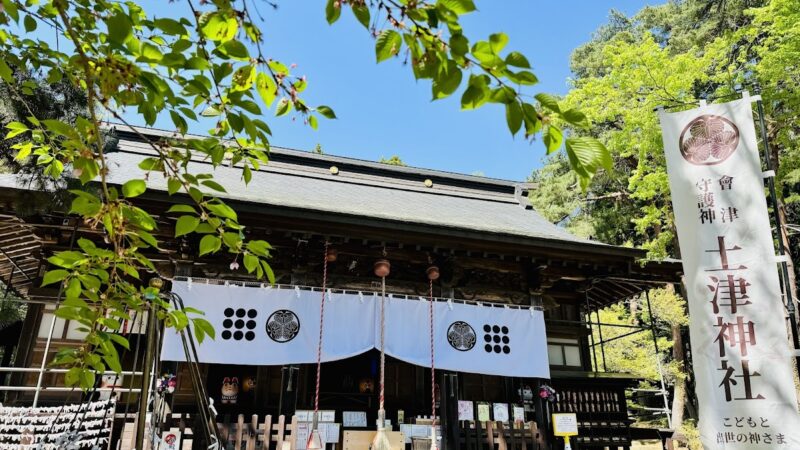
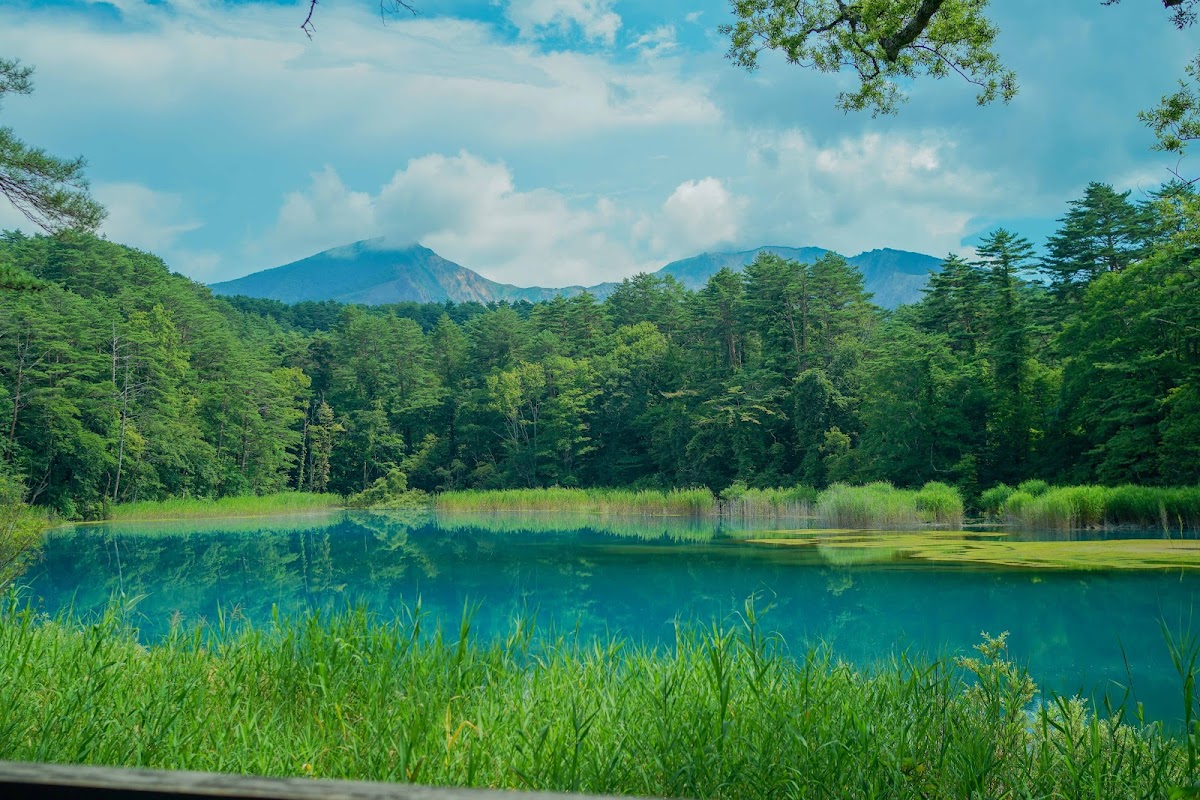
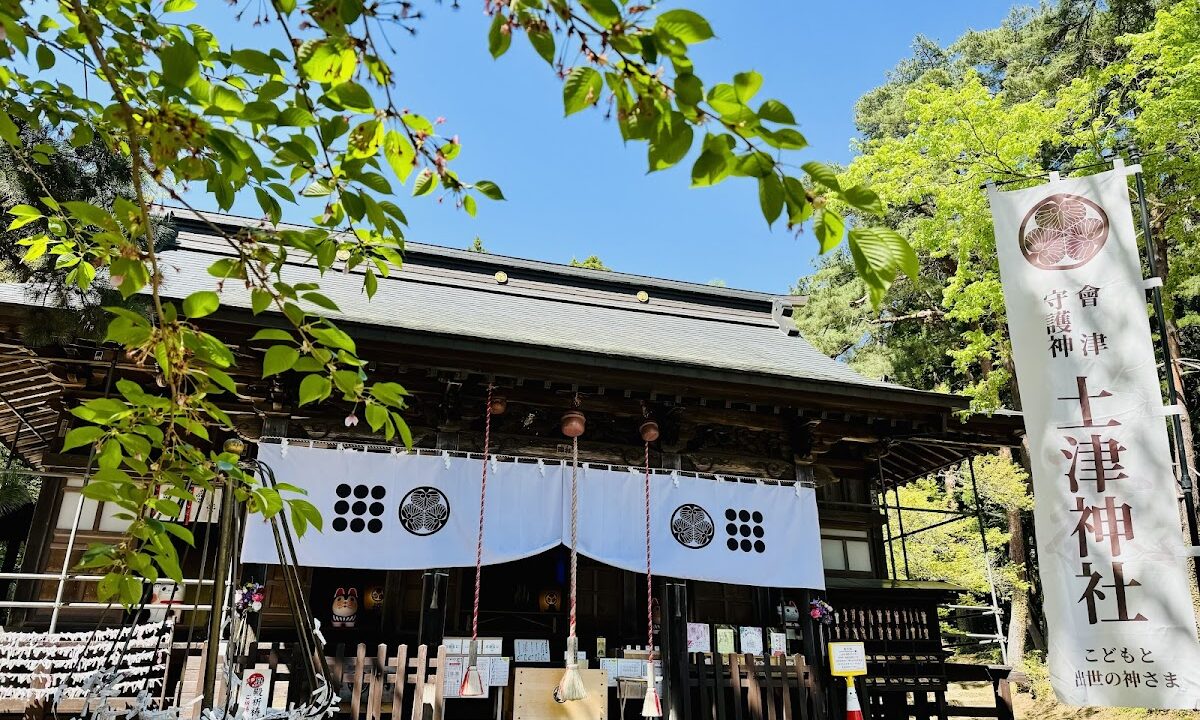
Hanitsujinja is a shrine located at Mineyama 3, Inawashiro Town, Yama District, Fukushima Prefecture, enshrining Hoshina Masayuki, founder of the Aizu Clan, as its principal deity. The shrine grounds, nestled in the clear nature of Mineyama on the southeastern foot of Mount Bandai, create a sacred space that quietly puts the hearts of visitors at ease.
A pure white torii gate greets worshippers, and the shrine grounds feature a five-needle pine tree said to be over 400 years old, as well as cherry blossoms and maples associated with Aizu’s history, creating beautiful scenery in each season. Designated as a national historic site, it also serves as an important cultural property as the burial ground of the Aizu Matsudaira clan.
The Enshrined Deity: Hoshina Masayuki
Hoshina Masayuki (1611-1672) was the illegitimate son of Tokugawa Hidetada, the second shogun of the Edo Shogunate, grandson of Tokugawa Ieyasu, the first shogun, and half-brother of Tokugawa Iemitsu, the third shogun. He became the first daimyo of the Aizu Domain with a fief of 230,000 koku and established the foundation of clan administration.
Masayuki was far more than a mere domain lord; he played crucial roles in the shogunal government, serving as advisor to both the third shogun Iemitsu and the fourth shogun Ietsuna. His reign was pivotal in shifting from “military administration” that ruled through force to “civilian administration” based on trust, centered on the principle of “respecting the inner while cultivating righteousness externally.” This political reform arguably laid the foundation for the Tokugawa Shogunate’s 265-year rule.
In 1671 (Kanbun 11), when Masayuki received the secret teachings of Yoshikawa Shinto from Yoshikawa Koretsugu, he was granted the spiritual title “Hanitsū” (土津). This became the origin of the shrine’s name.
History and Origins of Hanitsujinja
Circumstances of Establishment and Hoshina Masayuki’s Final Wish
The founding of Hanitsujinja dates back to 1675 (Enpō 3). During his lifetime, Hoshina Masayuki visited the Inawashiro area and was captivated by its scenic beauty and the spiritual essence of Mount Bandai. When Masayuki passed away in December 1672 (Kanbun 12), following his wishes, a burial place was established and the shrine was constructed on the site of Mineyama.
The original Hanitsujinja was said to be as magnificent as the Tōshō-gū Shrine in Nikkō, with ornate and splendid structures. It was a construction that represented the prestige of the Aizu Clan and served as a symbol to convey the achievements of the domain lord to future generations.
Destruction During the Boshin War and Reconstruction
The Boshin War that broke out in 1868 (Meiji 1) left deep scars on the land of Aizu. Hanitsujinja could not escape the ravages of war, and the original shrine structures were destroyed by fire. The sacred objects were temporarily moved to the Tonan Domain (present-day Aomori Prefecture), and the people of Aizu endured difficult times.
The sacred objects returned to Aizu in 1874 (Meiji 7), and the current shrine structures were rebuilt in 1880 (Meiji 13). While the rebuilt structures lack the grandeur of the originals, they possess a solemn and pure atmosphere that more vividly reflects Masayuki’s spirit of “die in righteousness rather than live in unrighteousness.”
Role as Guardian Deity of Aizu
Hanitsujinja is not merely the burial ground of the clan founder but has been revered by local people as the guardian deity of Aizu. The “Fifteen Precepts of the Aizu Household” that Hoshina Masayuki left for the Aizu Clan became the spiritual pillar of samurai and served as their code of conduct during the turbulent end of the Edo period.
The source of the “spirit” that people like Yae Nishijima learned emanates from this place, and in modern times, Hanitsujinja is positioned as an important historic site preserving Aizu’s history and culture.
Highlights and Cultural Properties of the Shrine Grounds
Hanitsū Sacred Deity Monument|One of Japan’s Largest Stone Monuments
The most striking feature within the shrine grounds is the massive “Hanitsū Sacred Deity Monument” mounted on a turtle stone. Standing 7.3 meters tall (according to some accounts, 7.6 meters) and weighing approximately 30 tons, it is one of Japan’s largest stone monuments, with the achievements of Hoshina Masayuki engraved according to a composition by Yamazaki Ansai.
This monument was erected to convey Masayuki’s great deeds to future generations, and its overwhelming presence leaves a deep impression on visitors. The turtle symbolizes longevity, designed to express the hope that Masayuki’s accomplishments will be remembered eternally.
Pure White Grand Torii Gate
The pure white grand torii gate standing at the entrance to the approach path serves as the symbol of Hanitsujinja and appears in many photographs. The white torii symbolizes purity as the gateway to the sacred realm, and with Mount Bandai in the background, it radiates a sacred beauty.
Passing through the gate, you will immediately sense a change in the atmosphere. This torii serves as an important boundary marking the transition from the secular world to the sacred realm.
Trees That Tell History
The shrine grounds are home to many valuable trees that tell the story of history.
Takatao Cherry Blossom Tree: A native species cherry from Takato in Nagano Prefecture, which was closely associated with Hoshina Masayuki. It blooms with pale pink flowers in spring. Masayuki once served as lord of Shinano Takato Domain, and the tree was gifted in connection to that legacy.
Iroha Japanese Maple: Reportedly transplanted from Kyoto due to the connection when the ninth daimyo, Matsudaira Katamori, served as Kyoto Protector. In autumn, it colors the shrine grounds like brocade.
Five-Needle Pine: This giant five-needle pine, said to be over 400 years old, may have taken root here before the founding of Hanitsujinja and stands as a living witness that has continued to watch over Aizu’s history.
Seven Subsidiary Shrines
Seven subsidiary shrines are arranged around the main shrine structures, each enshrining different deities. By worshipping at these subsidiary shrines as well, one can receive even more divine blessings.
Inner Sanctuary and Aizu Matsudaira Clan Burial Ground
Proceeding further inward from the main shrine, one reaches the inner sanctuary, the burial place of Hoshina Masayuki. This also functions as the burial ground of the Aizu Matsudaira clan, a sacred place where successive daimyo rest. Designated as a national historic site, it is an important cultural property where one can feel Aizu’s history in a tangible way.
Enveloped by a solemn forest, the burial ground embodies Masayuki’s testament that he rests eternally in the natural setting he loved.
Divine Blessings and Benefits|Deity of Children and Success
Hanitsujinja is widely known as the “deity of children’s growth and success.” This blessing is attributed to how Hoshina Masayuki, despite his complex lineage as part of the Tokugawa family and difficult childhood, developed into a great figure and ultimately achieved major accomplishments as the Aizu domain lord and as a senior member of the shogunal government.
Primary Divine Blessings
Child-rearing and Childbearing: Since Masayuki himself had a complicated background yet grew up splendidly, he is believed to bestow blessings for healthy child development and fertility.
Success and Good Fortune: Many worshippers come seeking blessings for career advancement and promotion, drawing on Masayuki’s accomplishments as a high-ranking official and his dedication to the development of the Aizu Domain.
Academic Achievement: From the spirit of Masayuki, who established civilian administration and valued learning, academic success is also an expected blessing.
Family Safety and Harmony: From his achievements as a ruler who realized stability and prosperity in the Aizu Domain, the shrine offers divine protection for family peace and safety.
Warding Off Evil and Good Fortune: From Masayuki’s mastery of Shinto teachings, blessings for warding off misfortune and bringing good fortune are also attributed to the shrine.
Spirit of Civilian Administration
The spirit of “civilian administration” that Hoshina Masayuki established retains important meaning in modern times. The concept of guiding people through virtue and trust rather than military force possesses universal value in leadership and building human relationships.
By worshipping at Hanitsujinja, one can touch this spirit and find an opportunity to reflect on one’s own way of living.
Hanitsujinja in Four Seasons|Seasonal Highlights
Hanitsujinja presents different faces in each season, offering completely different charms depending on when you visit.
Spring|Cherry Blossoms Adorning the Grounds
From mid-April to early May, the cherry blossoms within the shrine grounds bloom in succession. The pale pink color of the Takatao cherry blossoms is particularly elegant, and the contrast with the pure white torii gate is stunning. During cherry blossom season, many worshippers and tourists visit to celebrate the arrival of spring.
It is also the season of fresh greenery, and the shrine grounds, awakening from winter’s silence, are filled with vitality.
Rainy Season|Hydrangea Flower Water Offering
During the rainy season, hydrangeas bloom magnificently throughout the shrine grounds. The recently popular “flower water offering” can also be enjoyed at Hanitsujinja, with colorful hydrangeas floating in the water basin delighting visitors.
The rain-soaked shrine grounds also have their own charm, and worshipping in this moistly atmospheric environment soothes the heart.
Summer|Wind Chimes and Summer Shrine Visits
During the summer shrine visit season, wind chimes are displayed throughout the grounds, their cool sounds echoing. Due to its location at the foot of Mount Bandai, the shrine remains relatively cool even in summer, making it a comfortable retreat.
The verdant shrine grounds are also perfect for forest bathing, allowing visitors to refresh themselves while absorbing plenty of negative ions.
Autumn|Crimson Autumn Foliage
From late October to early November, the maples throughout the shrine grounds turn brilliant colors. The red of the Iroha Japanese maples transplanted from Kyoto is particularly vivid, with the entire shrine grounds colored like brocade.
The autumn foliage season is when Hanitsujinja welcomes the most tourists, making it popular with photographers. Combined with the foliage of Mount Bandai, it offers scenery representative of autumn in Aizu.
Winter|Serene Snow-Covered Landscape
As Inawashiro is a heavy snowfall area, the shrine grounds are blanketed in deep snow during winter. The snow-covered grounds possess a serene and mysterious atmosphere, allowing visitors to spend quiet moments of prayer.
The landscape where white snow and the pure white torii gate become one is truly deserving of the word “sacred realm.” With fewer visitors in winter, one can worship at a leisurely pace, which is another charm of the season.
Worship Information|Prayer Services and Blessed Items
Prayer Services
Hanitsujinja offers various prayer services. It is possible to receive prayers for child-rearing, success and good fortune, academic achievement, family safety, and many other intentions.
If you wish to receive a prayer service, it is recommended to contact the shrine in advance to make a reservation. Especially during seasons such as the Seven-Five-Three Festival or first shrine visit with an infant, congestion is expected, so making an early reservation is advisable.
Shrine Stamps and Blessed Items
You can receive beautiful shrine stamps at Hanitsujinja. Seasonal limited-edition stamps are also available and are popular with visitors. Various amulets and talismans are also available, including child-rearing amulets, success amulets, and academic achievement amulets, allowing you to select blessed items appropriate to your intentions.
Wedding Ceremonies
Hanitsujinja also conducts Shinto wedding ceremonies. As a “new beginning watched over by the deity,” couples can begin their new life in a solemn atmosphere within the historic shrine, with their sins purified. A wedding ceremony with a view of Mount Bandai in the beautiful shrine grounds will become a lifelong memory. For details, please contact the shrine directly.
Access Information|How to Reach Hanitsujinja
Basic Information
Address: Mineyama 3, Inawashiro Town, Yama District, Fukushima Prefecture
Phone: 0242-62-2160
Worship Hours: Grounds are always accessible (Shrine office hours vary)
Parking: Available (Free)
Access by Car
From Tokyo:
Approximately 10 minutes from Inawashiro Bandai Plateau IC on the Tōhoku Expressway
From Sendai:
Approximately 10 minutes from Inawashiro Bandai Plateau IC on the Banetsu Expressway
Conveniently located close to the expressway interchange, making car access easy. Enter “Hanitsujinja” or the address into your car navigation system.
Access by Public Transportation
By JR:
Get off at Inawashiro Station on the JR Banetsu West Line, then take a taxi for approximately 10 minutes, or use a bus route.
By Bus:
From Inawashiro Station, take the Bandai Tōto Bus to “Hanitsujinja-mae” bus stop. However, as bus service is limited, it is recommended to check the schedule in advance.
Nearby Tourist Attractions
When visiting Hanitsujinja, it is recommended to also visit nearby tourist attractions.
Lake Inawashiro: Japan’s fourth-largest lake, also called the “Mirror Lake of Heaven,” offering beautiful scenery.
Mount Bandai: One of Japan’s One Hundred Famous Mountains, where hiking and mountain climbing can be enjoyed.
Hideyo Noguchi Memorial Hall: The birthplace and memorial hall of the world-renowned bacteriologist Hideyo Noguchi.
Inawashiro Ski Area: In winter, skiing and snowboarding can be enjoyed.
Hanitsujinja Today|SNS and Digital Outreach
While preserving tradition, Hanitsujinja actively engages in modern information dissemination. Its official Instagram account (@hanitsu_jinja) shares the beautiful scenery of the shrine grounds throughout the seasons and quiet moments of prayer with photographs, and has become a popular account with over 9,000 followers.
Through “Letters from Hanitsujinja,” seasonal events and the current state of the shrine grounds are regularly posted, allowing people living far away to also feel the atmosphere of Hanitsujinja.
The official website (hanitsujinja.jp) provides detailed information on worship guidance, prayer services, and access methods, proving helpful for gathering information before your visit.
Conclusion|Experience Aizu’s History and Spirit at Hanitsujinja
Hanitsujinja is a historic shrine located at the foot of Mount Bandai in Inawashiro Town, Fukushima Prefecture, dedicated to Hoshina Masayuki, the founder of the Aizu Clan. Since its founding in 1675, it has been revered as the guardian deity of Aizu and is beloved by many worshippers as the “deity of children and success.”
The spirit of “civilian administration” that Hoshina Masayuki established, and the Aizu spirit of “die in righteousness rather than live in unrighteousness,” continue to hold important value in modern times. The shrine grounds, designated as a national historic site, contain numerous precious cultural properties, including one of Japan’s largest stone monuments, trees that tell history, and the burial ground of the Aizu Matsudaira clan.
The shrine grounds present different faces in each season—spring cherry blossoms, rainy season hydrangeas, summer wind chimes, autumn foliage, and winter snow—offering various charms depending on when you visit. In the clear air enveloped by the natural beauty of Mount Bandai, you can quiet your mind and spend time in prayer.
With excellent access—just about 10 minutes by car from Inawashiro Bandai Plateau IC—it is an easy place to visit during sightseeing or a drive. Please visit Hanitsujinja as an opportunity to touch Aizu’s history and culture, sense the spirit of Hoshina Masayuki, and examine your own life.
The moment you pass through the pure white grand torii gate and step onto the serene shrine grounds, your heart will naturally settle, and you will surely gain new insights and strength.
-800x450.jpg)
-800x450.jpg)