Higo Hosokawa Garden, Bunkyo Ward, Tokyo | Complete Guide: History, Highlights, and Access
Located in Mejiro-dai, Bunkyo Ward, Tokyo, the Higo Hosokawa Garden is an urban oasis that combines history spanning from the Edo period with natural beauty. Once thriving as a secondary residence and main residence of the Hosokawa family, lords of the Kumamoto Domain, this garden is a strolling pond garden that takes advantage of the natural landscape of the Mejiro-dai plateau, offering visitors seasonal scenery throughout the year.
This article comprehensively introduces the historical background of the Higo Hosokawa Garden, its highlights, the charm of Shoseikaku, access methods, and important information to know before visiting.
Overview of the Higo Hosokawa Garden
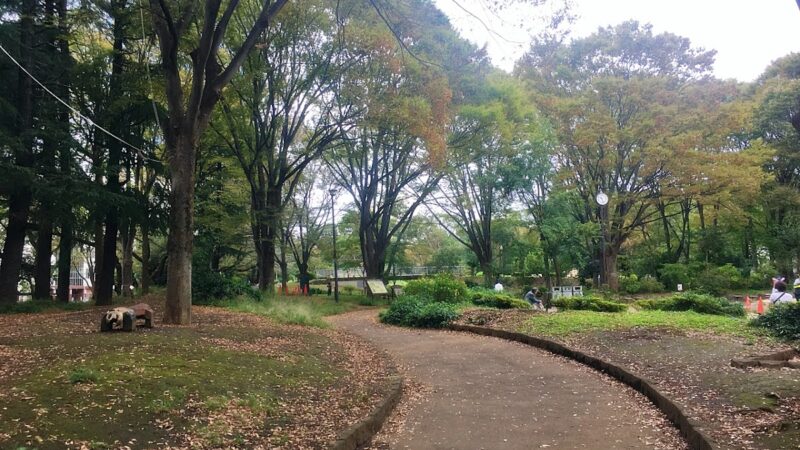
The Higo Hosokawa Garden is a Japanese garden managed by Bunkyo Ward, located at 1-1-22 Mejiro-dai, Bunkyo Ward, Tokyo. With a site area of approximately 13,000 square meters, it is characterized by a three-dimensional landscape that skillfully utilizes the uneven topography of Mejiro-dai.
The center of the garden features a large pond, and it is designed as a strolling pond garden where visitors can enjoy views from various angles while walking around its perimeter. Despite being in the heart of the city, this space enveloped in silence is a precious cultural asset that conveys the remnants of Edo period daimyo gardens.
Basic Information
- Location: 1-1-22 Mejiro-dai, Bunkyo Ward, Tokyo 112-0015
- Opening Hours: 9:00 AM to 5:00 PM (4:30 PM from November to January)
- Closed Days: Year-end and New Year holidays (December 29 to January 3)
- Admission: Free
- Phone Number: 03-3941-2010 (Shoseikaku)
- Designated Manager: Higo Hosokawa Garden Omotenashi Project (joint venture with the Park Foundation as the representative)
History of the Higo Hosokawa Garden
The history of the Higo Hosokawa Garden dates back to the mid-Edo period. Understanding the changes in this area allows for a deeper appreciation of the garden’s value.
Edo Period: From Hatamoto to Daimyo Residence
In the mid-Edo period, this area was a residential district for bakufu vassals (hatamoto). Later, in the late Edo period, it became a secondary residence of the Shimizu family, one of the Tokugawa shogunate’s collateral branches, and subsequently changed ownership to become a secondary residence of the Hitotsubashi family, another branch.
In the late Edo period, it became used as a secondary residence of the Hosokawa family, who ruled the Kumamoto Domain with 540,000 koku. The Hosokawa family, descended from the Sengoku-period warlord Hosokawa Fujitaka, was a prominent daimyo family that governed key regions of Kyushu as lords of Kumamoto Domain during the Edo period.
Meiji Period and Beyond: The Hosokawa Marquis Family’s Main Residence
After the Meiji Restoration, in Meiji 15 (1882), this location became the main residence of the Hosokawa family. The former daimyo, the Hosokawa Marquis family, used this Mejiro-dai residence as a base for cultural activities and social contributions throughout the Meiji, Taisho, and early Showa periods.
The Hosokawa family was known for valuing academics and culture, and an academy was established within the residence. The current Shoseikaku is a building that conveys the legacy of that academy.
Showa Period: Opening as a Public Park
After World War II, the land was purchased by the Tokyo Metropolitan Government and opened to the public in Showa 36 (1961) as the “Shin-Edogawa Park.” The park’s name derives from the Kanda River’s former name, “Edogawa,” which flows nearby.
In Showa 50 (1975), it was transferred from Tokyo Metropolitan Government to Bunkyo Ward and has been managed as a Bunkyo Ward municipal park. Subsequently, on March 18, Heisei 29 (2017), the park was renamed “Higo Hosokawa Garden” following public nomination to clarify the garden’s historical value.
The Charm of the Strolling Pond Garden
The greatest feature of the Higo Hosokawa Garden lies in its style as a strolling pond garden. This garden form is a representative style of Japanese gardens frequently seen in Edo period daimyo gardens.
What is a Strolling Pond Garden?
A strolling pond garden is a garden form with a large pond at its center, surrounded by pathways. Visitors can enjoy scenery rich in variety from different angles while walking around the pond.
The Higo Hosokawa Garden takes advantage of the natural undulations of the Mejiro-dai plateau to create a three-dimensional landscape. Around the pond, stone arrangements, artificial hills, and trees are placed, creating “changing landscapes” that reveal different appearances with each step forward.
Components of the Garden
The following elements are arranged throughout the garden:
- Central Pond: The heart of the garden, a large pond that serves as the focal point of views from around the garden
- Stone Arrangements: Natural stones arranged as shoreline protection and scenic stones that evoke a traditional Japanese garden atmosphere
- Artificial Hills: Man-made elevated areas that create varied topography
- Pathways: Strolling routes around the pond that provide various viewing points
- Plantings: Trees and flowers that display changing appearances throughout the seasons
The design, which takes advantage of the natural topography of the plateau, is characterized by a three-dimensional and varied landscape that cannot be achieved on flat land.
Shoseikaku: The Hosokawa Family’s Academy
Shoseikaku (松聲閣), located within the garden, is an important highlight when visiting the Higo Hosokawa Garden.
History of Shoseikaku
Shoseikaku was a building used as an academy by the Hosokawa family. The name “Shoseikaku” expresses the sound of wind blowing through a pine grove, symbolizing the spirituality of the Hosokawa family, who valued culture.
The current building has been renovated while respecting the architectural style of the Hosokawa family era, providing modern functions.
Shoseikaku Usage Information
Shoseikaku is available to the general public as a gathering facility and can be used for:
- Cultural Activities: Practice and performances of traditional culture such as tea ceremony, flower arrangement, and calligraphy
- Meetings and Training: Various meetings and training sessions
- Exhibitions: Small-scale art exhibitions
- Community Exchange Events: Local community interaction activities
Prior reservation is required for use, and rates differ between Bunkyo Ward residents and non-residents. For details, please contact the garden management office at 03-3941-2010.
Views from Shoseikaku
From the interior and veranda of Shoseikaku, visitors can enjoy beautiful views of the garden. In particular, the arrangement of the pond and trees as seen from the tatami room has a beauty reminiscent of a framed painting.
Seasonal Highlights
The Higo Hosokawa Garden displays different faces throughout the four seasons. Here are the attractions of each season.
Spring: Cherry Blossoms and New Foliage
From late March to early April, cherry blossoms bloom throughout the garden. Cherry blossoms including Somei Yoshino brighten the area around the pond, and the reflection of the cherry blossoms on the water’s surface is picturesque.
From April to May is the season of new foliage. Trees that have shed their leaves throughout the winter suddenly sprout, and the entire garden is enveloped in fresh green. The new foliage of Japanese maple is particularly bright and beautiful, offering a different charm from autumn colors.
Summer: Deep Green and Cool
The summer garden is covered in deep green, making visitors forget they are in the heart of the city. The area around the pond offers plenty of shade, allowing for relatively cool strolls on hot days.
Autumn: A Premier Autumn Foliage Destination
The Higo Hosokawa Garden is one of Bunkyo Ward’s premier autumn foliage destinations. From mid-November to early December, the garden’s Japanese maples along with ginkgo, fig, and dogwood trees change color.
The maples around the pond are particularly spectacular, with red and yellow leaves reflected in the water creating a magnificent sight.
Autumn Foliage Illumination “Higo Akari”
Every year from late November to early December, the Autumn Foliage Illumination “Higo Akari” is held. During this event, the garden, which normally closes at 5:00 PM (4:30 PM in winter), remains open in the evening, allowing visitors to enjoy illuminated autumn foliage.
The fantastical sight of illuminated foliage and Shoseikaku rising against the night sky offers a completely different charm from daytime visits. Opening periods and times vary by year, so it is recommended to check the official website before visiting.
Winter: The Beauty of Silence
The winter garden presents a world of wabi-sabi (understated elegance) created by bare trees and a quiet pond. During snowfall, the garden may be seen with a blanket of snow, creating a landscape reminiscent of ink painting.
Access Methods
There are multiple transportation options to reach the Higo Hosokawa Garden. Since there is no parking lot, the use of public transportation is recommended.
Access by Train
Tokyo Metro Yurakucho Line
- Edogawabashi Station: Exit 1a, approximately 15 minutes on foot
- Route proceeding upstream along the Kanda River and up the Sekiguchi plateau
Tokyo Metro Tozai Line
- Waseda Station: Exit 3a, approximately 15 minutes on foot
- Route proceeding along Waseda-dori toward Mejiro
Arakawa Tram (Tokyo Sakura Tram)
- Waseda Station: Approximately 5 minutes on foot
- The nearest station, providing convenient access
Access by Bus
Toei Bus
- Waseda Stop: Approximately 5 minutes on foot (White 61 and 69 routes, etc.)
- Mejiro-dai 3-chome Stop: Approximately 5 minutes on foot (White 61 route, etc.)
Bunkyo City Community Bus “B-gru”
- Mejiro-dai 1-chome Stop: Approximately 5 minutes on foot
- A convenient bus circulating within Bunkyo Ward, ideal for sightseeing
Surrounding Map and Navigation
The exact location of the garden can be confirmed by searching for “Bunkyo Higo Hosokawa Garden” or “Higo Hosokawa Garden” on online mapping services such as Google Maps or Yahoo Maps. Using navigation features on smartphones will provide optimal route guidance from your current location.
Parking
The garden has no dedicated parking lot. If traveling by car, please use nearby coin parking. However, since the Mejiro-dai area is residential with limited parking, the use of public transportation is strongly recommended.
Usage Memo: Important Notes for Visitors
Here is a summary of important usage notes for enjoying the Higo Hosokawa Garden comfortably.
Opening Hours and Closed Days
- Regular Season (February to October): 9:00 AM to 5:00 PM
- Winter Season (November to January): 9:00 AM to 4:30 PM
- Closed Days: Year-end and New Year holidays (December 29 to January 3)
- Special Opening: Evening hours available during autumn foliage illumination period (confirmation required)
Admission
Admission is free. Anyone can visit freely.
Garden Rules
To preserve the garden’s beauty and tranquility, please observe the following rules:
- No pets allowed (except service dogs)
- No bicycles
- No ball games or sports
- No picking or damaging plants
- No fishing or collecting organisms in the pond
- No open flames
- Eating and drinking should be limited to designated areas
Accessibility Information
Since the garden takes advantage of natural topography, some areas have stairs and steps. While wheelchair access is possible, some sections may be difficult to navigate. For details, please contact the management office in advance.
Photography
Personal commemorative photography is permitted. However, if conducting commercial photography or detailed photography using tripods, prior permission may be required.
Nearby Tourist Spots
The Higo Hosokawa Garden’s surroundings include other attractive tourist destinations.
Gokoku-ji Temple
Approximately 15 minutes on foot, this is a major Shingon Buddhist temple. Founded at the petition of Katsusho-in, the mother of the fifth Tokugawa shogun Tsunayoshi, this historically significant temple has its main hall designated as a National Important Cultural Property.
Tokyo Cathedral St. Mary’s Cathedral
Located approximately 10 minutes away, this Catholic church was designed by architect Tange Kenzo. Known as innovative modern architecture, the solemn interior space is worth seeing.
Eishoji Library and Museum of Art
Adjacent to the Higo Hosokawa Garden, this art museum houses and exhibits artworks and historical materials passed down through the Hosokawa family. It is recommended to visit this museum along with the garden.
Sekiguchi Basho Cottage
Located approximately 10 minutes away, this is a historic site associated with the poet Matsuo Basho. It is the place where Basho is said to have lived while involved in the improvement of the Kanda water channel, and features a small garden.
About the Designated Manager
The Higo Hosokawa Garden is managed and operated by a designated manager appointed by Bunkyo Ward.
The current designated manager is the “Higo Hosokawa Garden Omotenashi Project,” a joint venture represented by the general incorporated foundation Park Foundation. Through the designated manager system, efficient and high-quality management operations leveraging private-sector expertise are conducted.
The designated manager is involved not only in maintaining the garden but also in planning seasonal events, implementing cultural programs, and providing information, undertaking various initiatives to enhance the garden’s appeal.
How to Check Announcements and Latest Information
The Higo Hosokawa Garden hosts various events and activities by season. The latest information can be confirmed by the following methods:
Official Website
The official website of the Higo Hosokawa Garden (https://higo-hosokawa-bunkyo.jp/) features the latest information on events, changes in opening hours, and temporary closures.
Bunkyo Ward Official Website
The Bunkyo Ward official website also provides basic information about the garden and important notices.
Social Media
Official social media accounts provide timely updates on the garden’s seasonal views, bloom information, and event announcements.
Telephone Inquiries
For direct confirmation, call Shoseikaku at 03-3941-2010 (9:00 AM to 8:00 PM).
Contact Information for Higo Hosokawa Garden
For questions or inquiries about the garden, please contact:
Bunkyo Ward Higo Hosokawa Garden Shoseikaku
- Address: 1-1-22 Mejiro-dai, Bunkyo Ward, Tokyo 112-0015
- Phone: 03-3941-2010
- Hours: 9:00 AM to 8:00 PM
- Official Website: https://higo-hosokawa-bunkyo.jp/
The facility handles all inquiries regarding Shoseikaku reservations, event information, and garden conditions.
Conclusion: Enjoying the Charm of a Daimyo Garden in the Heart of the City
The Bunkyo Ward Higo Hosokawa Garden is a precious cultural asset in central Tokyo that combines a history spanning from the Edo period with the beauty of a strolling pond garden that takes advantage of the natural features of the Mejiro-dai plateau.
With a history as a secondary residence and main residence of Hosokawa family, lords of the Kumamoto Domain, the building of Shoseikaku, a former academy, also remains. The garden’s scenery changes with the four seasons—spring cherry blossoms, summer’s deep green, autumn’s foliage illumination “Higo Akari,” and winter’s tranquility—revealing a different character with each visit.
The garden’s appeal also includes convenient access just 5 minutes on foot from the Arakawa Tram Waseda Station and free admission, which anyone can easily enjoy. A recommended tour combines the garden with the Gokoku-ji Temple, Tokyo Cathedral St. Mary’s Cathedral, and Eishoji Library in the surrounding area for a Bunkyo Ward historical exploration.
Why not experience the beauty and historical weight of Japanese gardens at the Higo Hosokawa Garden, which retains traces of Edo while standing in the heart of the city? Visiting in different seasons will surely reveal the garden’s diverse appeal.