.jpg)
Complete Guide to Yunishikawa Onsen and Heike no Sato (Tochigi Prefecture) | History, Highlights, Access, and Surrounding Tourist Information
Yunishikawa Onsen, located in the mountainous area of Nikko City in Tochigi Prefecture, is a hidden hot spring resort where legends of the Heike clan’s fleeing warriors continue to be passed down. “Heike no Sato,” the central tourist facility here, is a valuable folk museum that conveys the lifestyle of the Heike refugees to future generations, attracting many tourists year-round.
This article provides comprehensive information you should know before visiting, from the historical background of Heike no Sato to specific highlights, access methods, and surrounding tourist attractions.
What is Heike no Sato? | A Folk Museum Where Heike Refugee Legends Live On
Heike no Sato is an open-air museum that conveys the history and culture of Yunishikawa Onsen, where warriors of the Heike clan, defeated in the Genpei War, are said to have hidden. It was established in 1985 (Showa 60), exactly 800 years after the Heike were defeated at the Battle of Dannoura.
Within the expansive grounds of approximately 12,000 square meters, nine thatched-roof old houses relocated from various locations in the village are scattered throughout, faithfully recreating the lifestyle of the Heike refugees. Rather than a simple exhibition facility, by preserving and utilizing buildings that actually existed in Yunishikawa, it has become a valuable space where visitors can experience the region’s history and culture.
Yunishikawa Onsen and the Heike Refugee Legend
The history of Yunishikawa Onsen traces back to the Genpei War. After the Heike clan was destroyed in the Battle of Dannoura (1185), refugees including Taira no Tadafusa, said to be a grandson of Taira no Kiyomori, are said to have fled to this area to escape their pursuers.
The refugees discovered hot springs bubbling from the riverbed and used them to heal wounds from battle. Afterward, they built a settlement in this deep mountainous area and secretly maintained the Heike bloodline and culture. The name Yunishikawa is said to come from meaning “a river where hot springs flow.”
Today, various legends related to the Heike refugees remain in the area around Yunishikawa Onsen. For example, the custom of not raising carp-shaped windsocks during Boys’ Day or the habit of not keeping chickens are said to have been measures to prevent pursuers from learning of their whereabouts.
Highlights of Heike no Sato | Exhibition Facilities and Experience Spots
Heike no Sato is equipped with diverse facilities where visitors can learn history and experience culture. Each building and exhibition vividly reflects the daily life and lifestyle of the Heike refugees.
Group of Thatched-Roof Old Houses
The nine thatched-roof buildings scattered throughout the grounds are the greatest highlights of Heike no Sato. These are old houses that were actually used in the Yunishikawa Onsen area and have been relocated here, conveying architectural styles from the Edo period through the Meiji period to the present day.
Inside each building, living utensils, agricultural tools, and folk crafts that were used at the time are displayed, allowing visitors to specifically imagine what kind of life the refugees led. The living room with a hearth, simple bedrooms, and work areas for agricultural tasks recreate the harsh self-sufficient mountain village life.
Statue of Taira no Kiyomori and Taira no Atsumori
Bronze statues of Taira no Kiyomori and Taira no Atsumori, historical figures representing the Heike clan, are installed on the grounds. Taira no Kiyomori is known as the leader of the Heike clan who enjoyed great prosperity, while Taira no Atsumori is remembered as a tragic warrior killed in battle at Ichinotani while still young.
These statues symbolize both the glory and tragedy of the Heike clan, providing visitors with an opportunity to reflect on history.
Cultural Heritage Hall
At the Cultural Heritage Hall, visitors can learn in detail about the history of Yunishikawa Onsen and the Heike refugee legend through video materials. A video presentation lasting approximately 15 minutes explains the history from the Genpei War through the refugees’ escape, their settlement in Yunishikawa, and up to the present day in an easy-to-understand manner.
The hall also displays historical materials and reproductions of old documents related to the Heike clan, making it a must-see facility for those who wish to understand the history more deeply.
Exhibition of Folk Tools and Folk Crafts
Various folk tools and crafts essential to mountain village life are abundantly displayed in each building. Agricultural implements, cooking utensils, looms, and woodworking tools showcase the wisdom and ingenuity of people who lived in harmony with nature at that time.
Many of these displays are items that were actually used by local residents and serve as valuable materials of historical significance.
Water Mill and Natural Scenery
A traditional water mill has been reconstructed on the grounds, where visitors can observe the old-fashioned husking and grinding methods that utilized water power. The landscape where the sound of the turning wheel blends with the surrounding nature provides visitors with a sense of nostalgia and healing.
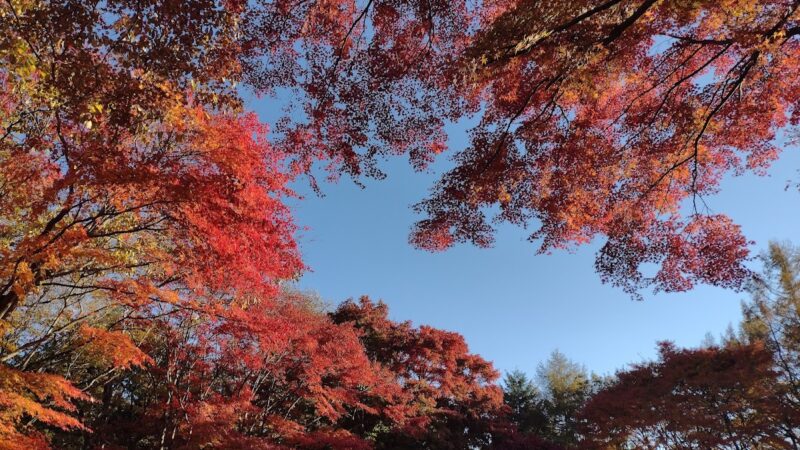
Heike no Sato is surrounded by rich nature, offering beautiful scenery in each season: fresh greenery in spring, deep green in summer, autumn foliage in fall, and snowy landscape in winter. The contrast between the thatched roofs and autumn leaves is particularly beautiful and popular as a photography spot.
Seasonal Events You Can Experience at Heike no Sato
Throughout the year, Heike no Sato hosts various events where visitors can experience the traditions and culture of Yunishikawa Onsen.
Yunishikawa Onsen Kamakura Festival (Winter Season)
The “Yunishikawa Onsen Kamakura Festival,” held from late January to early March each year, is a major winter event held throughout the Yunishikawa Onsen area, including Heike no Sato. Since 2016, Heike no Sato has served as the main venue for the Kamakura Festival, which was designated as a Japan Night View Heritage Site in 2016.
During the festival period, hundreds of mini kamakura ice huts are built on the grounds, and each one is lit with candles at night. This fantastical sight is known as the “World of Snow and Light” and enchants many tourists, becoming the signature winter attraction of Yunishikawa Onsen.
Heike Grand Festival (June)
The “Heike Grand Festival” is held on the first Sunday of June each year. This festival aims to console the spirits of the Heike refugees and pass on the region’s history and culture to future generations.
During the festival, a time period parade featuring local residents dressed as Heike warriors processes through the hot spring town, and Heike no Sato features performances of traditional arts and historical reenactments. The sight of the local community working together to preserve Heike history deeply moves visitors.
Special Opening During Autumn Foliage Season
From mid-October to early November during the autumn foliage season, extended opening hours or special lighting-up events may be held. The scenery created by thatched roofs and autumn leaves along with the surrounding mountains is exactly the original Japanese landscape.
Basic Information About Heike no Sato | Hours, Fees, and Facility Guide
Here is the basic information needed when visiting Heike no Sato.
Operating Hours
- April 1 – November 30: 8:30 – 17:00
- December 1 – March 31: 9:00 – 16:30
- Closed: No closure days (open year-round)
Since operating hours vary by season, it is recommended to check before visiting. Particularly in winter, sunset comes early, so an early visit is recommended.
Admission Fees
- Adults: 510 yen
- Children (elementary and junior high school students): 250 yen
- Group Discount: Available for groups of 20 or more
Fees may change, so please check the official website for the latest information.
Time Required
Allow approximately one to one and a half hours for viewing Heike no Sato. If you wish to carefully examine the exhibits or enjoy photography, budgeting about two hours allows for a more relaxed experience.
Facility Amenities
- Parking: Free parking available (approximately 50 regular parking spaces)
- Restrooms: Multiple locations throughout the grounds
- Gift Shop: Sells regional specialty products and souvenirs
- Accessibility: Some facilities have steps, so wheelchair users may need assistance for movement
Access to Heike no Sato | How to Get There by Car, Train, or Bus
Since Heike no Sato is located in a mountainous area, it is important to confirm access methods in advance.
Access by Train and Bus
Nearest Station: Noji Railway Aizu Kinugawa Line “Yunishikawa Onsen Station”
- Take the Tobu Railway Limited Express from Asakusa Station to Kinugawa Onsen Station (approximately 2 hours)
- Transfer to the Noji Railway and continue to Yunishikawa Onsen Station (approximately 30 minutes)
- Board the Nikko Kotsu Bus “Yunishikawa Onsen Line” from Yunishikawa Onsen Station to the final stop “Yunishikawa Onsen” bus stop (approximately 30 minutes)
- From the bus stop, it is approximately a 10-minute walk to Heike no Sato
Important Notes:
- Bus frequency is limited, so it is strongly recommended to check the timetable in advance
- In winter, snowfall and icy road conditions may affect the bus schedule
Access by Car
From Tokyo Area
- Approximately 90 minutes via Tohoku Expressway “Utsunomiya IC” and Nikko-Utsunomiya Road
- Approximately 60 minutes via “Imashi IC” on the Nikko-Utsunomiya Road and National Route 121
From Aizu Area
- Head south on National Route 121 (approximately 90 minutes)
Car Navigation Settings
- Address: 1042 Yunishikawa, Nikko City, Tochigi Prefecture
- Phone: 0288-98-0126
In winter, heavy snow and freezing are likely, so studless tires are essential. Drivers unfamiliar with mountain roads should exercise particular caution.
Taxi Service
If using a taxi from Yunishikawa Onsen Station, the travel time is approximately 20 minutes and the fare is estimated at 3,000 to 4,000 yen. However, taxis may not always be waiting at the station, so advance reservation is recommended.
Tourist Spots Around Heike no Sato | Highlights in the Yunishikawa Onsen Area
By visiting surrounding tourist spots when you visit Heike no Sato, you can enjoy a more fulfilling trip.
Yunishikawa Onsen Town
Within walking distance of Heike no Sato, the Yunishikawa Onsen town is lined with historic hot spring inns. Many inns accept day-trippers, allowing visitors to enjoy high-quality hot spring water from natural springs.
The town offers regional cuisine inspired by the Heike refugees. In particular, “Heike nabe” (Heike hot pot) is a traditional hotpot dish made with wild vegetables, mushrooms, and river fish, characterized by its simple yet rich flavor.
Yunishikawa Dam (Kawaji Dam)
Located approximately 15 minutes by car from Heike no Sato, Yunishikawa Dam is one of the largest gravity concrete dams in the Kanto region. The dam lake, “Gojuri Lake,” is known as a scenic spot for fresh greenery and autumn foliage, offering beautiful landscapes throughout the seasons.
Dam tours are available, and dam trading cards are distributed, making the spot popular among dam enthusiasts.
Michi-no-Eki Yunishikawa (Yunishikawa Roadside Station)
Located at the entrance to Yunishikawa Onsen, this roadside station sells regional specialty products and fresh agricultural products. The restaurant serves dishes made with local ingredients, making it an ideal rest stop during tourism.
Nikko National Park
Yunishikawa Onsen is part of Nikko National Park, and rich nature spreads throughout the surrounding area. Well-maintained hiking courses are available for nature walks.
Kinugawa Onsen and Kawaji Onsen
Located approximately 30 to 40 minutes by car from Yunishikawa Onsen are Kinugawa Onsen and Kawaji Onsen, major hot springs representing Tochigi Prefecture. If you have extra time, visiting multiple hot springs is also recommended.
Accommodations Around Heike no Sato | Recommended Hotels and Inns
When visiting Heike no Sato, staying at Yunishikawa Onsen is recommended. You can spend time leisurely while touching the history and culture of this hot spring where the Heike refugee legend lives on.
Major Accommodations in Yunishikawa Onsen
Honke Bankyu
- A representative long-established inn of Yunishikawa Onsen
- Historic inn run by descendants of Heike refugees
- Famous for hearth-cooked meals and natural hot spring water
Motoyu Yunishikawa-kan Honkan
- Known as the original hot spring source of Yunishikawa Onsen
- Charming buildings retaining the atmosphere of the Heike hideaway
- Featuring local cuisine and abundant hot spring water
Irodori Yunyakashiki Hana to Hana
- An inn where modern facilities and tradition blend together
- Some rooms feature private open-air baths
- Popular yukata (casual kimono) rental service for women
Yunishikawa Onsen Heike no Sho
- Attractive for its reasonable prices
- Popular with families
- Features spacious public baths and open-air bath
Tips for Accommodation Reservations
- Peak Seasons: The Kamakura Festival (late January to early March) and autumn foliage season (mid-October to early November) require early booking
- Weekday Use: By avoiding weekends and holidays, you can stay more affordably
- Accommodation Plans: Many inns offer plans featuring local dishes such as hearth-cooked meals and Heike nabe
Precautions When Visiting Heike no Sato and Recommended Attire
To enjoy Heike no Sato comfortably, please note the following:
Attire
Spring and Autumn (April–May, September–November)
- Bring something to put on as mornings and evenings are cool
- Walking shoes (sneakers, etc.) are recommended
- Thick outerwear is necessary, especially during autumn foliage season
Summer (June–August)
- The mountainous area is cooler than lowlands, but the sun can be intense during the day
- Bring a hat and sunscreen
- Insect repellent spray is convenient
Winter (December–March)
- Complete cold protection is essential
- Water-resistant shoes or boots are recommended due to snow
- Don’t forget cold-weather items like gloves, scarves, and hats
- During the Kamakura Festival period, temperatures are particularly harsh, so hand warmers are helpful
Other Precautions
- Photography: Photography within the grounds is generally permitted, but be considerate of other visitors
- Food and Drink: There are no dining facilities on the grounds, so plan to eat in the hot spring town or prepare meals in advance
- Cell Phone Signal: In mountainous areas, cell signal may be weak in some locations
- Weather: Mountain weather changes quickly, so bringing rain gear provides peace of mind
Learning More Deeply About Heike no Sato’s History
To make your visit to Heike no Sato more meaningful, it is recommended to study the Heike refugee legend and the Genpei War beforehand.
Recommended Pre-Visit Learning
- Familiarize yourself with an overview of “The Tale of the Heike”
- Learn about the Battle of Dannoura and the fall of the Heike clan
- Understand the relationship between Yunishikawa Onsen’s history and Heike refugee legends
- Watch the video presentation at the Cultural Heritage Hall
Using Local Guides
Heike no Sato may offer guided tours by advance reservation. Listening to expert guide commentary while touring allows for deeper understanding of the background and historical significance of the exhibits.
Model Courses to Maximize the Appeal of Heike no Sato
We introduce model courses for Yunishikawa Onsen tourism centered on Heike no Sato.
Day-Trip Course (Approximately 5–6 hours)
10:00 Arrive at Yunishikawa Onsen, head to Heike no Sato
10:30 Begin viewing Heike no Sato (start with Cultural Heritage Hall video)
12:00 Lunch in the hot spring town (enjoy Heike nabe and local cuisine)
13:30 Stroll through the hot spring town, day-trip bathing
15:00 Shop for souvenirs at Michi-no-Eki Yunishikawa
16:00 Depart
Two-Day, One-Night Course
Day 1
13:00 Arrive at Yunishikawa Onsen
14:00 Tour Heike no Sato
16:00 Check in to inn, enjoy hot spring
18:00 Dinner with hearth-cooked meals
Day 2
9:00 Check out from inn
9:30 Visit Yunishikawa Dam
11:00 Stroll through hot spring town, purchase souvenirs
12:00 Lunch and depart
Conclusion | A Journey to Touch History and Culture at Heike no Sato
Heike no Sato at Yunishikawa Onsen is not merely a tourist facility but a valuable place conveying the history and culture of Heike refugees to the modern era. The scenery with scattered thatched-roof old houses gives visitors the sensation of time-traveling back to the late Heian period.
The refugee legend born from the Genpei War, a crucial turning point in Japanese history, and the wisdom and ingenuity of people who survived in harsh natural environments. Heike no Sato, where you can feel these histories firsthand, is a historic tourism spot representing Tochigi Prefecture, worthy of a visit.
Beautiful nature in each season, hot springs, regional cuisine, and the warm welcome of local people. Yunishikawa Onsen and Heike no Sato are unique tourist destinations where you can simultaneously experience Japan’s original landscape and historical culture.
Why not visit Heike no Sato during your next holiday and ponder the historical romance of the Heike refugees?
-800x450.jpg)
-800x450.jpg)
-800x450.jpg)