Nōgan Railway Aizu Kinugawa Line Complete Guide|Discover the Scenic Beauty of This Local Line Connecting Tochigi and Fukushima
The Nōgan Railway Aizu Kinugawa Line (野岩鉄道会津鬼怒川線) is a 30.7 km third-sector railway line connecting Shin-Fujiwara Station in Nikko City, Tochigi Prefecture, to Aizu Kōgen Ozeguchi Station in Minamiaizu Town, Minamiaizu County, Fukushima Prefecture. Known affectionately as the “Hotto Spa Line,” it serves as an important access route to the Aizu region from the Tokyo metropolitan area and functions as a major tourism line showcasing hot springs and natural landscapes scattered along the route.
This article comprehensively covers the history of the Nōgan Railway Aizu Kinugawa Line, detailed information about each station, fares and schedules, tourist attractions along the line, and seasonal highlights to help you enjoy this route to the fullest.
What is the Nōgan Railway Aizu Kinugawa Line?
Basic Information About the Line
The Nōgan Railway Aizu Kinugawa Line is a relatively new line that opened on October 9, 1986 (Showa 61). Nine stations are located along the 30.7 km section, with a travel time of approximately 40 minutes.
Route Data:
- Starting point: Shin-Fujiwara Station (Nikko City, Tochigi Prefecture)
- Terminal: Aizu Kōgen Ozeguchi Station (Minamiaizu Town, Minamiaizu County, Fukushima Prefecture)
- Number of stations: 9 stations (including starting and terminal stations)
- Gauge: 1,067 mm (narrow gauge)
- Electrification: DC 1,500V
- Maximum speed: 95 km/h
- Nickname: Hotto Spa Line
The Origin of the Company Name “Nōgan”
The company name Nōgan Railway comes from the historical province names located at both ends of the line. It combines the “No” (野) from “Shimotsuke Province” (下野国, Shimotsuke-no-kuni), the former province name of Tochigi Prefecture, and the “Gan” (岩) from “Iwashiro Province” (岩代国, Iwashiro-no-kuni), the former province name established in early Meiji Period Fukushima’s Aizu region. This company name embodies the role of serving as a bridge between Tochigi and Fukushima prefectures.
Operation Under Third-Sector Model
Nōgan Railway operates under a third-sector model. A third-sector enterprise is a business form established through joint investment by national or local public bodies and private companies. In the case of the Aizu Kinugawa Line, the enterprise is funded by Fukushima Prefecture, Tochigi Prefecture, surrounding municipalities, and private companies, working together to maintain regional public transportation.
The railway facilities were transferred free of charge from the Japan National Railways Settlement Corporation, with Nōgan Railway owning the vehicles and handling operations and routine facility maintenance. This management structure creates a system where the local community collectively supports a financially challenging local line.
History and Background of the Nōgan Railway
From the National Railways Aizu Line Plan to a New Beginning
The history of the Aizu Kinugawa Line traces back to a rail construction plan by the Japanese National Railways (JNR). This plan aimed to connect the Kinugawa Line operated by Tobu Railway with the Aizu region, establishing a tourism and logistics route directly connecting the Tokyo metropolitan area with Aizu.
Construction work progressed from the 1960s onward, but when the National Railways Reconstruction Law was enacted in 1980 due to JNR’s deteriorating financial situation, the treatment of the line under construction became a problem. The Aizu Line faced the crisis of halted construction, but strong regional demands led to a decision to open it as a third-sector railway.
Opening in 1986
The Nōgan Railway Aizu Kinugawa Line officially opened on October 9, 1986. This made direct train service possible between Tobu Railway’s Asakusa Station and Aizu Railway’s Aizu Tajima Station (now extending further to Aizu-Wakamatsu Station), greatly improving access from the Tokyo metropolitan area to the Aizu region.
From its opening, the line has had a strong character as a tourism route, with tourism promotion efforts leveraging the hot springs and natural landscapes scattered along the line.
Cooperation with Tobu Railway and Aizu Railway
Although the Nōgan Railway Aizu Kinugawa Line operates independently, it runs through-service with Tobu Railway’s Kinugawa Line and Aizu Railway’s Aizu Line. This three-company cooperation creates a long-distance route from Asakusa Station to Aizu-Wakamatsu Station, with trains such as the limited express “Liberty Aizu” operating on it.
This cooperative system is highly regarded as an exemplary case of cooperation prioritizing user convenience, despite each company being a separate business entity.
Station Information: Comprehensive Guide to All 9 Stations
The Nōgan Railway Aizu Kinugawa Line has nine stations. Detailed introductions to each station’s features, nearby tourist attractions, and access information are provided below.
Shin-Fujiwara Station (新藤原)
Location: Fujiwara, Nikko City, Tochigi Prefecture
The starting-point station of the Nōgan Railway Aizu Kinugawa Line and a connection point with Tobu Kinugawa Line. Trains from the Kinugawa Onsen area arrive here, making it a major station where many tourists transfer. While there are few shops and restaurants in the immediate station area, Kinugawa Onsen hot spring resort is approximately 3 km away.
Station Facilities: Staffed station, automatic ticket machines, waiting room
Ryūō-kyō Station (龍王峡)
Location: Fujiwara, Nikko City, Tochigi Prefecture
The nearest station to Ryūō-kyō (Dragon King Gorge), representing a major tourist hub of the Nōgan Railway Aizu Kinugawa Line. Just a short walk from the station lies Ryūō-kyō, a scenic area featuring curious rocks and strange boulders formed by the Kinugawa River’s erosion, with approximately 2 km of scenic walking trails.
Nearby Attractions:
- Ryūō-kyō: A scenic spot formed about 22 million years ago by submarine volcanic activity, with tuff and lava eroded by the Kinugawa River
- Ryūō-kyō Natural Study Trail: Walking paths visiting multiple waterfalls including Niji-mi Waterfall and Koto-goto Waterfall
- Go-ryū-ō Shrine: Shrine dedicated to the guardian deity of Ryūō-kyō
Station Facilities: Unstaffed station, waiting room, restroom
Kawaji Onsen Station (川治温泉)
Location: Kawaji Onsen, Kawaji, Nikko City, Tochigi Prefecture
Gateway to Kawaji Onsen hot spring resort. The hot spring town center is about a 15-minute walk from the station, though some accommodations provide shuttle services. Kawaji Onsen, together with Kinugawa Onsen, forms the Oku-Kinugawa hot spring region.
Nearby Attractions:
- Kawaji Onsen town: A quiet hot spring resort located at the confluence of the Oga River and Kinugawa River
- Kawaji Onsen Yakushi-no-yu: Day bathing facility
- Kawaji Dam: Beautiful scenery around the reservoir
Station Facilities: Unstaffed station, waiting room
Kawaji Yumoto Station (川治湯元)
Location: Kawaji Onsen Kōgen, Kawaji, Nikko City, Tochigi Prefecture
The next station after Kawaji Onsen Station, located in the inner reaches of Kawaji Onsen. The area around the station is relatively quiet, with hot spring inns and small private accommodations scattered about. During autumn foliage season, the surrounding mountains turn colorful, offering beautiful scenery.
Station Facilities: Unstaffed station, waiting room
Yunishigawa Onsen Station (湯西川温泉)
Location: Nishikawa, Nikko City, Tochigi Prefecture
The nearest station to Yunishigawa Onsen hot spring, though the actual hot spring resort is about 8 km away, requiring bus transportation from the station. Yunishigawa Onsen is a hidden gem of a hot spring known for the legend of defeated Heike clan members finding refuge here. The winter “Yunishigawa Onsen Kamakura Festival” attracts many tourists.
Nearby Attractions:
- Yunishigawa Onsen: A historic hot spring said to be where members of the Heike clan hid after defeat
- Yunishigawa Onsen Kamakura Festival: Held from late January to early March annually, hundreds of miniature snow domes (kamakura) are lit up at night
- Heike-no-sato: A theme park recreating the lives of the defeated Heike clan members
- Igarashii Dam: Spectacular autumn foliage around the reservoir
Station Facilities: Staffed station (certain hours), automatic ticket machines, waiting room, restroom
Naka-Miyori Onsen Station (中三依温泉)
Location: Naka-Miyori, Nikko City, Tochigi Prefecture
Located along the Oga River, this station has a day-use hot spring facility called “Oga-no-yu” right in front of it. The autumn foliage around the station is beautiful, attracting many photography enthusiasts in fall. A small shop selling local products is also located inside the station building.
Nearby Attractions:
- Oga-no-yu: Day-use hot spring facility in front of the station, with an outdoor bath overlooking Oga River gorge
- Miyori district autumn foliage: Foliage spots around the station
Station Facilities: Staffed station (certain hours), waiting room, restroom, shop
Kami-Miyori Shiobara Onsen-guchi Station (上三依塩原温泉口)
Location: Kami-Miyori, Nikko City, Tochigi Prefecture
Although “Shiobara Onsen” appears in the station name, the actual Shiobara hot spring resort is approximately 20 km away, making direct access difficult. The area around the station is a nature-rich mountainous region suitable for hiking and nature walks.
Station Facilities: Unstaffed station, waiting room
Ojika Kōgen Station (男鹿高原)
Location: Ōmomo, Minamiaizu Town, Minamiaizu County, Fukushima Prefecture
The first station in Fukushima Prefecture, located in a quiet highland environment. Winter sees some usage from ski resort visitors. There are few accommodation facilities or restaurants around the station, with the station primarily functioning as a pass-through point.
Station Facilities: Unstaffed station, waiting room
Aizu Kōgen Ozeguchi Station (会津高原尾瀬口)
Location: Itosawa, Minamiaizu Town, Minamiaizu County, Fukushima Prefecture
The terminal station of the Nōgan Railway Aizu Kinugawa Line and a connection point with Aizu Railway’s Aizu Line. Passengers can transfer to trains heading toward Aizu-Wakamatsu. Around the station, you’ll find a tourist information center, souvenir shops, restaurants, and buses departing for the Ozegawara region.
Nearby Attractions:
- Ozegawara National Park: About 1 hour by bus from the station, representing one of Japan’s representative high-moor wetlands
- Aizu Kōgen Takatsuе Ski Resort: Winter skiing and snowboarding
- Aizu Kōgen Daikura Ski Resort: Family-friendly ski resort
Station Facilities: Staffed station, automatic ticket machines, waiting room, restroom, tourist information center, shop
Riding the Trains: Fares, Schedules, and How to Board
Fare System
The fares for the Nōgan Railway Aizu Kinugawa Line are based on distance. Main section fares for adults (one-way) are as follows:
- Shin-Fujiwara Station to Ryūō-kyō Station: ¥240
- Shin-Fujiwara Station to Kawaji Onsen Station: ¥410
- Shin-Fujiwara Station to Yunishigawa Onsen Station: ¥820
- Shin-Fujiwara Station to Aizu Kōgen Ozeguchi Station: ¥1,370
※Fares may be subject to change. Please check the latest information on the Nōgan Railway official website.
Discount Tickets and Free Passes
Nōgan Railway offers various discounted tickets for tourists:
Nōgan Railway 1-Day Free Pass:
A free pass allowing unlimited rides between Shin-Fujiwara Station and Aizu Kōgen Ozeguchi Station for one day. It’s economical if you plan to ride more than twice.
Tobu/Nōgan/Aizu Railway Free Pass:
A wide-area free pass allowing unlimited rides on designated sections of all three companies, enabling travel across a large area from Asakusa to Aizu-Wakamatsu.
Nōgan Railway Commute Tickets:
Commute tickets offering 12 rides for the price of 11, providing savings for regular users.
Nōgan Railway and Takatsuе Golf Enjoy Ticket:
A special package ticket for users of Aizu Kōgen Takatsuе Golf Club.
Schedules and Service Frequency
The Nōgan Railway Aizu Kinugawa Line operates approximately 10 round trips daily on both weekdays and weekends. Morning and evening trains serve commuters and students, while daytime trains primarily cater to tourists.
Limited express “Liberty Aizu” trains providing through-service from Tobu Railway’s Asakusa Station to Aizu Railway’s Aizu-Wakamatsu Station operate several times daily, allowing travel without transfers.
Detailed schedules can be checked on the Nōgan Railway official website. Seasonal special trains are sometimes operated.
How to Board and Important Notes
Ticket Purchase:
At staffed stations, tickets can be purchased at the ticket counter or from automatic machines. At unstaffed stations, take a numbered ticket upon boarding and pay the fare when exiting.
IC Cards:
As of 2024, IC cards such as Suica and Pasmo cannot be used on Nōgan Railway. Cash payment or paper tickets are required.
Limited Express Tickets:
To board limited express trains such as “Liberty Aizu,” a limited express ticket is required in addition to your passenger ticket. Limited express tickets can be purchased at major Tobu Railway stations or aboard the train.
Tourism and Outings: Experiencing the Charm of the Line
Seasonal Scenic Spots
The greatest appeal of the Nōgan Railway Aizu Kinugawa Line is the four-season natural scenery visible from the train windows.
Spring (March to May):
As snow melts, fresh green leaves emerge on the mountains, with cherry blossoms and mountain cherries in full bloom. Around Yunishigawa Onsen Station, the contrast between remaining snow and new greenery creates beautiful scenery.
Summer (June to August):
Deep green foliage envelops the gorge. At Ryūō-kyō, cool riverside walks along the gorge are popular. A pleasant summer retreat awaits at Kawaji Onsen and Yunishigawa Onsen.
Autumn (September to November):
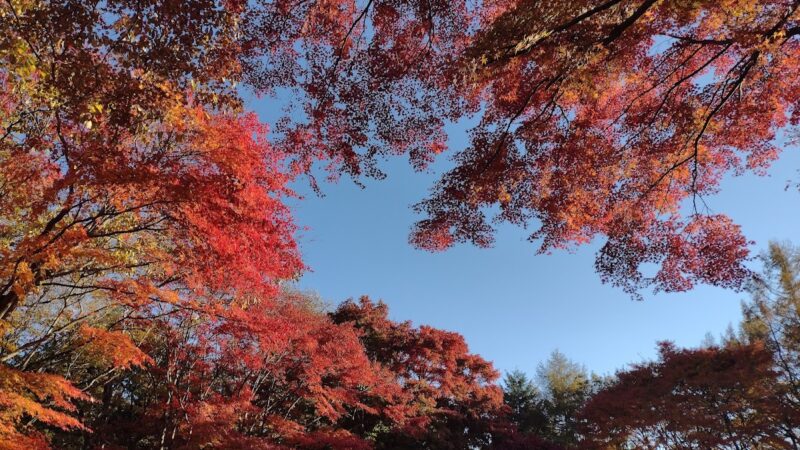
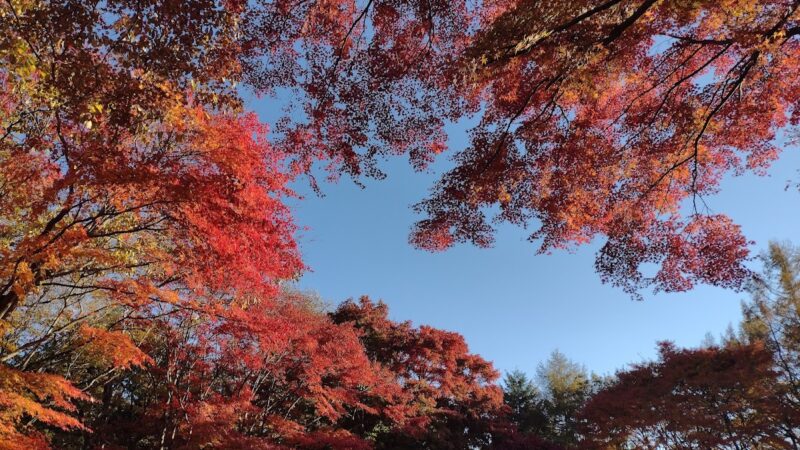
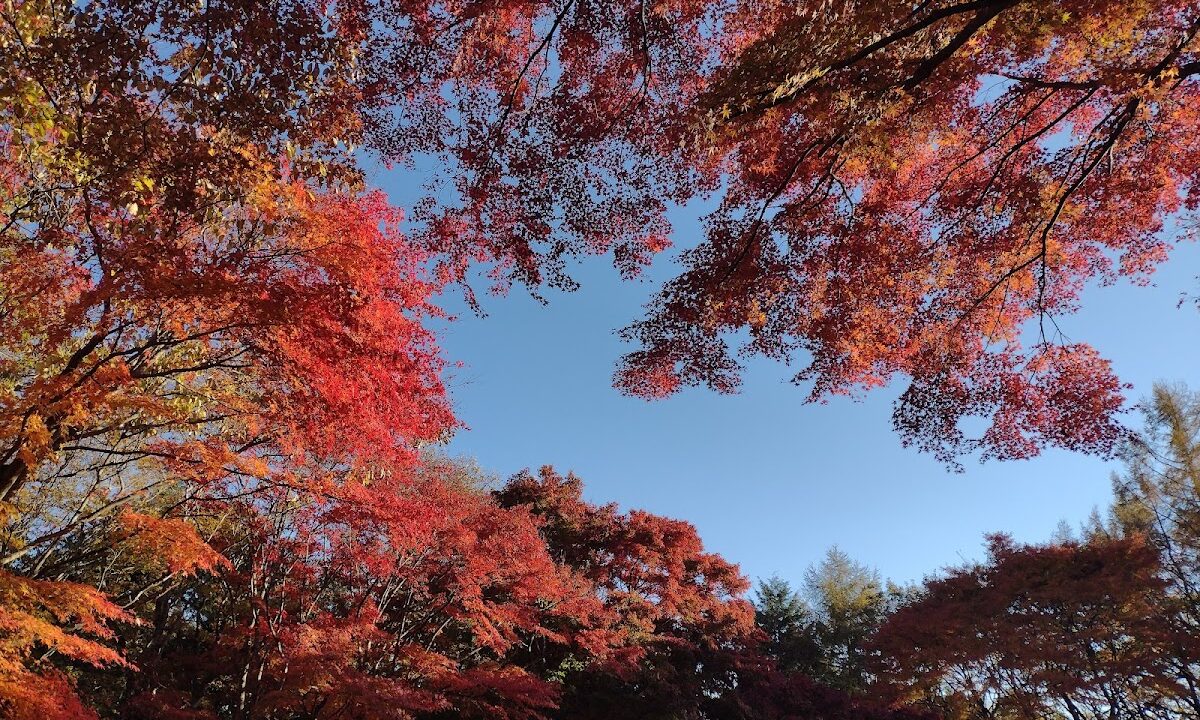
Autumn foliage season is when the Nōgan Railway Aizu Kinugawa Line shines brightest. Between Kawaji Onsen and Kawaji Yumoto stations, and between Yunishigawa Onsen and Naka-Miyori Onsen stations, colorful fall foliage and hot spring resort landscapes spread before you. Peak viewing is mid-October to early November.
Winter (December to February):
Riding through snowy landscapes creates a magical experience. During the Yunishigawa Onsen Kamakura Festival period (late January to early March), the area attracts many tourists. The line also serves as an important access route to ski resorts.
Hot Spring Tours
Multiple hot spring resorts lie along the line, allowing visitors to enjoy hot spring hopping.
Kawaji Onsen:
With a 300-year history, this hot spring resort is said to be effective for treating wounds, with the saying “Kawaji for wounds, Kinugawa (waterfall) for burns.” The alkaline simple hot spring waters are said to be effective for neuralgia, muscle pain, and joint pain.
Yunishigawa Onsen:
A hidden gem hot spring said to have been discovered by defeated Heike clan members, with legends remaining that no chickens were kept and no carp streamers were flown to avoid detection by pursuing Minamoto forces. The alkaline simple hot spring waters are expected to have beautifying effects.
Naka-Miyori Onsen (Oga-no-yu):
A day-use hot spring facility in front of the station where visitors can bathe in outdoor pools while viewing the Oga River gorge. The water is sodium-calcium chloride spring water.
Natural Walks in Ryūō-kyō
Ryūō-kyō is the representative tourist attraction of the Nōgan Railway Aizu Kinugawa Line. Formed about 22 million years ago by submarine volcanic activity, volcanic rocks were eroded by the Kinugawa River, creating this scenic area where curious rocks and strange boulders stretch for approximately 3 km.
Ryūō-kyō Natural Study Trail:
Approximately 6 km of well-maintained walking trails extend from Ryūō-kyō Station to Kawaji Onsen Station, passing highlights including Niji-mi Waterfall, Koto-goto Waterfall, White Dragon Gorge, Blue Dragon Gorge, and Purple Dragon Gorge. The hike takes approximately 2-3 hours.
Recommended Courses:
- Disembark at Ryūō-kyō Station → Niji-mi Waterfall → Koto-goto Waterfall → Go-ryū-ō Shrine → Ryūō-kyō Station (approximately 1 hour)
- Disembark at Ryūō-kyō Station → White Dragon Gorge → Blue Dragon Gorge → Purple Dragon Gorge → Kawaji Onsen Station (approximately 2.5 hours)
Yunishigawa Onsen Kamakura Festival
The “Yunishigawa Onsen Kamakura Festival,” held annually from late January through early March, is a signature winter event along the Nōgan Railway line. Hundreds of miniature snow domes (kamakura) are built on the riverbank and illuminated with candles at night.
At the main venue, visitors can enjoy barbecue inside large kamakura, as well as taste local cuisine. The magical atmosphere attracts numerous tourists.
Access to Ozegawara
From Aizu Kōgen Ozeguchi Station, buses run to Ozegawara, one of Japan’s representative high-moor wetlands (service available late May to mid-October). The journey from the station to Numayama Peak takes approximately 1 hour, with a further 1-hour walk to Ozegawara Marsh.
Ozegawara presents different seasonal views: Japanese skunk cabbage (late May to early June), Japanese marsh marigold (early to mid-July), and grass foliage (late September to early October).
Special Operation of SL Taiki “Hanitsu”
In cooperation with Tobu Railway and Aizu Railway, Nōgan Railway occasionally operates special runs of SL Taiki “Hanitsu” (a steam locomotive). This steam train, running between Shimoshimo Station and JR Aizu-Wakamatsu Station, is popular with railway enthusiasts and tourists.
Operational schedules and reservation details are announced periodically on the Nōgan Railway official website.
Route Map and Access
Detailed Route Map
The detailed route map of the Nōgan Railway Aizu Kinugawa Line can be viewed on the Nōgan Railway official website. It clearly shows the positions of each station, connections with Tobu Railway and Aizu Railway, and the locations of major tourist attractions.
Route maps are also posted in stations and aboard trains, providing peace of mind for first-time users.
Access from the Tokyo Metropolitan Area
From Tokyo:
- Direct travel via limited express “Liberty Aizu” from Tobu Railway’s Asakusa Station (approximately 3 hours)
- Via Tobu Nikko Line and Kinugawa Line from Tobu Railway’s Asakusa Station to Shin-Fujiwara Station, then transfer to Nōgan Railway
- Via JR Nikko Line and Tobu Kinugawa Line from JR Shinjuku Station
From Utsunomiya:
- Via JR Nikko Line to Shimoshimo Station, transfer to Tobu Kinugawa Line to Shin-Fujiwara Station, then transfer to Nōgan Railway
From Aizu-Wakamatsu:
- Via Aizu Railway’s Aizu Line to Aizu Kōgen Ozeguchi Station, then transfer to Nōgan Railway
Car Access and Parking
Parking facilities are available at each station, and “park and ride” is possible where vehicles can be parked to transfer to trains.
Parking at Major Stations:
- Shin-Fujiwara Station: approximately 30 spaces
- Ryūō-kyō Station: approximately 20 spaces
- Yunishigawa Onsen Station: approximately 50 spaces
- Aizu Kōgen Ozeguchi Station: approximately 100 spaces
Parking is free or available for a nominal fee.
Company Overview, Employment Information, and Other Details
Overview of Nōgan Railway Co., Ltd.
Company Name: Nōgan Railway Co., Ltd.
Established: 1984 (Showa 59)
Headquarters: Itosawa, Minamiaizu Town, Minamiaizu County, Fukushima Prefecture
Capital: Approximately ¥4 billion
Shareholders: Fukushima Prefecture, Tochigi Prefecture, surrounding municipalities, private companies, and others
Business: Passenger railway operations, real estate leasing, merchandise sales
Management Status and Challenges
Since its opening, Nōgan Railway has secured a certain number of users as a tourism line. However, declining populations and increased private car usage have led to decreasing commuter and school-related travel. Additionally, like other third-sector railways, aging facilities and securing funding for facility renewal present ongoing challenges.
On the positive side, increased inbound tourism and the “secret station” boom have shown certain growth in tourism demand. Ongoing tourism promotion efforts are conducted in cooperation with surrounding municipalities and tourism associations.
Employment Information
Nōgan Railway regularly hires for positions including station staff, train operators, and maintenance workers. Detailed employment information can be found on the “Employment Information” page of the Nōgan Railway official website.
Those interested in working for a railway company rooted in the local community should definitely check this out.
Nōgan Railway Fan Club
Nōgan Railway operates a “Nōgan Railway Fan Club” for railway enthusiasts and those who love the charm of the surrounding area (operational status varies by period). Member benefits include exclusive merchandise sales, advance notice of event information, and distribution of newsletters.
Original Merchandise and Email Newsletter
Nōgan Railway also sells original merchandise. Station name keychains, route map clear files, and commemorative boarding tickets are popular items. Some merchandise can be purchased at major stations, with online sales also available.
Subscribing to the email newsletter provides regular updates on the latest event information, temporary train operation announcements, and tourist information about the surrounding area.
How to Enjoy the Nōgan Railway Aizu Kinugawa Line: Model Courses
Day-Trip Hot Spring Tour Course
Duration: Approximately 6 hours
- Depart from Shin-Fujiwara Station (9:00)
- Disembark at Ryūō-kyō Station → Ryūō-kyō exploration (9:20-11:00)
- Disembark at Kawaji Onsen Station → Bathe and dine at Kawaji Onsen Yakushi-no-yu (11:15-13:30)
- Disembark at Naka-Miyori Onsen Station → Bathe at Oga-no-yu (13:45-15:00)
- Arrive at Shin-Fujiwara Station (15:30)
Autumn Foliage Appreciation Course (mid-October to early November)
Duration: 1 day
- Depart from Shin-Fujiwara Station (8:30)
- Disembark at Ryūō-kyō Station → Explore foliage-colored Ryūō-kyō (8:50-11:00)
- Arrive at Kawaji Onsen Station → Lunch (11:15-12:30)
- Disembark at Yunishigawa Onsen Station → Travel by bus to Yunishigawa Onsen, explore town and bathe (13:00-16:00)
- Return from Yunishigawa Onsen Station (16:30)
Aizu Region Tour Course
Duration: 2 days
Day 1:
- Travel via limited express “Liberty Aizu” from Asakusa Station to Aizu Kōgen Ozeguchi Station
- Travel via Aizu Railway to Aizu-Wakamatsu Station
- Sightseeing in Aizu-Wakamatsu (Tsuruga Castle, samurai residences, etc.)
- Overnight in Aizu-Wakamatsu
Day 2:
- Travel from Aizu-Wakamatsu Station to Aizu Kōgen Ozeguchi Station
- Disembark at Yunishigawa Onsen Station via Nōgan Railway → Explore and bathe at Yunishigawa Onsen
- Disembark at Ryūō-kyō Station → Explore Ryūō-kyō
- Return from Shin-Fujiwara Station
Photography Spots: Information for Railroad Photography Enthusiasts
The Nōgan Railway Aizu Kinugawa Line, running through nature-rich landscapes, is also popular as a railroad photography spot.
Recommended Photography Points:
- Ryūō-kyō Station area: Possible to photograph trains with gorge backdrop
- Between Kawaji Onsen and Kawaji Yumoto stations: Photograph with hot spring town and autumn foliage background
- Between Yunishigawa Onsen and Naka-Miyori Onsen stations: Photograph with dam lake and train combination
- Around Naka-Miyori Onsen Station: Photograph station building with autumn foliage
- Around Ojika Kōgen Station: Photograph trains in open highland scenery
When photographing, observe rules including no trespassing on railroad tracks and no unauthorized entry onto private property, with attention to safety.
Conclusion: Take a Special Journey on the Nōgan Railway Aizu Kinugawa Line
The Nōgan Railway Aizu Kinugawa Line, spanning just 30.7 km with 9 stations, is a small line with a diverse array of charms concentrated along its route: hot springs, gorges, autumn foliage, hidden gems, and history.
Accessible in approximately 3 hours from the Tokyo metropolitan area, it can be enjoyed as a day trip, while staying overnight at hot springs allows for leisurely experiences. The natural scenery, which changes with each season, offers new discoveries with every visit.
Through cooperation with Tobu Railway and Aizu Railway, regional loop tours combining Kinugawa Onsen, Nikko, Aizu-Wakamatsu, and other major tourist destinations are possible.
The Nōgan Railway Aizu Kinugawa Line, continuing operations as a third-sector railway supported by the local community, makes riding it more than just transportation—it becomes a special experience of touching the nature, culture, and history of Tochigi and Fukushima.
By all means, board the Nōgan Railway Aizu Kinugawa Line and fully savor the charms of Tochigi and Fukushima. The scenery from the train windows, encounters with people at each station, hot springs and cuisine along the line—all will become unforgettable memories.
-800x450.jpg)
-800x450.jpg)