Miyori District (Tochigi Prefecture) Complete Guide | Thorough Explanation of History, Tourism, Nature, and Access
What is Miyori District?
Miyori (みより) District is a mountain village settlement located in the northern part of Nikko City, Tochigi Prefecture, on the border with Fukushima Prefecture. With a population of about 300 people, it is a small area, but it concentrates the charm unique to satoyama (border zone between mountain foothills and arable land), including abundant nature, clear water, beautiful scenery of all four seasons, and hot springs.
It once existed as the independent “Miyori Village,” but merged with Fujiwara Town in 1955 (Showa 30), and further became part of Nikko City through the Heisei Great Merger of 2006 (Heisei 18). Today, as “Miyori District,” it continues to preserve its unique culture and nature.
Located between Kawaji Hot Spring and Oku-Aizu, the district is blessed with the ravine beauty of the Ogika River (おじかがわ), which flows through the upper Kinugawa basin. With snowfall of 1-2 meters during winter, and climate conditions close to those of Fukushima Prefecture, the changes of the four seasons are extremely distinct.
History of Miyori District
Origin of the Place Name
There are various theories about the origin of the place name Miyori, but the most widely accepted theory is that it derives from the district being composed of three settlements (Kami-Miyori, Naka-Miyori, and Shimo-Miyori). Another theory suggests that the meaning transformed from “yoru” (to depend on) in relation to “santō ni yoru” (depend on three directions) due to the terrain surrounded by mountains.
Formation and Changes of Miyori Village
Miyori Village developed as a post station on the Aizu Kaido (Shimotuke Kaido) from the Edo period through the Meiji period. With forestry and agriculture as main industries, it also experienced a period of prosperity from timber exports.
With the implementation of the Town and Village System in Meiji 22 (1889), “Miyori Village” was formally established. Belonging to Shioya District, Tochigi Prefecture, it proceeded as a typical agricultural and mountain village in a mountainous area.
On May 5, Showa 30 (1955), Miyori Village was merged into Fujiwara Town. This occurred as part of the nationwide municipal mergers called the Showa Great Merger. Subsequently, on March 20, Heisei 18 (2006), surrounding municipalities including Fujiwara Town merged with Nikko City, becoming the present-day Nikko City Miyori District.
Historical Industries and Living
Forestry has long been thriving in Miyori District, and the timber industry utilizing abundant forest resources has supported the regional economy. Timber rafting using the Ogika River was also conducted, and the area played an important role as a timber supplier to downstream regions.
In agriculture, sloping land farming unique to mountainous areas was conducted, with cultivation of buckwheat and miscellaneous grains. In harsh winter climate conditions, residents have a history of living while helping one another.
Geography and Natural Environment of Miyori District
Geographic Location
Miyori District is located in the northern part of Nikko City (former Fujiwara Town) and borders Minamiaizu District, Fukushima Prefecture. At elevations of approximately 500-800 meters, settlements are scattered throughout the mountainous area, surrounded by mountains of about 1,000 meters elevation.
With an elongated east-west shape, the Ogika River flows through the center, becoming an important tributary of the Kinugawa water system. The district is divided into three main settlements: Kami-Miyori, Naka-Miyori, and Shimo-Miyori, each with its own history and characteristics.
Climate Characteristics
Located on the border with Fukushima Prefecture, the climate differs greatly from southern Tochigi Prefecture. Winter snowfall reaches 1-2 meters, with climate conditions comparable to heavy snowfall areas.
- Spring (March-May): The mountain vegetable season arrives with snowmelt
- Summer (June-August): Relatively cool due to high elevation, comfortable as a summer retreat
- Autumn (September-November): Beautiful fall foliage, best season for tourism
- Winter (December-February): Hit by heavy snow, some facilities close seasonally
Clear Stream of Ogika River
The greatest natural element characterizing Miyori District is the Ogika River. As a tributary of the Kinugawa, it boasts very clear water quality, and is inhabited by stream fish such as iwana (Japanese char) and yamame (Japanese trout).
Along the riverbanks spreads ravine scenery, with particularly beautiful landscapes during new green and autumn foliage seasons. Stream fishing utilizing this clear water has become an important tourism resource for Miyori District.
Abundant Forest Resources
About 90 percent of Miyori District is covered with forest, with a mixture of broad-leaved forests such as beech, oak, and maple, and coniferous forests of cedar and cypress. These abundant forests serve as habitats for diverse wildlife, with species such as Asian black bears, Japanese serows, and Japanese deer living there.
Spring brings wild mountain vegetables, and autumn brings an abundance of mushroom varieties, supporting the food culture of local residents.
Tourist Spots in Miyori District
Miyori Stream Fishing Spot
Miyori Stream Fishing Spot is Tochigi Prefecture’s only full-fledged managed stream fishing spot. Utilizing the clear waters of the Ogika River directly, visitors can enjoy stream fishing in a natural environment.
Characteristics:
- Fish such as iwana, yamame, and rainbow trout can be caught
- Fish are released when visitors arrive, so good catches are expected
- No time or catch limits, enjoy at a leisurely pace
- Crystal-clear water and air, open fishing experience amid deep green surroundings
- Environment enjoyable for both beginners and advanced anglers
Rental rods and bait are provided, so visitors can enjoy fishing even empty-handed. Fish caught can be grilled with salt on the spot and eaten, with the fresh stream fish taste being exceptional.
Kami-Miyori Aquatic Plant Garden
Kami-Miyori Aquatic Plant Garden is a botanical garden cultivating and displaying over 300 species of aquatic plants and alpine plants across an area of approximately 22,000 square meters.
Highlights:
- Spring: Japanese skunk cabbage, false hellebore, dogtooth violet
- Early summer: Himalayan blue poppy, candelabra primrose
- Summer: Japanese false hellebore, water clover, water lily
- Autumn: Gentian, snakeroot
Taking advantage of the cool climate at about 700 meters elevation, alpine plants that are difficult to cultivate on Honshu can also be seen. Wooden pathways are installed throughout the garden, allowing close observation of wetland plants.
The garden opens from mid-April to late November, closing seasonally in winter due to snow. Blooming information can be checked on the official website.
Autumn Foliage Spots
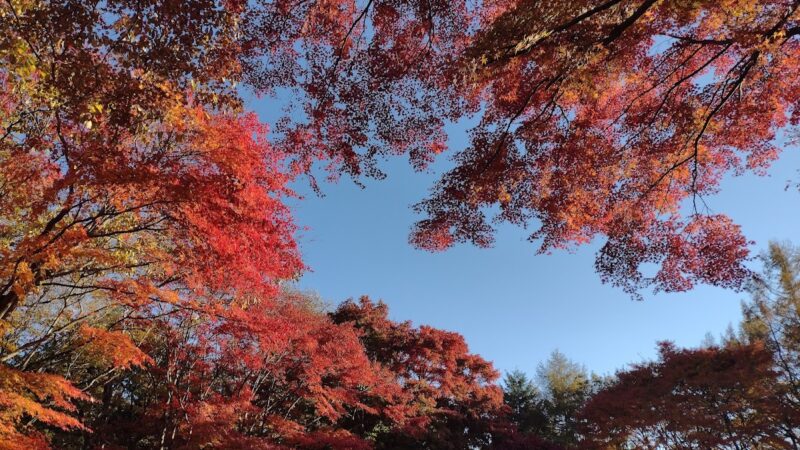
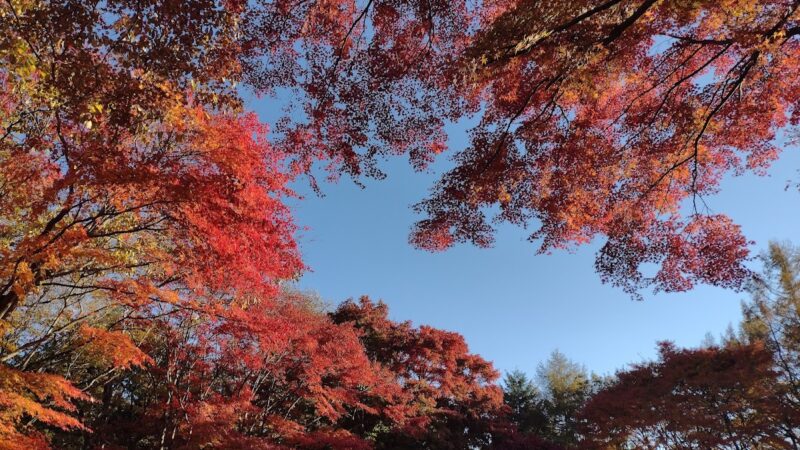
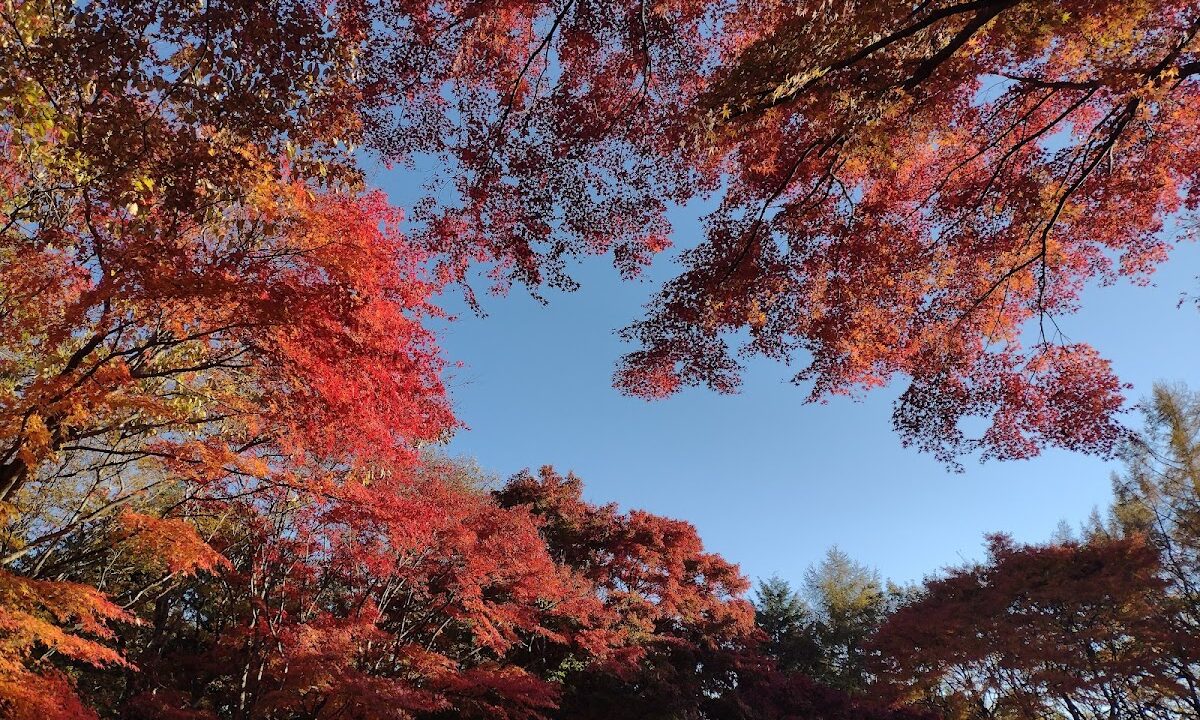
Miyori District is also known as a famous autumn foliage location. The sight of the ravine along the Ogika River turning red and yellow is spectacular.
Recommended Autumn Foliage Spots:
- Kami-Miyori Shiobara Hot Spring Entrance Station Surroundings: The Noda Railway station front is colored in autumn foliage, popular as a photo spot
- Large Ginkgo of Kumano-do Shrine: A large ginkgo tree with a history of several hundred years in the shrine precincts shines in golden color
- Ogika River Ravine: Enjoy the contrast of ravine beauty and autumn foliage through driving or walking along the river
- Miyori Stream Fishing Spot Surroundings: A luxury location where one can enjoy foliage viewing while fishing
Peak season is typically mid-October through early November. With elevation differences, autumn foliage can be enjoyed for a relatively long period.
Kumano-do Shrine
A shrine transmitting the history of Miyori District to the present day, it serves as the center of faith for local residents. In the shrine precincts stands a large ginkgo tree with a reputed history of several hundred years, displaying magnificent golden leaves in autumn.
At this quiet mountain shrine, visitors can worship in a solemn atmosphere. Community festivals are held, serving as a place for continuing traditional culture.
Hot Spring Facilities
Multiple hot springs are located around Miyori District, allowing visitors to enjoy hot spring bathing in an environment surrounded by streams and mountains.
Characteristics of Hot Springs in Miyori District:
- Superior spring quality, gentle on the skin
- Calm environment in mountainous areas for relaxed bathing
- Some facilities offer day-use bathing
- Good access to Kawaji and Shiobara hot springs
An ideal environment for healing tired bodies and refreshing oneself in nature.
Gourmet and Local Products of Miyori District
Local Ingredients
Miyori District is blessed with clear water and abundant nature, making it a treasure trove of delicious ingredients.
Main Local Products:
- Stream Fish: Fresh river fish such as iwana and yamame. Salt-grilled and sweetly braised varieties are excellent
- Buckwheat: Fragrant buckwheat cultivated in cool climate. Hand-made buckwheat noodle restaurants are available
- Mountain Vegetables: Spring delicacies including warabi (bracken fern), zenmai (ostrich fern), and taranome (Japanese angelica aralia shoots)
- Mushrooms: Abundant natural mushrooms available in autumn
- Vegetables: Strong sweetness develops in vegetables due to large temperature differences
Local Cuisine
Traditional local cuisine unique to mountainous areas is passed down in Miyori District.
- Salt-Grilled Iwana: River fish slowly grilled over charcoal, fragrant and excellent
- Mountain Vegetable Dishes: Tempura, boiled vegetables, simmered dishes and various cooking methods
- Buckwheat: Hand-made buckwheat noodles using locally produced buckwheat flour
- Mushroom Soup: Warm soup abundant with autumn delicacies
Local restaurants and private inns serve these traditional local dishes.
Access to Miyori District
Access by Train
Noda Railway Aizu-Kinugawa Line
Access to Miyori District is convenient via Noda Railway.
- Kami-Miyori Shiobara Hot Spring Entrance Station: Serves as the gateway station to Miyori District
- Limited express and rapid trains from Tobu Railway Asakusa Station to Shin-Fujiwara Station, then transfer to Noda Railway
- About 3 to 3.5 hours from Tokyo area
- From Aizu direction, about 40 minutes from Aizu Tajima Station via Noda Railway
Noda Railway runs along scenic ravines, and the views from train windows are also enjoyable.
Access by Automobile
Main Routes:
- From Tokyo Area
- Tohoku Expressway Utsunomiya IC via Route 121, about 90 minutes
- Nikko-Utsunomiya Expressway Imachi IC via Route 121, about 60 minutes
- From Fukushima Area
- Tohoku Expressway Nishinasushio Shiobara IC via Routes 400 and 121, about 50 minutes
- From Aizuwakamatsu area via Route 121, about 90 minutes
- From Nasu/Shiobara Area
- Via Routes 400 and 121, about 40-50 minutes
Notes:
- From December to March, heavy snowfall and freezing make road conditions severe
- Mountain roads with many curves and slopes
- Watch for wild animal darts
Parking Information
Main tourist facilities have parking available.
- Miyori Stream Fishing Spot: Free parking available
- Kami-Miyori Aquatic Plant Garden: Free parking (approximately 50 spaces)
- Kami-Miyori Shiobara Hot Spring Entrance Station: Parking space at station front
How to Spend Time in Miyori District
Day-Trip Plan
Nature Appreciation Course (Spring-Autumn)
- 10:00 Arrival at Kami-Miyori Shiobara Hot Spring Entrance Station
- 10:30 Observe seasonal flowers at Kami-Miyori Aquatic Plant Garden (approximately 90 minutes)
- 12:00 Buckwheat noodle lunch at local restaurant
- 13:30 Stream fishing experience at Miyori Stream Fishing Spot (approximately 2-3 hours)
- 16:30 Hot spring bathing
- 17:30 Depart for return journey
Autumn Foliage Viewing Course (Mid-October to Early November)
- 9:00 Arrival in Miyori District by automobile
- 9:30 Drive and walk along Ogika River
- 11:00 View the large ginkgo of Kumano-do Shrine
- 12:00 Lunch (local cuisine)
- 13:30 Autumn foliage photography around Kami-Miyori Shiobara Hot Spring Entrance Station
- 15:00 Hot spring bathing
- 16:30 Depart for return journey
Overnight Plan
Private lodges and hot spring inns are available around Miyori District, allowing for leisurely stays.
One-Night Two-Day Model Course
Day 1
- Morning: Arrival in Miyori District, visit Kami-Miyori Aquatic Plant Garden
- Afternoon: Stream fishing experience at Miyori Stream Fishing Spot, eat caught fish at dinner
- Evening: Check-in at hot spring inn, relax in hot spring
- Night: Dinner using local ingredients, stargazing
Day 2
- Morning: Early morning walk, post-breakfast natural exploration or shrine visits
- Afternoon: Tour autumn foliage spots, purchase souvenirs
- Return: Stop by Kawaji or Kinugawa hot springs on the way back
Four Seasons of Miyori District
Spring (March-May)
A season when mountains begin to sprout with snowmelt.
- Kami-Miyori Aquatic Plant Garden displays Japanese skunk cabbage and false hellebore in full bloom
- Mountain vegetable picking season begins (bracken fern, ostrich fern, Japanese angelica aralia shoots, etc.)
- Stream fishing season opens (early March onward)
- Fresh green foliage is beautiful, excellent for hiking
Summer (June-August)
Cool due to high elevation, comfortable as a summer retreat.
- Kami-Miyori Aquatic Plant Garden displays Himalayan blue poppy and Japanese false hellebore in bloom
- Peak season for stream fishing
- Families enjoy camping and barbecues
- Firefly viewing (early to mid-July)
Autumn (September-November)
The season when Miyori District shines most beautifully.
- Mid-October to early November is peak autumn foliage season
- Ogika River ravine turns red and yellow
- Mushroom picking season
- Stargazing excellent amid clear air
- New buckwheat season
Winter (December-February)
A season enveloped in heavy snow and silence.
- Snowfall of 1-2 meters
- Many facilities close seasonally
- Some enjoy snowshoeing and cross-country skiing
- Enjoy outdoor hot spring bathing with snow viewing
- Experience life in harsh nature
Present Situation and Challenges of Miyori District
Population Decline and Aging
Miyori District, a small settlement with a population of about 300, like other hilly and mountainous areas, is experiencing population decline and aging. Once home to over 1,000 people, population has declined due to young people’s outmigration.
Regional Revitalization Efforts
Miyori District is undertaking regional revitalization utilizing its abundant nature and culture.
- Tourism Promotion: Launched a tourism website called “Hiifuu Miyori” to strengthen information dissemination
- Migration Promotion: Accepting residents from urban areas
- Local Product Development: Product development utilizing local ingredients
- Event Hosting: Implementation of events to promote regional appeal
Sustainable Regional Development
Passing the abundant natural environment of Miyori District to future generations requires balancing environmental conservation with sustainable tourism. Efforts continue through cooperation between local residents and visitors to protect this beautiful satoyama.
Precautions When Visiting Miyori District
Winter Visits
- December to March have heavy snowfall and severe road conditions
- Studless tires or chains are essential
- Some facilities close seasonally
- Check road conditions and facility operation status in advance
Wildlife
- Asian black bears inhabit the forests, so carry a bear bell when entering woodlands
- Particularly vigilant during early morning and evening
- Always take garbage with you
Etiquette and Consideration
- Care for noise and trespassing on private property as this is residents’ living area
- Permission from landowners may be required for picking mountain vegetables or mushrooms
- Fishing license required for stream fishing
- Cherish nature, always take garbage with you
Summary
Miyori District is a small mountain village settlement with a population of about 300 located in the northern part of Nikko City, Tochigi Prefecture. With a history as the former Miyori Village, abundant nature and traditional culture continue to thrive today.
The clear stream of the Ogika River, beautiful scenery of all four seasons, stream fishing, aquatic plant garden, hot springs—all concentrate the charm unique to satoyama. Particularly during autumn foliage season, the spectacular beauty attracts many tourists.
Access is good at about 3 hours from Tokyo, enjoyable for both day trips and overnight stays. For those wishing to leave urban hustle and bustle behind and spend leisurely time in nature, it is an ideal location.
While facing the challenge of population decline, local residents continue to protect and promote Miyori’s appeal. When visiting, be mindful to respect this beautiful nature and culture and practice sustainable tourism.
Why not experience the primordial Japanese landscape and the wealth of nature in satoyama living at Miyori District?
-800x450.jpg)
-800x450.jpg)