Onuma and Goshogake Area, Akita Prefecture | Complete Guide to Hachimantai Autumn Foliage, Hot Springs, and Camping 2024
The Onuma and Goshogake area in Kazuno City, Akita Prefecture, is located within Hachimantai National Park and is one of the premier natural tourism destinations in the Tohoku region. Spreading across high-altitude terrain at approximately 1,000 meters, the area features pristine beech forests, the Goshogake hot spring where active volcanic activity can be observed up close, and Lake Onuma, which offers breathtaking scenery during autumn foliage season. This region, filled with seasonal charm year-round, is beloved by numerous tourists and outdoor enthusiasts.
This article provides detailed information on everything needed to fully enjoy the Onuma and Goshogake area, from autumn foliage information to hot springs, camping sites, and nature trail walks.
Basic Information on the Onuma and Goshogake Area
The Onuma and Goshogake area is located in Hachimantai, Kazuno City, Akita Prefecture, positioned near the border with Iwate Prefecture in the central part of Hachimantai National Park. Characterized by a natural environment surrounded by abundant primordial beech forests in a highland area at approximately 1,000 meters above sea level.
Location: Within Kumakusan National Forest, Hachimantai, Kazuno City, Akita Prefecture
Access:
- By car: Approximately 40km and 50 minutes from Kazuno Hachimantai IC on the Tohoku Expressway
- Public transportation: Approximately 1 hour by bus from Kanegasaki Hanawa Station on the JR Hanamaki Line
Altitude: Approximately 1,000 meters
Main facilities: Goshogake Hot Spring, Lake Onuma, Goshogake (Onuma) Campground, nature trails
Hachimantai is a volcanic group spanning Akita and Iwate prefectures, and was designated as a national park in 1956 due to its rich natural environment and hot spring resources. The Onuma and Goshogake area is particularly known as a place where nature’s charm is concentrated.
Autumn Foliage at Onuma and Goshogake | Best Viewing Periods and Scenic Spots
Best Foliage Viewing Times
Autumn foliage at Hachimantai varies in timing depending on altitude and vegetation types, beginning to color from the Hachimantai summit in late September. The best foliage viewing period for the Onuma and Goshogake area is early to mid-October, when the beech forests turn golden, allowing visitors to enjoy the most beautiful autumn scenery in Hachimantai.
Foliage progression schedule:
- Late September: Coloring begins near the Hachimantai summit
- Early October: Peak foliage season in the Onuma and Goshogake area
- Mid-October: Foliage at mid-slope areas reaches peak
- Late October: Autumn colors descend to the foothills
Mirror Reflection Autumn Foliage at Onuma
Lake Onuma is a volcanic lake with a circumference of about 1km, displaying particularly beautiful scenery during autumn foliage season. When the wind calms and the water surface becomes still, the reflected beech forest foliage in the lake creates a “mirror autumn foliage” phenomenon.
Early morning is particularly ideal for viewing mirror foliage due to weak winds. The sight of golden beech forests illuminated by morning sunlight reflecting on the calm water surface is truly like a work of art.
Wooden walkways surround Lake Onuma, with a nature trail allowing a complete circuit in approximately 30 minutes. Being an easily accessible trail in casual attire makes this spot highly recommended for families.
Golden Hues of the Primordial Beech Forest
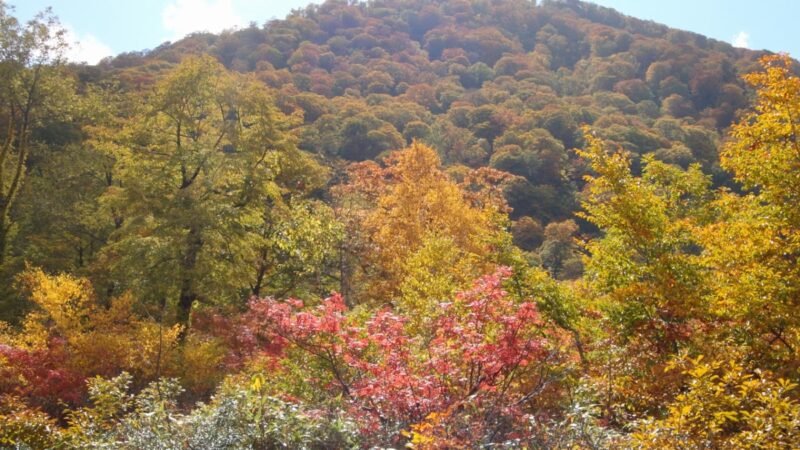
The main attraction of autumn foliage in the Onuma and Goshogake area is undoubtedly the golden leaves of beech trees. Beech is a representative tree of Japan’s temperate forests, displaying vibrant golden hues in autumn. The beech forests of Hachimantai boast some of the finest scale and beauty in the Tohoku region, with the forests spanning from Fukenoki Hot Spring through Goshogake Hot Spring to Lake Onuma particularly acclaimed as “Hachimantai’s finest location.”
Walking through the beech forest, visitors experience a fantastical space with a carpet of fallen leaves beneath their feet and a golden canopy overhead.
Charm of Grass Foliage
In early October, not only tree foliage but grass foliage also reaches peak viewing. Grasslands throughout Hachimantai turn red and yellow, offering a softer, different palette of color changes compared to tree foliage.
Goshogake Hot Spring | Experiencing Volcanic Activity up Close
History and Characteristics of Goshogake Hot Spring
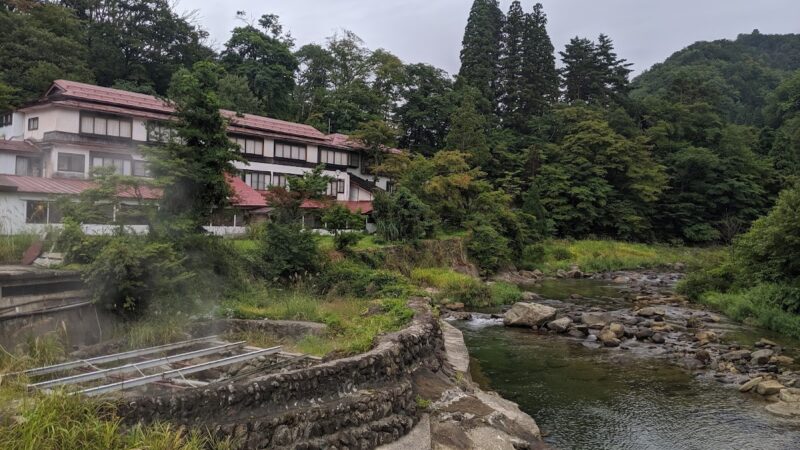
Goshogake Hot Spring is a secluded hot spring with approximately 300 years of history, with the saying “Come on horseback, leave in wooden clogs at Goshogake,” reflecting its reputation for healing properties. Currently operated as a single inn, Goshogake Hot Spring Ryokan, which also offers day-use bathing.
The spring water is acidic sulfur-rich, reputed to be effective for neuralgia, muscle pain, joint pain, and skin conditions. It features multiple unique bathing facilities including a “box steam bath,” “volcanic bath,” and “mud bath,” each offering distinct bathing experiences.
Goshogake Natural Research Trail
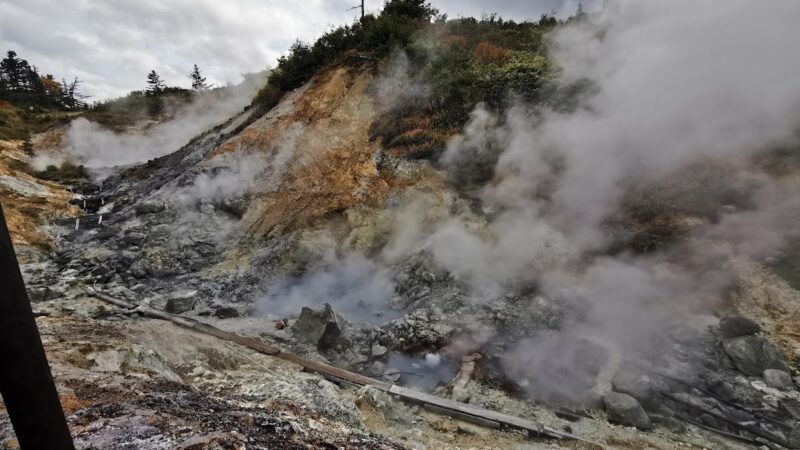
Surrounding Goshogake Hot Spring, the “Goshogake Natural Research Trail” has been developed to observe currently active volcanic phenomena up close. This nature trail spans approximately 1.2km with a walking time of 40 minutes to 1 hour.
Highlights:
- Mud volcanoes: Observe mud bubbling and spouting
- Konnya Hell: Bluish hot water welling from a pool
- Ooyu Swamp: A geothermal pond with sulfur odors
- Steam vents: Vigorous steam erupting from ground fissures
All paths are paved or wooden-planked, allowing access even in sneakers. However, volcanic gases are present in certain areas, requiring caution for those with poor health or respiratory conditions.
The Goshogake Natural Research Trail, where natural power can be experienced through all five senses, is a must-visit spot when combined with Lake Onuma foliage walks.
Lake Onuma Trail | Enjoying Autumn Foliage Walks
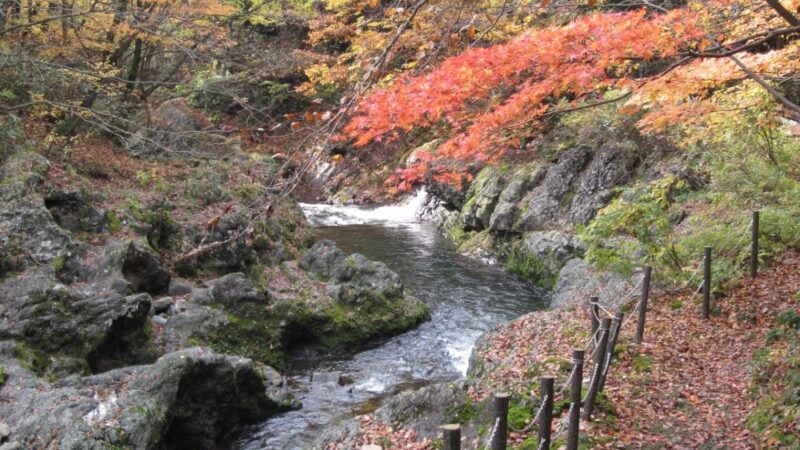
Approximately 1km of nature trails surround Lake Onuma, allowing visitors to enjoy foliage while circumnavigating the lake. The presence of wooden walkways makes the trail relatively easy to navigate even after rain.
Walking Highlights
Walking time: Approximately 30 minutes (approximately 1 hour including photography and rest stops)
Best season: Early to mid-October
Recommended attire: Comfortable sneakers or trekking shoes; bring warm clothing due to high altitude
Recommended time: Early morning (for mirror foliage, choose times with calm winds)
While relatively flat, wooden paths become slippery when wet, requiring caution. Additionally, early October temperatures may drop to around 5 degrees Celsius in morning and evening, necessitating proper cold-weather preparations.
Photography Spots
The following locations are recommended for photographing Lake Onuma’s autumn foliage:
- Northern observation point: Panoramic views of the entire lake with beautiful contrasts between mountains and foliage
- Water surface photography from wooden paths: Low-angle shots capturing both water surface and foliage
- Eastern sunrise spot: Direction of sunrise for backlighting photography opportunities
Goshogake (Onuma) Campground | Outdoor Experience in Great Nature
Overview of the Campground
Goshogake (Onuma) Campground, positioned at approximately 1,000 meters altitude within Hachimantai National Park, is a full-featured campground. Surrounded by abundant primordial beech forests with nearby hot springs, it enjoys high ratings from Tohoku camping enthusiasts.
Operating season: Generally early June through late October (varies by year)
Site types:
- Free sites: Spacious areas allowing tent setup
- Caravan sites (auto sites): Sectioned sites permitting vehicle access
Fees (2024 season reference):
- Free sites: Adults ¥400, elementary school children and under ¥100
- Vehicles: ¥400, motorcycles: ¥100
- Caravan sites: ¥2,000-¥2,500 per plot
Facilities and Equipment
The campground includes the following facilities:
- Management office: Reception, shop (firewood, charcoal, beverages, etc.)
- Cooking area: Water supply available
- Restrooms: Flush toilets
- Shower facilities: Hot water showers available
- Parking: Paved surfaces
Particularly noteworthy is that despite remote location, the road to the campground is completely paved, allowing safe access by standard vehicles.
Campground Appeal
The greatest appeal of Goshogake (Onuma) Campground lies in its location. At 1,000 meters altitude, it remains cool and comfortable even in summer. With Goshogake Hot Spring within walking distance, camping combined with hot spring bathing offers a luxury outdoor experience.
Evening stargazing opportunities and early morning bird songs create memorable experiences. October’s foliage season proves particularly popular, with camping surrounded by golden beech forests providing an extraordinary experience.
Important Notes for Use
- Temperature: High altitude causes significant temperature variations from lower elevations. Cold weather protection essential, especially in autumn
- Wildlife: Bear sightings possible in this area. Proper food storage and noise-making precautions necessary
- Cellular service: Signal may be unavailable in some areas
- Garbage: All trash must be carried out
Nearby Hot Springs | Hot Spring Tour Within the Area
Within a 10km radius of the Onuma and Goshogake area exist several appealing hot spring facilities.
Goshogake Hot Spring
As previously mentioned, Goshogake Hot Spring is a single-inn facility distinguished by diverse bath types. Both lodging and day-use bathing available.
Day-use bathing: 9:00 AM to 4:00 PM (times vary seasonally)
Fee: Approximately ¥700 for adults (varies seasonally)
Fukenoki Hot Spring
Located near Goshogake Hot Spring, Fukenoki Hot Spring is also recognized as a secluded hot spring. Characterized by milky white sulfur water, with reputable scenic outdoor bath views.
Tamagawa Hot Spring and Shin-Tamagawa Hot Spring
Approximately 20 minutes by car from the Onuma and Goshogake area sits Tamagawa Hot Spring, famous as Japan’s strongest acidic hot spring. With pH 1.2 acidity, many therapeutic visitors frequent this hot spring area.
Shin-Tamagawa Hot Spring, a sister facility to Tamagawa Hot Spring, features more modern amenities. Both offer day-use bathing.
Mushiyu Hot Spring
Located on Hachimantai’s Akita Prefecture side, Mushiyu Hot Spring is a high-altitude hot spring at 1,100 meters. Surrounded by beech forests, its outdoor bath proves popular, with particularly beautiful scenery during autumn foliage season.
Other Tourist Attractions in the Hachimantai Area
When visiting Onuma and Goshogake, combining nearby attractions is recommended.
Hachimantai Summit
At 1,613 meters altitude, the Hachimantai summit sits on the Akita-Iwate border. A nature trail to the summit requires approximately 20 minutes. Clear weather offers 360-degree panoramic views.
Hachimantai Dragon Eye
The “Hachimantai Dragon Eye” appears only during late May to early June snow-melting season, as Kagami Swamp snow melts, creating a mystical landscape. Named for its dragon-eye appearance.
Aspite Line
The “Hachimantai Aspite Line,” a 27km mountain road crossing Hachimantai, connects Akita and Iwate prefectures as a spectacular scenic drive. Early October foliage season transforms both roadside areas into vibrant colors.
Yakeyama
A volcano south of Hachimantai, Yakeyama features rugged volcanic terrain and distinctive landscape with sulfur odors.
Access Information and Tourism Plans
Detailed Access Information
By car:
- Approximately 50 minutes from Kazuno Hachimantai IC via National Route 341 and Prefectural Route 318
- Approximately 40 minutes from Matsuo Hachimantai IC via National Route 282 and Prefectural Route 318
Public transportation:
- Akita Hokubu Bus “Hachimantai Summit bound” from Kanegasaki Hanawa Station on JR Hanamaki Line, approximately 1 hour to “Goshogake” stop
- Bus frequency is limited; advance schedule confirmation essential
Parking: Free parking available near Lake Onuma and Goshogake Hot Spring
Recommended Tourism Plans
Day-trip plan (autumn foliage season):
- 9:00 AM Arrive at Lake Onuma, park vehicle
- 9:15 AM Lake Onuma trail walk (approximately 1 hour)
- 10:30 AM Goshogake Natural Research Trail walk (approximately 1 hour)
- 11:45 AM Lunch and day-use bathing at Goshogake Hot Spring (approximately 2 hours)
- 2:00 PM Head home via Aspite Line scenic drive
One-night, two-day plan (camping):
- Day 1: Afternoon arrival, campground setup, Lake Onuma walk, hot spring bathing, dinner and stargazing at campground
- Day 2: Early morning mirror foliage photography at Lake Onuma, breakfast followed by Goshogake Natural Research Trail walk, pack up and explore surroundings
Important Notes When Visiting Onuma and Goshogake
Weather and Clothing
At approximately 1,000 meters altitude on highland terrain, temperatures differ substantially from lowland areas.
Early October temperatures:
- High: 10-15 degrees Celsius
- Low: Around 5 degrees Celsius (even lower in early morning)
Recommended attire:
- Warm layers (fleece or down jacket)
- Layered clothing
- Comfortable walking shoes (trekking shoes ideal)
- Rain gear (weather changes frequently)
- Hat, gloves (mid-October onward)
Safety Precautions
Bear countermeasures:
The Hachimantai area is habitat for Asian black bears. Avoid solo travel during early morning or evening, using bear bells or making noise while walking.
Volcanic gases:
Volcanic gases occur along the Goshogake Natural Research Trail. Those with poor health or respiratory issues require caution.
Cellular service:
Signal is unavailable in certain areas. Confirm maps beforehand and travel with companions.
Operating Seasons and Winter Closures
Hachimantai Aspite Line typically closes for winter from early November through late April. Additionally, Goshogake (Onuma) Campground ceases operations in late October. Confirm latest operational information before visiting.
Seasonal Appeal
Spring (late May through June)
The snow-melting season features beautiful fresh greenery. The Hachimantai Dragon Eye appears during this period, with snow and new growth contrasts proving appealing.
Summer (July through August)
High altitude ensures cool comfort, making it ideal for summer retreat. Campgrounds operate comfortably, with alpine wildflowers blooming and trekking conditions excellent.
Autumn (late September through mid-October)
Prime autumn foliage season when the Onuma and Goshogake area shines most beautifully. Early October marks foliage peak.
Winter (November through April)
Aspite Line closure makes general tourism difficult. However, Goshogake Hot Spring operates year-round, allowing snow-viewing hot spring bathing (dependent on road snow removal).
Conclusion: Maximizing Enjoyment of Onuma and Goshogake’s Appeal
The Onuma and Goshogake area in Kazuno City, Akita Prefecture, represents a place where nature’s charm concentrates within Hachimantai National Park. Early October foliage season features golden beech forests, reflected foliage on mirror-like water surfaces, Goshogake Natural Research Trail allowing close observation of active volcanic phenomena, and secluded hot spring bathing—diverse charms captivating visitors.
The campground’s completeness enables luxury experiences combining camping with hot springs. Whether day-tripping or staying overnight, this region accommodates various styles, continuing to charm numerous visitors as a premier Tohoku nature destination.
The foliage season sees particular crowding; visiting early in the day is recommended. High altitude and low temperatures require proper cold-weather preparation. Special time spent amid great nature surely awaits you.