Dakigaeri Gorge, Akita Prefecture Complete Guide | Access, Attractions, Best Season Explained in Detail
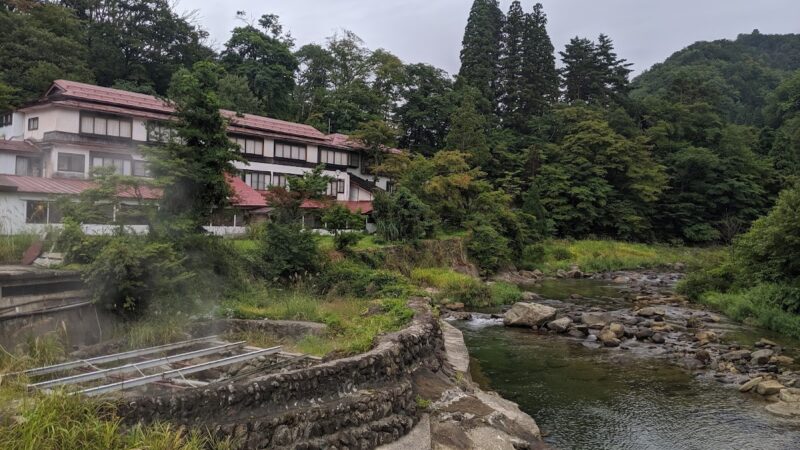
Located in Senboku City, Akita Prefecture, Dakigaeri Gorge is known as the “Yabaike of Tohoku” and is one of the prefecture’s most scenic spots. Spanning approximately 10 kilometers along the middle course of the Tamagawa River connecting Lake Tazawa and Kakunodate, this gorge continues to captivate visitors with its beauty throughout the four seasons. The emerald green glowing mysterious stream, vertically towering cliffs, and breathtaking scenery during fresh greenery and autumn foliage seasons await.
This article comprehensively conveys the charm of Dakigaeri Gorge while providing detailed explanations of access methods, best seasons, and nearby tourist attractions.
What is Dakigaeri Gorge? The Origin of the Name and History
The Origin of the Name “Dakigaeri”
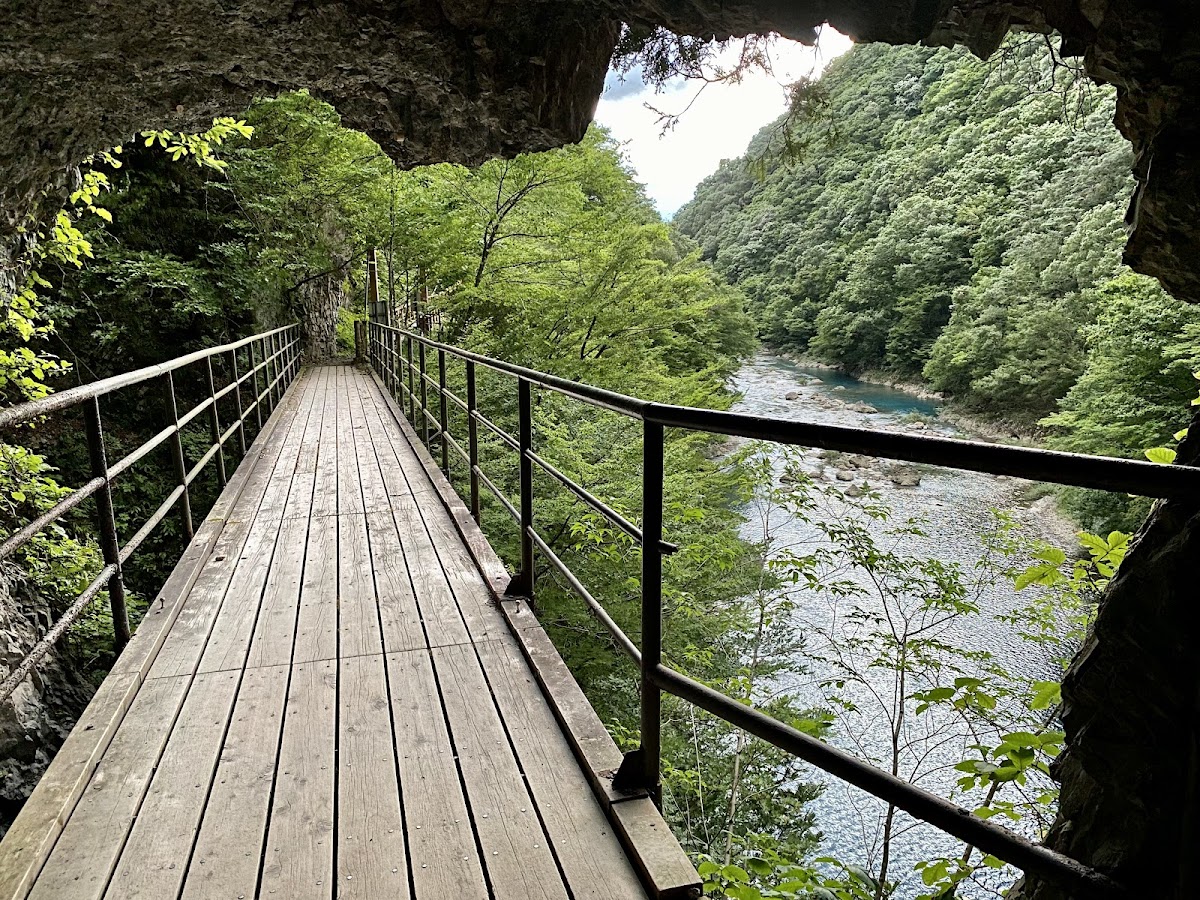
The unique name Dakigaeri Gorge has an interesting historical background. In the past, the road along this gorge was extremely narrow and treacherous, so when people passed each other, they had to hold and embrace one another to squeeze through, which led to the name “dakigaeri” (literally “holding and turning”).
This name not only speaks to the transportation difficulties of that time but also demonstrates how steep the terrain of this region is and how it conveys the power of nature. Today, the walking trail is well-maintained and can be safely explored, but this name continues to convey the history of the gorge.
Geographic Characteristics and Formation Process
Dakigaeri Gorge is located in the middle course of the Tamagawa River, a tributary of the Omono River, a first-class river. Over long years, the Tamagawa, which originates from the Hachimantai plateau, has carved through the bedrock to create the current spectacular gorge scenery. The approximately 10-kilometer gorge is designated as the Lake Tazawa Dakigaeri Prefectural Natural Park and is protected as an important natural asset of Akita Prefecture.
On both sides of the gorge, nearly vertical cliffs stretch continuously, with heights reaching tens of meters in some places. This topography is the result of the combined effects of the Tamagawa’s erosion and crustal movement, making it geologically valuable.
Must-See Spots in Dakigaeri Gorge
Kami-no-Iwa Bridge (God’s Rock Bridge)
The symbol of Dakigaeri Gorge is the suspension bridge “Kami-no-Iwa Bridge,” which spans approximately 80 meters at the gorge entrance. Completed in 1926 (Taisho 15), this suspension bridge is known as one of the oldest in Akita Prefecture.
From the bridge, you can look down at the emerald green Tamagawa stream, a view that is truly spectacular. The sensation of the bridge gently swaying, combined with the azure water surface far below and the pristine forest surrounding it, leaves an unforgettable impression on visitors. During the autumn foliage season, the contrast between the colored leaves and the blue stream becomes particularly beautiful, making it a popular spot for photography enthusiasts.
Mikaeri Falls (Looking-Back Falls)
One of the waterfalls representing Dakigaeri Gorge is “Mikaeri Falls.” As its name suggests, the waterfall is so beautiful that you can’t help but look back after passing by. The water cascading down from a vertical cliff is graceful, and the landscape harmonizing with the surrounding rock faces evokes the beauty of nature’s creation.
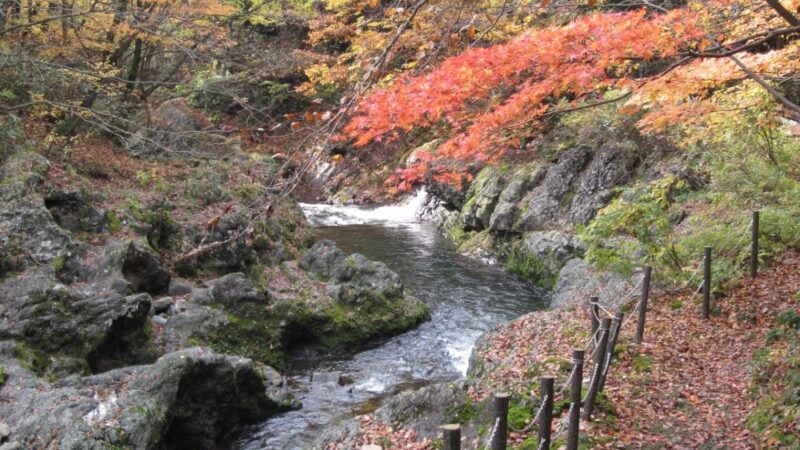
The area around Mikaeri Falls shows particularly stunning scenery during autumn foliage season. Maples, cherry trees, and other broadleaf trees turn red and yellow, creating a magnificent contrast with the white spray of the waterfall. During the fresh green season, the waterfall surrounded by vibrant green creates a refreshing atmosphere.
Emerald Green Stream
The most distinctive feature of Dakigaeri Gorge is its uniquely blue stream. The Tamagawa’s water subtly changes color depending on weather and season, but on clear days it shines with an incredibly vivid emerald green or cobalt blue.
This beautiful blue color is a natural phenomenon created by the combined effects of the water’s high transparency, the mineral composition of the riverbed rocks, and light reflection. The blue unique to the Tamagawa, distinct from Lake Tazawa’s lapis lazuli color, continues to captivate visitors. As you walk along the trail beside the stream, you can enjoy the water’s constantly changing colors.
Other Waterfalls and Rock Formations
In addition to Mikaeri Falls, various large and small waterfalls are scattered throughout Dakigaeri Gorge. Since ancient times, the area has been known to have “one hot spring, six waterfalls, and three islands (rock formations)” as attractions, each displaying a unique character.
Along the gorge, you can see many oddly-shaped rocks carved by water and wind over long periods. These rocks, as formations that convey nature’s strength and the passage of time, add depth to the gorge’s landscape.
Four-Season Charm and Best Seasons
Fresh Green Season (May–June)
From spring to early summer, the fresh green season is when Dakigaeri Gorge displays its most vibrant expression full of life. Zelkova, Japanese wingnut, Mongolian oak, and many other broadleaf trees burst into leaf all at once, and the entire gorge is wrapped in vivid green.
The appeal of this season is the contrast between the transparent green of young leaves and the emerald green stream. The young foliage backlit by the sun glows beautifully, and a refreshing landscape unfolds. Additionally, the powerful waterfalls fed by snowmelt are impressive.
The temperature is mild and ideal for hiking, making a walk while listening to birdsong particularly special. The best viewing time for fresh green is from around Golden Week through mid-June.
Autumn Foliage Season, a Famous Location (Mid-October–Early November)
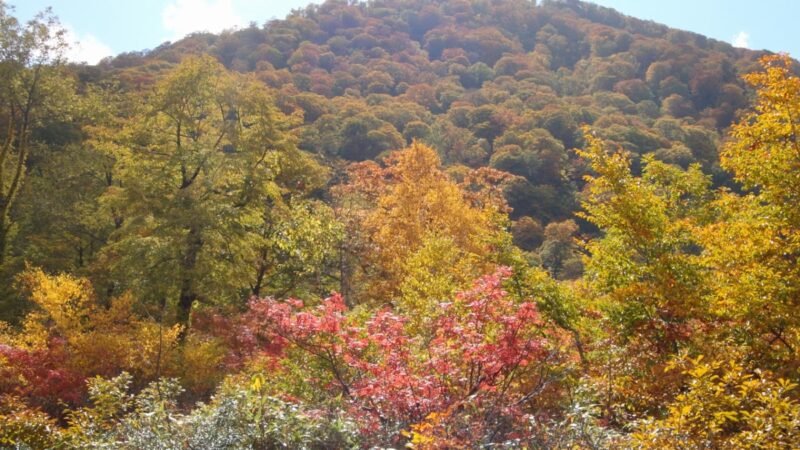
Dakigaeri Gorge becomes crowded with tourists during the autumn foliage season, when it’s most bustling. The spectacular foliage worthy of its “Yabaike of Tohoku” nickname colors the entire gorge.
Maples, cherry trees, oak trees, and other broadleaf species turn red, orange, and yellow, blending with the green of evergreen red pines, creating a landscape like a painting created by nature. The views from Kami-no-Iwa Bridge and the foliage around Mikaeri Falls are particularly breathtaking and become prime photography spots.
The best viewing time for foliage is typically mid-October through early November, though timing varies with weather. During peak season, crowds are expected, so weekday visits or early morning hikes are recommended. The contrast between the blue stream and autumn foliage is a spectacular sight worth seeing once in a lifetime.
Summer Retreat (July–August)
Dakigaeri Gorge in midsummer is popular as a natural refuge from the heat. The cool air created by the deep gorge and rich forest, and the murmur of the stream offer comfort and make you forget the heat.
The gorge, covered in deep green, conveys nature’s powerful beauty unique to summer. The stable stream sometimes displays a deeper blue, and the water surface glittering under strong summer sunlight has an exceptional beauty.
Winter Conditions
In winter (December–April), the hiking trail is typically closed due to snow accumulation and icy roads. Considering safety, visits during this period are not recommended. However, the quiet beauty of the snow-covered gorge is exceptional and offers special charm for those with winter mountaineering gear and experience.
Access Information and Parking
Access by Car
Car access is the most convenient way to reach Dakigaeri Gorge.
From Akita:
- Approximately 50 minutes from “Daishoku IC” on the Akita Expressway via National Route 105
- Approximately 60 minutes from “Kyowa IC” on the Akita Expressway via National Routes 46 and 105
From Morioka:
- Approximately 70 minutes from “Morioka IC” on the Tohoku Expressway via National Route 46
From Lake Tazawa:
- Approximately 20 minutes from Lake Tazawa’s shore via National Route 341 and prefectural roads
From Kakunodate:
- Approximately 15 minutes from Kakunodate town via prefectural roads
Parking Information
Free parking is available near the Dakigaeri Gorge entrance. The capacity is approximately 50 vehicles, but during peak autumn foliage season, it may become full. In that case, use the temporary parking area a bit farther away or consider visiting at a different time.
From the parking lot to Kami-no-Iwa Bridge is a walk of just a few minutes. Restrooms are also installed near the parking area for use before exploring.
Access by Public Transportation
By Train:
- JR Tazawa Line “Kakunodate Station” is the nearest station
- From Kakunodate Station to Dakigaeri Gorge is approximately 8 kilometers
By Bus:
- Buses operate from Kakunodate Station to the gorge, but the number of services is limited, so advance time table confirmation is necessary
- Additional temporary buses may operate during autumn foliage season
By Taxi:
- Approximately 15 minutes by taxi from Kakunodate Station, fare approximately 2,500 yen
- Approximately 20 minutes from Lake Tazawa Station, fare approximately 3,500 yen
Public transportation access is somewhat inconvenient, so considering rental car use has merit. Rental car companies are located around Kakunodate Station, allowing you to efficiently visit surrounding tourist sites including Lake Tazawa and Kakunodate’s samurai residences.
Walking Courses and Time Required
Basic Walking Course (Round Trip Approximately 1 Hour)
The most common course is walking from the parking lot across Kami-no-Iwa Bridge along the hiking trail to near Mikaeri Falls and returning. The distance is approximately 1 kilometer one way, approximately 1 hour round trip.
The hiking trail is relatively well-maintained, but as a mountain path beside the gorge, it has moderate ups and downs. Comfortable shoes and movement-friendly clothing are recommended.
Leisurely Enjoyment Course (2–3 Hours)
If you wish to enjoy photography or slowly admire the scenery while walking, allow approximately 2 to 3 hours. Especially during autumn foliage season, you’ll want to pause at various spots to enjoy the views, so planning with extra time is recommended.
Cautions
- Some sections of the trail are narrow or slippery, so proceed carefully
- Footing is especially slippery after rain
- Insect repellent spray is recommended during summer
- Bring water and light snacks in advance (there are no shops in the gorge)
- Closure information can be confirmed on Senboku City’s official website
Nearby Tourist Attractions
Visiting nearby tourist attractions while exploring Dakigaeri Gorge makes for a richer travel experience.
Kakunodate Samurai Residences
Approximately 15 minutes by car from Dakigaeri Gorge is Kakunodate, known as the “Little Kyoto of Michinoku.” The streets lined with samurai residences preserving the atmosphere of the Edo period are designated as a National Important Preservation District for Groups of Historic Buildings.
Spring hosts the “Kakunodate Cherry Blossom Festival,” and autumn features “Kakunodate Matsuri no Yama Gyoji” (National Designated Important Intangible Folk Cultural Asset), both drawing many visitors. Various enjoyments are available including viewing samurai residences, experiencing traditional birch crafts, and savoring local cuisine.
Lake Tazawa
Approximately 20 minutes by car from Dakigaeri Gorge is Lake Tazawa, Japan’s deepest lake (423.4 meters). The mysterious lapis lazuli-colored lake surface has a different beauty from the gorge’s blue.
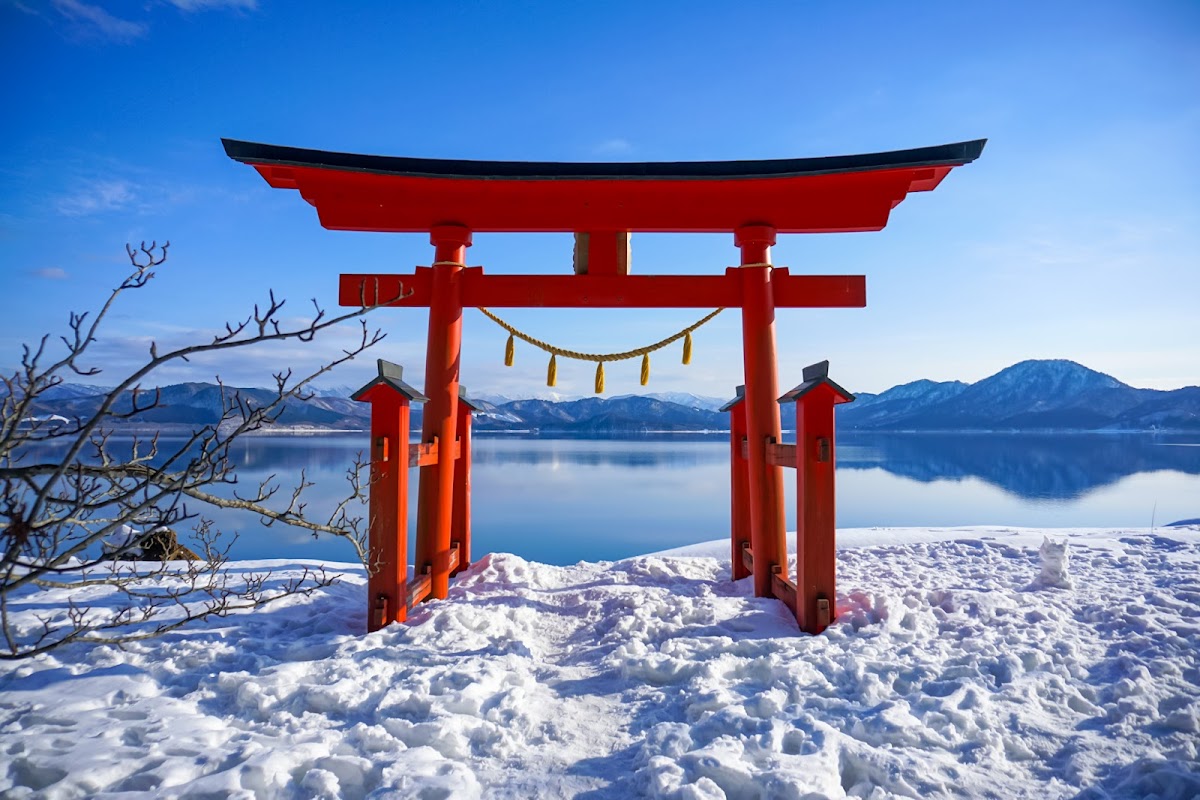
The lake shore features sights like the “Tatsuko statue” and “Gozaishi Shrine,” and you can enjoy the lake by sightseeing boat or rental bicycle. Many hot spring facilities surround the area, allowing you to relax and recover after sightseeing.
Akita Art Village
Approximately 10 minutes by car from Dakigaeri Gorge is “Akita Art Village,” a comprehensive facility offering hot springs, accommodations, dining, and art appreciation. “Hot Spring Yupopo” in particular allows day-trip bathing, perfect for soothing post-exploration fatigue.
It’s also the headquarters of Warabi-za theater company, where you can enjoy quality stage performances. A beer brewery and Lake Tazawa Beer Restaurant offer craft beer and local cuisine.
Sashimaki Wetland Marsh Marigold Colony
If visiting in spring (mid-April to early May), the Sashimaki Wetland near Kakunodate is also recommended. Approximately 60,000 marsh marigold plants grow across about 6 hectares, creating beautiful scenery announcing spring’s arrival.
Senboku City Tourism Information Center “Kakunodate Station Storehouse”
Located in front of Kakunodate Station, the tourism information center provides information about Dakigaeri Gorge and other Senboku City attractions. It distributes pamphlets, answers tourism questions, and sells souvenirs, making it a convenient starting point for your journey.
Dining and Gourmet Information
You can enjoy Akita regional cuisine and local specialties around Dakigaeri Gorge.
Kakunodate Area Gourmet
Kakunodate has numerous restaurants serving Akita specialties including Inaniwa udon, kiritanpo, and Hinai chicken. Cafes and restaurants utilizing historic buildings are found around the samurai residence street, allowing you to dine in an atmospheric setting.
Lake Tazawa Area Gourmet
Around Lake Tazawa, “Lake Tazawa Beer” and dishes using local ingredients are popular. Waterside restaurants allow dining while enjoying the view.
Souvenirs
Representative souvenirs include Kakunodate birch crafts, smoked pickled vegetables (iburi-gakko), Inaniwa udon, and Lake Tazawa Beer. They’re available around Kakunodate Station and roadside stations.
Accommodation Information
Kakunodate Area Accommodations
Kakunodate has various accommodations from historic inns to business hotels. Staying in accommodations near the samurai residences allows you to explore the quiet town early in the morning.
Lake Tazawa Area Hot Spring Inns
Scattered around Lake Tazawa are hot spring inns including the Lake Tazawa Highland Hot Spring area. Nyuto Hot Spring is approximately 30 minutes by car away, allowing you to enjoy secret hot spring tours.
Accommodation at Akita Art Village
“Hotel Mori no Kaze Tazawa-ko” within “Akita Art Village” allows enjoying hot springs, dining, and stage performances simultaneously in a stay-based tourism format.
Photography Tips and Recommended Times
For the Best Shots
Here are tips for taking beautiful photographs at Dakigaeri Gorge.
Photography from Kami-no-Iwa Bridge:
You can photograph both upstream and downstream views from the bridge’s center. A wide-angle lens makes it easier to capture the gorge’s expanse.
Photography of Mikaeri Falls:
Using a slow shutter to express the waterfall’s flow creates more mystical photos. A tripod is helpful.
Emphasizing Stream Blue:
From late morning to noon on clear days is when the water’s blue appears most beautiful. Using a polarizing filter suppresses water surface reflection to enhance the blue.
Recommended Times
Early Morning (7:00–9:00):
Few tourists are present, allowing you to have the quiet gorge to yourself. Morning hikes in the fresh air are exceptional.
Morning (9:00–12:00):
Light conditions are optimal, and the stream’s blue appears most beautiful. Perfect for photography.
Evening (15:00–17:00):
Light entering from an angle beautifully illuminates autumn foliage. However, sundown comes early in the gorge, so maintain time flexibility.
Pre-Visit Confirmation
Checking Closure Information
Dakigaeri Gorge’s hiking trail may close due to weather or seasonal factors. Particular caution is needed during:
- Winter (December–April): Closure due to snow accumulation and icing
- After heavy rain: Temporary closure for safety confirmation
- After typhoons or disasters: May remain closed for extended periods during recovery
Current conditions can be confirmed on Senboku City’s official website or at the tourism information center. Always check before visiting.
Clothing and Supplies
Clothing:
- Comfortable sneakers or trekking shoes
- Movement-friendly clothing (stretch pants recommended over jeans)
- Seasonal outerwear (cooler inside the gorge)
- Hat (sun protection in summer, thermal wear otherwise)
Supplies:
- Drinking water
- Towel
- Insect repellent spray (summer)
- Camera/smartphone
- Rain gear (compact umbrella or rain wear)
- Small change (in case parking is paid)
For Safe Enjoyment
- Avoid solo activities; group visits are recommended
- Stay on designated trails
- Return if weather suddenly changes
- Mobile phone reception may be weak in some areas
- Take all trash with you
Enjoying Dakigaeri Gorge Through the Seasons
Dakigaeri Gorge reveals an entirely different character depending on the season of your visit. Fresh green season shows a vibrant green world full of life, summer offers a refreshing retreat from heat, autumn displays blazing foliage, and winter presents a landscape wrapped in silence (visible only from afar due to closure). A place of profound charm offering new discoveries with each visit.
Truly worthy of its “Yabaike of Tohoku” nickname, this magnificent natural beauty allows you to forget urban bustle and soothe your spirit. The emerald green glowing stream, the spectacular view from Kami-no-Iwa Bridge, the graceful appearance of Mikaeri Falls, and the pristine forest scenery changing through seasons—all harmonizing to provide visitors with unforgettable memories.
When visiting Akita Prefecture, be sure to include Dakigaeri Gorge in your itinerary. By combining it with nearby attractions like Kakunodate’s samurai residences, Lake Tazawa, and hot springs, your Akita trip will become much more fulfilling. Experience nature’s grandeur and beauty throughout your being at Dakigaeri Gorge, and spend truly special time there.