Nyuto Hot Spring Area, Akita Prefecture Complete Guide | 7 Hidden Hot Springs and How to Enjoy the Hot Spring Tour
What is Nyuto Hot Spring Area?
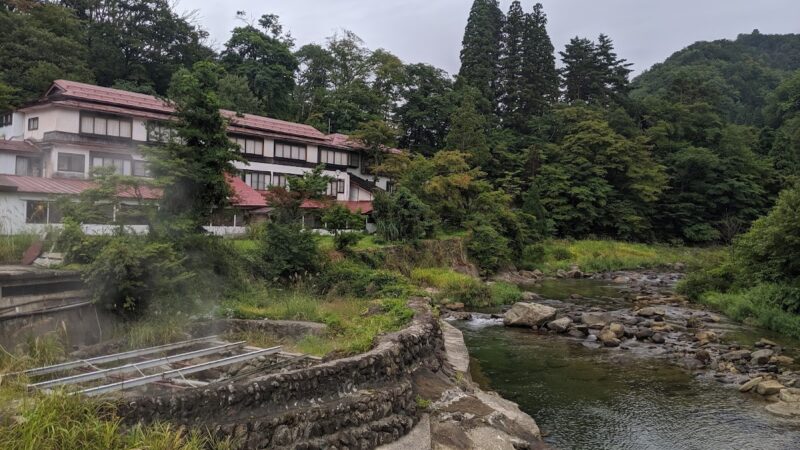
Nyuto Hot Spring Area (乳頭温泉郷) is a collective name for hot springs scattered around the foothills of Nyuto Mountain within Towada-Hachimantai National Park in Semboku City, Akita Prefecture. Seven hot spring inns exist deep within a pristine beech forest at elevations of 600-800 meters, each possessing its own source spring, making it known as one of Japan’s premier secret hot spring regions.
Receiving approximately 150,000 overnight guests annually, this hot spring area boasts over 350 years of history dating back to the Edo period, and still retains strong traditional hot spring bathing culture. With more than ten different spring sources throughout the area, the greatest charm lies in the ability to enjoy diverse spring qualities.
Located to the northeast of Lake Tazawa and surrounded by primeval beech forests that change with the seasons, the environment provides a healing space away from urban hustle and bustle. Despite being accessible by bus from Tazawa Lake Station on the Akita Shinkansen, it offers the rare opportunity to fully experience the atmosphere of a hidden hot spring nestled deep in the mountains.
History and Origins of Nyuto Hot Spring Area
The name Nyuto Hot Spring Area derives from Nyuto Mountain that rises in this region. Nyuto Mountain stands at 1,478 meters in elevation, named for its mountain shape resembling a breast.
The spring’s history is ancient, with Tsuruno Yu Hot Spring, the oldest, said to have opened in 1638 (Kanei 15). It was used as a bathing place by the Akita domain lord Satake clan and flourished as a base for matagi (people who made their living through hunting). Already in the Edo period, hot spring bath guests visited, and it was known as a therapeutic destination at that time.
Since the Meiji period, it has continued to be loved by local people and hot spring bath guests, and from the 1950s onward gained nationwide attention alongside the hidden hot spring boom. Even today, some inns lack sufficient electricity and running water, retaining the rustic atmosphere of traditional hot spring bathing establishments.
Seven Hot Spring Inns Comprising Nyuto Hot Spring Area
Nyuto Hot Spring Area consists of seven independent hot spring inns, each possessing different source springs and individual character.
Tsuruno Yu Hot Spring
The most famous and historically significant hot spring inn in Nyuto Hot Spring Area. It boasts over 350 years of history, having opened in 1638 (Kanei 15), and was used as a bathing place by the Akita domain lord.
Spring Quality: Contains four types of spring sources including sulfur-containing sodium calcium chloride-bicarbonate springs (white waters), heavy soda-salt hydrogen sulfide springs (black waters)
Characteristics: Particularly famous for its milky-white mixed-gender open-air bath, with buildings retaining Edo period atmosphere such as the thatched-roof main hall. Bathing in the snowy winter landscape provides an exceptional experience. With four different spring sources—white waters, black waters, middle waters, and waterfall waters—each offering different colors and benefits.
Day-Use Bathing: Available (10:00-15:00, ¥600 for adults)
Tae-no-Yu Hot Spring
A hot spring inn possessing two spring sources: Gold Water and Silver Water.
Spring Quality: Simple springs (Gold Water), acidic sulfur-containing sodium calcium chloride springs (Silver Water)
Characteristics: A relatively newer facility where clean, modern amenities harmonize with traditional hot spring culture. Both mixed-gender and women-only open-air baths available, allowing bathing while enjoying views of the beech forest. Gold Water is transparent and gentle on skin, while Silver Water is a white-turbid sulfur spring.
Day-Use Bathing: Available (10:00-15:00, ¥800 for adults)
Kaniba Hot Spring
A quiet single inn nestled along a stream.
Spring Quality: Heavy soda bicarbonate springs
Characteristics: Known for its white-turbid waters and as a “beauty hot spring” that makes skin silky smooth. The open-air bath offers seasonal streamside beauty. The wooden structure retains a charming old-fashioned aesthetic, preserving the traditional hot spring bathing atmosphere.
Day-Use Bathing: Available (9:00-16:00, ¥600 for adults)
Okama Hot Spring
A hot spring inn located at the high elevation of 800 meters.
Spring Quality: Acidic sulfur-containing sodium calcium chloride springs
Characteristics: The highest elevation hot spring in Nyuto Hot Spring Area with wonderful views. The white-turbid sulfur spring is popular with hot spring cure guests. With rustic mountain lodge-style buildings, it features self-generated electricity and spring water sourced from mountain streams, creating an atmosphere brimming with secret hot spring character.
Day-Use Bathing: Available (9:00-16:00, ¥600 for adults)
Mago-roku Hot Spring
A secret hot spring among secret hot springs, known as the “Mountain’s Medicinal Waters.”
Spring Quality: Radium mineral spring (simple springs)
Characteristics: Located deepest within Nyuto Hot Spring Area, sometimes requiring hiking to access. A rare spring quality containing radium, known for high therapeutic bathing effects. The streamside open-air bath exudes wild charm, allowing one to experience unity with nature.
Day-Use Bathing: Available (9:00-16:00, ¥600 for adults)
Kuro-yu Hot Spring
A hot spring inn characterized by dark-colored waters, as indicated by its source name.
Spring Quality: Simple sulfur springs (hydrogen sulfide type)
Characteristics: Distinguished by dark-hued water color, with a charming two-story wooden structure. Featuring an indoor bath and open-air bath, the mixed-gender open-air bath offers exceptional openness. Surrounded by a quiet beech forest environment, allowing one to experience traditional hot spring bathing culture.
Day-Use Bathing: Available (9:00-16:00, ¥600 for adults)
Kyukamura Nyuto Hot Spring Area
A hot spring facility operated as a national inn.
Spring Quality: Simple sulfur springs and simple springs, two types
Characteristics: Possessing the most modern facilities among the seven hot spring inns, allowing first-time visitors to use with confidence. With two spring sources, large baths and open-air baths allow enjoying different spring qualities. Barrier-free accommodations available, catering to a wide range of visitors.
Day-Use Bathing: Available (10:00-18:00, ¥800 for adults)
Spring Qualities and Benefits of Nyuto Hot Spring Area
The greatest characteristic of Nyuto Hot Spring Area is that each of the seven inns possesses its own spring source, with the entire area boasting more than ten diverse spring qualities.
Primary Spring Qualities
Simple Springs: Low-stimulation hot springs gentle on skin. Examples include Tae-no-Yu’s Gold Water and Kyukamura. Effective for neuralgia, muscle pain, joint pain, and similar conditions.
Simple Sulfur Springs: Hydrogen sulfide-type sulfur springs seen at Kuro-yu Hot Spring. Benefits include skin diseases, arteriosclerosis, chronic gynecological conditions.
Sulfur-Containing Springs: White-turbid sulfur springs exemplified by Tsuruno Yu’s white waters and Okama Hot Spring. Known for high beauty skin effects and called “beauty waters.”
Heavy Soda Bicarbonate Springs: Characteristic of Kaniba Hot Spring, these have effects softening skin keratin. After bathing, skin becomes silky smooth.
Radium Mineral Springs: The distinctive spring quality of Mago-roku Hot Spring, rare waters containing radium. Said to promote metabolism and enhance immune function.
Benefits
While benefits vary by spring quality, the following effects can be commonly expected:
- Neuralgia, muscle pain, joint pain
- Poor circulation, fatigue recovery
- Chronic digestive disorders, chronic skin diseases
- Arteriosclerosis, hypertension
- Chronic gynecological conditions, cuts, burns
- Skin beauty effects, detoxification effects
Enjoying Nyuto Hot Spring Area with the Hot Spring Tour Booklet
The greatest way to enjoy Nyuto Hot Spring Area is the “hot spring tour.” Without staying at all seven hot springs inns, visitors can tour each through day-use bathing.
What is the Hot Spring Tour Booklet?
The hot spring tour booklet is an economical ticket allowing bathing at all seven hot springs in Nyuto Hot Spring Area.
Price: ¥1,800 (including tax)
Validity Period: One year from purchase date
Purchase Locations: Front desks of each hot spring inn within Nyuto Hot Spring Area
Usage Method: Present the hot spring tour booklet at each inn and receive a stamp. One use per hot spring possible.
Hot Spring Tour Booklet Benefits
Typically, day-use bathing at each hot spring costs ¥600-800. Bathing at all seven would cost ¥4,200-5,600, but with the tour booklet at ¥1,800, it becomes economical for visiting three or more springs.
Additionally, with one-year validity, there is no need to tour all in one day—visiting in different seasons allows enjoying the same springs in varied landscapes.
Hot Spring Tour Bus
A “hot spring tour bus” connects various hot spring inns within Nyuto Hot Spring Area.
Operating Period: Year-round (may close during winter)
Fares: ¥600 per ride, ¥1,000 for all-day pass
Route: Circulating route visiting each hot spring inn, completing circuit in approximately one hour.
Combining the tour booklet with the tour bus allows efficiently visiting multiple hot springs without a car. However, accommodation guests may use shuttle buses from each inn, so pre-confirmation is recommended.
Hot Spring Tour Model Courses
Course for Visiting 3-4 Springs in One Day:
- Morning: Tsuruno Yu Hot Spring (recommended early to beat crowds, as most popular)
- Lunch: Meals at any hot spring inn (requires reservation)
- Afternoon: Tae-no-Yu Hot Spring, Kaniba Hot Spring
- Evening: Kuro-yu Hot Spring or Okama Hot Spring
Course for Conquering All 7 Springs in Two Days:
- Day 1: Tsuruno Yu, Tae-no-Yu, Kaniba, Kuro-yu (stay at one)
- Day 2: Okama, Mago-roku, Kyukamura
Planning without strain, adjusted for season, weather, and physical condition, is essential.
Access Methods to Nyuto Hot Spring Area
Nyuto Hot Spring Area, located in mountainous Semboku City, Akita Prefecture, is accessible by both public transportation and private car, each with distinct characteristics.
Access by Public Transportation
From Tokyo Area:
- Approximately 3 hours via Tohoku Shinkansen and Akita Shinkansen to “Tazawa Lake Station”
- Approximately 45 minutes to 1 hour via Ugo Koutsu Bus “Nyuto Line” from Tazawa Lake Station
- Disembark at nearest bus stop of desired hot spring inn
Main Bus Stops:
- Alpe Komakusa (nearest to Kyukamura Nyuto Hot Spring Area)
- Tae-no-Yu Hot Spring
- Kaniba Hot Spring
- Okama Hot Spring
- Mago-roku Hot Spring Entrance
- Tsuruno Yu Hot Spring (terminal)
Bus Fares: Approximately ¥800-1,000 from Tazawa Lake Station to each hot spring inn
Operating Frequency: Approximately 4-6 buses daily (varies by season)
Precautions: Winter frequency decreases, and closures may occur depending on road conditions. Pre-confirmation of schedules via Ugo Koutsu’s website is recommended.
Access by Airplane
From Akita Airport:
- Approximately 40 minutes via Akita Airport shuttle bus to Akita Station
- Approximately 40 minutes via Akita Shinkansen from Akita Station to Tazawa Lake Station
- Access Nyuto Hot Spring Area by bus from Tazawa Lake Station
Alternatively, car rental from Akita Airport is available (approximately 1 hour 30 minutes drive time).
Access by Private Car
Via Tohoku Expressway:
- From Morioka IC via Route 46 toward Lake Tazawa
- From Lake Tazawa via Prefectural Road 194 (Nyuto Hot Spring Area Line) for approximately 20km
- Travel Time: Approximately 1 hour from Morioka IC
Via Akita Expressway:
- From Omagari IC via Routes 105, Prefectural Road 38 toward Lake Tazawa
- Via Prefectural Road 194 from Lake Tazawa to Nyuto Hot Spring Area
- Travel Time: Approximately 1 hour 30 minutes from Omagari IC
Parking: Free parking at each hot spring inn (limited spaces, pre-confirmation recommended)
Winter Precautions: From late November through early April, significant snowfall occurs, with studded tires essential. Road closures may occur depending on conditions.
Shuttle Services from Each Hot Spring Inn
Accommodation guests are offered shuttle services from Tazawa Lake Station at some inns.
- Shuttle Available: Tsuruno Yu, Tae-no-Yu, Kyukamura, etc. (reservation required)
- Shuttle Times: Vary by inn, confirmation during booking necessary
When using shuttle services, be sure to apply when making accommodation reservations.
Ways to Enjoy Nyuto Hot Spring Area and Surrounding Tourism
Natural Beauty Throughout the Four Seasons
The charm of Nyuto Hot Spring Area extends beyond hot springs. Located within Towada-Hachimantai National Park, visitors can enjoy beautiful natural scenery unique to each season.
Spring (April-May): As snow melts and new growth appears, it’s mountain vegetable picking season. Contrast between remaining snow and new greenery is beautiful.
Summer (June-August): Deep green beech forests offer refreshing retreat, ideal as summer resort. High elevation ensures comfortable temperatures even in peak summer.
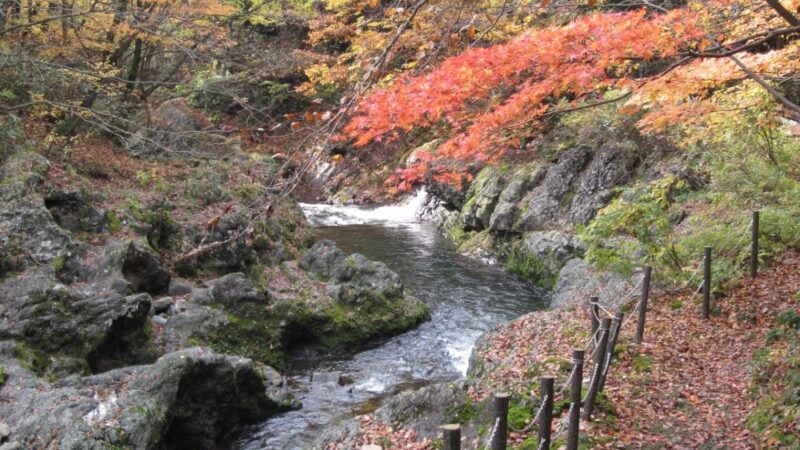
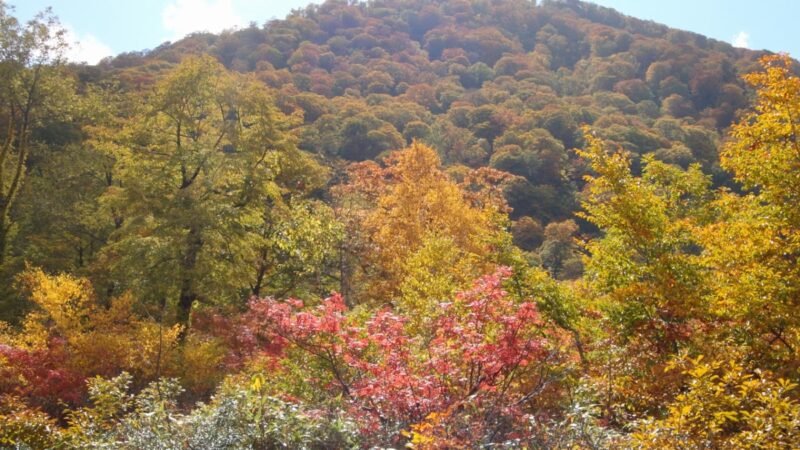
Autumn (September-November): Known as an autumn foliage destination, changing beech and maple trees create spectacular views. Late September through mid-October marks peak viewing season.
Winter (December-March): Hot springs amid deep snow create fantastical landscape scenery. Snow-viewing open-air bathing offers an exclusively Nyuto Hot Spring Area experience.
Surrounding Tourist Attractions
Lake Tazawa: Japan’s deepest lake (maximum depth 423.4 meters), known for its mysteriously beautiful sapphire-colored water surface. Approximately 30 minutes by car from Nyuto Hot Spring Area.
Kakunodate Samurai Residences: A castle town called “the Kyoto of the Michinoku region,” with preserved Edo period samurai houses. Notable for cherry blossoms and autumn foliage. Approximately 40 minutes by car from Nyuto Hot Spring Area.
Tamagawa Hot Spring: A therapeutic hot spring famous for its highly acidic waters. Heated stone mat bathing available. Approximately 30 minutes by car from Nyuto Hot Spring Area.
Dakigaeri Gorge: A gorge celebrated for new greenery and autumn foliage with developed walking trails. Approximately 20 minutes by car from Nyuto Hot Spring Area.
Trekking and Hiking
Nyuto Hot Spring Area vicinity offers trekking courses enjoyable by beginners through advanced hikers.
Nyuto Mountain Climbing: A climbing course to 1,478-meter Nyuto Mountain. Approximately 4-5 hours travel time.
Beech Forest Walks: Walking trails around each hot spring inn allow easy strolls through beech forests.
Precautions: Appropriate equipment and weather confirmation necessary for trekking. Bear habitat caution required—carrying bear bells recommended.
Winter Enjoyment
Snowshoe Experience: Winter-only snowshoe walking tours through beech forests available.
Snow-Viewing Open-Air Bath: Nyuto Hot Spring Area’s greatest winter charm. Bathing while viewing snowy landscapes creates lifetime memories.
Ice House Experience: Some inns offer dining within ice houses in winter.
Accommodation and Dining at Nyuto Hot Spring Area
Accommodation Styles
Hot spring inns in Nyuto Hot Spring Area split into two styles.
Hot Spring Cure Section (Self-Catering): Traditional hot spring cure style where guests prepare meals. Suitable for extended stays, relatively economical (around ¥5,000 and up for rooms only).
Inn Section: Conventional hot spring inn-style with meals provided. Approximately ¥10,000-20,000 per night including two meals.
Dining Characteristics
Nyuto Hot Spring Area dining features simple cuisine utilizing Akita mountain ingredients.
Regional Dishes:
- Kiritanpo hot pot
- Mountain vegetable dishes (mountain udo, bracken, ostrich fern, etc.)
- Charcoal-grilled iwana (char)
- Akita regional sake
Tsuruno Yu Specialty: Mountain yam hot pot is a famous Tsuruno Yu dish loved by many guests.
Booking Tips
Early Reservations Essential: Particularly during autumn foliage season (late September-mid October) and holidays, booking fills months ahead.
Weekday Stays Recommended: Weekends and holidays attract crowds; weekday visits allow more leisurely enjoyment.
Extended-Stay Discounts: Some inns offer discounted rates for multi-night self-catering stays.
Precautions When Visiting Nyuto Hot Spring Area
Mobile Phone Reception
Mountainous location causes poor mobile phone reception in some areas. Particularly at remote inns like Mago-roku and Okama Hot Springs, signals may be unavailable. Ensuring emergency contact methods is important.
Facility Conditions
Many inns preserve traditional hot spring bathing atmosphere with simple facilities.
- Some inns lack air conditioning (high elevation ensures summer coolness)
- Some rooms lack televisions
- Some inns lack Wi-Fi
- Self-generated electricity may require nighttime blackout
Rather than inconvenience, consider this digital detoxification, with focus on nature and hot spring enjoyment.
Mixed-Gender Bathing
Famous mixed-gender open-air baths exist at Tsuruno Yu and Tae-no-Yu, though some inns designate women-only bathing hours. Pre-confirmation recommended. Those uncomfortable with mixed bathing should select inns with women-only facilities.
Winter Precautions
- Snowfall exceeds 2 meters at times
- Road freezing requires careful attention
- Some hot spring inns close seasonally in winter
- Prepare thorough cold-weather gear
Etiquette
- Avoid placing towels in baths due to flowing-spring water
- Respect hot spring establishment quiet atmosphere
- Photograph with consideration for other bathers
- Always carry away trash or dispose at designated locations
Maximizing Enjoyment of Nyuto Hot Spring Area
Recommended Stay Duration
Day Visit: Allows enjoying 1-2 hot springs. Combining Tsuruno Yu and Tae-no-Yu is popular.
One Night, Two Days: Allows visiting 3-4 hot springs. Purchase tour booklet for efficient touring.
Two Nights, Three Days: Enables conquering all seven springs. Allows leisurely experiencing each spring’s individuality.
Three or More Nights: Extended hot spring cure stay offers physical and mental rejuvenation. Repeated bathing at same spring allows realizing benefits.
Recommended Seasons
For Beginners: May-June, September-October offer good weather and relatively accessible conditions.
For Autumn Foliage: Late September-mid October. Peak crowding season, but foliage beauty is exceptional.
For Snow-Viewing: January-February. Snow-landscape hot spring experience is uniquely Nyuto Hot Spring Area’s appeal.
Quiet Season: November (post-foliage), April (pre-snow melt) allows quieter hot spring enjoyment with fewer crowds.
Packing Checklist
- Towel (some inns charge fee)
- Change of clothes
- Toiletries (some inns lack these amenities)
- Flashlight (for nighttime movement)
- Warm clothing (winter)
- Trekking shoes (for walking tours)
- Camera (to capture beautiful scenery)
- Medications
- Insect repellent (summer)
Local Interaction
Most Nyuto Hot Spring Area inns are family-operated establishments passed through generations. Conversations with inn proprietors and owners offer opportunity learning spring history and regional culture. Hot spring guest interaction is distinctly Nyuto Hot Spring Area’s unique appeal.
Summary
Nyuto Hot Spring Area in Semboku City, Akita Prefecture, stands as one of Japan’s premier secret hot spring regions with over 350 years history. Seven hot spring inns scattered within Towada-Hachimantai National Park’s deep beech forest each possess distinct springs and character, offering more than ten diverse spring qualities.
From Tsuruno Yu’s historical thatched roofs and milky-white mixed-gender open-air bath, Tae-no-Yu’s gold and silver waters, Kaniba’s beauty waters, Okama’s mountain views, Mago-roku’s medicinal waters, Kuro-yu’s wild atmosphere, to Kyukamura’s modern facilities—each possesses distinct charm.
Using the tour booklet allows economical multi-spring touring, while tour buses enable efficient travel without vehicles. Accessible from Tazawa Lake Station by bus and reachable from Tokyo via Akita Shinkansen for day visits, yet offering deep mountain secret hot spring atmosphere.
Seasonal natural beauty, simple cuisine utilizing Akita mountain ingredients, traditional hot spring culture, and spring benefits—Nyuto Hot Spring Area provides rare opportunity departing from modern life’s bustle to refresh body and spirit.
Whether spring’s fresh greenery beauty, winter’s fantastical snow-viewing, autumn’s spectacular foliage, or summer’s coolness—each season offers unique charms. Once visited, one inevitably wishes to return again. This is Nyuto Hot Spring Area’s appeal.
Preserving traditional hot spring culture’s origins while catering to contemporary travelers, Nyuto Hot Spring Area awaits. Why not experience the special healing time this hidden hot spring offers?