Eihiko Mountain Fukuoka Prefecture Complete Guide|From Sacred Ground of Shugendo to Mountaineering and Sightseeing – Complete Explanation
What is Eihiko Mountain|The Full Picture of a Sacred Peak Spanning Fukuoka and Oita
Eihiko Mountain (Hikosan) is a sacred peak with an elevation of 1,199m that straddles Soeda Town, Tagawa District, Fukuoka Prefecture and Yamakuni Town, Nakatsu City, Oita Prefecture. Composed of three peaks—North Peak, Middle Peak, and South Peak—this mountain is far more than a natural mountain. With a history spanning over 1,300 years, it holds an extremely important position in Japanese religious culture as a sacred site of Shugendo (mountain asceticism).
Eihiko Mountain, which forms the core of the Yaba-Hita-Eihiko-Sanzan Quasi-National Park, has been selected as one of Japan’s Hundred Scenic Spots and Japan’s 200 Famous Mountains. Furthermore, along with Mount Yahi in Niigata Prefecture and Mount Yukihiko in Hyogo Prefecture, it is counted among the “Three Hikosan Mountains of Japan.” It is also designated as a national historic site, and its cultural and historical value has been recognized.
The entire mountain serves as the sacred body of Eihiko Mountain Shrine, and has been revered as a sacred object itself. Known in antiquity as “Hikoyama,” this spiritual mountain dedicated to Amenooshihomiminomikoto, a child of Amaterasu Ōmikami, received deep reverence from the imperial court throughout history.
Geographic Characteristics of Eihiko Mountain
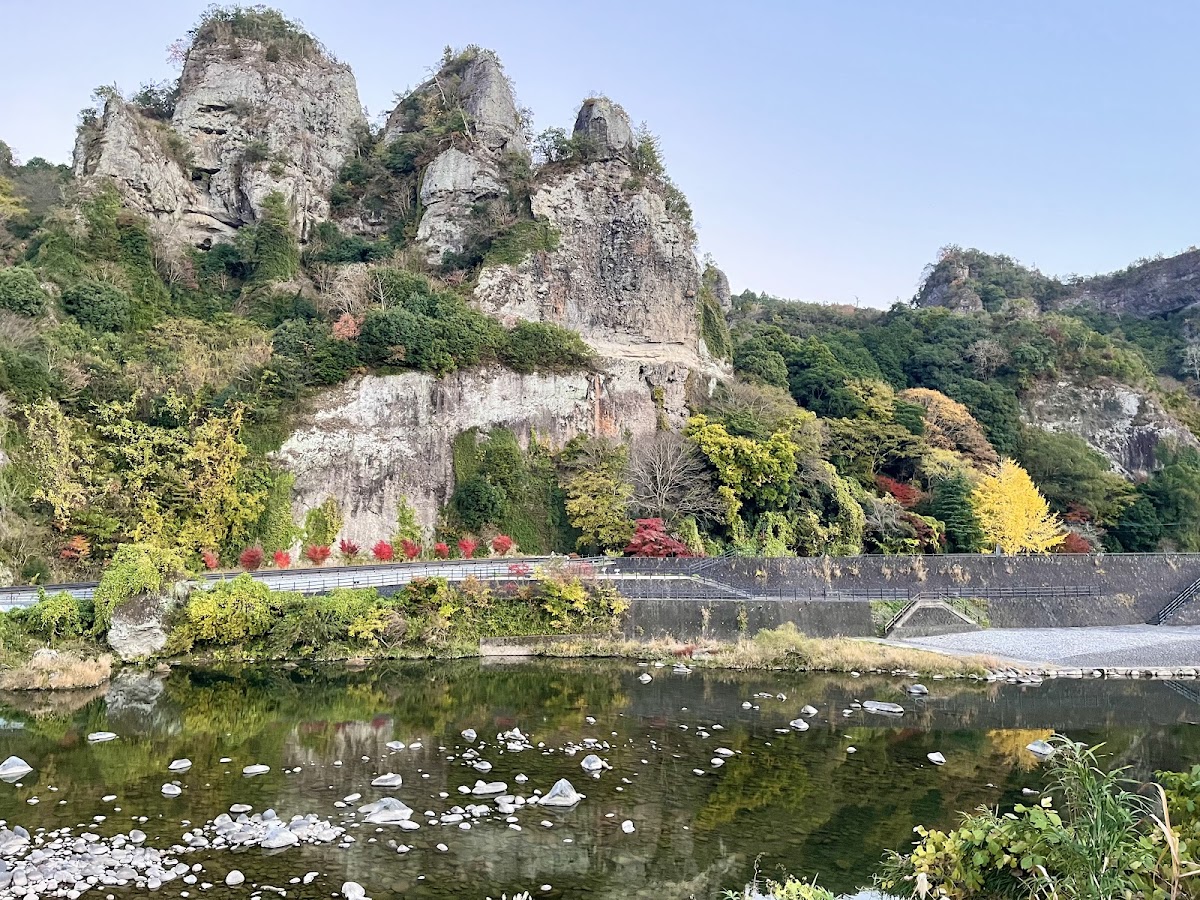
Eihiko Mountain’s main peak, South Peak, stands at 1,199m elevation and ranks third among the highest peaks in Fukuoka Prefecture, after Shakagadake (1,230m) and Gozendake (1,209m). The distinctive mountain form created by three connected peaks—North Peak (1,192m), Middle Peak (1,188m), and South Peak (1,199m)—creates a characteristic silhouette recognizable at a glance from afar.
The panoramic view from the summit is magnificent, and on clear days, one can overlook the mountains of the Kyushu Mountain Range. The surrounding area is also known as a treasure trove of wild birds, making it a noted birdwatching destination.
Eihiko Mountain as One of Japan’s Three Great Mountains of Shugendo|History and Faith in Mountain Asceticism
Eihiko Mountain is counted as one of the three most important bases in Shugendo, alongside Mount Haguro (Dewa Sanzan) in Yamagata Prefecture and Mount Ominesan (Kinbusan) in Nara Prefecture, comprising the “Three Great Mountains of Shugendo in Japan.”
History of Shugendo and Eihiko Mountain
The history of Shugendo at Eihiko Mountain is said to have begun when a monk named Zensho entered the mountain during the Yoro era (717-724) of the Nara Period, with the mountain being formally opened by Priest Shiromotsu. During the Heian Period, it developed as a base for the Tendai Buddhist sect, and at its height, it was called “Hikosan’s 3,800 monasteries,” with over 3,000 temple lodgings and thousands of mountain monks conducting their ascetic practices as a major spiritual center.
As the sacred mountain of Buzen Province (present-day eastern Fukuoka and northern Oita Prefecture), it received thick protection from both the imperial court and samurai warrior families. Particularly from the Muromachi through Sengoku periods, under the patronage of powerful regional lords such as the Ouchi and Otomo clans, it wielded considerable religious and economic power.
Yamabushi Culture and the Practice of Shugendo
At Eihiko Mountain, yamabushi (mountain priests) conducted their ascetic practices amid the harsh natural environment, nurturing a unique religious culture in which mountain worship, Buddhism, and Shinto merged. Through training in steep rocky areas and waterfalls, fasting, and sutra chanting—practices that push body and mind to their absolute limits—Shugendo practitioners sought to obtain supernatural powers, a tradition partially maintained to this day.
The Meiji Restoration period brought a major turning point for Eihiko Mountain with the separation of Buddhism from Shinto. Buddhist elements were eliminated, and Eihiko Mountain Gokenji Shrine became Eihiko Mountain Shrine (now Eihiko Mountain Shrine). However, the traditions and culture of Shugendo have been handed down to the present day, transformed in form but still alive.
Eihiko Mountain Shrine|Groups of Sacred Halls Scattered throughout the Mountain
Eihiko Mountain Shrine is a prestigious shrine that encompasses the entire Eihiko Mountain as sacred ground, and was formerly known as Eihiko Mountain Gongen. In 1729, Emperor Reigen granted it the character “Ei,” and the name was changed from “Hikoyama” to “Eihiko Mountain.”
Structure of Eihiko Mountain Shrine
Eihiko Mountain Shrine is composed of three shrine divisions from the base to the summit: the Lower Shrine (Buzenbo), the Worship Hall (Middle Shrine), and the Upper Shrine. This arrangement itself is said to symbolize the stages of ascetic practice in Shugendo.
The Lower Shrine (Buzenbo) is located at the entrance to Eihiko Mountain and serves as the starting point for worship. The approach to worship begins here, leading to the path of ascetic practice.
The Worship Hall (Middle Shrine) is positioned at mid-mountain Eihiko, approximately 650m elevation, and serves as the central hall of Eihiko Mountain Shrine. Most visitors come to pay their respects at this Worship Hall.
The Upper Shrine is enshrined at the South Peak summit and is considered the most sacred location. Ascending to this point has traditionally been seen as symbolizing the completion of ascetic practice.
Points of Interest at Eihiko Mountain Shrine’s Worship Hall
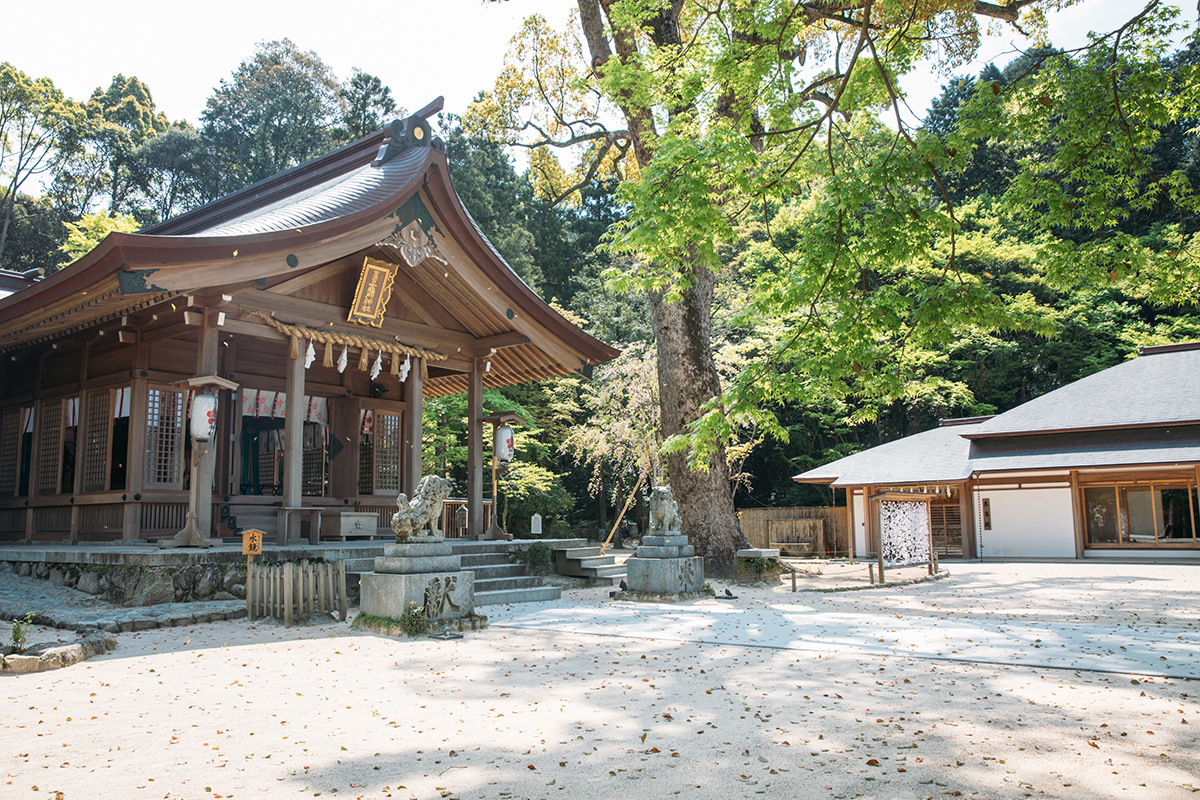
Eihiko Mountain Shrine’s Worship Hall is a historic structure rebuilt in 1643 (Kanei 20) by Hosokawa Tadatoshi, the lord of Kokura Domain. The Gongen-zukuri style shrine building is a valuable cultural asset conveying early Edo Period architectural style, and its imposing appearance overwhelms visitors.
Around the Worship Hall, remnants of former temple lodgings and stone walls remain, evoking memories of past prosperity. Especially during the autumn foliage season, the trees surrounding the shrine take on vibrant colors, creating a spectacular landscape where sacred atmosphere and natural beauty harmonize.
Eihiko Mountain Approach|Stone Steps and Copper Torii Gate Inscribed with History
Copper Torii Gate|A Bronze Torii of National Importance
The “Copper Torii” standing at the entrance to Eihiko Mountain’s approach is a massive bronze torii gate approximately 6.8m tall with a pillar circumference of over 3m, donated in 1637 (Kanei 14) by Nabeshima Katsushige, the daimyo of Saga Domain. It is designated as a National Important Cultural Property and has become an iconic symbol of Eihiko Mountain.
Among bronze torii gates in Japan, it boasts one of the largest sizes, and even now, after more than 380 years, it retains its impressive appearance. The figure covered with the patina unique to bronze conveys the weight of history and sanctity.
Stone Steps of Eihiko Mountain’s Approach
The approach continuing from the Copper Torii to the Worship Hall is a path of ascetic practice with stone-paved stairs. This path, once walked by yamabushi for their ascetic training, is still used by worshippers and climbers today.
Cherry trees have been planted along the approach path, forming a cherry blossom tunnel in spring. Additionally, stone remains of former temple lodgings, stone walls, and stone Buddhas remain on either side of the stone steps, allowing visitors to enjoy historical exploration.
While not an easy path, ascending step by step allows one to feel with all their senses the depth of faith of the ascetics and the spirituality possessed by this mountain.
Eihiko Mountain Slope Car
From the Copper Torii to Eihiko Mountain Shrine’s Worship Hall takes approximately 40 minutes on foot, but using the Eihiko Mountain Slope Car allows arrival in about 15 minutes. This slope car is a sightseeing lift spanning an elevation difference of approximately 300m with a total length of 849m, offering an aerial stroll while viewing Eihiko Mountain’s magnificent nature below.
Particularly during the autumn foliage season, it becomes a spectacular route overlooking the colored mountains from above, popular with many tourists. It is recommended for those without confidence in their legs or those wanting to use their time efficiently.
Takasumi Shrine|A Hidden Spiritual Site of Eihiko Mountain
Alongside visiting Eihiko Mountain Shrine, one should visit Takasumi Shrine. Located on the northwestern slope of Eihiko Mountain at about 700m elevation on Takasumi Mountain, this shrine has gathered faith from ancient times as one of the Three Eihiko Gongen.
Takasumi Shrine enshrines Hoakari no Mikoto (the Fire-Bright Divine Child), grandson of Amaterasu Ōmikami, as its chief deity, and is known as a shrine protecting against fires. The approach to the shrine has a mystical atmosphere with boulders and unusual rock formations scattered throughout, offering a different character from Eihiko Mountain Shrine.
Particularly noteworthy is the large cedar tree in the shrine grounds that is several hundred years old, preserved as the shrine’s sacred tree. The views from Takasumi Shrine are also splendid, offering close vistas of Eihiko Mountain’s peaks.
Eihiko Mountain Climbing Routes|For Beginners to Advanced Climbers
While Eihiko Mountain has a history as a mountain of ascetic practice, it is now also enjoyed as a hiking and climbing destination. Multiple climbing routes exist, allowing selection according to fitness and experience level.
Front Approach Course (Standard Route)
The most common route, beginning at the Copper Torii and proceeding through Eihiko Mountain Shrine’s Worship Hall to reach the South Peak summit and Upper Shrine.
- Time Required: Approximately 2 hours 30 minutes ascending, 2 hours descending
- Difficulty Level: Intermediate
- Points of Interest: Eihiko Mountain Shrine’s Worship Hall, historic approach, panoramic views from summit
Using the slope car allows easy access to the Worship Hall, after which the climb to the summit takes approximately 1 hour 30 minutes.
North Peak, Middle Peak, and South Peak Traverse Course
A traverse course circling all three peaks of Eihiko Mountain, the route most fully enjoying Eihiko Mountain’s appeal.
- Time Required: Approximately 4-5 hours
- Difficulty Level: Intermediate to Advanced
- Points of Interest: Different panoramic views from each of the three peaks, rich natural scenery
Recommended for those with ample physical strength and time, this course allows comprehensive understanding of Eihiko Mountain’s entirety.
Route from Bessho Parking Area
A route ascending from Bessho Parking Area on the Oita Prefecture side of Eihiko Mountain also exists. This route features relatively gentle ascents and is more accessible for beginners.
- Time Required: Approximately 2 hours ascending, 1 hour 30 minutes descending
- Difficulty Level: Beginner to Intermediate
Climbing Precautions
When climbing Eihiko Mountain, attention to the following points is necessary:
- Equipment: Climbing boots, rain gear, cold-weather clothing, sufficient water and provisions
- Weather Confirmation: Check weather forecasts in advance as mountain weather changes rapidly
- Time Management: Plan to descend before sunset with time to spare
- Physical Fitness: Choose a route suited to your physical ability
- Mobile Phones: Mobile reception may be limited near the summit, so be aware
Eihiko Mountain Through the Seasons|Seasonal Appeal
Spring (March-May): Cherry Blossoms and Fresh Greenery
Spring’s Eihiko Mountain is also known as a cherry blossom viewing site. From early to mid-April, when the cherry trees lining the approach are in full bloom, many flower-viewing visitors crowd the area. In May, fresh greenery is beautiful, and climbing amid the fresh air is delightful.
During this season, wildflowers are abundant, and delicate flowers such as katakuri and iwauchiwasummer can be observed.
Summer (June-August): Summer Retreat and Deep Verdure
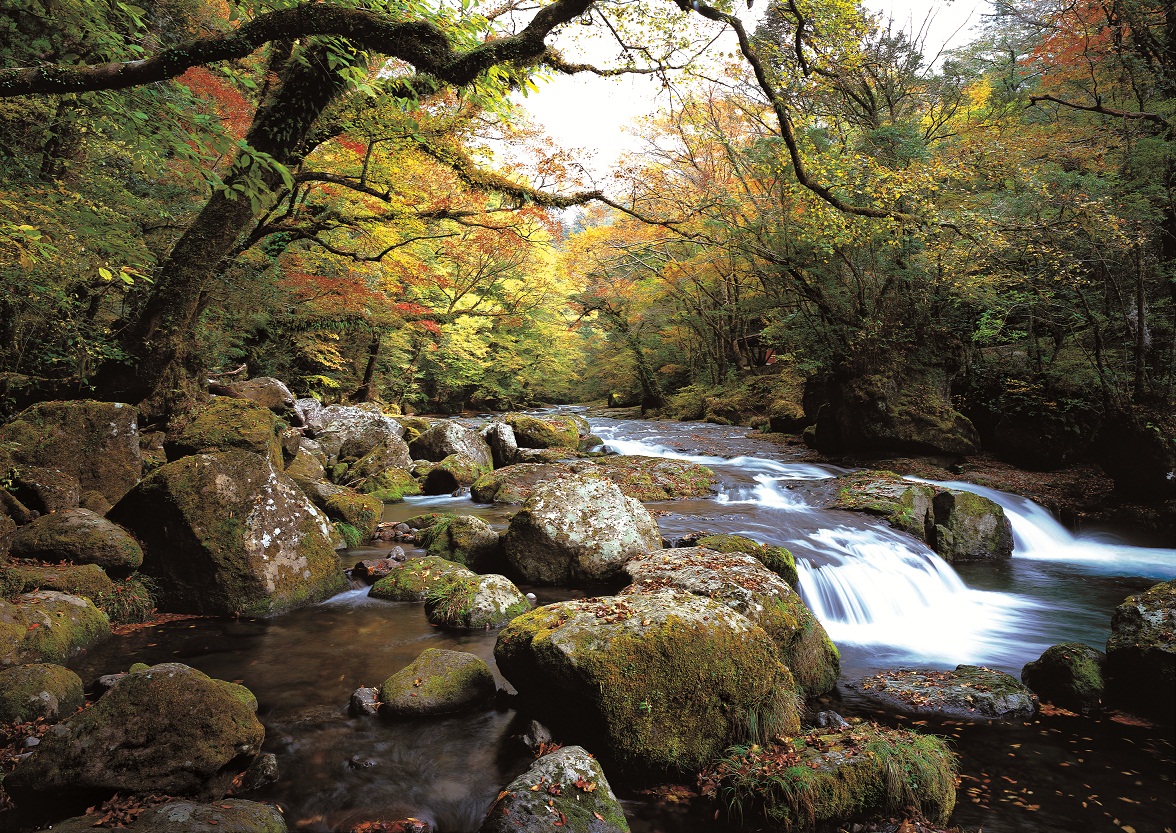
Summer’s Eihiko Mountain, due to its elevation, remains relatively cool and is popular as a summer retreat. Mountains covered in deep green are full of vitality, and along streamside courses, the sound of clear water echoes pleasantly.
Early morning climbing may reveal sea clouds, offering encounters with mystical scenery.
Autumn (September-November): Stunning Autumn Foliage
Eihiko Mountain’s autumn foliage boasts beauty among Kyushu’s finest. From late October through early November, Japanese maples, maples, and beech trees paint the entire mountain in red and yellow.
Particularly magnificent is the foliage around Eihiko Mountain Shrine’s Worship Hall, where the contrast between the shrine building and foliage creates a spectacular sight. During this season, many tourists visit, so early morning or weekday visits are recommended.
During foliage season, Soeda Town and surrounding municipalities broadcast foliage information, so checking before your visit is advisable.
Winter (December-February): Snowy Landscape and Silence
Winter’s Eihiko Mountain becomes a world of silence covered in snow. With experience and equipment for winter mountain climbing, one can enjoy snow-covered Eihiko Mountain, but avalanche and freezing increase danger, requiring thorough preparation and experience.
The Eihiko Mountain Slope Car may cease operation in winter, so advance confirmation is necessary.
Tourist Spots around Eihiko Mountain
Points of Interest in Soeda Town
Located at the base of Eihiko Mountain, Soeda Town has appealing spots beyond Eihiko Mountain itself.
At Michi-no-Eki Kanyūsha Hikosan, one can purchase local specialty items and fresh agricultural products and conveniently gather Eihiko Mountain information.
Iwaisshiro Ruins are a Sengoku-period mountain fortress site, an unmissable spot for history enthusiasts.
Healing in Hot Springs
After climbing, relaxing in nearby hot springs is recommended. Day-use bathing facilities within Soeda Town are popular with climbers.
Access Information to Eihiko Mountain
Public Transportation Access
Train and Bus:
- Get off at “Hikosan Station” on the JR Hita-Hikosan Line
- From Hikosan Station, approximately 20 minutes by Soeda Town Bus “Eihiko Mountain direction” to “Copper Torii” bus stop
※The Hita-Hikosan Line has some closed sections, so please confirm the latest operating conditions.
Express Buses:
Currently, express buses running directly from Fukuoka city to Soeda Town are not in operation, so JR use is the standard approach.
Automobile Access
From Fukuoka Area:
- Approximately 50 minutes from “Kokura Minami IC” on the Kyushu Expressway via National Route 322
- Approximately 40 minutes from “Haragi IC” on the Oita Expressway via National Route 500
From Oita Area:
- Approximately 50 minutes from “Nakatsu IC” on the East Kyushu Expressway via National Route 212 and Prefectural Route 28
Parking Information
- Copper Torii Parking Area: Free, approximately 50 spaces
- Bessho Parking Area: Free, approximately 30 spaces
- Slope Car Parking Area: Fee-based
Parking areas may become full during peak seasons such as foliage season, so early arrival is recommended.
Basic Information for Eihiko Mountain Sightseeing
Eihiko Mountain Shrine
- Address: 1 Eihikosan, Soeda Town, Tagawa District, Fukuoka Prefecture
- Telephone: 0947-85-0001 (Eihiko Mountain Shrine)
- Hours of Worship: Free access (shrine office: 9:00-17:00)
- Worship Fee: Free
Eihiko Mountain Slope Car
- Operating Hours: 9:00-16:30 (hours vary seasonally)
- Fares: Round trip adult 800 yen, child 400 yen (one-way adult 500 yen, child 250 yen)
- Closed Days: Tuesdays (if a holiday, the following day), year-end/new-year, inclement weather
- Inquiry: 0947-85-0375
Information Center
- Soeda Town Commerce and Tourism Development Division: 0947-82-5965
- Soeda Town Tourism Association: 0947-82-5200
Best Seasons
- Autumn Foliage: Late October to early November
- Cherry Blossoms: Early to mid-April
- Fresh Greenery: May to June
- Climbing: April to November (winter for advanced climbers only)
Precautions When Visiting Eihiko Mountain
For Climbing
- Climbing Plan Submission: In case of emergency, leave a climbing plan with family or acquaintances, or submit it to the climbing report box at the trailhead.
- Weather Confirmation: Always check the latest weather forecast as mountain weather changes rapidly.
- Appropriate Equipment: Prepare climbing boots, rain gear, cold-weather clothing, headlamp, maps, compass, mobile phone, first-aid supplies, etc.
- Water and Food: Bring adequate quantities of water and trail snacks.
- Time Management: Create a plan with leeway to descend before sunset.
For Worship and Sightseeing
- Clothing: The approach’s stone steps are slippery, so wear comfortable shoes.
- Etiquette: Remember this is a sacred place and maintain reverent quiet during worship.
- Trash: Always take it with you.
- Photography: Refrain from photographing in areas where photography is prohibited, such as shrine interiors.
Peak Season Crowding
Late October to early November (foliage season), Golden Week, and weekends/holidays see particularly heavy crowds. To avoid parking area congestion, consider early morning visits or using public transportation.
Eihiko Mountain’s Nature and Ecosystem
Eihiko Mountain nurtures a rich natural environment due to its elevation and climatic conditions.
Vegetation
Vegetation varies distinctly by elevation, with cryptomeria and cypress plantations at the base, deciduous broadleaf forests such as beech and Mizunara oak at mid-elevation, and low shrub forests of rhododendron and azalea species near the summit.
The autumn foliage in particular is attractive for the richness of color created by this diverse vegetation.
Wild Birds
Eihiko Mountain is known as a “treasure trove of wild birds,” with many bird species observable throughout the year. From small birds such as Asian Paradise Flycatcher, Narcissus Flycatcher, Coal Tit, and Long-tailed Tit, to raptors such as Mountain Hawk-Eagle and Peregrine Falcon, diverse bird species inhabit the area.
For birdwatching, early morning hours are recommended.
Insects and Animals
In summer, butterflies such as Japanese Purple Emperor and beetles such as rhinoceros beetles and stag beetles can be seen. Additionally, Japanese serow, sika deer, and wild boar inhabit the area, though encounters are rare.
Cultural Properties and Historic Sites at Eihiko Mountain
Eihiko Mountain retains numerous nationally designated cultural properties and historic sites.
Nationally Designated Important Cultural Properties
- Copper Torii Gate: As noted, a bronze torii gate built in 1637 (Kanei 14)
- Eihiko Mountain Shrine’s Worship Hall: Early Edo Period Gongen-zukuri architectural style
Nationally Designated Historic Sites
Eihiko Mountain in its entirety is designated as the national historic site “Eihiko Mountain,” and is protected as an important cultural landscape conveying the history of Shugendo.
Stone Monument Groups
Numerous stone Buddhas, stone pagodas, stone walls, and other structures from the Edo Period through Meiji Period remain along the approach, speaking to the devotion of that time.
Experiences and Events at Eihiko Mountain
Shugendo Experience
Some temple lodgings offer Shugendo experience programs. Through learning how to blow the conch shell horn and experiencing simple ascetic practice, one can touch the world of Shugendo.
Annual Events
Throughout the year, various religious rites are conducted at Eihiko Mountain Shrine.
- Spring Festival (late April): Mountain opening ceremony
- Summer Festival (late July): Homa fire ritual and other events
- Autumn Festival (late October): Harvest thanksgiving ceremony
These festivals provide valuable opportunities to observe traditional religious rites.
Accommodations near Eihiko Mountain
Temple Lodgings
Several traditional temple lodgings remain at Eihiko Mountain, where one can experience ascetic atmosphere while enjoying vegetarian cuisine.
Guesthouses and Inns
Within Soeda Town, there are guesthouses and inns where one can enjoy cuisine prepared with local ingredients.
Campgrounds
Campgrounds exist in the Eihiko Mountain area, enabling outdoor experience in nature.
To Deepen Your Knowledge of Eihiko Mountain
Books and Materials on Eihiko Mountain
For those wishing to deeply understand Eihiko Mountain’s history and nature, related books can be consulted at the Soeda Town Public Library or Fukuoka Prefecture Public Library. Additionally, the Soeda Town Commerce and Tourism Development Division can provide tourist pamphlets and historical materials.
Guided Tours
The Soeda Town Tourism Association conducts guided tours (reservation required). Hearing detailed explanations from local guides allows deeper understanding of Eihiko Mountain’s appeal.
Summary: Experience Eihiko Mountain’s Appeal
Eihiko Mountain is a sacred site of Shugendo with a history spanning over 1,300 years, and as one of Japan’s Three Great Mountains of Shugendo, it holds extremely important religious and cultural significance. The grand form of three connected peaks—North, Middle, and South—the solemn shrine halls of Eihiko Mountain Shrine, the Copper Torii Gate designated as a nationally important cultural property, and beautiful natural landscapes through all four seasons continue to captivate visitors.
For climbers, it offers a mountain worthy of challenge; for worshippers, it provides a spiritual sanctuary for purifying the heart; and for tourists, it serves as a treasure trove of history and nature, offering diverse appeal suited to various purposes.
Particularly during the autumn foliage season, Kyushu’s most spectacular scenery unfolds, drawing many visitors. However, whether you visit in spring with its cherry blossoms, summer with fresh greenery, or winter with its snowy landscape, Eihiko Mountain will welcome you with different expressions each season.
Please visit this sacred peak spanning Soeda Town, Tagawa District, Fukuoka Prefecture and Nakatsu City, Oita Prefecture at least once, and experience firsthand the weight of its history, the beauty of its nature, and the spirituality of Shugendo. Eihiko Mountain will surely bring reverence for nature and peace of mind to all of us living in the modern world.
When visiting, confirm weather and facility operating conditions in advance, prepare thoroughly, and enjoy a safe and fulfilling Eihiko Mountain experience.