Buna-daira, Fukushima Prefecture | Complete Guide to Oze’s Spectacular Autumn Foliage Spots [Latest 2025 Edition]
Buna-daira, located in Hinoemata Village, Minamiaizu District, Fukushima Prefecture, is a magnificent pristine beech forest spanning across Oze National Park. The beech forest, stretching 2 kilometers east-west and 1 kilometer north-south, displays a breathtaking transformation from golden to red hues, especially during autumn foliage season. This article provides comprehensive information about the charm of Buna-daira, optimal visiting times, access methods, and nearby attractions.
About Buna-daira | Fukushima’s Pristine Forest Landscape
Buna-daira is located along the route from Miike through Hinoemata Village toward Numayama Pass, featuring a natural mixed coniferous-deciduous forest dominated by beech trees. As part of Oze National Park, it is managed by the Forestry Agency as the “Miike/Buna-daira Scenic Forest.”
Characteristics and Natural Environment of Buna-daira
The greatest characteristic of Buna-daira lies in its vast scale and natural richness. Natural forests dominated by beech and Veitch’s fir spread across the area, with small wetlands scattered throughout. These wetlands showcase alpine plants such as skunk cabbage and Japanese false hellebore blooming from spring through summer, offering distinct seasonal appearances.
The thick beech trees lining both sides of the road create a natural tunnel-like effect. Particularly during autumn foliage season, the corridor transforms into a tapestry of red, yellow, and green colors that takes your breath away when viewed from vehicle windows.
Position within Oze National Park
Oze National Park spans across four prefectures: Fukushima, Gunma, Niigata, and Tochigi. Buna-daira is situated on the Fukushima side, along the access route from Miike to Ozeguma Lake. As one of the locations symbolizing Oze’s rich natural environment, it is cherished by many nature lovers and photographers.
Buna-daira’s Autumn Foliage | Peak Season and Best Scenic Spots
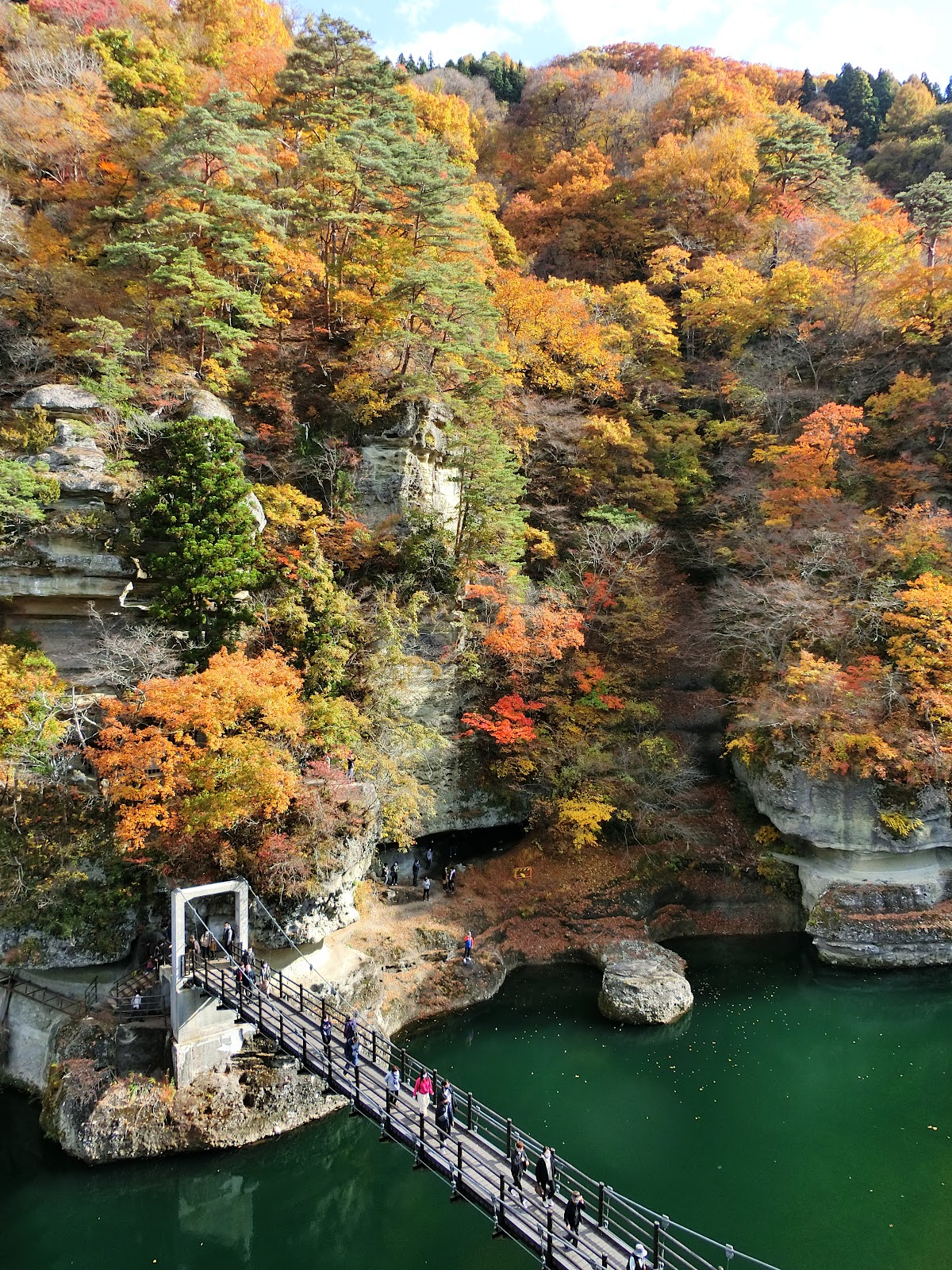
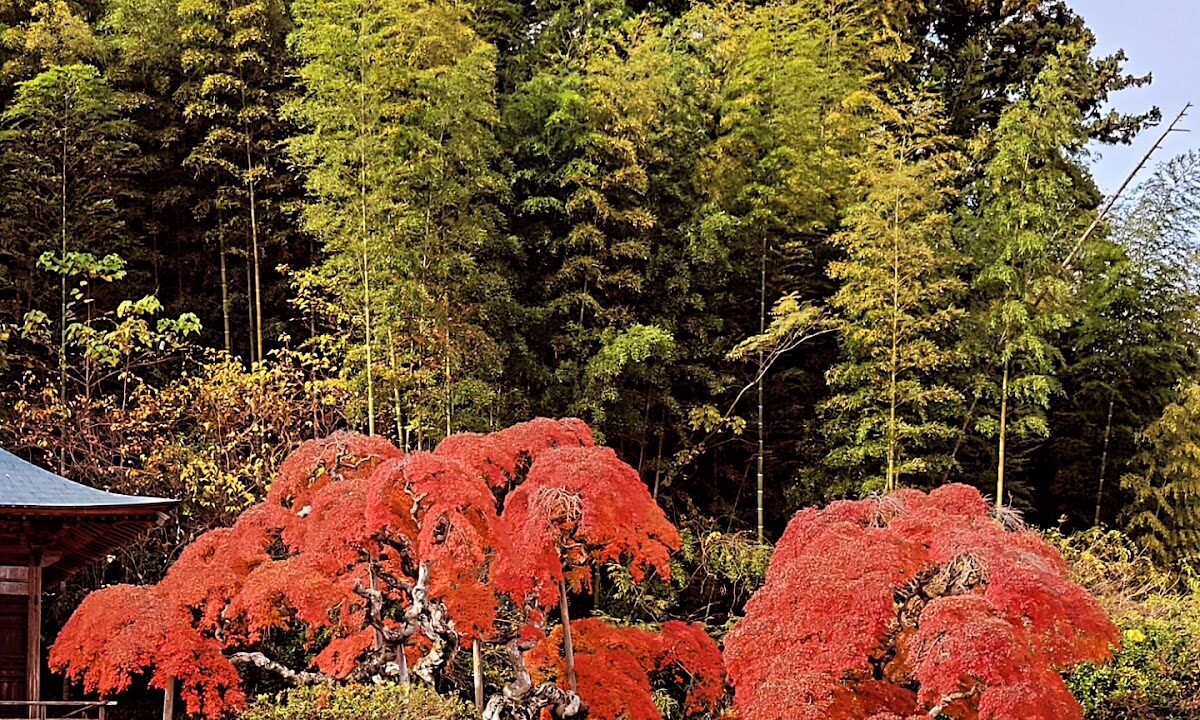
The greatest attraction of Buna-daira is undoubtedly its autumn foliage. The transformation of the vast pristine beech forest from yellow to red can be described as nature’s artistic masterpiece.
Peak Foliage Season
Buna-daira’s autumn foliage typically peaks from late September to early October. Due to its high elevation, foliage begins earlier than in lowland areas. Beech leaves initially turn yellow, gradually taking on reddish tones. This transition from yellow to red is particularly beautiful, and the landscape where yellow, red, and green coexist is unparalleled in its grandeur.
Since foliage progression varies annually depending on weather conditions, it is recommended to check the latest foliage information before visiting. Check current conditions in advance on Fukushima’s tourism information sites and weather information websites.
Best Scenic Spots for Foliage Viewing
The optimal way to enjoy Buna-daira’s foliage is through the shuttle bus windows traveling from Miike to Numayama Pass. By traveling along the roadside while viewing the surrounding beech forest, you can enjoy scenery that constantly transforms.
From the point where you climb past Shichiiri and Bunazaka, the entire beech pristine forest spanning 2 kilometers east-west and 1 kilometer north-south comes into view. Combined with the surrounding mountains, its grandeur is overwhelming.
Additionally, by stopping the car at roadside locations (where parking is permitted) and taking walks, you can observe beech foliage up close. Hiking through the forest multiplies the pleasure of foliage viewing.
Attractions Beyond Foliage Season
While foliage season is most famous, Buna-daira’s fresh green season is also spectacular. From May to June, when beech buds burst forth simultaneously, the scenery displays a refreshing beauty distinct from autumn foliage. The landscape covered in fresh yellowish-green leaves is worth visiting.
In summer, the forest is covered in deep green, offering a refreshing forest bathing experience. In the wetlands, plants like Japanese false hellebore bloom, making it an ideal time for alpine plant observation.
Access Methods | Detailed Directions to Buna-daira
Buna-daira is accessible by both public transportation and private vehicle, though available transportation options vary by season and timing.
Accessing by Public Transportation
By train and bus:
- Get off at Aizu Kogen Oze-guchi Station on the Aizu Kinugawa Line
- Take the Aizu Bus for approximately 1 hour 40 minutes from the station to “Oze Miike”
- From Miike, take a shuttle bus (operates only during foliage season) or walk approximately 15 minutes to reach the Buna-daira area
During foliage season (late September to early October), shuttle buses operate between Miike and Numayama Pass. Enjoying Buna-daira’s foliage through the bus windows is the most efficient and comfortable viewing method.
Accessing by Private Vehicle
With a private vehicle, travel through Hinoemata Village toward the Miike direction. However, traffic regulations may be implemented during peak foliage season, and private vehicle restrictions may require transferring from the Miike parking lot to shuttle buses.
It is important to check the status of private vehicle restrictions beforehand on the Hinoemata Village and Oze Protection Foundation websites. During restriction periods, vehicles must be parked at designated lots and shuttle buses must be used.
Parking Information
Miike Parking Lot is the primary parking facility.
- Capacity: approximately 400 vehicles
- Parking fee: Free (though fees may apply during certain seasons)
- Facilities include restrooms and shops
Weekends during foliage season are expected to be crowded. Arriving early (before 7:00 AM) increases the likelihood of finding parking relatively smoothly. After 9:00 AM, the lot frequently reaches capacity, and surrounding roads often experience traffic congestion.
Attractions and Recommended Spots Around Buna-daira
Enjoying nearby attractions when visiting Buna-daira enables more fulfilling Oze sightseeing.
Miike (Lake)
Serving as the access hub to Buna-daira, Miike is one of Oze’s gateway entrances, located at 1,510 meters elevation. Information boards near the Miike parking lot introduce Oze’s nature and history, allowing visitors to gather information before exploration.
From Miike, hiking routes to Mount Hiiuchigadake and hiking courses to Ozeguma Lake are available. Those with spare time may enjoy combining walks with these courses.
Numayama Pass
Located approximately 20 minutes by shuttle bus from Miike, Numayama Pass is the entrance to the shortest route to Ozeguma Lake. From the pass to the lake, a relatively flat course with wooden boardwalks can be reached in approximately one hour on foot.
Views from Numayama Pass are also excellent, offering panoramic mountain views on clear days. Combined with Buna-daira’s foliage, you can also enjoy autumn colors along Ozeguma Lake’s shores.
Mount Hiiuchigadake
At 2,356 meters elevation, Mount Hiiuchigadake is the highest peak in the Tohoku region. While serious mountaineering is required, summit views are spectacular, offering panoramic views of all of Oze.
Climbing requires approximately 7-8 hours round trip, necessitating early departure for day hikes. During foliage season, the mountain slopes become colorful, and the summit offers unobstructed views of Oze in autumn colors.
Hinoemata Village Attractions
Hinoemata Village, home to Buna-daira, features unique culture. The village includes the following attractions:
- Hinoemata Kabuki: Farming village kabuki with over 270 years of history
- Oze Hinoemata Hot Springs: Hot spring resort reflecting mountain blessings
- Tachisoba: Hinoemata’s specialty soba noodles
Enjoying village sightseeing, hot springs, and cuisine before or after foliage viewing at Buna-daira is recommended.
Precautions and Preparations for Visiting Buna-daira
Advance preparation and awareness of precautions are important for comfortably enjoying Buna-daira.
Clothing and Supplies
Due to high elevation, temperatures are lower than in lowland areas. Particularly during early mornings and evenings in foliage season, it becomes cold, requiring the following preparations:
- Warm clothing: Fleece or windbreaker jackets
- Comfortable shoes: Trekking shoes are ideal for hiking
- Rain gear: Mountain weather changes quickly, so carry rainwear
- Drinking water and snacks: Limited shops in surrounding areas, so bring your own
- Camera: Essential for recording spectacular views
Weather and Meteorological Conditions
Oze is a region where weather changes frequently. Always check weather forecasts before visiting, and consider altering plans if bad weather is expected.
Particularly after October, frost may form in early mornings. Additionally, road closures may occur due to snow, necessitating advance confirmation of road conditions.
Manners and Environmental Protection
Buna-daira is an area where precious natural environments are maintained. Observe the following etiquette:
- Always take trash with you
- Plant collection is prohibited
- Avoid entering areas outside designated locations
- Do not feed wildlife
- No littering of cigarettes (causes forest fires)
Individual consideration is essential to preserve Oze’s beautiful nature for future generations.
Congestion Avoidance Tips
During peak foliage season, particularly on weekends, crowding is expected. Tips for avoiding congestion:
- Weekday visits: Visiting on weekdays allows for relaxed scenery enjoyment
- Early arrival: Aim to reach the Miike parking lot before 7:00 AM
- Before or after peak season: Foliage remains sufficiently beautiful slightly before or after the peak
- Weather forecast utilization: Cloudy or light rain forecast days tend to be relatively uncrowded
Photography Techniques at Buna-daira
Tips for capturing Buna-daira’s spectacular views in photographs.
Optimal Photography Times
Early morning and evening provide the most beautiful light. Morning’s gentle light softly illuminates beech leaves, creating a mystical atmosphere. Evening’s diagonal light gives foliage three-dimensionality, bringing out more vivid colors.
Cloudy days make colors appear more subdued, but conversely, leaf texture is expressed well.
Composition Tips
- Utilizing the road: Composition with roads extending toward vanishing points emphasizes tunnel-like beech feeling
- Tree silhouettes: Using backlighting to make beech branch silhouettes stand out
- Wide-angle lenses: Expressing the vast pristine forest’s scale
- Telephoto lenses: Expressing distant mountains and foliage overlap through compression effect
Photography from Vehicle Windows
When photographing from shuttle buses, pay attention to window reflections. Bringing the lens close to the window glass reduces reflections. As buses sway, using faster shutter speeds is recommended.
Enjoying Oze Sightseeing Combined with Buna-daira
Recommended Oze sightseeing plans including Buna-daira visits.
Day Trip Plan
Morning: Buna-daira Foliage Viewing
- Early morning arrival at Miike parking lot
- Enjoy Buna-daira foliage from shuttle bus windows
- Get off at Numayama Pass and hike to Ozeguma Lake (approximately 2 hours round trip)
Afternoon: Hinoemata Village Sightseeing
- Bathe at Hinoemata hot springs
- Enjoy local cuisine including tachisoba
- Visit cultural facilities in the village
Two-Day, One-Night Plan
Day 1:
- Arrive at Hinoemata Village in the afternoon
- Explore the village and enjoy hot springs
- Stay at lodging facilities within Hinoemata Village
Day 2:
- Travel to Miike early morning
- Enjoy Buna-daira foliage viewing
- Go Ozeguma Lake hiking
- Challenge Mount Hiiuchigadake climbing if time permits
Overnight stays allow enjoyment of quiet early-morning Buna-daira and enable more fulfilling sightseeing.
Buna-daira’s History and Protection Activities
Buna-daira’s rich nature has been preserved through years of protection efforts.
History of Oze Protection
Oze faced dam construction plans from the Taisho period, threatening natural destruction. However, protection movements by Nagazo Hirano and Hisayoshi Takeda prevented development and preserved precious nature.
In the 1960s, overuse from increased tourists became problematic, leading to measures including wooden boardwalk installation and entry restrictions. Currently, efforts centered on the Oze Protection Foundation continue balancing natural environment conservation with sustainable use.
Ecological Value of Beech Forest
Pristine beech forests represent Japanese cool temperate forest ecosystems. Beech is also called “forest’s mother,” enriching soil through rich leaf fall while serving as habitat for diverse organisms.
Buna-daira’s forest is home to wildlife including Asiatic black bears, Japanese serows, and golden eagles, maintaining rich biodiversity. Additionally, beech forests function highly in water source conservation, playing important roles in downstream water resource security.
Conclusion: Experiencing Ultimate Autumn Foliage at Buna-daira
Buna-daira in Hinoemata Village, Fukushima Prefecture, is one of Japan’s finest foliage viewing spots, featuring a pristine beech forest spanning 2 kilometers east-west and 1 kilometer north-south. From late September through early October, the transformation from golden to red hues creates breathtaking scenery that leaves an unforgettable impression.
Enjoying foliage through shuttle bus windows traveling from Miike to Numayama Pass resembles nature’s color tunnel. Visiting combined with nearby Ozeguma Lake and Mount Hiiuchigadake enables more enriching Oze sightseeing.
When visiting, confirm foliage conditions, traffic restrictions, and weather in advance, and dress appropriately with proper equipment. Additionally, maintaining manner-conscious behavior is essential for preserving this precious natural environment.
Buna-daira’s spectacular autumn foliage will provide unforgettable autumn memories. Please visit this natural treasure that Fukushima Prefecture proudly offers.
-800x450.jpg)
-800x450.jpg)