
Kakkon’da Gorge, Iwate Prefecture Complete Guide | Genbu Cave, Toriko Falls, Autumn Foliage Highlights and Access Information
Located in Shizukuishi Town, Iwate Prefecture, Kakkon’da Gorge (葛根田渓谷) spans approximately 10 kilometers along the upper reaches of the Kakkon’da River, which flows along the southern base of Mount Iwate. This magnificent scenic area captivates visitors with its abundant natural beauty, including the impressive columnar jointing of Genbu Cave, the 30-meter-high Toriko Falls, and pristine beech forests covering approximately 8,000 hectares.
This article comprehensively conveys the charm of Kakkon’da Gorge and provides practical information useful for those planning a visit.
About Kakkon’da Gorge | Natural Sculptural Beauty Created by Mount Iwate
Kakkon’da Gorge is a valley formed by volcanic activity on the southern slope of Mount Iwate, stretching approximately 10 kilometers from Genbu Cave to Takinoue Hot Spring, serving as a treasure trove of natural beauty. Located in Nishi-ne, Shizukuishi Town, Iwate County, Iwate Prefecture, the terrain was formed through the process of lava flowing from the initial eruptions of the Abashiri volcano cooling and solidifying, creating today’s landscape.
The gorge’s greatest characteristic lies in its diversity. Steep precipices, clear streams, and rich forests unite to create a scenic area that displays different aspects in each season, attracting not only local residents but also many tourists from outside the prefecture.
Geological Value and Natural Environment
Kakkon’da Gorge possesses exceptionally high geological value, particularly with Genbu Cave’s columnar jointing designated as a National Natural Monument. The unique structure of this formation—where lava cooling created regular cracks and hexagonal columns bundled together—is a precious natural heritage that conveys the history of volcanic activity to the present day.
Approximately 8,000 hectares of pristine beech forests spread throughout the basin, with diverse broadleaf trees such as maple, acer, and rowan naturally occurring here. This rich forest ecosystem plays an important role as a habitat for wildlife, and with luck, one might spot traces of Japanese serow or Asian black bears.
Genbu Cave (Genbu no Daiiwaya) | Spectacular Columnar Jointing
The representative landscape of Kakkon’da Gorge is Genbu Cave (玄武洞), also known as “Genbu’s Great Rock Cavern.” A precipice of columnar jointing approximately 70 meters high, continuing for about 160 meters along the Kakkon’da River, is truly breathtaking.
Formation Mechanism of Columnar Jointing
The columnar jointing of Genbu Cave was formed through the cooling and solidification process of basaltic lava that flowed out due to Mount Iwate’s volcanic activity. As the lava cooled uniformly, volume contraction created regular cracks (jointing), from which columnar structures based on hexagons emerged.
Formed through this geological process, Genbu Cave is highly evaluated academically for its scale and excellent preservation, and is utilized as teaching material in geology and volcanology.
Points for Observation
When observing Genbu Cave, focusing on the following points allows for deeper enjoyment of nature’s sculptural beauty:
- Regularity of columnar jointing: Arrangement patterns of columns based on hexagons
- Height and continuity of rock walls: The grandeur of a 70-meter height continuing for 160 meters
- Color variations: Changes in rock surface color depending on season and time of day
- Harmony with vegetation: Contrast between plants rooted in rock walls and the rock itself
There are easily observable viewpoints around Genbu Cave, and the scenic landscape can be safely enjoyed from the road along the gorge.
Toriko Falls | Silver Flow Cascading into Deep Green Pools
Another highlight of Kakkon’da Gorge is Toriko Falls (鳥越の滝), located in the deeper part of the gorge. With a drop of approximately 30 meters, the falls cascade down the rock face into a deep green pool, creating a magnificent sight with thunderous sound and white mist.
Characteristics and Scenery of the Falls
Toriko Falls is a straight waterfall on the main flow of the Kakkon’da River, appearing particularly dramatic during high water periods. The area surrounding the falls is enclosed by steep rock walls and rich forests, allowing one to simultaneously feel both the beauty of nature’s sculpting and the power of water.
The vicinity of the pool displays a deep green hue, and this mysterious color has captivated many photographers and nature enthusiasts. Particularly during the new foliage season and autumn leaves, the surrounding vegetation and the white flow of the waterfall create beautiful contrast.
Access and Observation Tips
Toriko Falls is accessed on foot from a parking space via the road along Kakkon’da Gorge. While the walking trail to the falls is well-maintained, some sections have slippery footing, so visiting in comfortable walking shoes is recommended.
The best timing for photography is during morning hours when soft light filters in. The water spray glimmers and rainbows sometimes appear.
Kakkon’da Gorge During Autumn Foliage Season | Peak Season and Enjoyment Methods
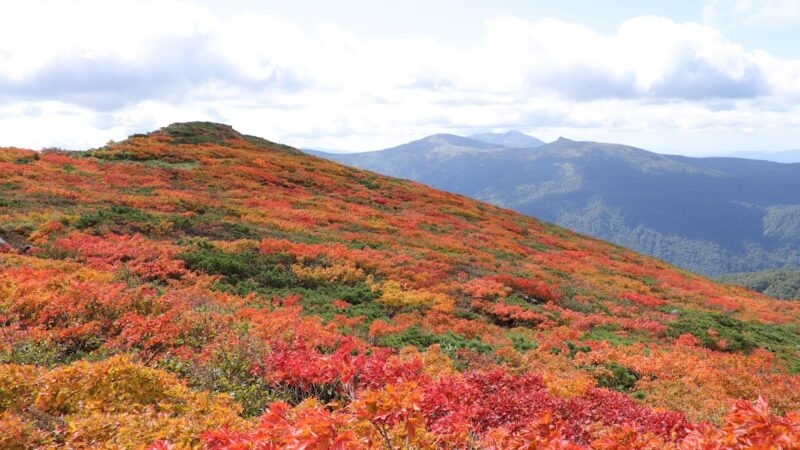
The autumn foliage season is when Kakkon’da Gorge attracts the most tourists. Typically peaking from early October to late October, the entire gorge transforms into shades of red, yellow, and orange—a sight known throughout Iwate Prefecture as one of the premier autumn foliage destinations.
Autumn Foliage Peak Season and Color Changes
The autumn foliage in Kakkon’da Gorge begins at the higher-elevation upper reaches and gradually progresses downstream. General peak timing guidelines are as follows:
- Early October: Foliage begins changing in upper areas (around Takinoue Hot Spring)
- Mid-October: The entire gorge reaches peak autumn foliage beauty
- Late October: Foliage progresses to the Genbu Cave area, presenting late-season beauty
Beech trees provide a yellow base, mixed with the red of maples and acers and the deep crimson of rowan trees, creating spectacular views contrasted against Genbu Cave’s black rock face.
Autumn Foliage Photography Spots
Kakkon’da Gorge has multiple viewpoints ideal for autumn foliage photography:
- Genbu Cave Viewing Area: Collaboration of columnar jointing and autumn foliage
- Toriko Falls Area: Combination of waterfall and autumn foliage
- Road Along the Gorge: Continuous autumn foliage landscape viewable while driving
- Views from Hot Spring Area: Ethereal combination of hot spring mist and autumn foliage
For photography, early morning and late afternoon hours with slanting light are especially recommended. Days when morning fog settles allow for particularly ethereal photographs.
Crowding Conditions and Visiting Tips
During peak season (mid-October weekends), many tourists flock to the area. For those wishing to avoid crowds, the following times and dates are recommended:
- Weekday visits: Fewer visitors than weekends
- Early morning (7 AM–9 AM): Few tourists, allowing for fresh walks in the clear morning air
- Late afternoon (4 PM onward): Many tourists departing, relatively uncrowded
- Early season (early October) or late season (late October): Avoiding peak times for crowd avoidance
Parking spaces are limited, and wait times may occur during crowded periods.
New Foliage Season | Spring to Early Summer Appeal
While autumn foliage receives most attention, spring’s new foliage offers special beauty in Kakkon’da Gorge. From mid-May through June, broadleaf trees including beech burst into leaf simultaneously, enveloping the entire gorge in vibrant green.
Characteristics and Appeal of New Foliage
Spring at Kakkon’da Gorge is characterized by an atmosphere full of vitality and freshness. Nature awakens from winter’s sleep, and young leaves’ bright green glimmers in transmitted sunlight, offering a soul-refreshing clarity.
During this period, snowmelt increases water volume, and Toriko Falls becomes even more dramatic. Additionally, bird songs become active, allowing one to enjoy nature through senses beyond just sight.
Spring Wildflower Observation
The new foliage season is ideal for wildflower observation. Along the gorge, the forest floor displays various spring flowers including dogtooth violet, rock primrose, and false hellebore. Walking while focusing on the ground reveals the joy of discovering nature’s small activities.
Access Information | Getting There by Car and Public Transportation
Access to Kakkon’da Gorge is primarily convenient by private vehicle or rental car. Public transportation access is possible but requires advance planning due to limited service frequency.
Access by Automobile
Via Tohoku Expressway:
- Approximately 40 minutes from Morioka IC via National Route 46
- From Shizukuishi Town center via Prefectural Route 219 (Shizukuishi Higashi-Hachimantai Line)
- Approximately 20 kilometers from Shizukuishi town center to Genbu Cave
From Akita Direction:
- Travel east on National Route 46, then transfer to Prefectural Route 219 from Shizukuishi Town
Parking spaces available near Genbu Cave and Toriko Falls accommodate several vehicles, but often reach capacity during autumn foliage season, so early arrival is recommended.
Access by Public Transportation
Using JR:
- Get off at JR Karuizawa Line “Shizukuishi Station”
- From Shizukuishi Station, take the route bus heading to “Takinoue Hot Spring” for approximately 30 minutes
- Since bus frequency is limited, advance confirmation of schedules is essential
Tour Taxi:
- Alternative method using tour taxi from Shizukuishi Station
- Travel time approximately 25 minutes, fare approximately ¥4,000–5,000
Note on Winter Road Closures
Roads leading to Kakkon’da Gorge close seasonally typically from mid-November through early May of the following year. Heavy snow and icy road conditions create hazards, making gorge access impossible during this period. When planning visits, always confirm access is available.
Nearby Hot Springs and Accommodation Facilities
The area surrounding Kakkon’da Gorge is blessed with abundant hot spring resources. Combining gorge exploration with hot spring bathing allows for more enriching travel experiences.
Major Hot Spring Areas
Takinoue Hot Spring:
Located at the uppermost reaches of Kakkon’da Gorge, this hot spring area sits in quiet surroundings enclosed by gorge nature, with day-use bathing facilities available. The simple sulfur spring water offers expected beauty benefits.
Abashiri Hot Spring:
A historic hot spring area positioned on Mount Iwate’s mid-slope, approximately 15 minutes by car from Kakkon’da Gorge. Characterized by milky white sulfur-rich water, with adjacent ski facilities, making it popular as a winter sports base during cold months.
Hot Spring Facilities in Shizukuishi Town:
Multiple day-use bathing facilities exist in Shizukuishi town center, convenient as stopping points after gorge exploration.
Accommodation Options
Lodging around Kakkon’da Gorge offers several choices:
- Riverside hot spring inns: Quiet natural surroundings
- Hotels in Shizukuishi town center: Convenient access, ideal as tourism base
- Guesthouses and pensions: Homey atmosphere and local cuisine appeal
Autumn foliage season reservations book up quickly, making advance booking recommended.
Stream Fishing and Nature Experiences
Kakkon’da Gorge is also known as a popular stream fishing spot. The clear Kakkon’da River harbors iwana and yamame fish, offering appealing opportunities for stream fishing enthusiasts.
Basic Stream Fishing Information
Target fish: Iwana, yamame
Season: March–September (opening dates vary by river)
Fishing permit: Required (purchasable at local tackle shops and hot spring facilities)
When enjoying stream fishing, respecting regulations including permit payment and confirming prohibited areas is essential. Additionally, footing within the gorge can be poor in places, so proper safety equipment is necessary.
Hiking and Trekking
Various hiking courses of differing difficulty levels surround Kakkon’da Gorge. Gorge-side walking paths are relatively flat, enjoyable for beginners and families alike. For those seeking more serious trekking, Mount Iwate and Mitsuishi Mountain climbing courses present additional challenges.
Nearby Attractions | Charm of Shizukuishi Town
Combining visits to nearby attractions with Kakkon’da Gorge exploration creates more enriching travel experiences.
Koiwai Farm
Shizukuishi Town’s signature tourist destination, located approximately 30 minutes by car from Kakkon’da Gorge. The expansive grounds feature grasslands, dairy product manufacturing process viewing, animal interactions, and abundant family-friendly activities.
Mount Iwate
Called “Southern Fuji,” this Iwate Prefecture’s highest peak (elevation 2,038 meters) can be seen from Kakkon’da Gorge. The climbing season runs July–September with multiple routes available.
Shizukuishi Ski Resort
Winter provides opportunities for winter sports at Shizukuishi Ski Resort (Takakura Mountain), featuring quality powder snow and diverse courses accommodating beginners through advanced skiers.
Morioka City Attractions
Approximately 40 minutes by car from Kakkon’da Gorge, Morioka city center offers attractions including Morioka Castle ruins park, Morioka Hachimangu Shrine, and Ishiwari Cherry. Additionally, Morioka’s three great noodle dishes (wankosoba, Morioka ramen, jajamen) provide culinary delights.
Precautions and Packing When Visiting
Take note of the following to safely enjoy Kakkon’da Gorge:
Clothing and Equipment
- Comfortable walking shoes: Gorge-side paths have slippery sections, making trekking shoes or athletic shoes advisable
- Season-appropriate clothing: Cooler temperatures and changeable weather within the gorge require layered clothing
- Rain gear: Prepare rainwear or folding umbrella for sudden rainfall
- Hat and sunscreen: Summer brings strong sunlight, necessitating UV protection
Packing Checklist
- Drinking water (limited vending machines available)
- Snacks (refreshments and energy foods)
- Camera or smartphone (including chargers)
- Map or navigation app
- Insect repellent (summer season)
- Garbage bags (carry out your own waste)
Safety Precautions
- Avoid solo travel: Visit with multiple people when possible
- Check weather: Avoid difficult exploration during poor weather
- Wildlife: Bear sightings occur in the area; carry bear bells and speak loudly
- Cell phone coverage: Some areas have poor signal reception
- Stay on designated trails: For safety, use marked walking paths
History and Culture of Kakkon’da Gorge
Kakkon’da Gorge has been cherished by local people throughout history. The gorge’s name “Kakkon’da” is believed to derive from the abundance of kudzu vines (kuzu) that grew naturally in the area.
History of Hot Spring Development
Hot springs surrounding Kakkon’da Gorge have been known as healing destinations since the Edo period. Takinoue Hot Spring and surrounding areas were utilized by locals during agricultural slack seasons. Modern times saw formal hot spring inn development, advancing the area as a tourist destination.
Regional Faith and Traditions
Mount Iwate has long been revered as a sacred mountain, with Kakkon’da Gorge falling within this spiritual sphere. Small shrines and stone monuments dot the gorge, conveying local people’s reverence for nature.
Year-Round Enjoyment of Kakkon’da Gorge
Kakkon’da Gorge offers distinct charms throughout all four seasons, serving as a year-round tourist destination.
Spring (May–June)
With snowmelt, water volume increases and Toriko Falls reaches maximum drama. New foliage is beautiful, ideal for wildflower observation.
Summer (July–August)
The gorge enveloped in deep green provides ideal summer retreat conditions. Stream fishing and forest bathing prove appealing. However, insects proliferate, requiring pest control measures.
Autumn (September–November)
Kakkon’da Gorge’s busiest season features autumn foliage, with mid-October peak color transforming the entire gorge in red and gold hues.
Winter (December–April)
Seasonal road closures prevent general access, though snow-bound gorge silence becomes an advanced field for snowshoe and backcountry skiing enthusiasts, requiring proper equipment and experience.
Local Cuisine and Regional Specialties
When visiting Kakkon’da Gorge, local cuisine and regional specialties add to the travel experience.
Recommended Foods
- Shizukuishi beef: Iwate Prefecture’s representative premium beef, featuring fine marbling and tender texture
- Soba: Shizukuishi Town produces quality soba, with numerous hand-pulled soba noodle shops
- Mountain vegetable cuisine: Spring offers local foraged mountain vegetable dishes
- Dairy products: Koiwai Farm and others provide fresh milk, yogurt, and cheese
Souvenirs and Specialties
- Shizukuishi sake: Japanese sake using Mount Iwate’s underground water
- Apples: Shizukuishi Town ranks among the prefecture’s premier apple-producing regions
- Crafts: Local woodcraft and pottery pieces
Contact Information and Tourism Details
For latest information and details regarding Kakkon’da Gorge, contact the following:
Shizukuishi Tourism Association
- Address: Shizukuishi Town, Iwate County, Iwate Prefecture
- Phone: 019-692-5138 (main)
- Official website provides event information and latest autumn foliage color status
Shizukuishi Town Hall Commerce and Tourism Division
- Addresses inquiries regarding road access conditions and general tourism information
Tourist pamphlets are available at Shizukuishi Station, roadside stations, and tourism associations. Confirming latest information before visiting ensures more enriching travel experiences.
Conclusion | Fully Appreciating Kakkon’da Gorge’s Charm
Kakkon’da Gorge in Shizukuishi Town, Iwate Prefecture, stands as a scenic destination featuring natural beauty woven through Genbu Cave’s columnar jointing, Toriko Falls, and pristine beech forests. Particularly during mid-October autumn foliage season, when the entire gorge transforms in red and gold hues, it ranks among Iwate Prefecture’s premier scenic spots.
Spring’s new foliage offers refreshing beauty, with distinct expressions throughout all seasons. Automobile access proves convenient, though winter closures (mid-November through early May) require attention. Surrounding hot springs including Takinoue and Abashiri permit combination travel blending gorge exploration with hot spring bathing.
When visiting, prepare comfortable walking shoes and season-appropriate clothing, prioritizing safety while fully enjoying Kakkon’da Gorge’s magnificent natural wonders.