.jpg)
Complete Guide to Yase Momiji no Komichi (Kyoto Prefecture) | Peak Viewing Season, Access, and Surrounding Spots Thoroughly Explained
“Yase Momiji no Komichi” located in the Yase area of Sakyo Ward, Kyoto City, is a famous autumn foliage spot where Japanese maples (momiji) grow densely across a vast area of approximately 3,700 square meters. This walking path, which spreads right beside the Eizan Cable Yase Station, transforms into vivid reds and oranges in autumn, offering a fantastical experience as if walking through a tunnel of autumn leaves. This article provides detailed explanations of the charm of Yase Momiji no Komichi, peak viewing seasons, access methods, and nearby tourist attractions.
What is Yase Momiji no Komichi?
Yase Momiji no Komichi is a circuit walking path of approximately 300 meters maintained beside the Eizan Cable “Yase Station.” Surrounded by Kyoto’s quiet nature, this spot features maples and Japanese maples spreading left and right, with a spectacular gradation of autumn foliage coloring along the mountain slope.
In addition to autumn foliage, the grounds contain “Heian Capital Relocation Memorial Monument” commemorating the success of the 1,100th anniversary Heian Capital relocation project, a radio tower, and the Takano Hydroelectric Power Station ruins—remnants of Kyoto’s modernization—making it a valuable location where you can also enjoy historical exploration.
Four Seasons’ Charm
Yase Momiji no Komichi showcases different appearances throughout all four seasons, not just during autumn foliage season. In spring, fresh greenery is beautiful, in summer cool green shade soothes visitors, and in winter snow-covered silent scenery spreads out. However, the peak season for tourist visits remains the autumn foliage season.
Peak Viewing Season for Autumn Foliage and Crowd Conditions
Typical Peak Season
The peak viewing season for autumn foliage at Yase Momiji no Komichi is typically mid-November to early December. The Yase area, with its relatively high elevation, tends to change color slightly earlier than central Kyoto City.
- Color change begins: Late October to early November
- Peak viewing season: Mid-November to late November
- Leaf-fall period: Early to mid-December
Peak season timing may vary depending on weather and temperature, so it is recommended to check the latest autumn foliage information before visiting.
Best Times to Avoid Crowds
While Yase Momiji no Komichi is less crowded than the nearby Rurikoin Temple, the walking path becomes busy with many tourists on weekends and holidays during autumn foliage season. For relatively leisurely viewing, the following times are recommended:
- Early morning (8:00–9:00): Autumn foliage is beautifully illuminated by morning sun, and there are fewer people
- Weekday mornings: Less crowded than weekends
- Late afternoon (3:00 PM onwards): Autumn foliage tinged with evening sun also has a certain charm
Exploring Kyoto’s Modernization Heritage Among Colorful Autumn Foliage
One of the major attractions of Yase Momiji no Komichi is the ability to enjoy both beautiful autumn foliage and historical heritage simultaneously.
Heian Capital Relocation Memorial Monument
The “Heian Capital Relocation Memorial Monument” at the top of the stairs on the path is a stone monument built to commemorate the success of the 1,100th anniversary Heian Capital relocation project. This memorial surrounded by autumn foliage conveys the long history of Kyoto and serves as an important monument.
Radio Tower
A radio tower installed in the early Showa period can also be seen within the path. During an era when radio had not yet become widespread in ordinary households, this tower was installed in public places for people to listen to radio broadcasts—a valuable heritage symbolizing Kyoto’s modernization.
Takano Hydroelectric Power Station Ruins
The Yase area played an important role in Kyoto’s electrification. The Takano Hydroelectric Power Station ruins are remnants of a power supply facility that supported Kyoto’s modernization from the Meiji through Taisho periods, and its value as industrial heritage is also high. These heritage sites standing among the autumn foliage create a unique landscape where nature and history harmonize.
Access Information for Yase Momiji no Komichi
Access by Train
Access to Yase Momiji no Komichi is most convenient by the Eizan Electric Railway.
Using the Eizan Electric Railway
- Get off at Eizan Electric Railway “Yase Hieizan-guchi Station,” then walk north approximately 5 minutes
- Right beside Eizan Cable “Yase Cable Station”
Access from Kyoto Station
- Take the Kyoto City Subway Karasuma Line from Kyoto Station to “Kokusai Kaikan Station” (approximately 20 minutes)
- Transfer to the Eizan Electric Railway from Kokusai Kaikan Station (walking transfer required)
Or
- Take Kyoto City Bus Route 17 from Kyoto Station to “Demachi-Masugata Shotengai” (approximately 30 minutes)
- Board the Eizan Electric Railway from Demachi-Masugata Station, get off at “Yase Hieizan-guchi Station” (approximately 15 minutes)
Access by Car and Parking
Access by Car
- Approximately 30 minutes from “Kyoto East IC” on the Meishin Expressway
- Address: Kamitakano Higashiyama, Sakyo Ward, Kyoto City, Kyoto Prefecture
Parking Information
- Paid parking available near Eizan Cable Yase Station
- Lots often reach capacity during autumn foliage season; use of public transportation is recommended
- Surrounding roads also become congested; plan travel with ample time margins
Estimated Time Required
A leisurely stroll through Yase Momiji no Komichi, even with time for photos, takes approximately 30 minutes to 1 hour. If you plan to thoroughly view the modernization heritage or include rest breaks while enjoying the foliage, allow about 1.5 hours.
Nearby Facilities and Attractions Accessible from Yase Momiji no Komichi’s Autumn Foliage
When visiting Yase Momiji no Komichi, extend your visit to nearby shrines, temples, and tourist attractions.
Kuzu Shrine
Kuzu Shrine in the Yase area is known for its benefits regarding business prosperity and good fortune. Located within walking distance from Yase Momiji no Komichi, the grounds have a unique atmosphere well worth seeing. During autumn foliage season, the temple grounds also take on beautiful colors, allowing for quiet worship.
Hachidai Shrine
Located in the Ichijoji area, Hachidai Shrine is known as a shrine with connections to Miyamoto Musashi. A few stations away from Yase Momiji no Komichi by Eizan Electric Railway, the shrine is said to provide benefits for directional blessings and warding off misfortune. The contrast between the large trees on the grounds and the autumn foliage is also spectacular.
Jisho-ji (Ginkaku-ji)
Ginkaku-ji, registered as a UNESCO World Heritage Site, is approximately 20 minutes by car or about 30 minutes by bus from the Yase area. The garden, which embodies the aesthetics of wabi and sabi, harmonizes beautifully with autumn foliage in fall, making it one of Kyoto’s most representative tourist attractions. Definitely worth visiting if you have time.
Kamomioya Shrine (Shimogamo Shrine)
Another UNESCO World Heritage Site, Shimogamo Shrine is relatively close to the Yase area. One of Kyoto’s oldest shrines, the combination of the small stream flowing through the grounds and the autumn foliage is beautiful, allowing worship in a solemn atmosphere.
Kamowakeikazuchi Shrine (Kamigamo Shrine)
Another World Heritage Site, Kamigamo Shrine is also relatively close to the Yase area. One of Kyoto’s oldest shrines, the Shimogamo Shrine features a solemn atmosphere where visitors can worship. The beauty of the small stream flowing through the grounds combined with autumn foliage is spectacular, and you can experience worship in a dignified setting.
Nearby Autumn Foliage Spots Close to Yase Momiji no Komichi
The Yase and Rakuhoku areas contain many autumn foliage attractions besides Yase Momiji no Komichi.
Rurikoin’s Autumn Foliage
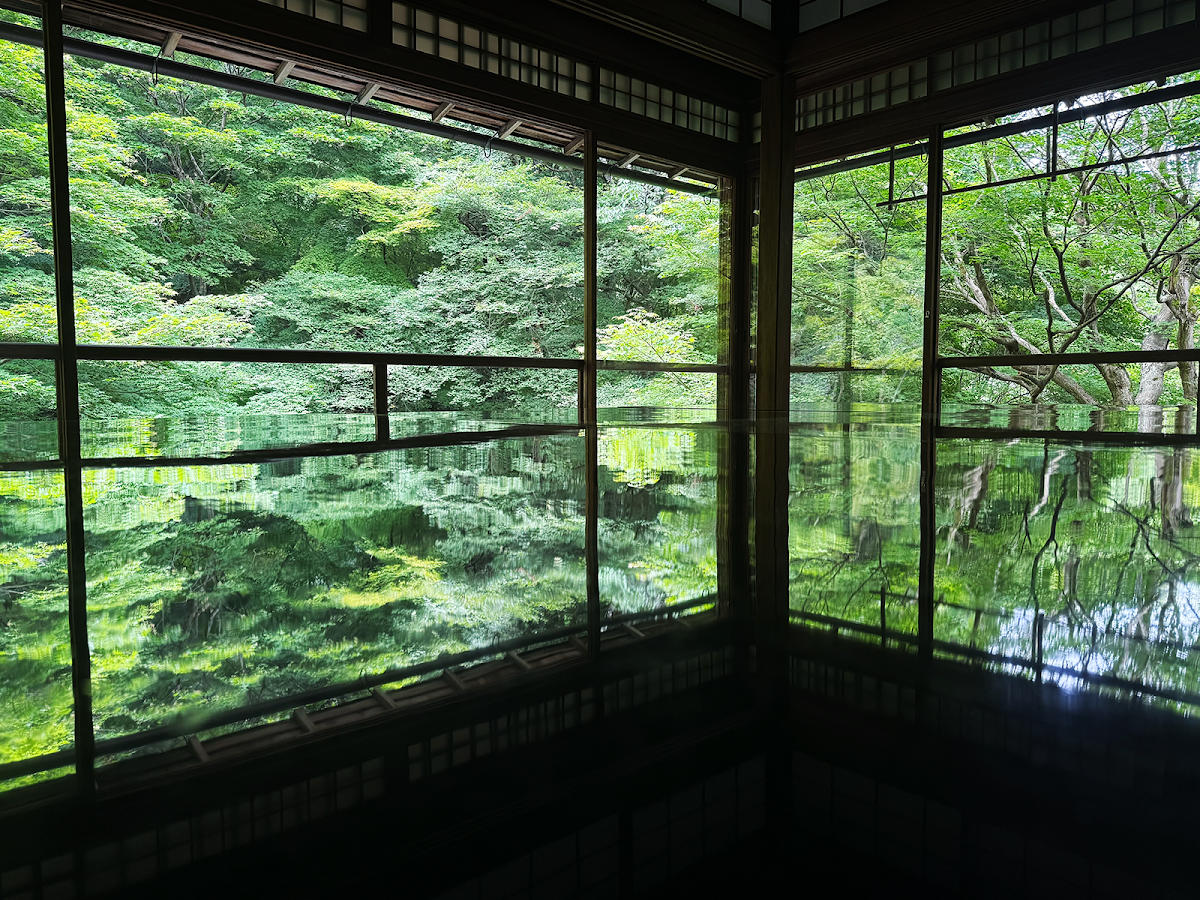
The closest autumn foliage attraction to Yase Momiji no Komichi is Rurikoin Temple, accessible by about a 5-minute walk. This temple is famous for the “reflection” of autumn foliage reflected in polished desks—an spectacular view. However, the temple operates a pre-reservation system during autumn foliage season, and admission fees are relatively high. Due to intense crowding, travel plans require ample time.
Rakuhoku Rengeji’s Autumn Foliage
Rengeji Temple, wrapped in silence, is a hidden gem autumn foliage spot. The view from the main hall, famous as a “framed garden,” is as beautiful as a single painting. Approximately 15 minutes by bus or car from Yase Momiji no Komichi.
Akasan Zenin’s Autumn Foliage
Located in the Shugakuin area, Akasan Zenin is an autumn foliage attraction also called the “Momiji Temple.” The approach and grounds are covered with autumn foliage in fall. Relatively few tourists visit, allowing for leisurely foliage viewing.
Manshuin Monzeki’s Autumn Foliage
Manshuin, a temple gate with imperial connections, is a location of beautiful harmony between its distinguished garden and autumn foliage. The contrast between the dry landscape garden and autumn foliage is spectacular, with the garden’s foliage as viewed from the main hall being truly spectacular. Approximately 10 minutes by car from Yase Momiji no Komichi.
Sagimori Shrine’s Autumn Foliage
Located in the Shugakuin area, Sagimori Shrine is a quiet shrine loved by locals. While the shrine grounds’ foliage is not large in scale, the combination of moss-covered stone steps and autumn foliage is rich in atmosphere, making it a popular hidden gem foliage spot.
Rakuhoku (Enkeiji)’s Autumn Foliage
Enkeiji is a famous autumn foliage location representing the Ichijoji area. The foliage of the garden called “Jugyuzu-no-Niwa” is spectacular, with the sea of foliage as viewed from the main hall being breathtakingly beautiful. Early morning worship is also offered, allowing you to quietly enjoy foliage illuminated by morning sun.
Shisendo Jozanji’s Autumn Foliage
Shisendo, established by Edo-period literatus Ishikawa Jozan, is an attraction where garden beauty and autumn foliage harmonize spectacularly. The quiet garden where the sound of shishiodoshi (bamboo fountain) resonates provides peaceful autumn foliage viewing. Approximately 30 minutes from Yase Momiji no Komichi by Eizan Electric Railway and bus transfer.
Iwakura Jisshoin Monzeki’s Autumn Foliage
Located in the Iwakura area, Jisshoin is a temple famous for “floor foliage.” The reflection of autumn foliage on the polished black floor is fantastical, attracting many photography enthusiasts. Approximately 15 minutes by car from Yase Momiji no Komichi.
Ways to Enjoy Yase Momiji no Komichi
Photography Tips
Yase Momiji no Komichi is also an ideal spot for photography. Keeping the following points in mind enables more beautiful photos.
- Morning light: Soft early morning light beautifully illuminates the foliage
- View from the stairs: The sea of foliage seen from the walking path’s stairs is spectacular
- Combination with modernization heritage: Photograph the Heian Capital Relocation Monument or radio tower together with foliage
- Gradation: Aim for the foliage gradation coloring along the mountain slope
Clothing and Items to Bring
Since Yase Momiji no Komichi is situated on a mountain slope, the following preparations are recommended.
- Easy-to-walk shoes: Stairs and slopes make comfortable sneakers essential
- Cold-weather protection: From November onward bring jackets or scarves for warmth
- Camera or smartphone: For photographing the foliage
- Beverages: Few vending machines are nearby, so bringing drinks is reassuring
History and Culture of the Yase Area
Origin of the Name Yase
The place name Yase is said to derive from a legend that during the Jinshin War, Prince Otomo (later Emperor Temmu) was wounded by an arrow and healed his wound in the hot springs of this area. It is said that “arrow wound” (yajite) became “Yase,” and the land has deep historical ties to the imperial household since ancient times.
Yase Doji
In Yase, there was a special group called “Yase Doji.” For generations, they served roles such as performing miscellaneous duties at Enryaku-ji Temple on Mt. Hiei and carrying the Emperor’s palanquin, granted special privileges. This historical background further enhances the cultural value of the Yase area.
Dining and Rest Spots Nearby
Cafes and Restaurants Near Yase
Several cafes and restaurants in the Yase area offer stops after autumn foliage viewing.
- Near Yase Cable Station: Light meals and drinks available at shops
- Near Demachi-Masugata Station: Many traditional townhouse cafes and Japanese restaurants
- Ichijoji area: Known as a fierce ramen competition zone with unique ramen shops concentrated
Hot Spring Facilities
Yase has “Yase Hot Spring,” where you can soothe your body tired from autumn foliage viewing. Some facilities offer day-use bathing, so plans combining foliage viewing and hot springs are also recommended.
Recommended Tour Courses Including Yase Momiji no Komichi
Half-Day Course (Morning)
- 8:00 Arrive at Eizan Electric Railway “Yase Hieizan-guchi Station”
- 8:10-9:00 Yase Momiji no Komichi stroll
- 9:10-10:30 Rurikoin Temple visit (pre-reservation required)
- 10:40-11:30 Kuzu Shrine worship
- 11:40 Lunch near Demachi-Masugata Station
Full-Day Course
- 9:00 Arrive at Eizan Electric Railway “Yase Hieizan-guchi Station”
- 9:10-10:00 Yase Momiji no Komichi stroll
- 10:10-11:30 Rurikoin Temple visit
- 12:00-13:00 Lunch near Demachi-Masugata Station
- 13:30-14:30 Shimogamo Shrine worship
- 15:00-16:00 Enkeiji or Shisendo foliage appreciation
- 16:30 Ichijoji cafe break or early dinner
Notes When Visiting
About Manners
- No entry to private property: Since there are private homes near the path, refrain from entering areas outside designated zones
- Take trash with you: For environmental conservation, always take trash with you
- Tripod use: Refrain from using tripods during crowded times, as they inconvenience other visitors
- Loud conversation: Keep voices down to maintain the quiet environment
Effects of Weather
- Rainy days: Ground becomes slippery; caution required
- After typhoons: Fallen leaves increase; foliage may be scattered
- Strong winds: Branch damage risk; attention needed
Yase Momiji no Komichi Autumn Foliage Q&A
Q1: Is there an entrance fee for Yase Momiji no Komichi?
A1: Yase Momiji no Komichi is free to stroll through. As an open walking path, you can enjoy the foliage leisurely without time constraints.
Q2: Is illumination provided?
A2: Yase Momiji no Komichi typically does not provide illumination. Foliage is viewed in natural daylight. However, nearby attractions like Rurikoin may offer limited-time illumination.
Q3: Can pets be brought along?
A3: Strolling with small dogs and other pets is possible, but leashes must be used, and consideration for other tourists is necessary. Pet waste cleanup is the owner’s responsibility.
Q4: Can wheelchairs or strollers be used?
A4: Yase Momiji no Komichi features many stairs and slopes along the mountain slope, making wheelchair and stroller use difficult. For those with mobility concerns, viewing the flat sections only is recommended.
Q5: How long does it take from the nearest station?
A5: Approximately 5 minutes on foot from Eizan Electric Railway “Yase Hieizan-guchi Station.” The location is immediately after exiting the station, so access is extremely convenient.
Q6: Where can autumn foliage information be confirmed?
A6: Current coloring status can be confirmed through the Eizan Electric Railway official website, Kyoto Prefecture tourism information sites, and various autumn foliage information sites. Searching “#YaseMomiji-no-Komichi” on social media also provides real-time foliage conditions.
Q7: Are there places to eat nearby?
A7: Few restaurants are near Yase Station, but the Demachi-Masugata Station area a few stations away on the Eizan Electric Railway has numerous cafes and restaurants. The Ichijoji area also has abundant dining options, including ramen shops.
Q8: Can it be enjoyed on rainy days?
A8: Rainy day foliage has its own charm, but caution is needed due to slippery ground. Umbrella-carrying while strolling makes photography more difficult than in clear weather. Waterproof shoes and rain gear preparation is recommended.
Conclusion
Yase Momiji no Komichi is a valuable spot for enjoying autumn foliage within Kyoto’s quiet nature. The dense grouping of maples across the 3,700 square meter grounds creates a spectacular red and orange gradation in fall, captivating visitors.
The approximately 300-meter circuit path features several remnants of Kyoto’s modernization scattered throughout, including the Heian Capital Relocation Memorial Monument, a radio tower, and the Takano Hydroelectric Power Station ruins, allowing simultaneous enjoyment of foliage and history—a major attraction. Outstanding access convenience, just a 5-minute walk from Eizan Electric Railway “Yase Hieizan-guchi Station,” supports the spot’s popularity.
Peak season is typically mid-November to early December. Early morning or weekday morning visits allow relatively uncrowded leisurely strolling. The surrounding areas contain many of Kyoto’s representative autumn foliage sites, including Rurikoin, Enkeiji, and Shisendo, allowing for a day-long Rakuhoku foliage tour.
Free to stroll through while remaining an open space, Yase Momiji no Komichi offers Kyoto-like atmosphere and historical experience. Definitely visit this autumn foliage spot during fall Kyoto tourism. This small path, showing different appearances year-round, deserves visits beyond autumn foliage season into other seasons like fresh greenery.
Enjoy quiet autumn foliage strolling away from commotion in the Yase area, called Kyoto’s back parlor.
-800x450.jpg)
-800x450.jpg)
-800x450.jpg)