.jpg)
Complete Guide to Chooan-ji Temple (Fukuchiyama City, Kyoto Prefecture) | History, Highlights, and Access Information for Tamba’s Maple Leaf Temple
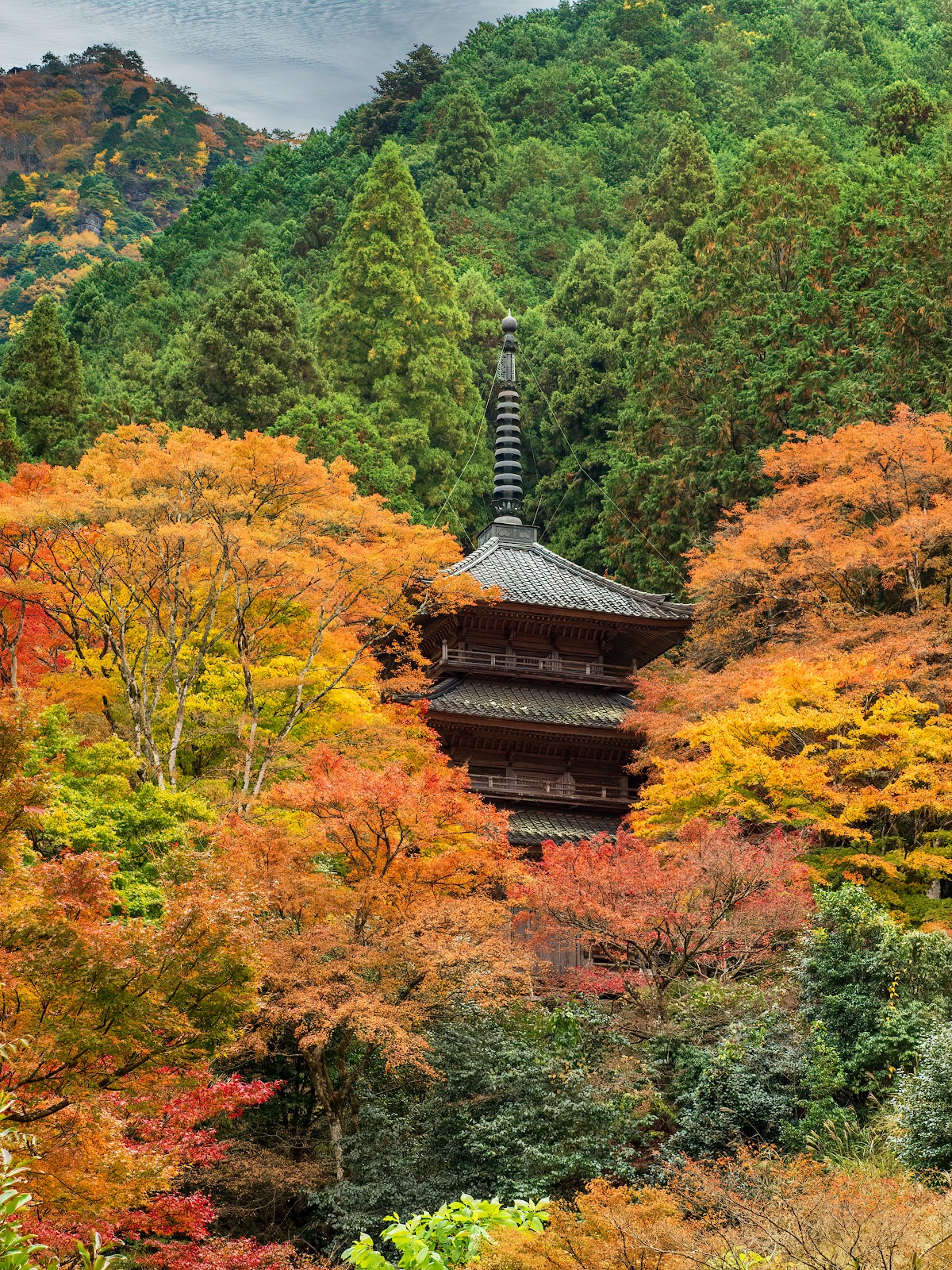
Chooan-ji Temple (長安寺), located in Okuno-be, Fukuchiyama City, Kyoto Prefecture, is a historic temple of the Rinzai School, Nanzen-ji Sect, widely known as “Tamba’s Maple Leaf Temple.” With a history spanning approximately 1,400 years, it serves as the 26th temple in the Saigoku Yakushi Pilgrimage and the 13th temple in the Tamba Ancient Temples Fifteen-Temple Pilgrimage, welcoming many devotees. This article provides detailed information about Chooan-ji’s history, highlights, autumn foliage information, and access methods to help you plan your visit.
History and Background of Chooan-ji Temple
Origins of the Temple’s Founding
The founding of Chooan-ji Temple dates back approximately 1,400 years to the Asuka Period. It is said to have been established when Maroko Shinno (Prince Maroko), the third imperial son of Emperor Yomei and the actual younger brother of Prince Shotoku, carved a statue of Yakushi Nyorai (Medicine Buddha) as a prayer for victory during a campaign to subdue demons on Mount Mikami in the ancient Tamba region, undertaken on imperial order.
The mountain name is Iozan (医王山). Due to its enshrining of Yakushi Nyorai as the principal deity, the temple has long been revered as a sacred place for healing illnesses and praying for good health.
Sect and Temple Rank
The temple currently belongs to the Rinzai School, Nanzen-ji Sect, with Nanzen-ji Temple in Kyoto as its head temple. As the 26th temple in the Saigoku Yakushi Pilgrimage, it serves as an important center for Yakushi pilgrimage routes and has played a central role in Buddhist culture throughout the Tamba region’s long history.
History Overcoming Warfare
Throughout its long history, Chooan-ji Temple has faced numerous difficulties, including warfare during the Sengoku period, yet has continued to preserve its Buddhist teachings. While the current temple buildings were reconstructed after the Edo period, valuable cultural properties, including the principal deity Yakushi Nyorai, are carefully preserved.
Highlights of Chooan-ji Temple
The Main Hall and Yakushi Nyorai
The main hall at the center of Chooan-ji Temple enshrines the principal deity, Yakushi Nyorai. As the Buddha governing medicine and healing, Yakushi Nyorai receives the faith of many visitors praying for recovery from illness and longevity. The interior of the hall is enveloped in a serene atmosphere, providing a space where visitors can pray with peace of mind.
The Mountain Gate and Temple Grounds Layout
Passing through Chooan-ji’s mountain gate, visitors find expansive temple grounds. Centered around the main hall, buildings such as the Heart Sutra Hall and the temple kitchen are arranged, creating beautiful scenery that harmonizes with nature through the seasons. Located in a quiet mountainous area, the entire grounds offer the charm of being able to worship peacefully away from urban bustle.
The Heart Sutra Hall and the Nursing Ginkgo Tree
Near the Heart Sutra Hall within the grounds stands a giant tree over 600 years old called the “Nursing Ginkgo,” named after its breast-like hanging aerial roots. This name derives from the resemblance of the dangling roots to breasts, and since ancient times it has received prayers from women seeking abundant breast milk. In autumn, it displays magnificent golden foliage, becoming an important landscape feature that colors the temple grounds.
As a Temple in the Saigoku Yakushi Pilgrimage
Chooan-ji serves as the 26th temple in the Saigoku Yakushi Pilgrimage, making it an important center for pilgrims undertaking the pilgrimage route. Visitors can obtain commemorative stamps (goshuin) at the temple office, preserving memories of their Yakushi pilgrimage.
Autumn Foliage at Chooan-ji Temple | Tamba’s Maple Leaf Temple
Best Time for Autumn Foliage Viewing
The season drawing the most visitors to Chooan-ji is the autumn foliage season. Trees typically begin changing color in early November, reaching their peak from mid to late November. The sight of the entire temple grounds turning brilliant red is spectacular, truly befitting the name “Tamba’s Maple Leaf Temple,” offering breathtaking scenery.
Characteristics and Appeal of the Autumn Foliage
The greatest characteristic of Chooan-ji’s autumn foliage is the spectacular sight of the entire temple grounds being blanketed in maple leaves. Particularly around the main hall and near the mountain gate, crimson maples overlap, displaying beauty reminiscent of a crimson carpet laid across the ground.
The 600-year-old Nursing Ginkgo adds a yellow accent, the contrast between red and yellow foliage creating even more vivid colors throughout the grounds. On clear days, the contrast with the blue sky is also beautiful, making it an ideal photography spot.
Points for Viewing the Autumn Foliage
Optimal viewing times
The soft morning light and afternoon slanting light illuminating the foliage are recommended. Temple opening hours are 9:00 to 16:30, so we recommend visiting with plenty of time to spare.
Crowds
Weekends in mid-November, the peak foliage season, are expected to be crowded. For those wishing to view at a leisurely pace, we recommend visiting on weekdays in the morning, or during early November when the leaves are just beginning to turn, or late November as the peak season winds down.
Photography spots
Excellent photo opportunities exist throughout the grounds, including views from the mountain gate toward the main hall, the area around the Heart Sutra Hall, and the combination of the Nursing Ginkgo with autumn foliage.
Access Information to Chooan-ji Temple
Location
Address: 577 Okuno-be, Fukuchiyama City, Kyoto Prefecture 620-0928
Phone: 0773-22-8768
Access by Public Transportation
From JR/Tantetsu Fukuchiyama Station
- By Bus
Take the Kyoto Kotsu Bus from JR/Tantetsu Fukuchiyama Station, get off at Handa Bus Stop, and walk approximately 20 minutes (bus ride approximately 10 minutes)
- On Foot
Approximately 40 minutes walk from JR/Tantetsu Fukuchiyama Station
- By Taxi
Approximately 20 minutes by car from JR/Tantetsu Fukuchiyama Station
Access by Automobile
From the Kansai Region
- Approximately 15 minutes by car from “Fukuchiyama IC” on the Maizuru-Wakasa Expressway
- Accessible via Route 9
Parking Information
Free parking is available at the temple grounds. During peak foliage season, congestion can occur, so early arrival is recommended. Since parking capacity is limited, consideration of public transportation is advisable during busy times.
Viewing Information
Viewing Hours and Admission
Viewing hours: 9:00–16:30
Closed: Open year-round
Admission fee: Free (grounds open to the public)
The free admission is one of Chooan-ji’s attractions. Visitors can easily visit and enjoy the beautiful grounds and autumn foliage at no cost, a welcome point for many.
Notes Regarding Worship
- The temple grounds are a quiet religious facility. Please be considerate of other worshippers
- Photography is permitted, but please refrain from photographing in prohibited areas such as inside the main hall
- Please take all trash with you
- Please be careful not to touch plants or structures
- We recommend confirming the latest information via the official website or phone in advance
Tourist Attractions Around Chooan-ji Temple
Fukuchiyama Castle
Fukuchiyama Castle, located in the center of Fukuchiyama City, is a historic castle built by Akechi Mitsuhide. From the main tower, you can view the entire Fukuchiyama cityscape, and visiting it together with Chooan-ji is recommended.
Fukuchiyama City Zoo
Recommended for families, the Fukuchiyama City Zoo is located approximately 20 minutes by car from Chooan-ji. Various animals, including red pandas and capybaras, can be encountered at this facility.
Nearby Hot Spring Facilities
Within a 10-kilometer radius of Chooan-ji, there are hot spring facilities including Fukuchiyama Onsen. After visiting the temple and viewing autumn foliage, relaxing in a hot spring is recommended. Facilities such as Hotel Royal Hill Fukuchiyama & Spa offer day-use bathing.
Chooan-ji Through the Four Seasons
Spring at Chooan-ji
In spring, cherry blossoms bloom throughout the grounds, and fresh green foliage marks the season. The temple grounds, awakening from winter quiet, are enveloped in an atmosphere full of life.
Summer at Chooan-ji
Summer’s Chooan-ji, surrounded by deep green foliage, has a refreshing atmosphere. Located in the mountains, it is cooler than urban areas and is suitable for summer refuge.
Autumn at Chooan-ji (Foliage Season)
As previously mentioned, this is when Chooan-ji displays its most vibrant colors. As “Tamba’s Maple Leaf Temple,” it ranks among the most renowned foliage sites in the Kansai region.
Winter at Chooan-ji
The temple grounds dusted with snow are enveloped in a serene and solemn atmosphere. With fewer visitors, winter is a season ideal for peaceful, quiet worship.
Suggested Itineraries for Visiting Chooan-ji
Half-Day Course (Chooan-ji-Focused)
9:00 Arrive at JR Fukuchiyama Station
9:20 Arrive at Chooan-ji, explore grounds and worship (approximately 90 minutes)
11:00 Move to Fukuchiyama city center
11:30 View Fukuchiyama Castle
12:30 Lunch in Fukuchiyama city
Full-Day Course (Experiencing Fukuchiyama)
9:00 Arrive at JR Fukuchiyama Station
9:30 Worship at Chooan-ji and view autumn foliage (approximately 120 minutes)
12:00 Lunch in Fukuchiyama city
13:30 View Fukuchiyama Castle
15:00 Visit Fukuchiyama City Zoo
17:00 Bathe at a hot spring facility
18:30 Return to Fukuchiyama Station
Chooan-ji Temple and Buddhist Culture of the Tamba Region
The Tamba Ancient Temples Fifteen-Temple Pilgrimage
Chooan-ji is also the 13th temple in the Tamba Ancient Temples Fifteen-Temple Pilgrimage. Many temples have been established throughout the Tamba region since ancient times, fostering unique Buddhist culture. Chooan-ji is one of the most important among these temples.
Saigoku Yakushi Pilgrimage
The Saigoku Yakushi Pilgrimage is a pilgrimage route visiting 49 sacred sites enshrining Yakushi Nyorai centered in the Kinki region. As the 26th temple in this pilgrimage, Chooan-ji welcomes many pilgrims. Devotion to Yakushi Nyorai continues to be passed down in modern times among those praying for recovery from illness and good health.
Recommended Items to Bring When Visiting Chooan-ji
- Comfortable walking shoes: The grounds are expansive, and comfortable shoes are essential for exploring the surrounding area
- Camera: Especially during the foliage season, a camera for photographing the beautiful scenery is recommended
- Goshuin book: For those undertaking the Saigoku Yakushi Pilgrimage or Tamba Ancient Temples Fifteen-Temple Pilgrimage
- Warm clothing: From autumn into winter, the mountainous area can be cold, so warm clothing is advised
- Rain gear: Weather can be changeable in mountainous areas, so an umbrella is helpful
Frequently Asked Questions About Chooan-ji
Q: What is the admission fee for Chooan-ji?
A: Admission to Chooan-ji is free. The grounds are open for public worship.
Q: When is the best time to see the autumn foliage?
A: Trees typically begin changing color in early November, with the peak occurring from mid to late November. However, the timing may vary depending on the year’s climate, so we recommend checking in advance.
Q: Is there parking available?
A: Yes, free parking is available. However, congestion can occur during peak foliage season.
Q: Is access by public transportation convenient?
A: From JR Fukuchiyama Station, it takes approximately 30 minutes by bus and on foot. Since bus service is limited, we recommend checking the schedule in advance. Taxi use is also an option.
Q: Can I obtain a goshuin (commemorative stamp)?
A: Yes, commemorative stamps are available at the temple office. Stamps for both the Saigoku Yakushi Pilgrimage’s 26th temple and Tamba Ancient Temples Fifteen-Temple Pilgrimage’s 13th temple are provided.
Q: Are there restaurants nearby?
A: There are few dining options immediately around Chooan-ji, so we recommend eating in Fukuchiyama city center. Many restaurants are available around Fukuchiyama Station.
Q: Can pets accompany visitors?
A: Regarding pet access to the temple grounds, we recommend confirming with the temple in advance. Generally, religious facilities have restrictions on pets.
Conclusion
Chooan-ji Temple in Fukuchiyama City, Kyoto Prefecture, is a historic temple with 1,400 years of history and is renowned as “Tamba’s Maple Leaf Temple,” one of the finest foliage viewing sites in the Kansai region. As the 26th temple in the Saigoku Yakushi Pilgrimage and the 13th temple in the Tamba Ancient Temples Fifteen-Temple Pilgrimage, it holds an important place as a site of faith.
Particularly during the autumn foliage season, the entire temple grounds turn brilliant red, and the 600-year-old Nursing Ginkgo adds a yellow accent, creating spectacular scenery. Free admission is another attraction, making it easy to visit.
With good access from JR Fukuchiyama Station and nearby attractions such as Fukuchiyama Castle and hot spring facilities, Chooan-ji is a must-visit historic temple when exploring the northern Kyoto Prefecture region.
Why not spend quiet, peaceful moments at Chooan-ji, where history and nature harmonize?
-800x450.jpg)
-800x450.jpg)
-800x450.jpg)