
Irohazaka Complete Guide | The Charm and How to Enjoy Nikko’s Spectacular Driving Course
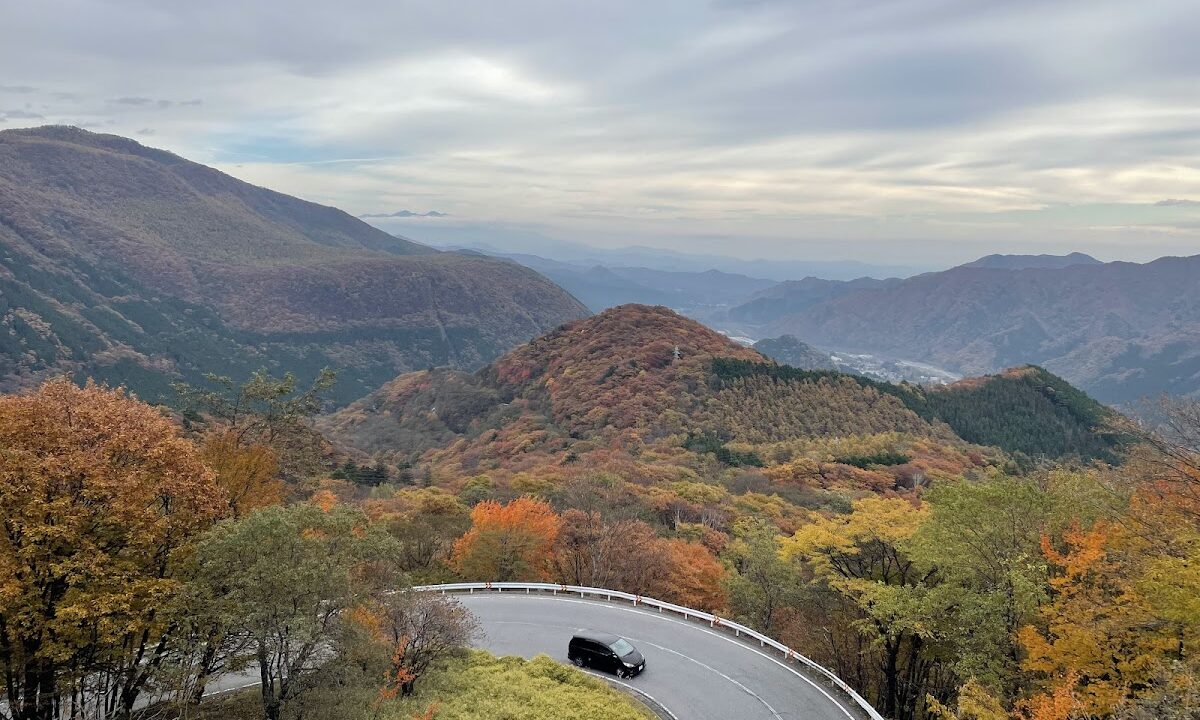
Irohazaka, a representative tourist road in Nikko City, Tochigi Prefecture, is known as one of Japan’s premier mountain driving courses. This steep road with 48 consecutive hairpin curves is a scenic spot where visitors can enjoy beautiful landscapes throughout the four seasons. Every year, many tourists visit to experience the spectacular scenery, particularly during the autumn foliage season, when the road is recognized as one of “Japan’s 100 Best Roads.”
What is Irohazaka? Basic Information and History
Overview of Irohazaka
Irohazaka is a mountain road that forms part of National Route 120, connecting Umigaeshi in Nikko City, Tochigi Prefecture, to the shores of Lake Chuzenji. It functions as an important tourist route linking Nikko’s city center with the remote Nikko area, extending approximately 16 kilometers in total length.
The current Irohazaka consists of two roads: the “Second Irohazaka,” for uphill traffic only, and the “First Irohazaka,” for downhill traffic only. Combined, these two roads have 48 sharp curves, and the name “Irohazaka” was given after the 48 characters of the Japanese hiragana syllabary, with signs displaying “i,” “ro,” “ha,” “ni,” “ho,” “he,” “to,” and so on at each curve.
The elevation difference is approximately 440 meters. Signs displaying the hiragana characters are displayed sequentially at each curve. On the uphill Second Irohazaka, you can see signs from “i” to “ne,” while on the downhill First Irohazaka, you can see signs from “na” to “n.”
Historical Background of Irohazaka
Irohazaka has a long history, originally serving as a pilgrimage route for those visiting Mount Otoko and Lake Chuzenji. From the Edo period through the early Meiji era, strict restrictions known as “women and beast prohibition” prevented women and livestock from using the road. This restriction stemmed from Mount Otoko being revered as a sacred mountain.
With the advent of the Meiji era, foreign visitors and other tourists began visiting the remote Nikko area, leading to improvements in the road’s infrastructure. In the early Showa period, the road was officially named “Irohazaka” because it had 48 curves.
Subsequently, road improvements were made as traffic increased, and the number of curves temporarily fluctuated. Today, however, 48 curves are maintained when combining the First and Second Irohazaka. In the 1960s, to alleviate congestion, a separated uphill-downhill system was adopted, resulting in the current configuration.
Differences Between First Irohazaka and Second Irohazaka
Characteristics of Second Irohazaka (Uphill Only)
Second Irohazaka is an uphill road heading from Nikko’s city center toward Lake Chuzenji. It consists of 20 curves labeled from “i” to “ne,” gradually ascending in elevation toward the remote Nikko area.
The road offers scenery unique to an uphill drive, with the view of Nikko’s streets and the Kanto Plain spreading below as altitude increases. Each curve presents the mountain scenery from different angles, which is the road’s main appeal.
Partway through Second Irohazaka, there is a turnoff leading to the “Akechi-daira Observation Platform,” where you can ride a ropeway to the observation deck. From this platform, you can see the spectacular views of Lake Chuzenji, Kegon Falls, and Mount Otoko, making it a popular spot.
Characteristics of First Irohazaka (Downhill Only)
First Irohazaka is a downhill road descending from Lake Chuzenji to Nikko’s city center. It features 28 curves labeled from “na” to “n,” with more curves than Second Irohazaka.
On the downhill route, you can enjoy views of the remote Nikko mountains in the background while driving. Particularly during the autumn foliage season, you can observe the changing foliage line as it descends from higher elevations, which is a distinctive feature.
Since it’s a downhill drive, speed tends to increase, so special attention must be paid to safe driving on sharp curves. There’s also enjoyment in watching the signs and progressing through “na,” “ra,” “mu,” and so on.
Scenic Spots and Highlights Along Irohazaka
The Spectacular Driving Course with 48 Curves
The greatest attraction of Irohazaka is undoubtedly the varied landscape created by 48 curves. With each turn, the view opens up and new scenery appears, providing a dynamic driving experience.
Some sections feel like driving through a tunnel of trees, while others offer views stretching to distant mountains. The scenery never becomes monotonous. Even from the car, you can fully enjoy the natural beauty, making the drive itself a tourist experience.
Finding the “i,” “ro,” and “ha” signs at each curve is another source of enjoyment. Families can play a game-like experience searching for the signs with their children.
Spectacular Views from Akechi-daira Observation Platform
Akechi-daira, located partway through Second Irohazaka, is a highlight of Irohazaka sightseeing. Taking the Akechi-daira ropeway from the parking area, you arrive at the observation platform at an elevation of 1,473 meters in about 3 minutes.
From the platform, you can simultaneously view the blue surface of Lake Chuzenji, the magnificent Kegon Falls with a drop of 97 meters, and the imposing form of Mount Otoko, the symbol of remote Nikko. This panorama of three landscape features in one frame is truly worthy of being called spectacular.
During the autumn foliage season in particular, the contrast between the red and yellow mountains, the blue lake, and the white falls is striking, attracting many photography enthusiasts.
Experiencing the Seasons’ Changes from the Car Window
Irohazaka displays different characteristics with each season. Spring brings dazzling fresh greenery, early summer offers deep green surroundings, autumn paints the mountains with foliage, and winter spreads snowy landscapes.
With an elevation difference of approximately 440 meters, you can observe how the season progresses differently depending on altitude, even on the same day. Particularly during the autumn foliage season, the experience of watching the foliage line descend from the mountaintop to the base while driving is a major attraction.
The Most Beautiful Autumn Foliage Spots in Fall Nikko
The Appeal of Irohazaka’s Autumn Foliage
Irohazaka is nationally known as particularly beautiful for autumn foliage among Nikko’s attractions. Diverse deciduous trees including Mizunara oak, maple, Nanakamado, and beech cover the mountainsides, displaying magnificent foliage from mid-October through early November.
The large elevation difference means the foliage viewing season is extended. Foliage begins at higher elevations in remote Nikko and gradually descends toward lower elevations in Nikko’s city center. This allows visitors to enjoy different expressions of foliage depending on when they visit.
Viewing foliage from the car offers a unique experience similar to watching a scroll painting unroll, as each curve presents the mountain colors from different angles.
Peak Foliage Viewing Times
Irohazaka’s autumn foliage typically peaks from mid-October through early November, though the exact timing varies depending on that year’s temperature and weather.
By early October, foliage begins at higher elevations in remote Nikko. By mid-October, the upper portions of Second Irohazaka reach peak foliage. From late October through early November, foliage progresses down to the lower portions of First Irohazaka, offering the most extensive foliage viewing period.
It’s recommended to check the latest foliage information on the Nikko City Tourism Association website or Tochigi Prefecture’s tourism sites.
Congestion Countermeasures During Foliage Season
Irohazaka becomes very congested during the foliage season, particularly on weekends, with heavy traffic jams developing. Especially during October holidays and early November weekends, long delays can persist from morning through evening.
The following strategies are effective for avoiding congestion:
Early morning departure: Departing to arrive around 6:00 to 7:00 AM allows relatively smooth passage. The foliage viewed in the crisp morning air is particularly beautiful.
Weekday visits: When possible, visiting on weekdays avoids weekend-level congestion.
Time adjustments: After 3:00 PM, as vehicles descend, the uphill Second Irohazaka becomes relatively less crowded.
Public transportation: Using buses from Tobu Nikko Station or JR Nikko Station toward Lake Chuzenji allows enjoying foliage without traffic stress.
Even during traffic congestion, you can enjoy Irohazaka’s scenery, but it’s important to plan for beverages and rest stops for extended driving.
Access Methods and Parking Information
Access by Car
When accessing Irohazaka by car, the main routes are:
From Tokyo: Using the Tohoku Expressway, exit at Utsunomiya IC and connect to the Nikko-Utsunomiya Road (Nikko Road). Exiting at Nikko IC and taking Route 120 toward remote Nikko, you’ll reach Irohazaka’s entrance in about 20 minutes. Travel time from Tokyo is approximately 2 hours 30 minutes.
From the Kan-Etsu Expressway direction: Exiting at Numata IC and heading east on Route 120, crossing Kondo Pass, and accessing Irohazaka via remote Nikko and Lake Chuzenji.
While Irohazaka itself has no parking, Akechi-daira features a free parking lot (approximately 50 spaces). However, during foliage season, it fills up early morning, requiring caution.
Multiple paid and free parking areas exist around Lake Chuzenji, allowing the option of using one as a base to descend Irohazaka.
Access by Public Transportation
Combining train and bus offers convenient access:
Using Tobu Railway: From Tobu Nikko Station, board an Eiichi Bus toward “Chuzenji Onsen” or “Yumoto Onsen.” The bus passes through Irohazaka and reaches the Lake Chuzenji shore in approximately 40 minutes. Buses operate about 2-3 times per hour.
Using JR: From JR Nikko Station, you can similarly use Eiichi Bus. One-way fares from the station to Lake Chuzenji are approximately 1,200 yen.
During the foliage season, additional temporary buses are often added. Enjoying Irohazaka’s scenery from the bus window allows relaxing observation without driving concerns.
Precautions and Safe Driving Tips for Irohazaka Drives
Driving Techniques for Sharp Curves
With 48 consecutive sharp curves, Irohazaka demands careful safe driving. Note the following points:
Speed management: Reduce speed sufficiently before curves. Particularly on downhill First Irohazaka, where speed builds easily, use engine braking effectively.
Maintaining following distance: Keep adequate distance from the vehicle ahead, allowing emergency stops when necessary.
Attention to oncoming traffic: On curves with limited visibility, remain constantly aware of oncoming vehicles and avoid crossing the centerline.
Sign confirmation: Passengers should enjoy scenery while drivers maintain focus, preventing distraction from affecting driving.
Seasonal Precautions
Spring through autumn: Tourist season increases pedestrian, bicycle, and motorcycle traffic. Special attention is needed near curves.
Winter (December to March): Road surface freezing and snowfall are possible. Snow tires are essential, with chains recommended. Winter closures sometimes occur, requiring advance road condition checking.
Foggy days: High elevation makes fog common. Use fog lights in poor visibility and drive cautiously at reduced speed.
Photography Precautions
Photography at Irohazaka must occur in safe locations. Stopping on the road is dangerous and causes congestion.
When photographing, park at designated spaces such as Akechi-daira Observation Platform or Lake Chuzenji parking areas before taking photos.
Tourist Spots Around Irohazaka
Lake Chuzenji
Located beyond Irohazaka’s upper reaches, Lake Chuzenji is a dammed lake formed by Mount Otoko’s eruption. Positioned at 1,269 meters elevation, it is among Japan’s highest natural lakes.
A ropeway boarding station on the lake shore operates cruises circling the lake in approximately 55 minutes. Well-maintained lakeside walking trails allow leisurely walking through seasonal nature.
Kegon Falls
Numbered among Japan’s three most famous waterfalls, Kegon Falls is a magnificent 97-meter drop where Lake Chuzenji waters cascade down a cliff. An elevator leads to an observation platform where you can experience the waterfall’s power up close.
Particularly during foliage season, surrounding mountains add color, creating a spectacular waterfall and foliage collaboration. Winter displays frozen “ice falls.”
Akechi-daira Ropeway
Partway through Second Irohazaka, the Akechi-daira ropeway takes about 3 minutes to reach a platform offering panoramic views of Lake Chuzenji, Kegon Falls, and Mount Otoko.
Operating hours vary seasonally, generally running from around 9 AM to 4 PM. Fares are approximately 1,000 yen round-trip for adults. Foliage season brings particular crowding, making visits with time allowance recommended.
Nikko Toshogu
Nikko Toshogu, a World Heritage site, stands in Nikko’s city center where Irohazaka begins. This lavishly decorated shrine dedicated to Tokugawa Ieyasu is a must-see.
Notable carved sculptures include the famous “hear no evil, see no evil, speak no evil” monkeys and a sleeping cat. Many tourists visit this while sightseeing at Irohazaka.
Kanmanfuchi
This spot accessible while returning from Irohazaka toward Nikko’s city center is known for approximately 70 stone Buddhist statues lining the Otanigawa gorge, called the “goblin statues.”
Local legend claims the number changes with each count, creating a mystical atmosphere. This lesser-known spot offers peaceful nature walks.
Planning to Maximize Your Irohazaka Enjoyment
Day Trip Model Course
Morning Start Plan:
- 8:00 AM: Arrive in Nikko, visit Nikko Toshogu (1.5 hours)
- 10:00 AM: Begin Irohazaka drive
- 10:30 AM: Enjoy spectacular views at Akechi-daira Observation Platform (30 minutes)
- 11:30 AM: Arrive at Lake Chuzenji, lunch by the lakeside
- 1:00 PM: Visit Kegon Falls (30 minutes)
- 2:00 PM: Walk around Lake Chuzenji
- 3:30 PM: Descend via First Irohazaka
- 4:30 PM: Shop for souvenirs in Nikko, head home
Recommended 1-Night, 2-Day Course
Day 1:
- Afternoon: Arrive in Nikko
- Visit Nikko Toshogu and other World Heritage sites
- Head to remote Nikko via Irohazaka
- Stay at Chuzenji Onsen or Yumoto Onsen
Day 2:
- Early morning: Walk around Lake Chuzenji
- Visit Kegon Falls, Ryuzu Falls, and other waterfalls
- Sengahara plateau hiking (if time permits)
- Descend via First Irohazaka
- Visit lesser-known Nikko spots like Kanmanfuchi
Recommended Visiting Periods
Autumn foliage season (mid-October through early November): The most popular period offering spectacular scenery, though expect crowds.
Fresh greenery season (May to June): Enveloped in refreshing green with relatively few visitors, offering comfortable driving.
Early summer (July to August): Cool highland climate ideal for avoiding summer heat.
Winter (December to March): Beautiful snowy scenery, though road conditions require attention. Fewer crowds make it recommended for experienced winter drivers.
Dining and Gourmet Information at Irohazaka
Light Meals at Akechi-daira
A shop near Akechi-daira’s parking lot sells light snacks and beverages. Perfect for resting while enjoying the observation platform’s spectacular views.
Restaurants at Lake Chuzenji
Multiple restaurants surround Lake Chuzenji, where Irohazaka ends. These establishments serve dishes using local ingredients and famous yuba (tofu skin) cuisine.
Some restaurants offer meals with lake views, combining scenery and dining enjoyment. Foliage season brings crowding, making time adjustments or reservations recommended.
Nikko Specialty Foods
Nikko area specialties include:
Yuba (tofu skin): Developed as Nikko vegetarian cuisine, yuba forms from heating soy milk. Thicker than Kyoto’s yuba, it’s a specialty.
Nikko Ramen: Light soy-based broth characterizes this ramen, popular with both locals and tourists.
Fish dishes: Cuisine using Nijimasu and Himemasu trout caught in Lake Chuzenji is also a specialty.
Conclusion: Fully Enjoy Nikko’s Natural Beauty at Irohazaka
Irohazaka is a premier Japanese mountain driving course where 48 curves create varied landscape scenery and seasonal natural beauty. The autumn foliage season beauty is particularly spectacular, making it a must-see scenic destination.
The combined experience of ascending Second Irohazaka, viewing from Akechi-daira Observation Platform, and descending First Irohazaka constitutes a highlight of Nikko sightseeing. Drive safely while thoroughly enjoying Irohazaka’s unique spectacular drive.
Visiting during fresh greenery season, avoiding crowded foliage season, offers quiet nature appreciation. Combined with nearby sights including Lake Chuzenji, Kegon Falls, and Nikko Toshogu, you can plan a fulfilling Nikko trip.
Transformed from a historic pilgrimage route to a modern tourist road, Irohazaka continues captivating countless visitors. When visiting Tochigi Prefecture’s Nikko, be sure to experience Irohazaka’s spectacular driving course.
-800x450.jpg)
-800x450.jpg)
-800x450.jpg)