Tonogayato Garden, Tokyo | Complete Guide to the National Designated Scenic Beauty Strolling Landscape Garden
Tonogayato Garden (殿ヶ谷戸庭園) located in Minamicho, Kokubunji, Tokyo is a strolling landscape garden that skillfully utilizes the natural topography of the Musashino Plateau. Despite being just a 2-minute walk from Kokubunji Station on the JR Chuo Line, it offers a serene space surrounded by the spring water of the Kokubunji escarpment and rich nature. In September 2011 (Heisei 23), it was designated as a National Scenic Beauty, earning high recognition as the only nationally designated scenic garden in the Tama region of Tokyo.
History and Origins of Tonogayato Garden
From Taisho-era Villa to Mitsubishi Zaibatsu Branch Residence
The history of Tonogayato Garden dates back to 1913 (Taisho 2). At that time, Eguchi Sadae, who served as Vice President of the South Manchuria Railway (Mantetsu), established a villa in this location. The garden’s name was adopted directly from the local name “Tonogayato, Kokubunji Village,” which was used for this area in the past.
In 1929 (Showa 4), the Iwasaki family of the Mitsubishi zaibatsu purchased the villa and began using it as a branch residence. After coming under Iwasaki family ownership, the garden was developed into a blended Japanese-Western strolling garden, and the basic structure of the garden as seen today was completed. The Iwasaki family’s refined landscape architecture techniques and aesthetic sensibilities further enhanced the value of this garden.
Opening as a Metropolitan Park and Path to National Scenic Beauty Designation
In 1974 (Showa 49), the Tokyo Metropolitan Government purchased the garden from the Iwasaki family and opened it to the public as a metropolitan park. Since then, it has been enjoyed by many visitors as a place where they can appreciate the nature of Musashino and the beauty of Japanese gardens.
On September 21, 2011 (Heisei 23), Tonogayato Garden was designated as a National Scenic Beauty. Its landscape architecture techniques that utilized the Kokubunji escarpment, a characteristic landform feature of Musashino; the pond spring utilizing spring water; and the spatial composition that took advantage of the height differences of the terraced plateau were highly evaluated, and its value as a cultural property was recognized.
Characteristics and Landscape Architecture Techniques
Unique Topographical Utilization Taking Advantage of the Kokubunji Escarpment
The greatest characteristic of Tonogayato Garden lies in its landscape architecture methods that skillfully utilize the topography of the Kokubunji escarpment, a terrace cliff of the Musashino Plateau. Completely different landscapes unfold between the upper and lower parts of the escarpment, providing visitors with a varied experience.
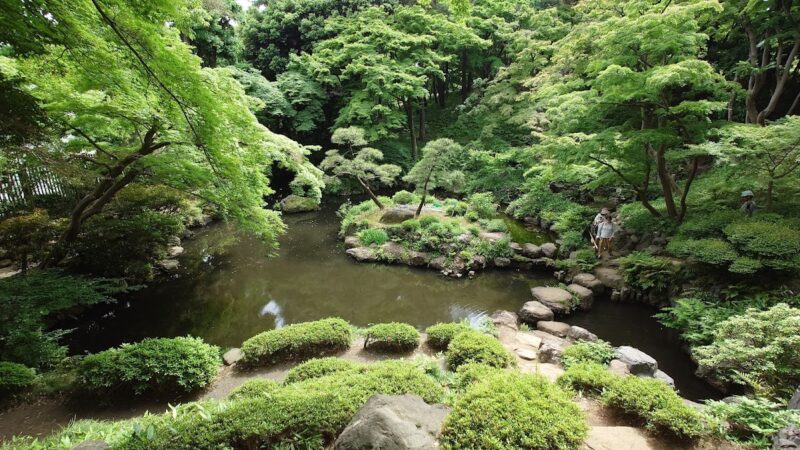
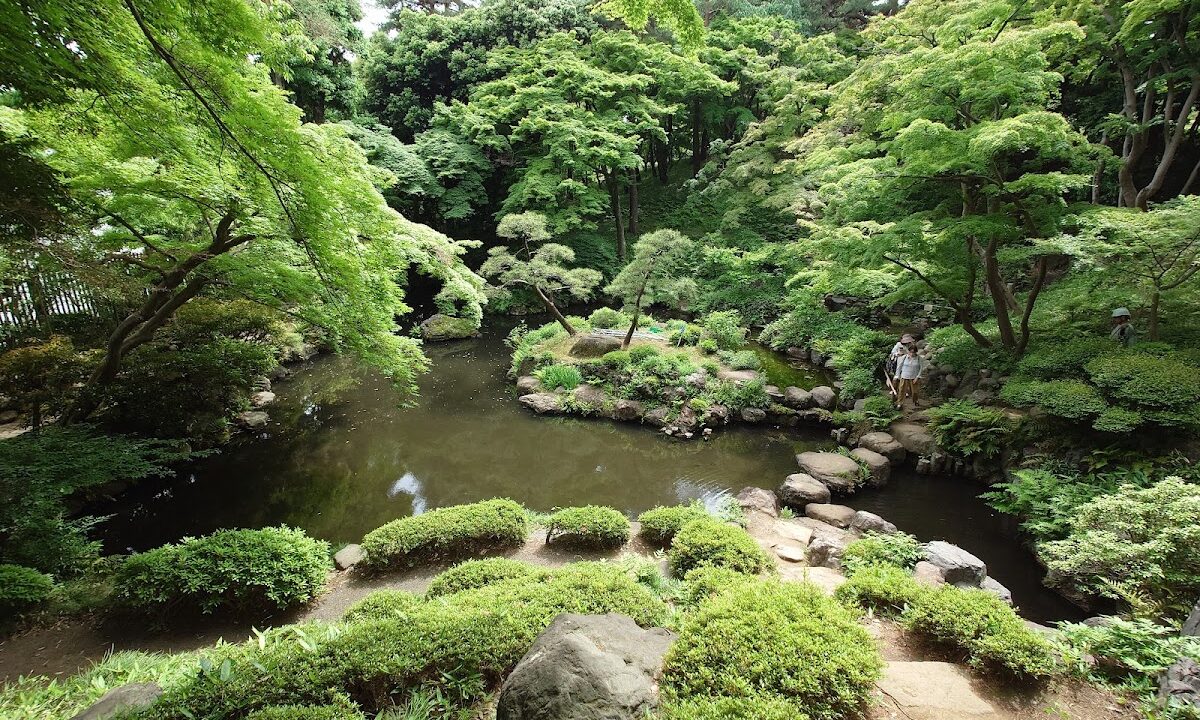
The upper part of the escarpment is characterized by bright, open grassland that creates a pleasant space on sunny days. Meanwhile, the lower part features the “Jiro Benten Pond,” formed by spring water, which is surrounded by trees and has a serene and cool atmosphere. This approximately 10-meter height difference in topography allows visitors to experience two contrasting worlds within a single garden.
Composition as a Strolling Landscape Garden
Tonogayato Garden is designed as a “strolling landscape garden” (kaiyushiki rinsui teien). A strolling garden is a style of Japanese garden where visitors can enjoy various scenery while walking along garden paths. Visitors can savor landscapes that change constantly as they walk through terrain with varied elevation.
The circulation paths within the garden are designed to follow the natural topography, allowing for effortless strolling. Various routes are provided, including stairs descending from the upper cliff to the lower area, paths circling the pond, and small pathways through the bamboo grove. The views from each location differ, and visitors discover something new with each visit.
Beauty of Spring Water and Water Scenery
Spring water from the Kokubunji escarpment is an important element of Tonogayato Garden. The “Jiro Benten Pond” within the garden is formed by this spring water and has been selected as one of Tokyo’s 57 Designated Famous Springs.
The spring water maintains stable water temperatures throughout the year, remaining cool in summer and relatively warm in winter. Thanks to this spring water, the pond is inhabited by fish such as carp, and water-loving plants flourish in the surrounding areas. The sight of trees reflected in the water’s surface and the serene atmosphere created by the sound of water provide a healing space that makes one forget the hustle and bustle of the city.
Must-See Spots at Tonogayato Garden
Momiji Pavilion (Momiji Tei)
The Momiji Pavilion is a sukiya-style tea house located on the upper cliff. This valuable architectural structure retains traces of when the Iwasaki family used it as a branch residence, and beautiful garden views can be enjoyed from inside.
In autumn, the area around the Momiji Pavilion is adorned with maple leaves, making it one of the most popular photography spots in the garden. Sitting on the veranda of the building and gazing at the garden is a luxurious moment where one can feel the elegance unique to Japanese gardens.
Jiro Benten Pond
The Jiro Benten Pond, located at the lower cliff, is the central water feature of Tonogayato Garden. This pond is formed by spring water from the Kokubunji escarpment and has been selected as one of Tokyo’s 57 Designated Famous Springs, maintaining clear water quality.
Various trees are planted around the pond, and they reflect the scenery of each season on the water’s surface. Carp swim in the pond, and waterbirds occasionally visit the water’s edge. A Benten shrine stands on the bank of the pond, quietly watching over the garden.
The garden path circling the pond allows visitors to enjoy the water scenery from various angles. The vividly colored scenery reflected in the water during the season of fresh greenery and the autumn foliage especially enchants visitors.
Bamboo Grove and Mixed Woodland
Tonogayato Garden preserves bamboo groves and mixed woodlands that take advantage of the natural vegetation of Musashino. Walking through the bamboo forest path, visitors can experience the fantastical atmosphere created by the sound of bamboo leaves swaying in the wind and dappled sunlight.
The mixed woodland is home to trees representative of Musashino, such as Japanese white oak, Shirakumatachi, and Japanese hornbeam, preserving the natural ecosystem. Spring brings fresh greenery, and autumn displays yellow and crimson leaves, showing different faces with each season.
Grassland Plaza
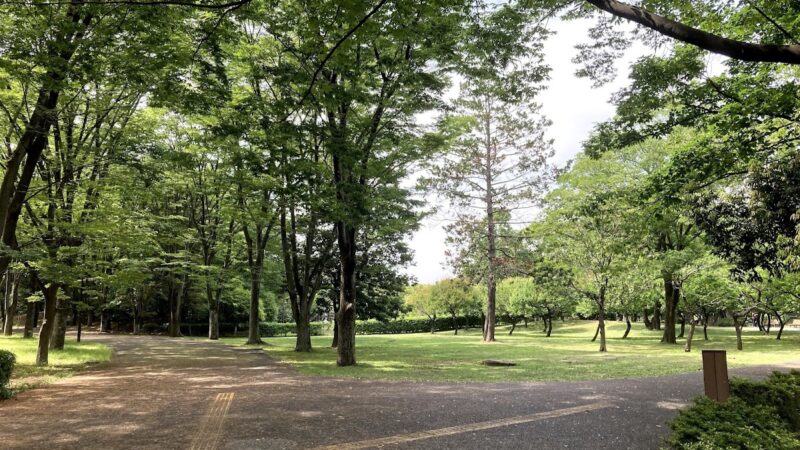
The grassland plaza spread across the upper cliff provides an open and bright space. On fine days, visitors can enjoy a picnic-like atmosphere sitting on the grass (confirmation of food and drink rules is necessary beforehand).
From the grassland plaza, one can look down on the trees below the cliff and experience the three-dimensional structure of the garden. In spring, cherry blossoms; in early summer, azaleas and rhododendrons and other seasonal flowers can be enjoyed.
Flowers and Plants Through the Four Seasons
Spring Highlights (March–May)
Spring at Tonogayato Garden is filled with the vitality of new life. From late March through early April, cherry blossoms bloom throughout the garden. With multiple varieties planted, including Yoshino cherry and mountain cherry, which bloom at slightly different times, visitors can enjoy cherry blossoms for a relatively long period.
From April to May, azaleas and rhododendrons display colorful flowers. Particularly around the grassland plaza on the upper cliff, pink and white azaleas bloom beautifully. Additionally, alpine flowers can be seen in various locations throughout the garden, announcing the arrival of spring.
Early Summer Highlights (June–July)
In June, plants characteristic of the rainy season come into full bloom. Hydrangeas display their colors in various locations throughout the garden, creating a humid atmosphere. Mosses, which thrive in high humidity, also display their beauty, allowing visitors to feel the emotionality unique to Japanese gardens.
In July, water lilies may bloom around the Jiro Benten Pond. The water lily flowers floating on the water’s surface create a cool summer landscape.
Autumn Highlights (October–December)
Tonogayato Garden experiences the greatest number of visitors during the autumn foliage season. From mid-November through early December, maple, ginkgo, and zelkova trees in the garden display vibrant colors.
The maple trees around the Momiji Pavilion are particularly spectacular, and the sight of leaves turned deep red illuminated by sunlight is breathtaking. Around the Jiro Benten Pond at the lower cliff, autumn leaves reflected in the water are also beautiful, and many photography enthusiasts visit.
During the foliage season, opening hours may be extended beyond normal hours, allowing visitors to enjoy the fantastical scenery at dusk. Event information is recommended to be confirmed on the official website.
Winter Highlights (January–February)
Winter at Tonogayato Garden is enveloped in calm silence. After deciduous trees have shed their leaves, the garden’s underlying structure—its topography, stone arrangements, and path layouts—becomes clearly visible, allowing visitors to appreciate the skill of the landscape architects.
From January through February, camellia flowers bloom. The red camellia flowers blooming in winter cold add color to the garden. With good fortune, one might encounter a snow-covered landscape, and the beauty of a snow-blanketed Japanese garden is extraordinary.
Alpine Flowers of Musashino
Tonogayato Garden carefully protects alpine flowers native to the Musashino region. In spring, delicate flowers such as dogtooth violet, false hellebore, and single-flowered anemone bloom. In summer, you can observe lily turf, and in autumn, various wildflowers such as toad lily and gentian can be observed depending on the season.
These alpine flowers are valuable existences that convey the natural environment of ancient Musashino to the present day. Explanatory signs for alpine flowers are also posted throughout the garden, allowing even those unfamiliar with plants to enjoy learning.
Access Information
Access by Train
Access to Tonogayato Garden is very convenient. The nearest station is Kokubunji Station on the JR Chuo Line, Seibu Kokubunji Line, and Seibu Tamagawa Line, just a 2-minute walk from the South Exit.
When using the JR Chuo Line:
- From Shinjuku Station to Kokubunji Station: approximately 25 minutes by express train
- From Tokyo Station to Kokubunji Station: approximately 40 minutes (using Chuo Line express)
When using Seibu Line:
- From Seibu-Shinjuku Station to Kokubunji Station: approximately 45 minutes via Seibu Shinjuku Line and Kokubunji Line
- From Tokorozawa Station to Kokubunji Station: approximately 20 minutes by Seibu Kokubunji Line
Exiting the station and heading straight from the South Exit, the entrance to Tonogayato Garden comes into view. Due to its proximity to the station, it can be visited easily even on rainy days.
Access by Car and Parking
Tonogayato Garden has no dedicated parking lot. Visitors arriving by car must use nearby coin parking. There are multiple paid parking lots around Kokubunji Station, but they may become crowded on holidays, so use of public transportation is recommended.
Access from major roads:
- Approximately 15 minutes from the Kokubunji/Fuchu IC on the Chuo Expressway
- Via Fuchu Street from National Route 20 (Koshu Kaido)
Opening Hours and Closed Days
Regular Opening Hours
- Opening hours: 9:00 AM to 5:00 PM (admission until 4:30 PM)
- Closed days: New Year’s period (December 29 – January 1)
Special Opening and Extended Hours
Opening hours may be extended during certain periods such as the autumn foliage season. Additionally, admission is free on May 4 (Greenery Day) and October 1 (Citizens’ Day of Tokyo). For the latest event information or changes to opening hours, it is recommended to confirm on the official website or by phone.
Admission Fees
Regular Admission
- General: 150 yen
- 65 years old and over: 70 yen
- Elementary school children and younger, and middle school students residing or studying in Tokyo: Free
Group Admission
Group discounts apply when visiting in groups of 20 or more.
- General (group): 120 yen
- 65 years old and over (group): 50 yen
Annual Pass
An annual pass allows unlimited admission for one year.
- General: 600 yen
- 65 years old and over: 280 yen
If you plan to visit five or more times a year, purchasing an annual pass is economical. It is especially recommended for those who wish to enjoy the garden’s appearance changing through the four seasons.
Free Admission Days
- May 4 (Greenery Day)
- October 1 (Citizens’ Day of Tokyo)
- Third Saturday and Sunday of May (International Museum Day)
Admission is free on these days, but crowding is expected, so it is recommended to visit with plenty of time.
Facilities and Services
Service Center
The Tonogayato Garden Service Center within the garden provides various consultations and information about the garden.
Tonogayato Garden Service Center
- Address: 2-16 Minamicho, Kokubunji, Tokyo 185-0021
- Phone: 042-324-7991
- Reception hours: 9:00 AM to 5:00 PM
Visitors can casually consult staff regarding questions about the garden’s history and plants, and event information.
Accessibility Accommodations
Because Tonogayato Garden has topographical height differences, some garden paths have stairs. Those considering visiting with a wheelchair are recommended to consult with the Service Center in advance. Staff will provide guidance regarding accessible routes and facilities.
Restrooms and Rest Facilities
Restrooms are provided throughout the garden and are maintained cleanly. Additionally, benches are placed in multiple locations, allowing visitors to rest during their stroll.
Events and Activities
Various events are held throughout the year at Tonogayato Garden.
Regularly Held Events
- Garden guide: Guided tours of the garden by volunteer guides (primarily held on Saturdays and Sundays)
- Wildflower observation walk: Commentary on alpine flowers in the garden by experts
- Autumn foliage illumination: Held during the autumn foliage season (varies by year)
Seasonal Special Events
Special events such as “Spring Garden Strolls” in spring and “Autumn Foliage Festival” in autumn may be organized. Cultural events such as tea ceremonies and concerts may also be held.
Details about events and schedules can be confirmed on the “News” or “Recommendations” pages of the official website.
Photography and Etiquette
Photography
Personal photography is freely permitted at Tonogayato Garden. Many photography enthusiasts visit to capture the beautiful scenery of each season.
However, if using a tripod or conducting commercial photography, advance permission is necessary. Additionally, consideration must be given not to disturb other visitors.
Garden Etiquette
- Do not pick or damage plants
- Please avoid entering areas outside designated paths
- Pets are not permitted (with the exception of guide dogs and assistance dogs)
- Food and drink are only permitted in designated areas
- Smoking is only allowed in designated smoking areas
- Please take all trash with you
By observing this etiquette, all visitors can comfortably enjoy the garden.
Nearby Tourist Attractions
When visiting Tonogayato Garden, it is recommended to also visit nearby tourist attractions.
Musashi Kokubunji Temple Ruins
Located approximately 5 minutes’ walk from Kokubunji Station, this is the ruins of an ancient Kokubunji Temple from the Nara period. Designated as a National Historic Site, visitors can see the foundation stones and temple layout of that era. It is especially recommended for history enthusiasts.
Otaka Path and Mashizo Pond Spring Water Group
Located approximately 10 minutes’ walk from Tonogayato Garden, this is a scenic walking path featuring spring water and waterways. The name “Otaka Path” is derived from falcon hunting that took place during the Edo period, and the path along the clear stream allows visitors to enjoy nature through all four seasons. Mashizo Pond is one of Tokyo’s 57 Designated Famous Springs and is a mystical place with associated legends.
Kokubunji City Cultural Property Exhibition Room
This facility allows visitors to learn about the history and cultural properties of Kokubunji. Artifacts excavated from Musashi Kokubunji Temple ruins and historical materials from the region are displayed.
Value as a Metropolitan Cultural Property Garden
Tonogayato Garden is one of nine cultural property gardens managed by the Tokyo Metropolitan Government. Other cultural property gardens include Hamarikyu Detached Palace Garden, Former Shiba Detached Palace Garden, Koishikawa Korakuen, Rikugien, Mukojima Hyakkakuen, Kiyosumi Garden, Former Furukawa Garden, and Former Iwasaki Mansion.
Among these gardens, Tonogayato Garden is the only nationally designated scenic beauty in the Tama region, and its distinctive landscape architecture technique utilizing Musashino’s natural topography is a notable characteristic. Its value as a modern garden from the Taisho and early Showa periods, differing from Edo-period daimyo gardens, is also highly appreciated.
Use of Assembly Facilities
Tonogayato Garden has assembly facilities that can be used for cultural activities such as tea ceremonies and haiku meetings. Facilities such as the Momiji Pavilion can be rented for holding tea ceremonies, haiku meetings, and other events.
For those wishing to use these facilities, advance application is necessary. For information about usage fees and application procedures, consult the Service Center or check the “About Using Assembly Facilities” page on the official website.
Conclusion: The Appeal of Tonogayato Garden
Tonogayato Garden is a precious location where visitors can fully savor the nature of Musashino and the beauty of Japanese gardens while being just 25 minutes from central Tokyo and only a 2-minute walk from Kokubunji Station.
The three-dimensional garden composition that takes advantage of the Kokubunji escarpment’s topography, the water scenery created by clear spring water, flowers and autumn foliage of each season, and alpine flowers of Musashino offer endless points of interest. With cherry blossoms in spring, fresh greenery in early summer, autumn foliage, and the silence of winter, the garden displays an entirely different appearance with each season, offering new discoveries with every visit.
The garden also holds high value as a cultural property designated as a National Scenic Beauty, and it is important for studying Japanese landscape architecture techniques. The historical background of being a branch residence of the Iwasaki family of the Mitsubishi zaibatsu is also intriguing, allowing visitors to sense the culture of the Taisho and early Showa periods.
With reasonable admission fees of 150 yen for general visitors, and even more economical access through an annual pass, the garden is accessible to all. Whether you wish to escape from the hustle and bustle of the city for quiet time, appreciate the beauty of Japanese gardens, or feel the nature of the four seasons, please visit Tonogayato Garden.
It is also recommended to spend a day experiencing the history and nature of Musashino by combining sightseeing around Kokubunji Station with a visit to this garden. Please spend a peaceful time at this beautiful garden, which Kokubunji, Tokyo, is proud to offer.