Tsukigata Hanagasa Line Complete Guide | Thoroughly Explained Scenic Driving Route in Yamagata Prefecture
Among the sections of National Route 112 that traverse Yamagata Prefecture, the “Tsukigata Hanagasa Line” is particularly renowned for its beautiful scenery. This route, selected as one of Japan’s 100 Best Roads, is one of the premier driving courses in Tohoku, where you can experience the majestic nature and historical romance of the Dewa Sanzan. In this article, we will comprehensively convey the attractions of the Tsukigata Hanagasa Line.
What is the Tsukigata Hanagasa Line?
The Tsukigata Hanagasa Line is a 30.9 km National Route 112 bypass running from Sunagoseki in Nishikawa Town, Nishi-Murayama District, Yamagata Prefecture to Oami in Tsuruoka City. Its official name is “Tsukigata Road,” but with its opening in 1982 (Showa 57), it was given the affectionate name “Tsukigata Hanagasa Line” based on public nominations from Yamagata residents.
This road revives the “Rokujuuri-goe Kaido,” a pilgrimage route to the Dewa Sanzan (Gassan, Yudono San, and Haguro San), which has been known since ancient times as a mecca for mountain worship. What was once a historic highway bustling with pilgrims from across the nation has been reborn as a scenic driving route that captivates drivers nationwide.
Characteristics of the Tsukigata Hanagasa Line
The major characteristic of the Tsukigata Hanagasa Line lies in its engineering excellence. Within the 30.9 km section, there are 44 bridges and 9 tunnels designed to enable comfortable driving through mountainous terrain. The section beyond the Yamagata Expressway Tsukigata IC is designated as a motor-vehicle-only road and is designed with high safety standards.
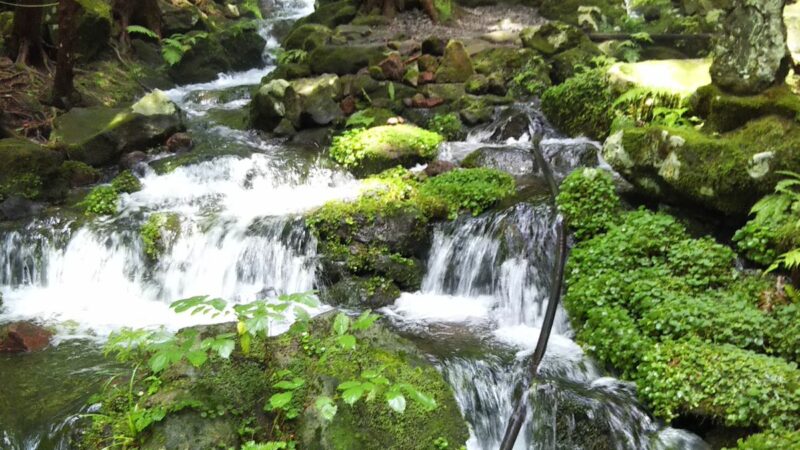
Since it runs through high-altitude mountainous terrain, the landscape is rich in seasonal variations. The route is particularly breathtaking from May to June when the new greenery appears, and from mid-October to early November during the autumn foliage season. From the roadside, you can see the majestic form of the famous mountain Gassan, which displays different expressions depending on the season.
History and Origin of the Tsukigata Hanagasa Line
History of the Rokujuuri-goe Kaido
The region through which the Tsukigata Hanagasa Line passes has been known since the Edo period and earlier as the “Rokujuuri-goe Kaido.” This highway served as a pilgrimage route to the Dewa Sanzan and as an important transportation link connecting the Shonai region with inland areas. It bustled with ascetics and pilgrims from across the nation and played a crucial role in supporting Japan’s mountain worship culture.
The Rokujuuri-goe Kaido, a steep mountain path, was often closed by snow during winter, making passage difficult. However, the power of faith was strong, and many people traveled this route seeking the spiritual benefits of the Dewa Sanzan.
Path to Modernization
Following the Meiji period, as transportation modernization progressed, the necessity for new roads in this region grew. In July 1982, after many years of construction, the Tsukigata Road (Tsukigata Hanagasa Line) opened. This significantly reduced travel time between Yamagata City and Tsuruoka City and greatly contributed to regional economic development.
The affectionate name “Tsukigata Hanagasa Line” combines “Gassan,” a famous peak representing Yamagata, and the “Hanagasa Festival,” a traditional festival of Yamagata, making it a name symbolic of the region’s nature and culture.
Scenic Spots in All Four Seasons
Spring Snowmelt and Fresh Greenery (April to June)
Spring on the Tsukigata Hanagasa Line offers spectacular views of snowmelt. From late April to May, the contrast between lingering snow on Gassan’s slopes and fresh greenery is beautiful, with gradations of white and green captivating visitors. At higher elevations, abundant snow can still be seen in May, allowing you to feel the remnants of winter.
As June arrives, broad-leaved trees such as beech and konara oak turn vibrant green, creating a refreshing tunnel of new foliage. The air is also clear during this period, making it an ideal season for driving.
Summer Highland Drive (July to August)
The Tsukigata Hanagasa Line in summer is cool due to its high elevation and is popular as a summer retreat. Even when lowlands suffer from extreme heat, this area maintains comfortable temperatures, allowing for a refreshing highland drive.
The contrast between mountains covered in deep green and blue sky is beautiful, and high mountain plants visible in places add to summer’s appeal. Near the summit of Gassan, snow patches may still remain during this season, and you can see climbers enjoying summer mountain climbing.
Autumn Foliage Season (Mid-October to Early November)
The busiest time on the Tsukigata Hanagasa Line is the foliage season. Typically peaking from mid-October to early November, rowan, alpine maple, and beech turn various colors.
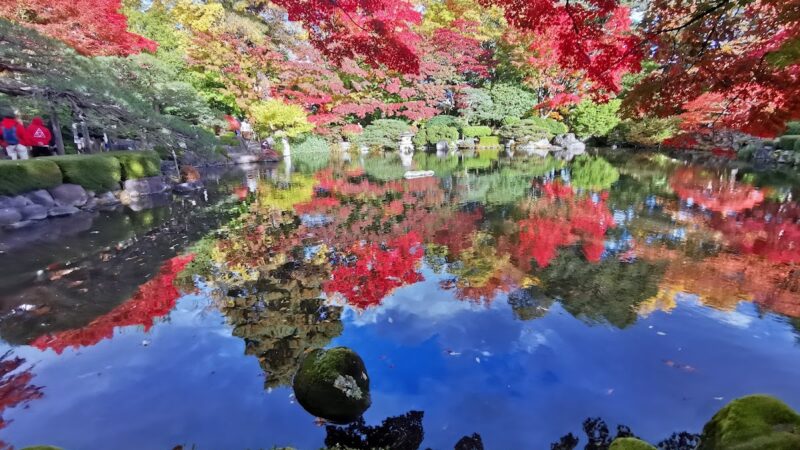
Due to the elevation difference, you can observe how the foliage front gradually descends. Beginning at the mountaintop and gradually spreading to the lower elevations, the process of nature’s artistry is remarkable. The brocade-like landscape of red, yellow, orange, and green mingled together attracts many photographers and drivers. The sight of Gassan from the road, with its foliage-colored slopes, is particularly beautiful on clear days and becomes an excellent photo spot. On weekends, tourists from across the nation visit to enjoy autumn leaf-viewing drives.
Winter Traffic Restrictions
Since the Tsukigata Hanagasa Line passes through mountainous terrain, it closes to traffic due to heavy snow during winter. Typically, it is closed from late November to approximately late April of the following year, though the period varies by year. When planning to drive here, be sure to check the latest road information.
Tsukigata Lake and Tsukigata Lake Grand Fountain
One of the highlights of the Tsukigata Hanagasa Line is “Tsukigata Lake,” a man-made lake created by the Sagae Dam. It is located about 10 minutes by car in the direction of Yamagata from the Yamagata Expressway Tsukigata IC and is visited by many as a rest stop on the drive.
Appeal of the Tsukigata Lake Grand Fountain
The main attraction of Tsukigata Lake is the “Tsukigata Lake Grand Fountain,” which jets water to a height of 112 meters. This number 112 refers to National Route 112, and it is known as one of Japan’s tallest fountains.
The fountain operates from approximately late April to early November each year, with operational status changing depending on weather and water levels. On clear days, the fountain sparkles in sunlight and can even display rainbows, making it an excellent photo spot.
Facilities Around Tsukigata Lake
At the shores of Tsukigata Lake is the “Tsukigata Lake Shop,” where you can enjoy local specialties and light meals. It is a standard stop on the Tsukigata Hanagasa Line drive, where you can relax while viewing the Tsukigata Lake Grand Fountain. The shop sells juice and soft serve ice cream made from Yamagata Prefecture fruit as well as local crafts, making it ideal for souvenir shopping.
Observation platforms have also been built nearby, offering panoramic views of Tsukigata Lake. The landscape formed by the dam lake and surrounding mountains evokes the beauty of harmony between artifice and nature.
Recommended Tourism Spots Around the Tsukigata Hanagasa Line
Dewa Sanzan (Gassan, Yudono San, and Haguro San)
When visiting the Tsukigata Hanagasa Line, be sure to visit the Dewa Sanzan. Revered since ancient times as sacred sites of mountain worship, these mountains each possess distinct attractions.
Gassan is Yamagata Prefecture’s highest mountain at 1,984 meters and is also famous for summer skiing. The summit houses the Gassan Shrine Hongu, visited by many climbers and pilgrims. It is also known as a treasure trove of alpine plants, with colorful flowers blooming in summer.
Yudono San is a mysterious mountain of which it is said “speak not and listen not.” Its Yudono San Shrine Hongu is a forbidden zone where photography is prohibited. Accessed from the Tsukigata Hanagasa Line via the Yudono San Road (toll road), the shrine requires visitors to remove their shoes, providing a unique worshipping experience.
Haguro San features a National Treasure five-story pagoda, and its approach path lined with cedar trees is enveloped in a solemn atmosphere. The climb of 2,446 stone steps is popular as spiritual training.
Tourism Spots in Nishikawa Town
Nishikawa Town, through which the Tsukigata Hanagasa Line passes, has charming tourism spots scattered throughout.
Tsukigata Shizu Hot Spring is a hot spring town that flourished as a gateway to Dewa Sanzan climbing. Its appeal lies in its quiet mountain setting. The spring water is a sulfate hot spring, ideal for soothing fatigue from climbing and driving. In winter, an event called “Yuki-Jirigoya no Akari” (Snow Lodge Lights) is held, with snow lanterns creating a fantastical atmosphere.
Oizawa Nature Museum offers opportunities to learn about Gassan’s nature and regional history. Its display of taxidermy and specimens is comprehensive, allowing deep understanding of Gassan’s ecosystem.
Mizusawa Hot Spring Hall is a day-use hot spring facility beloved by locals. Its convenient location near the drive is also appealing.
Attractions on the Tsuruoka City Side
On the Tsuruoka City side of the Tsukigata Hanagasa Line, history and culture remain prevalent.
Chuuren Temple is an ancient temple known for housing self-mummified monks. The Shichigosan Kakizakura cherry tree in the temple grounds is over 200 years old and blooms magnificently in spring.
Oami District retains vestiges of its former post-town days, offering opportunities for historical exploration. It is a precious area where you can experience local traditional culture.
Rest Inn Hanagasa
A popular rest stop on the Tsukigata Hanagasa Line drive is “Rest Inn Hanagasa.” Located along National Route 112, it is beloved as a haven for drivers.
A rest inn is a facility combining restaurant and information services, offering not just meals but also regional tourism information. Rest Inn Hanagasa serves Yamagata Prefecture’s local cuisine and dishes using local ingredients, allowing you to enjoy Yamagata’s flavors during your drive.
Particularly popular are Yamagata specialties such as “Imoni” (taro stew) and “Ita-Soba” (bamboo-board noodles). The menu changes by season, featuring dishes made with seasonal ingredients. The facility also offers a good selection of desserts and drinks made from locally-sourced fruit, relieving drive fatigue.
The facility includes a souvenir shop where you can purchase specialties from Nishikawa Town and the Gassan area. Items such as bamboo shoots from Gassan, wild grape juice, and local sake offer products unique to the region.
Access Information for the Tsukigata Hanagasa Line
Car Access
From Yamagata City:
- Directly connected to National Route 112 from “Tsukigata IC” on the Yamagata Expressway
- Approximately 40 minutes from Yamagata City center to Tsukigata IC
- Enter the Tsukigata Hanagasa Line from Tsukigata IC
From Tsuruoka City:
- Take National Route 112 toward inland
- Approximately 40 minutes from Tsuruoka City center to the Tsukigata Hanagasa Line entrance
From Sendai:
- Via Yamagata Expressway to Tsukigata IC, approximately 2 hours
Public Transportation Access
The Tsukigata Hanagasa Line, running through mountainous terrain, has limited public transportation access.
- Buses operate from JR Yamagata Station to Nishikawa Town (few services)
- Temporary buses may operate during tourist seasons
- For details, contact Yamagata Transportation or Nishikawa Town Tourism Association
Renting a car is most convenient, with several rental companies around Yamagata and Tsuruoka stations.
Notes on Traffic
- Winter Closure: Typically closed from late November to late April (varies by year)
- Motor-Vehicle-Only Road Section: Beyond Tsukigata IC is motor-vehicle-only, so mopeds and bicycles cannot pass
- Gas Stations: Few gas stations along the route; fill up in advance
- Mobile Phone Signal: Weak signal in some sections
- Weather Conditions: Fog frequently occurs; drive carefully in poor visibility
- Wildlife: Wild animals such as Japanese serows and bears may appear
Gourmet Information Around the Tsukigata Hanagasa Line
Yamagata Local Cuisine
Around the Tsukigata Hanagasa Line, you can enjoy Yamagata Prefecture’s unique local dishes.
Imoni is Yamagata’s representative local dish, consisting of taro, beef, konnyaku, scallion, and other ingredients simmered in a soy-based broth. The seasoning differs between inland and Shonai regions, making comparison enjoyable.
Ita-Soba is a traditional Yamagata method of eating soba noodles, with noodles served on a rectangular wooden board and eaten with cold dipping sauce. Several excellent soba restaurants are scattered around Nishikawa Town, making them ideal stops during the drive.
Gassan Bamboo Shoots are a specialty of Nishikawa Town, harvested from late May to June following snowmelt. Characterized by minimal bitterness and tenderness, they are so fresh they can be eaten raw. If visiting during this period, definitely try them.
Recommended Restaurants
Michi-no-Eki Nishikawa serves dishes using local ingredients, with menus featuring Tsukigata pork and local vegetables being popular.
Tsukigata Shizu Hot Spring Inns offer day-trip lunch plans where you can enjoy mountain vegetable cuisine and river fish dishes rich in mountain delicacies.
The Tsuruoka City side offers ocean delicacies of the Shonai region. Dishes using fresh seafood caught in the Japan Sea are exceptional.
Accommodations Around the Tsukigata Hanagasa Line
Hot Spring Inns
Tsukigata Shizu Hot Spring has several charming hot spring inns. Inns such as “Tsutaya” and “Hennyakuzu-no-Yu Tsutaya” offer source spring water baths and cuisine featuring mountain delicacies.
Yudono San Hot Spring is also nearby, allowing you to enjoy hot springs in a mystical atmosphere.
Hotels and Minshuku (Guesthouses)
Nishikawa Town and Tsuruoka City have affordable minshuku and business hotels. Many use these as bases for climbing and skiing, with their homey atmosphere being appealing.
Campgrounds
Several campgrounds open in summer around Gassan. Camping in nature offers an experience impossible to find in urban areas.
Tips for Driving the Tsukigata Hanagasa Line
Best Time to Visit
The Tsukigata Hanagasa Line is most enjoyable from May to June during fresh greenery and from mid-October to early November during autumn foliage. The autumn foliage season is particularly crowded, but its beauty is exceptional.
July to August summers are cool and comfortable, ideal for a refreshing drive. However, the Obon holiday period may be congested.
Travel Time and Trip Planning
Simply passing through the Tsukigata Hanagasa Line (30.9 km) takes about 40 minutes, but allowing 1 to 1.5 hours for leisurely scenery viewing is recommended.
Including rest stops at Tsukigata Lake and photo opportunities, with visits to surrounding attractions, a half-day to full-day itinerary is suggested. Including visits to Dewa Sanzan, a two-day, one-night schedule is ideal.
Photography Spots
Several viewpoints and parking areas line the Tsukigata Hanagasa Line.
- Tsukigata Lake Area: Grand fountain and lake scenery
- Near Tunnel Exits: Locations with open Gassan views
- Throughout Foliage Season: Foliage scenery before curves
Park in safe locations for photography. Never photograph while driving, as it is dangerous; always stop first.
Events on the Tsukigata Hanagasa Line in All Seasons
Spring Events
Gassan Opening Festival (early July) is a traditional event marking the beginning of the summer climbing season. Religious rituals are held at Gassan Shrine Hongu, praying for climbing safety.
Summer Events
Nishikawa Town Mizusawa District Summer Festival offers traditional dances and fireworks, providing a good opportunity to experience local culture.
Autumn Events
Tsukigata Shizu Hot Spring Soba Festival features new-harvest soba. Freshly-made soba using locally-grown flour is exquisite.
Winter Events
Yuki-Jirigoya no Akari (February) is a fantastical event held at Tsukigata Shizu Hot Spring. Snow lanterns are lit, creating a beautiful snowy landscape unique to the snow country. Though the Tsukigata Hanagasa Line is closed in winter, the hot spring area is accessible via alternate routes.
Basic Information on the Tsukigata Hanagasa Line
Official Name: Tsukigata Road (National Route 112 Bypass)
Affectionate Name: Tsukigata Hanagasa Line
Total Length: 30.9 km
Section: From Sunagoseki, Nishikawa Town, Nishi-Murayama District to Oami, Tsuruoka City
Opening: July 1982 (Showa 57)
Bridges: 44 locations
Tunnels: 9 locations
Designation: Japan’s 100 Best Roads
Toll: Free
Speed Limits: 50 km/h on general road sections, 60-70 km/h on motor-vehicle-only sections
Winter Closure: Approximately late November to late April (varies by year)
Inquiries:
- Nishikawa Town Tourism Association: 0237-74-4119
- Tsuruoka City Tourism Federation: 0235-25-7678
- Yamagata Prefecture Road Information (winter closure information, etc.): 023-634-2656
Conclusion
The Tsukigata Hanagasa Line is a scenic driving route that Yamagata Prefecture proudly offers. This beautiful road, selected as one of Japan’s 100 Best Roads, continues to captivate visitors with its changing seasonal expressions.
What was once a path to the Dewa Sanzan, revered since ancient times as a sacred mountain worship site, has become a popular destination attracting drivers nationwide. Fresh green brilliance, cool summer breezes, autumn foliage brocade, and winters locked in snow. This route, with distinct appeal each season, offers new discoveries with every visit.
Tsukigata Lake Grand Fountain, the mystique of Dewa Sanzan, Nishikawa Town’s hot springs, and Yamagata’s delicious local cuisine—the Tsukigata Hanagasa Line and its surroundings contain Tohoku’s nature and culture in concentrated form.
Please visit this wonderful driving route at least once to fully experience Yamagata Prefecture’s attractions. The landscape woven by majestic nature and historical romance will surely become an unforgettable memory.
Enjoy the Tsukigata Hanagasa Line journey with safe driving.