Mahoroba Ancient Village Historic Park, Yamagata Prefecture | Complete Guide to Historic Exploration Woven by Jomon Ruins and Three-Story Pagoda
“Mahoroba Ancient Village Historic Park,” located in Takahata Town, Higashine District, Yamagata Prefecture, is a representative tourist destination of the Okitama region where ancient history spanning the Jomon period and nature harmoniously coexist. With the beautiful three-story pagoda of Akutsu Hachiman Shrine as its symbol, numerous ruins, reconstructed dwellings, and seasonal flowers enchant visitors.
What is Mahoroba Ancient Village Historic Park?
“Mahoroba” is an ancient word meaning “a wonderful place” or “a livable land.” Takahata Town is known as “Mahoroba no Sato Takahata,” a rich land where indigenous people lived since the Jomon period.
The historic park spreads along National Route 113 where the Yashiro River flows, recreating the historical landscape centered on Jomon-period ruins excavated in this region. Various facilities such as the Yamagata Prefectural Ukitamu Fudoki no Oka Archaeological Museum, Akutsu Hachiman Shrine, reconstructed dwellings, and ancient burial mounds are scattered throughout the park, making it a precious area where visitors can experience the flow of history from ancient to modern times.
Historical Background of Takahata Town and “Ukitamu”
The area around Takahata Town has long been called “Ukitamu” and is known as one of the densest concentrations of archaeological sites in the Tohoku region. Numerous sites from the Jomon to Kofun periods have been excavated, including the Oshidashi Ruins, Hinata Cave, Kitame Kofun Group, Hayama Kofun, Genfukuji Kofun Group, Kamoyama Cave Kofun, Akutsu Kofun Group, Misone Kofun Group, and Toriicho Kofun Group.
Archaeological materials such as pottery and stone tools excavated from these ruins tell of the high level of living standards and culture of the people of that time, playing an extremely important role in clarifying ancient history of the Tohoku region.
Main Attractions of the Historic Park
Akutsu Hachiman Shrine and Three-Story Pagoda
The three-story pagoda of Akutsu Hachiman Shrine stands out as the overwhelming symbol of the historic park. This beautiful three-story pagoda is cherished as a landmark of Takahata Town, and its appearance in harmony with surrounding natural scenery enchants many photography enthusiasts.
The three-story pagoda is a valuable architectural structure built in the Edo period, and its graceful appearance shows a different face with each season. Spring brings cherry blossoms and mustard flowers, summer sunflowers, autumn crimson leaves, and winter snow scenery—the seasonal collaborations are popular as “Instagram-worthy” photo spots.
Yamagata Prefectural Ukitamu Fudoki no Oka Archaeological Museum
As the central facility of the historic park, this specialized museum displays archaeological materials from the Jomon to Kofun periods. Through precious excavated items such as pottery, stone tools, and ornaments discovered in the region, visitors can learn about the lives and culture of ancient people.
In addition to permanent exhibitions, the museum regularly holds special exhibitions where visitors can learn about the latest excavation results and research findings. With abundant explanatory panels and video materials, the museum is designed so that even those unfamiliar with history can enjoy learning.
Hours: 9:00 AM – 4:30 PM
Closed: Mondays (or the following day if Monday is a holiday), year-end and New Year holidays
Admission: General ¥100, Students ¥50, Elementary and junior high school students free
Reconstructed Dwellings and Jomon Landscape
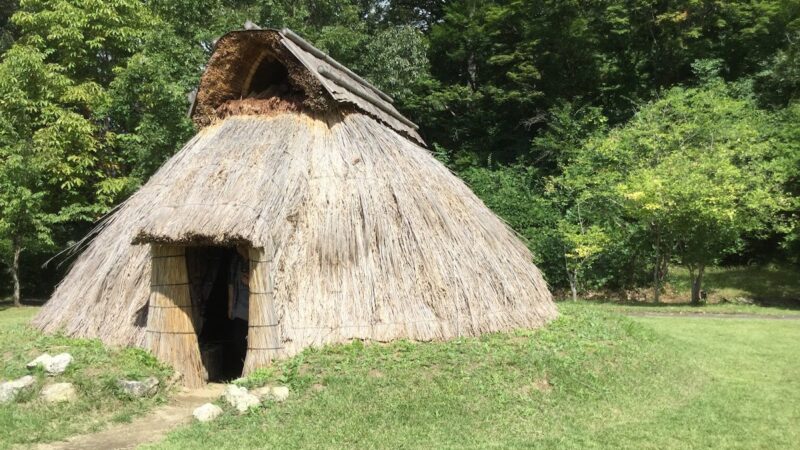
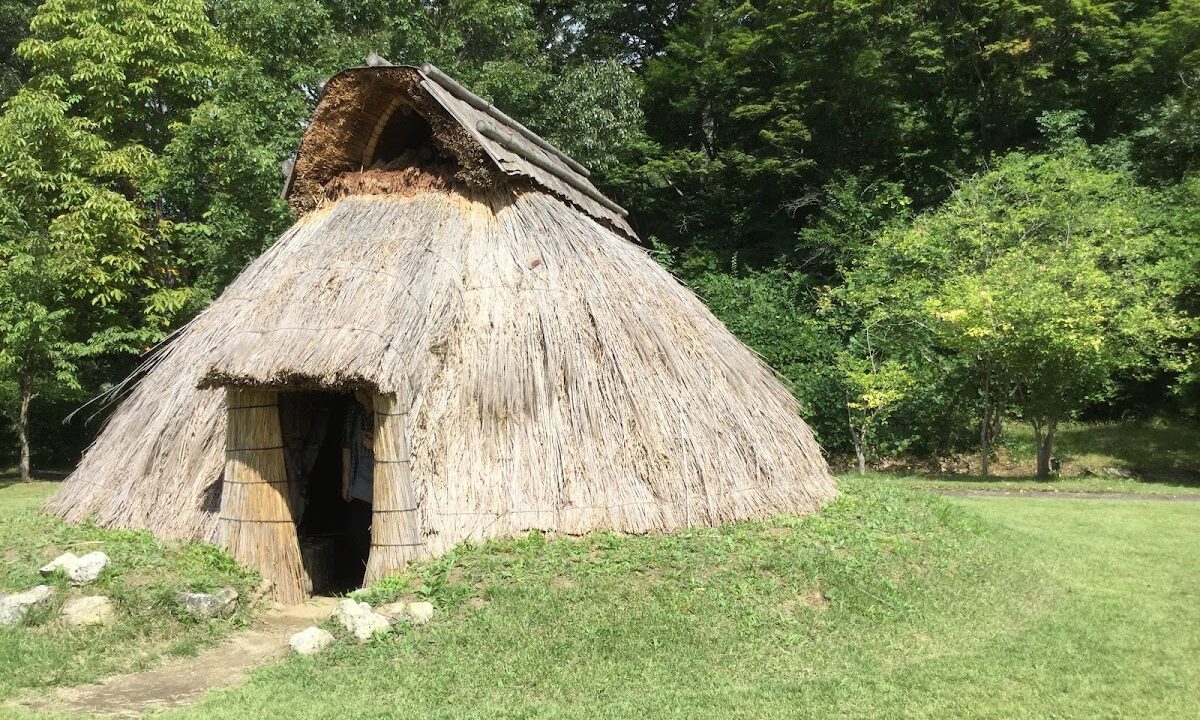
Within the park are reconstructed pit dwellings from the Jomon period, allowing visitors to see and experience the living spaces of that era. These reconstructed dwellings are faithfully reproduced based on excavation research findings, making it possible to vividly imagine the environment in which ancient people lived.
Around the dwellings spreads an area recreating the Jomon landscape, allowing visitors to stroll while considering the vegetation and terrain of that time. Walking slowly while feeling the breeze of history creates a mysterious experience as if traveling back in time thousands of years.
Ancient Burial Mounds
Multiple kofun (ancient burial mounds) are scattered around the park, allowing visitors to feel the history of the Kofun period firsthand. These mounds are important archaeological sites in the study of Kofun culture in the Tohoku region and provide clues to understanding the power structures and burial rituals of that time.
By observing the shape, scale, and arrangement of the kofun, visitors can deepen their understanding of ancient society’s hierarchical structure and inter-regional exchange.
Four-Season Charm and Best Viewing Times
Spring (March – May)
Spring in the historic park is a gorgeous season when cherry blossoms and mustard flowers bloom in full force. The collaboration of the three-story pagoda and cherry blossoms creates a spectacular view, attracting many tourists. From late April to early May, a field of mustard flowers spreads across the landscape like a yellow carpet.
During the Golden Week period, flying carp windsocks add accents to the scenery, making it a popular spot for families. Visitors can enjoy the luxury of both historic exploration and flower viewing in the refreshing spring breeze.
Summer (June – August)
In summer, sunflowers bloom against the backdrop of the three-story pagoda. The contrast between the blue sky, yellow sunflowers, and historic structures is ideal for photography. The lush green rice paddy landscape spreads, and the gentle babbling of the Yashiro River makes for a pleasant walk.
The grassy areas within the park offer opportunities to enjoy barbecues and imoni (a local hotpot), where locals also gather to relax.
Autumn (September – November)
Autumn is the season when the historic park shines most beautifully. From mid-October to early November, the crimson leaves around the three-story pagoda reach their peak, with red and yellow foliage adding vibrant color to the historical landscape.
The collaboration of the three-story pagoda and autumn leaves is known as one of Yamagata Prefecture’s finest autumn foliage spots, attracting tourists from in and out of the prefecture. The sight of the illuminated crimson leaves and pagoda at dusk is especially spectacular.
In recent years, a lighting-up event is also held in mid-September, allowing visitors to enjoy a fantastic nighttime landscape (planned for September 13-14, 4:30 PM – 8:30 PM in 2025).
Winter (December – February)
Winter brings silence to the historic park, and the snow-covered three-story pagoda emanates a solemn atmosphere. The pagoda standing in the snowy landscape possesses an ink-wash painting-like beauty, allowing visitors to feel the unique charm of winter.
With fewer visitors, a peaceful time flows where one can slowly contemplate history while strolling.
Experience Facility “Sozouno no Mura” (Creation Hall)
Within the park is an experience facility “Sozouno no Mura” where pottery classes are held irregularly. In pottery experience workshops modeled after Jomon pottery, visitors can learn ancient techniques while creating original works.
Rather than just studying history, actually working with one’s hands to experience ancient techniques allows for deeper historical understanding. For information on dates and how to apply, it is recommended to contact the Takahata Town Tourism Association or town office in advance.
Access Information
Location
Address: Akutsu, Takahata Town, Higashine District, Yamagata Prefecture
By Car
- About 10 minutes from “Takahata IC” on the Tohoku Central Expressway
- Located along National Route 113 with clear directional signs
- Free parking available (approximately 50 regular vehicles)
By Public Transportation
- About 10 minutes by taxi from “Takahata Station” on the JR Ou Main Line
- Rental bicycles available from Takahata Station (approximately 4 km, about 20 minutes)
Combination with Nearby Tourist Spots
The historic park is located on the Okitama region’s tourism route and is popular when combined with tourist plans that include Uesugi Shrine and Yonezawa Castle Ruins in Yonezawa City, Akayū Hot Spring in Nanyo City, and other nearby attractions. Additionally, Takahata Town, known as “Mahoroba no Sato,” has many wineries and orchards, and combining visits with seasonal fruit picking is also recommended.
Usage Information
Opening Hours and Admission
- Park: Open year-round (free to explore)
- Admission: Free
- Parking: Free
Precautions When Using Facilities
- Barbecues and imoni are only permitted in designated areas
- Please take all trash with you when leaving
- If bringing pets, leashes are mandatory
- Entry to ruins and reconstructed dwellings is limited to designated areas
- Akutsu Hachiman Shrine, where the three-story pagoda stands, is a sacred place; please observe proper etiquette when visiting
Nearby Accommodations
Accommodation in Takahata Town
Takahata Town has various types of accommodations including hot spring inns, private lodges, and business hotels. Hot spring inns such as “Taiyokan” offer dishes made with local ingredients and onsen experiences.
Hotels in Yonezawa and Nanyo Areas
More accommodations are concentrated in Yonezawa City and Nanyo City, located 20-30 minutes away by car. Inns where you can enjoy Yonezawa beef and traditional inns in Akayū Hot Spring offer unique accommodation experiences characteristic of the Okitama region.
Takahata Town Specialties and Cuisine
Blessings of Mahoroba no Sato
Takahata Town, known as “Mahoroba no Sato,” takes pride in agricultural products nourished by rich nature. Grape, apple, and La France pear cultivation is particularly thriving, with multiple wineries in town.
Local Cuisine
- Takahata Wine: Local wine produced by town wineries
- Yonezawa Beef: The representative brand beef of the Okitama region
- Imoni: Local Yamagata cuisine and an autumn tradition
- Hiyashi Ramen: Summer staple originating in Yamagata Prefecture
Event Information
Major Annual Events
- Spring: Cherry blossom festival, mustard flower festival
- Summer: Sunflower festival
- Autumn: Autumn foliage lighting-up event (mid-September)
- Winter: Snow lantern festival (held in some years)
For detailed event information and latest updates, please check the Takahata Town Tourism Association’s official website.
Model Courses to Maximize Enjoyment of the Historic Park
Half-Day Course (approximately 3 hours)
- Parking Lot Arrival (9:00 AM)
- Yamagata Prefectural Ukitamu Fudoki no Oka Archaeological Museum Visit (9:00 – 10:00 AM)
- Reconstructed Dwellings and Ancient Burial Mounds Exploration (10:00 – 11:00 AM)
- Akutsu Hachiman Shrine Visit and Three-Story Pagoda Viewing (11:00 – 11:30 AM)
- Park Exploration and Photography (11:30 AM – 12:00 PM)
Full-Day Course (approximately 6 hours)
Implement the above half-day course in the morning, then proceed as follows after lunch.
- Lunch (12:00 – 1:00 PM) – Picnic in the park or dining at nearby establishments
- Pottery Experience at Sozouno no Mura (1:00 – 3:00 PM) *Advance reservation required
- Seasonal Flower Field Exploration (3:00 – 4:00 PM)
- Visit Nearby Tourist Spots (4:00 – 5:00 PM) – Wineries and farm stands, etc.
Photography Spots and Instagram-Worthy Points
Spectacular Photography Points
- Three-Story Pagoda and Seasonal Flowers Collaboration: Different expressions captured in mustard flower, sunflower, and crimson leaf seasons respectively
- Reconstructed Dwellings and Rice Paddy Landscape: Composition evoking a Jomon atmosphere
- View from Burial Mounds: Scenery overlooking the entire park from elevated areas
- Yashiro River and Three-Story Pagoda: The pagoda’s reflection on the river
- Three-Story Pagoda at Dusk: Fantastical scenes illuminated by sunset
Best Photography Times
- Early Morning: Mysterious landscape enveloped in morning mist
- Morning: Bright and vivid photography in favorable lighting
- Evening: Magical hour’s fantastical light
- During Lighting-Up Events: Special nighttime atmosphere
Value as Historical Learning
Educational Significance
Mahoroba Ancient Village Historic Park is not merely a tourist attraction but also a precious place for learning the ancient history of the Tohoku region. It is utilized for school field trips and as a research site for historical scholars, where direct experience with actual ruins and excavated materials provides living historical knowledge unobtainable from textbooks.
Understanding Jomon Culture
The Jomon period lasted over 10,000 years, marking an important era showing the beginning of sedentary life in the Japanese archipelago. Ruins excavated in Takahata Town reveal that people of that time possessed advanced pottery-making techniques and hunting-gathering skills.
Through experiences at the historic park, visitors can deepen their understanding of Jomon people’s wisdom and ingenuity, and their lifestyle of coexistence with nature.
Connection with Surrounding Areas
Historic Tourism Network of Okitama Region
Beyond Mahoroba Ancient Village Historic Park, numerous other historic sites dot the Okitama region. Historic tours visiting Uesugi clan-related ruins in Yonezawa City, ancient burial mounds in Nanyo City, and prehistoric ruins in Shirataka Town offer valuable opportunities to systematically learn history from ancient through medieval to early modern Tohoku.
Comparison with Other Historic Parks in Yamagata Prefecture
While other historic parks exist in Yamagata Prefecture, Mahoroba Ancient Village Historic Park’s distinctive feature is the concentration of ruins from the Jomon through Kofun periods and its possession of a beautiful three-story pagoda as a symbol. The landscape where ancient ruins, natural scenery, and historic structures are unified creates a unique charm found nowhere else.
Conclusion
Mahoroba Ancient Village Historic Park is a wonderful tourist destination of Yamagata Prefecture’s Takahata Town where history and nature harmoniously coexist. Visitors can feel the eternal history spanning the Jomon period while enjoying beautiful seasonal landscapes.
With the three-story pagoda of Akutsu Hachiman Shrine as its symbol, learning at the Ukitamu Fudoki no Oka Archaeological Museum, viewing reconstructed dwellings and ancient burial mounds, and encounters with seasonal flowers—there are new discoveries with each visit to this enchanting place.
A historic park enjoyable for various purposes and visitors—family picnics, history enthusiasts’ explorations, photography lovers’ photo sessions, and educational settings. When visiting the Okitama region of Yamagata Prefecture, please experience the charm of “Mahoroba” continuing from ancient to modern times at Mahoroba Ancient Village Historic Park.
Frequently Asked Questions (Q&A)
Q: How much is admission to Mahoroba Ancient Village Historic Park?
A: Park entry itself is free. However, admission to the Yamagata Prefectural Ukitamu Fudoki no Oka Archaeological Museum requires a fee—¥100 for general admission, ¥50 for students, and free for elementary and junior high school students.
Q: Is parking available?
A: Yes, free parking is provided with capacity for approximately 50 regular vehicles. Large bus arrivals are also possible but advance notice is recommended.
Q: Is barbecuing or imoni permitted?
A: Barbecues and imoni can be enjoyed in designated park areas. However, all trash must be taken with you, and fire must be handled with utmost care. It is recommended to confirm usage procedures with Takahata Town Office or the Tourism Association in advance.
Q: Is pet accompaniment allowed?
A: Pets may enter the park but must wear leashes and not disturb other visitors. Pet entry into the museum is prohibited.
Q: When is the best time to see autumn foliage?
A: Peak foliage typically occurs from mid-October to early November. The crimson leaves around the three-story pagoda are especially beautiful, attracting many tourists. Weather can affect foliage timing, so checking the latest information before visiting is recommended.
Q: Can the park be enjoyed on rainy days?
A: Visits to the Ukitamu Fudoki no Oka Archaeological Museum are possible on rainy days. However, park ground conditions worsen, so appropriate clothing and footwear are necessary. The rain-shrouded three-story pagoda also possesses its own charm.
Q: Where is the nearest hot spring facility?
A: A public bath hot spring facility in Takahata Town is about 15 minutes away by car. Akayū Hot Spring in Nanyo City is approximately 20 minutes away. Relaxing in an onsen after exploring the historic park is recommended.
Q: Is the park open in winter?
A: The park itself is open year-round, but the Yamagata Prefectural Ukitamu Fudoki no Oka Archaeological Museum is closed on Mondays (and year-end and New Year holidays) during winter (December–March). During snowfall, care should be taken with footing.