Usuzenji Temple, Date City, Hokkaido | Complete Guide to the History of the Three Ezo Official Temples and Seasonal Flowers
Usuzenji Temple (Usu Zenkoji), located in Usu Town, Date City, Hokkaido, is believed to have been founded in 826 and is the oldest temple in Ezo. As one of the “Three Ezo Official Temples” established by the Edo shogunate in 1804 (Bunka 1), it is an indispensable cultural property in understanding Hokkaido’s history, and is also widely known as the “Temple of Flowers” where colorful blossoms bloom throughout the four seasons.
This article comprehensively covers everything you should know before visiting Usuzenji Temple, from its historical background and highlights within the temple grounds to the seasonal flowers and access information.
History and Origins of Usuzenji Temple
Establishment as the Oldest Temple in Ezo
Usuzenji Temple is said to have been founded in 826 (Tenjō 3) when Jikaku Daishi Ennin, a high priest of Enryakuji Temple on Mount Hiei, visited the region during his tour of northeastern Japan and enshrined the principal image of Amitabha Buddha here. This established Usuzenji Temple as the oldest temple in Ezo (present-day Hokkaido).
Originally a small hermitage, it also functioned as a place of exchange with the Ainu people and developed as a center of Buddhist culture in Hokkaido.
Role as One of the Three Ezo Official Temples
In 1804 (Bunka 1) during the late Edo period, on the orders of the 11th Shogun Tokugawa Ienari, Usuzenji Temple was revived as one of the “Three Ezo Official Temples.” The Three Ezo Official Temples refer to three temples specially protected by the shogunate for the governance and development of Ezo, as well as for the conversion of the Ainu people.
Besides Usuzenji Temple, Tōjuji Temple in Samani Town and Kokutaiji Temple in Akkeshi Town were included in this designation, and all have played important roles in Hokkaido’s history. With the shogunate’s support, the main hall and guest quarters were constructed, and the temple took on the appearance of a proper religious institution.
National Historic Site and Important Cultural Property Designation
In 1974 (Showa 49), the grounds of Usuzenji Temple were designated as a national historic site under the name “Zenkoji Temple Ruins.” This was due to its valuation as a precious archaeological site that conveys the architectural style of Edo period temples.
Furthermore, in 2005 (Heisei 17), 62 items including documents and Buddhist implements stored in the Zenkoji Treasure Museum were designated as Important Cultural Properties of Japan. These include standing statues of Shakyamuni Buddha, Enku Buddha sculptures, and ancient documents—precious items that tell the story of Hokkaido’s Buddhist history.
Highlights of the Temple Grounds
Main Hall with Thatched Roof
The main hall of Usuzenji Temple features a thatched roof, a rare architectural style in Hokkaido. It strongly retains the characteristics of Edo period temple architecture, and its sturdy, serene appearance captivates visitors.
The principal image of Amitabha Buddha is enshrined in the main hall, where visitors can pay their respects in a quiet space. The thatched roof requires regular maintenance, and its beauty is preserved through upkeep using traditional techniques.
Zenkoji Treasure Museum
The Zenkoji Treasure Museum is located within the temple grounds and displays and stores precious cultural properties including nationally designated Important Cultural Properties. The museum operates by reservation only and advance contact is necessary.
Opening Information:
- Hours: 9:00–17:00
- Admission: Adults ¥500, High school students and below ¥400
- Reservations: 0142-38-2007 (Usuzenji Temple)
At the treasure museum, you can view valuable materials up close, including standing statues of Shakyamuni Buddha, Enku Buddha sculptures, and ancient documents from the Edo period, which are precious for understanding Hokkaido’s Buddhist culture.
Bell Tower and Temple Bell
The temple grounds feature an imposing bell tower with a historic temple bell. This bell is used for the New Year’s Eve bell-ringing ceremony and is cherished by local residents. The area around the bell tower has a quiet, peaceful atmosphere and is one of the notable sights during a walk through the grounds.
Large Ginkgo Tree
Within the temple grounds stands a large ginkgo tree said to be several hundred years old, offering spectacular autumn coloring. This ginkgo is cherished as one of Usuzenji Temple’s symbol trees and attracts many tourists, particularly during the fall foliage season.
Seasonal Flowers – The Charm of the “Temple of Flowers”
Usuzenji Temple is widely known throughout Hokkaido and beyond as the “Temple of Flowers.” Various flowering trees are planted throughout the grounds, and visitors can enjoy different scenery depending on the season of their visit.
Spring: Cherry Blossoms and Azaleas
Usuzenji Temple enters a vibrant season with the blooming of cherry blossoms in spring. Hokkaido’s cherry blossoms bloom later than those in mainland Japan, typically reaching peak bloom from late April to early May. The sight of cherry trees throughout the grounds blooming all at once is spectacular.
Following the cherry blossoms, azaleas bloom from mid-May, adorning the grounds with colors ranging from red and pink to white, creating a brilliant display at the end of spring.
Early Summer: Peonies
From late May through June, peony blossoms reach their peak. Known as the “King of Flowers,” the large blooms of peonies lavishly color the grounds, drawing many flower enthusiasts.
Summer: Hydrangeas
Among the temple’s renowned floral attractions, the summer hydrangeas are particularly famous. Over 1,000 hydrangea plants are cultivated throughout the grounds, reaching peak bloom from mid-July through early August.
The variety of hydrangea species is impressive, with flowers in blue, purple, pink, white, and more colors covering the grounds. Known as one of Hokkaido’s premier hydrangea viewing spots, this period draws many tourists.
Tips for Viewing Hydrangeas:
- Peak season: Mid-July to early August
- Number of plants: Over 1,000
- Varieties: Lacecap hydrangeas, bigleaf hydrangeas, mountain hydrangeas, and more
- Viewing hours: Approximately 8:00–18:00
- Admission: Free
Hydrangeas are planted along the walking paths within the grounds, allowing visitors to enjoy the flowers while strolling leisurely. The combination of the thatched-roof main hall and hydrangeas is particularly popular as a photography spot.
Autumn: Autumn Foliage
From mid-October through early November, the trees within the grounds begin to change color, offering beautiful autumn foliage. The golden leaves of the large ginkgo tree are particularly spectacular, and the entire grounds transform into an autumn palette.
Many maple and Japanese maple trees are also planted throughout, providing a rich palette of reds, yellows, and oranges.
Zenkoji Nature Park
Adjacent to Usuzenji Temple, “Zenkoji Nature Park” has been developed. This nature park forms an integrated space with the temple grounds and features extensive green areas with well-maintained walking paths, allowing visitors to enjoy nature at a leisurely pace.
The park is planted with various flowers and trees for each season, offering different landscapes throughout the year: cherry blossoms in spring, fresh greenery in early summer, hydrangeas in summer, and autumn leaves in fall. It has become a gathering place for families, couples, photography enthusiasts, and many others.
The walking paths are well-maintained, and those in comfortable walking shoes can enjoy the trails with ease. Benches are provided throughout for resting while taking in the scenery.
Location and Access Information
Basic Information
Address:
〒059-0151 124 Usu Town, Date City, Hokkaido
Contact:
TEL: 0142-38-2007
Visiting Hours:
Grounds open to the public (Treasure Museum: 9:00–17:00, reservations required)
Admission:
Grounds free (Treasure Museum fee required)
Closed:
None (Treasure Museum requires advance reservation)
Official Website:
Detailed information is available on various tourism information websites
Transportation Access
By Train
From JR Usu Station:
- Approximately 20 minutes on foot
- The route proceeds up a gentle slope from the station
From JR Tōya Station:
- Approximately 10 minutes by taxi
- Tōya Station is served by limited express trains, making it convenient for access from distant locations
Bus Service:
Take a bus from Tōya Lake Hot Spring or JR Tōya Station to “Zenkoji Entrance” bus stop, then approximately 5 minutes on foot
By Car
From Dō-ō Expressway:
- Approximately 15 minutes from Date IC
- Approximately 10 minutes from Tōya IC
When using a car navigation system, search for “Usuzenji Temple” or the address “124 Usu Town, Date City, Hokkaido.”
Parking
Free parking is available within the temple grounds.
Parking Information:
- Capacity: Approximately 50–65 vehicles
- Fee: Free
- Hours: According to temple grounds opening hours
During peak seasons for hydrangeas and autumn foliage, and on weekends and holidays, the temple can become crowded, so it is recommended to allow extra time for your visit.
Nearby Attractions
The area surrounding Usuzenji Temple is dotted with some of Hokkaido’s representative tourist attractions, and visiting them in combination allows for a more enriching travel experience.
Lake Tōya
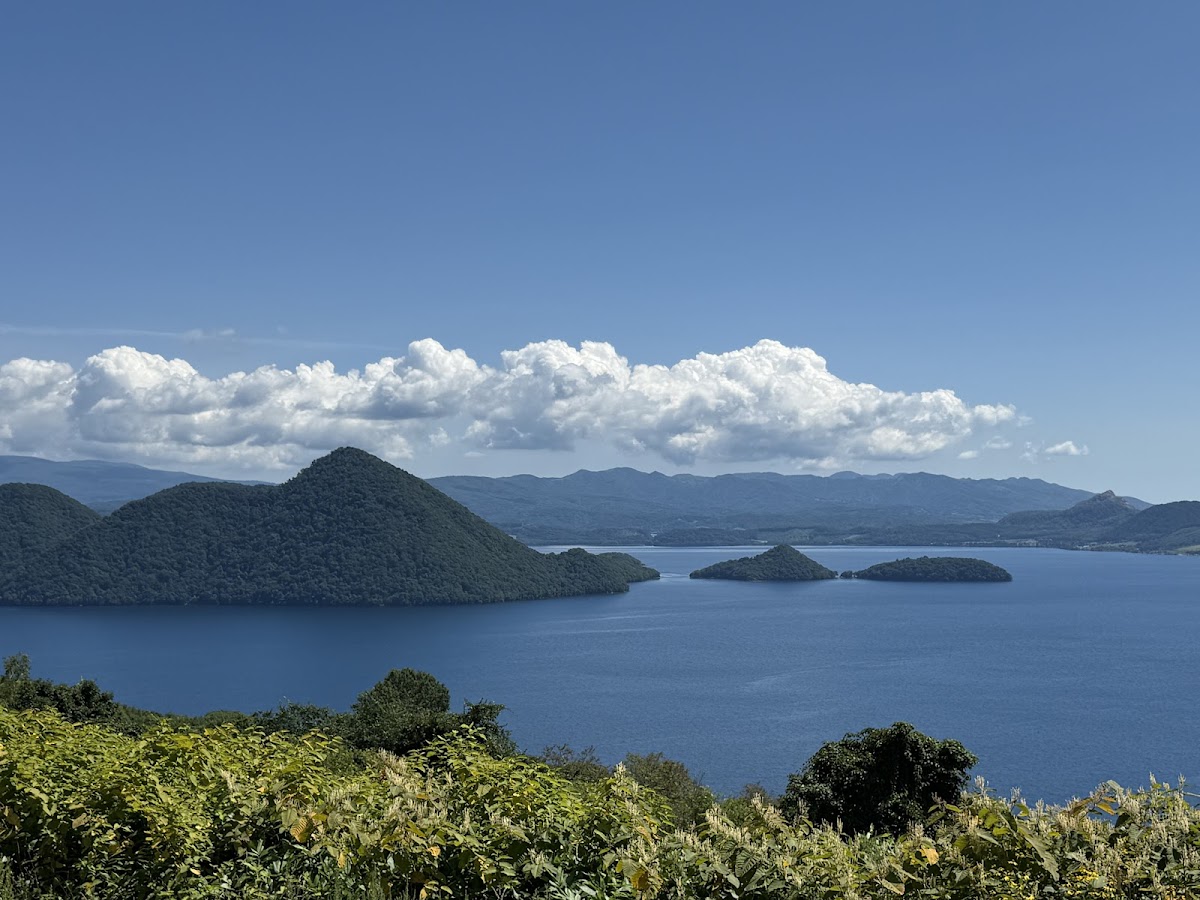
Approximately 15 minutes by car from Usuzenji Temple, Lake Tōya is a beautiful caldera lake that forms part of Shikotsu-Tōya National Park. The lakeside hot spring resort features abundant accommodations, restaurants, and souvenir shops. There are many ways to enjoy the area, including a sightseeing cruise on the lake and a nightly fireworks display during summer months.
Usu Mountain Ropeway
A ropeway operates from the base of Usu Mountain, an active volcano, to near the summit. From the summit, visitors can take in spectacular views of Lake Tōya, Uchiura Bay, and Mount Yotei, and experience the power of volcanic activity up close.
Showa Shinzan
Showa Shinzan, which was formed by volcanic activity between 1943 and 1945, is designated as a Special Natural Monument of Japan. Characterized by its reddish mountainside and distinctive shape, it conveys the raw nature of volcanic activity.
Tourist Facilities in Date City
The Date city center features facilities such as the Date City Pioneer Memorial Museum and Michi-no-Eki Date History no Mori, where visitors can learn about the region’s history and culture. Additionally, Date City is an agricultural center taking advantage of its warm climate, with scattered direct-sales shops where fresh local produce can be purchased.
Notes and Etiquette for Your Visit
Visiting Etiquette
Usuzenji Temple is an active temple and a place of worship for local residents. When visiting, please observe the following etiquette:
- Keep quiet when in the main hall or on the grounds
- Photography is permitted, but be considerate of other visitors
- Verify before photographing inside the main hall
- Always take your trash with you
- Do not damage plants or collect them without permission
Attire and Belongings
While parts of the grounds are paved, the nature park sections have unpaved walking trails. Comfortable walking shoes are recommended.
Recommended Items to Bring:
- Comfortable walking shoes
- Hat (summer)
- Sunscreen (summer)
- Insect repellent spray (summer)
- Camera
- Beverages
Seasonal Precautions
Spring and Summer:
Bring a hat and sunscreen on sunny days. Natural areas may require insect repellent.
Autumn:
Large temperature differences between morning and evening make a light jacket helpful.
Winter:
Hokkaido’s winters include snowfall, and the grounds will be snow-covered. Wear warm clothing and slip-resistant shoes. Note that the treasure museum may be closed during winter; please verify in advance.
Event Information
Usuzenji Temple hosts various events throughout the year.
Regular Events
- New Year’s Visits: Many visitors come on New Year’s Day
- Flower Festival: April 8, celebrating Shakyamuni Buddha’s birthday
- Obon Buddhist Memorial Services: Mid-August
- New Year’s Eve Bell Ringing: December 31, public participation may be available
Special Events
During peak hydrangea season, the grounds may host food truck vendors and music events. Event information can be confirmed through the Date City Tourism Association or official Usuzenji Temple information.
Regional History and Culture
The Founding of Date City
Date City was founded when the Watari Date family, a branch of the Sendai domain, relocated and began development in 1870 (Meiji 3). Many people from Watari District in Miyagi Prefecture migrated to develop this region. Therefore, Date City retains strong characteristics of northeastern culture, forming a unique cultural sphere.
Characteristics of the Usu District
The Usu District is a region blessed with a warm climate facing Uchiura Bay (Uchihara Bay). A settlement developed around Usuzenji Temple since ancient times, with fishing and agriculture as the main industries. The district also has a history of being affected by volcanic activity from Mount Usu; it suffered significant damage in the 2000 Usu Mountain eruption but has since recovered.
Recommended Photography Spots
Usuzenji Temple is popular as an “Instagram-worthy” location.
Thatched-Roof Main Hall and Hydrangeas
During summer hydrangea season, photographing the hydrangeas with the thatched-roof main hall in the background is recommended. The contrast between the historic structure and the colorful flowers creates beautiful photographs.
Large Ginkgo Tree and Autumn Foliage
In autumn, the golden leaves of the large ginkgo tree are spectacular. Photographing against a blue sky makes the golden ginkgo leaves stand out brilliantly.
Views from the Grounds
From elevated areas of the grounds, visitors can see Uchiura Bay (Uchihara Bay), and on clear days, the blue of the sea and sky create beautiful scenery.
Photography Notes
- When using a tripod, be considerate so it does not interfere with other visitors’ passage
- Obtain advance permission before photographing inside the main hall
- Consult with the temple before commercial photography
Food and Souvenirs
Dining Options in the Surrounding Area
In the areas surrounding Usuzenji Temple and within Date City, there are several restaurants using local ingredients.
- Seafood Dishes: Fresh seafood from Uchiura Bay
- Vegetables: Date City is a vegetable-producing region, called “the Shonan of the North,” benefiting from its warm climate
- Gelato: Gelato shops using local milk
Souvenirs
The following souvenirs are popular in the Date City and Lake Tōya areas:
- Wakasaimo: A signature souvenir of Lake Tōya
- Shiro no Koibito: A representative confection of Hokkaido
- Local Vegetables: Available at roadside stations and markets
- Seafood Products: Processed scallops and squid products
Summary
Usuzenji Temple in Date City, Hokkaido, is the oldest temple in Ezo dating back to its founding in 826 and has played an important role in Hokkaido’s history as one of the Three Ezo Official Temples. While a historically significant temple with national historic site and important cultural property designations, it is also widely appreciated as the “Temple of Flowers” where seasonal blossoms can be enjoyed throughout the year.
In particular, the grounds present different faces with each season: spring cherry blossoms, early summer peonies, summer hydrangeas, and autumn foliage, offering new discoveries with each visit. With numerous highlights including the thatched-roof main hall and the large ginkgo tree, it is a precious spot where visitors can enjoy both history and nature.
A visit to nearby attractions such as Lake Tōya and Mount Usu will make for a more fulfilling Hokkaido trip. Access is convenient from JR Tōya Station and the Dō-ō Expressway, with free parking available, making it easily accessible by either train or car.
When visiting Hokkaido, be sure to stop by Usuzenji Temple and experience the beautiful scenery created by its vast history and seasonal flowers.