Lake Toya Hokkaido Complete Guide|Enjoy Spectacular Views, Hot Springs, and Activities Tourism Information 2025
Located in southwestern Hokkaido, Lake Toya is a premier tourist resort boasting majestic natural scenery and abundant hot spring resources. This caldera lake, formed by volcanic activity approximately 110,000 years ago, ranks as the 9th largest lake in Japan and has been designated as one of “Japan’s 100 Scenic Spots” and “100 New Japanese Travel Destinations.”
This article comprehensively covers essential information for visiting Lake Toya, from basic facts about the lake to tourist attractions, activities, hot springs, access methods, and seasonal highlights.
About Lake Toya|Charms of Hokkaido’s Representative Caldera Lake
Geography and Characteristics of Lake Toya
Lake Toya (Touya-ko) is a secondary river system lake belonging to the Chougawa River Basin, spanning the towns of Toyako in Abuta District and Sobetsu in Usugun District. The lake is approximately circular in shape, measuring about 11 kilometers east to west and 9 kilometers north to south, with a surface area of approximately 70 square kilometers. With a maximum depth of about 180 meters, it is also known as the 6th deepest lake in Japan.
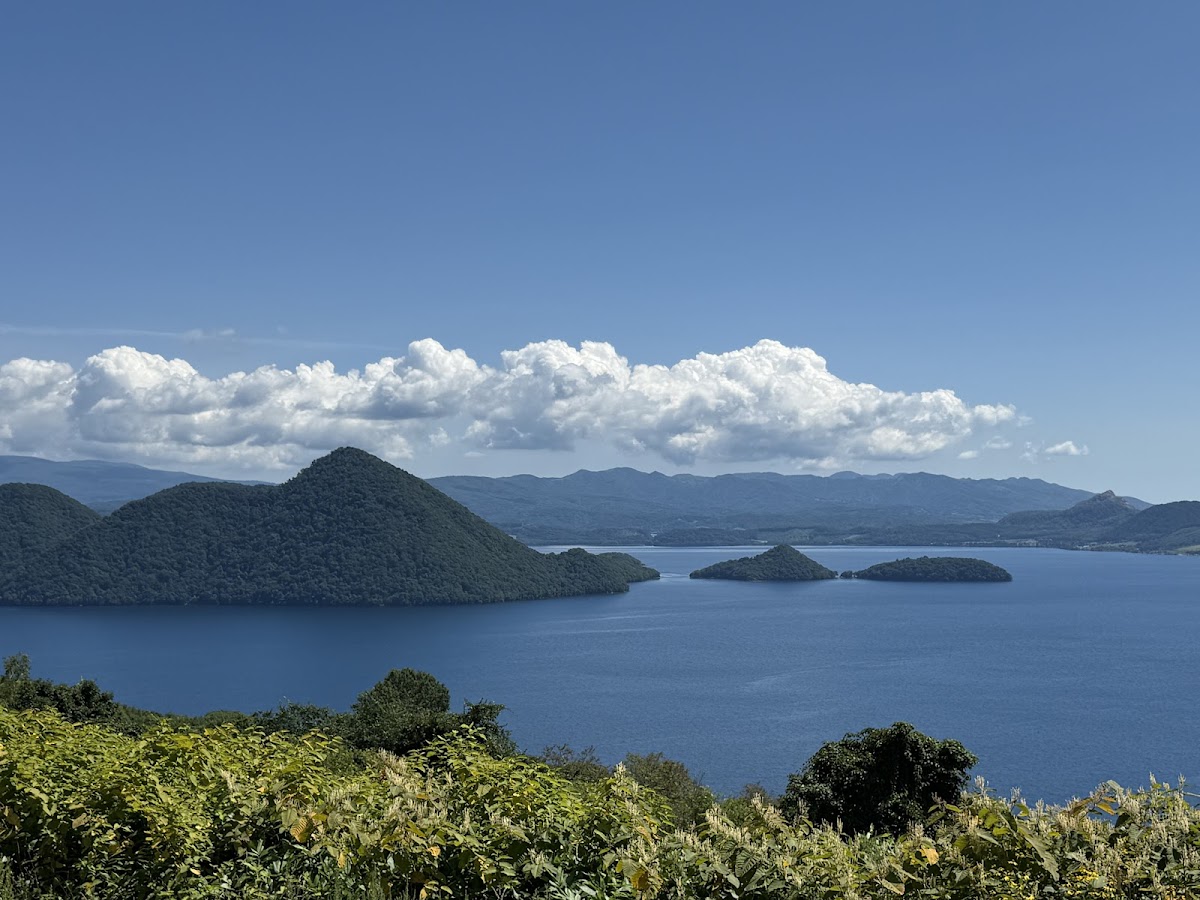
As a caldera lake, it ranks as Japan’s 3rd largest after Lake Kussharo and Lake Shikotsu. In the center of the lake are four islands formed by volcanic activity (Oshima, Benzuten Island, Kannon Island, and Manjū Island), collectively referred to as “Nakajima.”
Origin of the Name Lake Toya
The name “Toya” derives from the Ainu word “To-ya,” meaning “lake shore” or “water edge.” Named by the indigenous Ainu people who lived in this area long ago, this beautifully resonant name continues to be cherished as part of the region’s identity.
Value as a World Geopark
The Lake Toya area is designated as part of Shikotsu-Toya National Park. In 2008, it was certified as the “Lake Toya-Usu Mountain Geopark” in the Japan Geopark Network, and in 2009, it became Japan’s first site to be registered as a UNESCO Global Geopark.
This recognition honors the geological significance of the unique landforms created by active volcanoes such as Mount Usu and Showa Shin-zan, as well as the area’s valuable record of volcanic history. It stands as a globally important natural heritage where visitors can experience the workings of the Earth up close.
History of Lake Toya|Landscapes Created by Volcanic Activity
Birth of the Caldera Lake
Lake Toya was born approximately 110,000 years ago from a massive volcanic eruption. When magma from underground was expelled during this eruption, the resulting void below ground collapsed, forming a giant depression called a caldera. Over time, rainwater and groundwater accumulated, eventually creating the beautiful lake we see today.
Activity of Mount Usu and Showa Shin-zan
Mount Usu, which rises on the south shore of Lake Toya, remains an active volcano today. In the 20th century alone, it experienced four eruptions: in 1910, 1944-45, 1977-78, and 2000.
Particularly notable was the eruption from 1943 to 1945, during which Showa Shin-zan was born as the land rose. The emergence of a mountain reaching 398 meters in elevation in just two years is recognized worldwide as a rare geological event.
Development as a Hot Spring Resort
The history of Lake Toya hot springs dates back to the Meiji era. Development as a hot spring resort began in the early 1900s, and it has grown into a premier resort destination by leveraging its beautiful lakeside setting and abundant hot spring resources. Today it has become one of Hokkaido’s leading hot spring tourism destinations, welcoming visitors throughout the year.
Tourist Attractions at Lake Toya|Must-See Famous Sites
Lake Toya Hot Spring District
The hot spring district spread along the south shore of Lake Toya serves as the hub of tourism. Numerous hotels and inns line the lakefront, and views of the beautiful lake can be enjoyed from any accommodation.
The district features multiple free foot baths and hand basins for public use, allowing visitors to enjoy the springs casually while strolling. The well-maintained promenade along the shore is perfect for leisurely walks while taking in views of Mount Yotei and Nakajima.
Nakajima (Islands in Lake Toya’s Center)
Nakajima, the islands floating in the lake’s center, is emblematic of Lake Toya. The four islands have a combined area of approximately 4.85 square kilometers, with the largest, Oshima, housing a forest museum and serving as habitat for wildlife such as sika deer.
Access to Nakajima is by sightseeing boat, and landing on Oshima is possible. Walking the island’s trails allows visitors to experience pristine nature.
Silo Observation Platform
Located on the north shore of Lake Toya, the Silo Observatory offers panoramic views of the entire lake. The vista from the approximately 376-meter-high vantage point is breathtaking, with views extending across Nakajima, Mount Usu, and Mount Yotei.
The observation platform includes a restaurant and gift shop offering Hokkaido cuisine and souvenirs. Clear-day views are particularly spectacular and ideal for photography.
Mount Usu Ropeway
A ropeway connecting the foot and summit regions of Mount Usu offers approximately six minutes of aerial sightseeing. From the summit station, two observation decks provide access to expansive panoramic views of Lake Toya, Uchiura Bay, and Showa Shin-zan.
The crater observation deck allows close observation of the crater and fumaroles created during the 2000 eruption, offering an impressive experience of Earth’s vitality.
Showa Shin-zan
Showa Shin-zan, born during volcanic eruptions from 1943 to 1945, remains an active volcano still emitting fumaroles. Its rust-colored surface and distinctive shape testify to the power of volcanic forces.
At the mountain’s base, the Showa Shin-zan Bear Park allows close observation of brown bears. The Mimori Matsuo Memorial Museum displays the “Mimori Diagram,” which documents Showa Shin-zan’s formation in detail.
Lake Toya Visitor Center and Volcanic Science Museum
This facility offers learning opportunities about Lake Toya’s nature and volcanic activity. The visitor center displays information about fauna, flora, and geological formation of the surrounding area.
The Volcanic Science Museum exhibits the eruptive history of Mount Usu, documentary footage of the 2000 eruption, and actual volcanic stones, providing insight into regional coexistence with volcanic activity.
Lake Toya Museum of Art and Sculpture Park
The “Lake Toya Sculpture Park” features 58 sculptural works scattered throughout the lakeside, creating a space where art and nature harmonize. Works by renowned sculptors from Japan and abroad are displayed outdoors, allowing art appreciation alongside scenic views.
The Lake Toya Museum of Art regularly hosts special exhibitions, primarily featuring works by artists associated with Hokkaido.
Lake Toya Hot Springs|Diverse Spring Qualities and Lakeside Bathing
Characteristics of Lake Toya Hot Springs
Lake Toya hot springs, with over 100 years of history, rank among Hokkaido’s premier hot spring destinations. The spring water is a sodium-calcium chloride, sulfate, and bicarbonate spring, with therapeutic properties for nerve pain, muscle pain, joint pain, and poor circulation.
The source water temperature is a high 50-80 degrees Celsius, with abundant water volume. Many accommodations offer source-water baths, and bathing while viewing Lake Toya’s scenery is an unparalleled experience.
Recommended Day-Trip Hot Springs
Multiple day-use bathing facilities exist in the hot spring district. Options include day-use plans for hotel large baths and public bathing facilities with abundant selection.
Particularly memorable are outdoor baths facing the lake, where visitors can soak while enjoying seasonal scenery.
Free Foot Bath and Hand Bath Spots
Free foot and hand baths are scattered throughout the hot spring district. Named facilities such as “Touryū-no-Yu” and “Yakushi-no-Yu” each feature unique foot bath designs, allowing casual enjoyment of the springs while strolling.
Soaking in a foot bath while viewing the lake is ideal for soothing travel fatigue. Visitors should bring towels or purchase them at nearby shops.
Lake Toya Activities|Experience-Based Tourism
Sightseeing Boat Cruise
A signature Lake Toya activity is the sightseeing boat cruise. The approximately 50-minute circuit tour includes the option to land on Nakajima. From the boat, visitors enjoy 360-degree panoramic views of surrounding mountains and shoreline.
Cruises operate from spring through fall, offering refreshing lakeside experiences, and also operate in winter, providing encounters with snow-covered, enchanting Lake Toya.
Canoe and Kayak Experiences
Lake Toya’s calm waters are ideal for canoe and kayak activities. Views of surrounding mountains from water level offer a different appeal than land-based perspective.
Guided tours for beginners are well-established, ensuring safe enjoyment. Early morning canoeing experiences feature the magical interplay of dawn light and quiet lake surface.
Cycling
A cycling route approximately 43 kilometers around Lake Toya is well-maintained, allowing circumnavigation by bicycle. With relatively gentle terrain, it’s ideal for scenic cycling.
Multiple rental shops in the hot spring district offer bicycles, including electric-assist options. Visitors may either complete the full circuit or enjoy partial routes at their own pace.
Fishing
Lake Toya offers fishing for fish such as Sakhalin sturgeon, rainbow trout, and smelt. Sakhalin sturgeon, known locally as “chip,” is Lake Toya’s signature fish, with peak fishing season from spring through fall.
Fishing permits are available from hot spring district shops and convenience stores. Both boat and shore fishing are possible depending on preference.
Trekking and Hiking
Various trekking courses surround Lake Toya, from Mount Usu’s outer rim walks to lakeside promenades and forest trails, accommodating all levels.
Autumn foliage season particularly offers refreshing hiking through colorful foliage.
Lake Toya by Season|Seasonal Charms and Highlights
Spring (April–June)
As snow melts, Lake Toya enters its green season. Cherry blossoms bloom from late April through early May, creating beautiful scenery along the lakeside cherry tree rows.
This period’s pleasant temperatures make it ideal for tourism and activities. While Golden Week brings crowds, weekdays offer calmer experiences.
Summer (July–September)
Lake Toya’s summer offers Hokkaido’s characteristically refreshing climate. Many visitors escape Honshu’s extreme heat, making Lake Toya a popular summer retreat.
The “Lake Toya Long-Run Fireworks Festival,” held nightly from late April through October, is summer’s signature attraction. Fireworks launched from the lake can be viewed while bathing in hot springs or walking the shore. The approximately 20-minute moving fireworks display is visible from throughout the hot spring district.
Autumn (October–November)
Lake Toya is renowned as a fall foliage destination. From mid-October through early November, surrounding mountains turn brilliant red and gold, with reflections in the lake creating extraordinary beauty.
Views from Silo Observatory and Mount Usu Ropeway are particularly spectacular, attracting many photography enthusiasts. Though temperatures drop, warming in hot springs while viewing foliage is an unparalleled autumn luxury.
Winter (December–March)
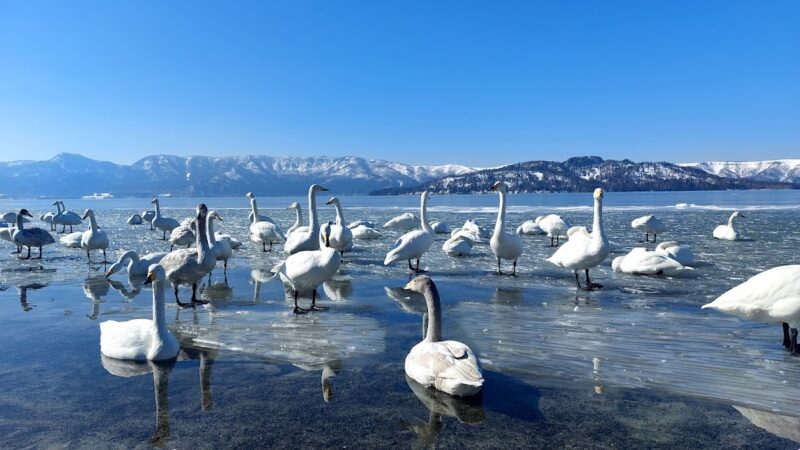
Winter’s snow-covered mountains contrasting with the lake create beautiful scenery. Lake Toya is known as a non-freezing lake, with sightseeing boats operating year-round even in winter.
The “Lake Toya Hot Spring Winter Festival” in February features snow sculptures and winter fireworks. Winter’s cold intensifies the appreciation of the warm springs’ comfort.
Lake Toya Events|Year-Round Celebrations
Lake Toya Long-Run Fireworks Festival
Held nightly from late April through October at 20:45, approximately 20 minutes of 450 fireworks launch from the lake. The entire hot spring district becomes enveloped in magical atmosphere.
With fireworks moving continuously, viewing is possible from anywhere in the district, allowing hotel guests to enjoy displays from rooms or outdoor baths.
Lake Toya Marathon
Held annually in May, this marathon circles Lake Toya. Its beautiful course attracts runners nationwide.
Beyond full marathons, half-marathons, 10-kilometer, and 5-kilometer courses accommodate participants from beginners to advanced runners.
Lake Toya Hot Spring Winter Festival
Held in early February, this winter event features snow sculptures, winter fireworks, and food stalls. Massive snow and ice sculptures on the lakeshore are impressive, with nighttime illumination creating enchanting atmospheres.
Toya Lake and Tsukiura Wine & Art Festa
This fall festival celebrates wine and art. Visitors enjoy local winery wines and Hokkaido cuisine while experiencing live music and art performances.
Lake Toya Cuisine|Savor Local Flavors
Lake Toya Sakhalin Sturgeon (Chip)
Sakhalin sturgeon, Lake Toya’s signature fish, is a salmon family member also called “chip.” Prepared as sashimi, grilled, fried, and other ways, it offers mild yet flavorful taste.
Hot spring district restaurants widely serve fresh sturgeon dishes—a must-try when visiting Lake Toya.
Shiraoi Beef and Sobetsu Beef
Local branded cattle raised in the surrounding area deserve attention. Characterized by fine marbling and tender meat, they’re enjoyed as steaks, grilled meat, and sukiyaki.
Lake Toya Vegetables
Vegetables grown in volcanic ash soil are renowned for concentrated flavor and high nutritional value. Tomatoes, corn, and potatoes are particularly sweet, available at local restaurants and direct farm shops.
Sweets and Cafes
Cafes serving local ingredient sweets dot the hot spring district. Teatime while viewing Lake Toya becomes a cherished travel memory.
Wakasaimo Honten’s “wakasaimo” is a Hokkaido representative confection, with factory tours available at the lakeside main shop.
Access to Lake Toya|Transportation and Travel Times
From Sapporo to Lake Toya
By JR
- Limited express from Sapporo Station to Toyako Station on JR Hakodate Line: approximately 1 hour 40 minutes
- Donan Bus from Toyako Station to Lake Toya hot spring district: approximately 20 minutes
- Total travel time: approximately 2 hours
By Bus
- Donan Bus direct highway bus from Sapporo Station bus terminal to Lake Toya hot spring district: approximately 2 hours 45 minutes
- No transfers required; convenient option
By Car
- From Sapporo via Dou-ou Expressway: approximately 2 hours
- Exit at Yate or Abuta Toyako IC, proceed via national routes
From New Chitose Airport to Lake Toya
By JR
- From New Chitose Airport Station via limited express to Toyako Station through Minami-Chitose Station: approximately 1 hour 30 minutes
- Donan Bus from Toyako Station to Lake Toya hot spring district: approximately 20 minutes
By Bus
- Donan Bus direct highway bus from New Chitose Airport to Lake Toya hot spring district: approximately 2 hours 15 minutes (seasonal operation)
By Car
- From New Chitose Airport via Dou-ou Expressway: approximately 1 hour 40 minutes
From Hakodate to Lake Toya
By JR
- Limited express from Hakodate Station to Toyako Station: approximately 2 hours
- Donan Bus from Toyako Station to Lake Toya hot spring district: approximately 20 minutes
By Car
- From Hakodate via National Route 5 and Dou-ou Expressway: approximately 2 hours 30 minutes
Transportation within Lake Toya Hot Spring District
The hot spring district is compact and walkable, with main attractions accessible on foot. Sightseeing boat terminals, foot baths, restaurants, and souvenir shops concentrate along the lakeshore.
Surrounding attractions (Mount Usu Ropeway, Showa Shin-zan) require rental cars, taxis, or route buses.
Nearby Lake Toya Attractions|Associated Worth-Visiting Sites
Noboribetsu Hot Spring
Approximately one hour by car from Lake Toya, Noboribetsu is Hokkaido’s representative hot spring. The dramatic Hell Valley landscape and diverse spring qualities create memorable experiences. Tour plans combining Lake Toya and Noboribetsu hot springs are popular.
Niseko Area
Located approximately one hour by car from Lake Toya, Niseko is renowned for summer mountain climbing and rafting, and winter skiing and snowboarding. Mount Yotei’s majestic form looms nearby.
Lake Shikotsu
Also within Shikotsu-Toya National Park, Lake Shikotsu is Japan’s northernmost non-freezing lake, notable for its high water clarity. Approximately 1 hour 30 minutes by car from Lake Toya.
Shiraoi Upopoy (National Center for Ainu Culture and Information)
This facility, opened in 2020, serves as a national center for Ainu cultural revitalization and development. Located approximately 40 minutes by car from Lake Toya, it offers opportunities to learn about Ainu history and culture.
Muroran Factory Night View
Approximately 50 minutes by car from Lake Toya, Muroran offers enchanting factory night view cruises and observation spots. It ranks among Japan’s most notable industrial night-view sites.
Lake Toya Accommodations|Experience Hot Spring Resort Living
Luxury Resort Hotels
Several high-end resort hotels with lake views operate in the hot spring district. Features include spacious guest rooms, comprehensive hot spring facilities, and cuisine utilizing local ingredients, providing refined hospitality.
Suites with outdoor bath-attached guest rooms or dedicated suites allow exclusive enjoyment of Lake Toya’s spectacular views and private hot spring bathing.
Traditional Hot Spring Inns
Numerous traditional Japanese-style inns offer authentic hospitality and hot spring experience. In-room and private dining spaces encourage relaxation.
Small family-run inns provide attentive, personalized hospitality.
Business Hotels and Lodges
Budget-conscious visitors find business hotels and lodges throughout the district. Many centrally-located facilities offer convenient tourist access.
Campgrounds
Outdoor enthusiasts enjoy lakeside campgrounds, experiencing nature while appreciating Lake Toya’s charms.
Model Courses for Lake Toya Tourism
Day Trip Course (from Sapporo)
9:00 Depart Sapporo (by car or JR)
11:00 Arrive Lake Toya hot spring, sightseeing boat cruise
12:30 Lunch in hot spring district (Sakhalin sturgeon cuisine)
13:30 Mount Usu Ropeway crater observation
15:00 Visit Showa Shin-zan
16:00 Silo Observatory scenic photography
17:00 Depart Lake Toya
19:00 Arrive Sapporo
One-Night, Two-Day Course
Day 1
12:00 Arrive Lake Toya hot spring
13:00 Lunch, lakeside strolling and foot bath circuit
15:00 Check-in, relax in hot spring
18:00 Dinner (local ingredient kaiseki cuisine)
20:45 View fireworks from guest room or outdoor bath
Day 2
8:00 Breakfast
9:00 Check-out, Mount Usu Ropeway
11:00 Visit Showa Shin-zan and bear park
12:30 Silo Observatory lunch
14:00 Depart Lake Toya
Two-Night, Three-Day Circuit Course
Day 1 follows the one-night course above. Day 2 includes excursions to Noboribetsu hot springs or Niseko. Day 3 visits Shiraoi Upopoy before departing, creating a comprehensive Hokkaido experience.
Lake Toya Tourism Notes and Helpful Information
Clothing and Belongings
Hokkaido’s climate differs from Honshu; even summers experience cool mornings and evenings. Spring and autumn particularly show significant temperature variations, requiring layering options.
Winter demands thorough cold-weather preparation: heavy coats, gloves, hats, and non-slip footwear.
Best Seasons
While Lake Toya offers year-round appeal, particularly recommended periods include:
- Fireworks Viewing: Late April–October (Long-Run Festival period)
- Fall Foliage: Mid-October–early November
- Summer Cooling: July–August (Hokkaido’s characteristically refreshing climate)
- Winter Tranquility: January–February (snowy landscapes and hot springs)
Tourism Duration
Minimum half-day visits are possible for main attractions, but one or more nights allow fuller enjoyment. Two to three nights enable leisurely hot spring time and expanded regional exploration.
Wi-Fi and Communication
Major hot spring district hotels and restaurants offer free Wi-Fi. However, mountainous and lakeshore areas may experience weak cellular signals; downloading maps beforehand is prudent.
Accessibility Information
Main hot spring district promenades feature wheelchair accessibility. Most hotels include accessible rooms; sightseeing boats accommodate wheelchairs.
However, Mount Usu Ropeway observation decks and other facilities feature stairs and steep inclines, requiring advance confirmation.
Souvenir Information
Numerous souvenir shops in the hot spring district offer Hokkaido staples through Lake Toya-specific items. Popular souvenirs include:
- Wakasaimo (exclusive main shop variants)
- White Black Thunder
- Lake Toya wooden swords (famous as Gintama location)
- Local honey
- Lake Toya wine
Lake Toya Basic Information Summary
Location: Toyako Town, Abuta District; Sobetsu Town, Usu District, Hokkaido
Surface Area: Approximately 70.7 square kilometers
Circumference: Approximately 43 kilometers
Maximum Depth: Approximately 180 meters
Elevation: 84 meters
Caldera Formation: Approximately 110,000 years ago
Designations: Shikotsu-Toya National Park, UNESCO Global Geopark, Japan Geopark Network
Inquiry Contact:
Lake Toya Hot Spring Tourism Association
Phone: 0142-75-2446
Official Site: Lake Toya Hot Spring Tourism Association Official Website (www.laketoya.com)
Summary|Experience Lake Toya’s Natural Wonders and Hot Springs
Lake Toya, combining grand caldera lake scenery, abundant hot spring resources, active volcano drama, and seasonal natural beauty, represents Hokkaido’s premier tourism resort.
UNESCO Global Geopark geological significance, year-round fireworks displays, diverse activities, and excellent local cuisine attract visitors continually.
Excellent access from Sapporo and New Chitose Airport accommodates day trips through extended stays. Regional combinations with Noboribetsu or Niseko enhance multi-destination itineraries.
Within volcanic-sculpted natural grandeur, hot spring immersion and thorough rejuvenation await. Lake Toya merits inclusion in any Hokkaido visit for experiencing its distinctive charms firsthand.