Former Iwasaki Residence Garden Tokyo Complete Guide|Highlights, Access, and Admission Fees Explained
The Former Iwasaki Residence Garden is a metropolitan park located in Ikenohata, Taito Ward, Tokyo. It is a historic building constructed during the Meiji era as the main residence of the Iwasaki family, who founded the Mitsubishi zaibatsu. Three buildings designated as Important Cultural Properties of Japan remain—the Western-style building, billiard room, and Japanese-style building—conveying the splendid residential culture of the Meiji period to the present day. This article introduces the charm of the Former Iwasaki Residence Garden in full.
History and Overview of the Former Iwasaki Residence Garden
The Iwasaki Family and the History of Mitsubishi Zaibatsu
During the Edo period, the grounds of the Former Iwasaki Residence Garden were home to the residence of Sakakibara, the lord of Echigo Takada Domain, and in the early Meiji period served as the residence of Makino, the lord of Maizuru Domain. In Meiji 11 (1878), Yatarō Iwasaki, founder of the Mitsubishi zaibatsu, purchased the land and began developing it as the Iwasaki family’s main residence.
The current buildings were constructed by Hisaya Iwasaki, the third head of the Iwasaki family, in Meiji 29 (1896). At that time, the estate covered approximately 15,000 tsubo (approximately 49,500 square meters) with about 20 buildings standing on the grounds, forming a grand mansion. However, due to post-war zaibatsu dissolution and land division, the current estate is now approximately one-third of its original size, with the Western-style building, billiard room, and Japanese-style building preserved.
Changes and Preservation of the Garden
After the war, the Former Iwasaki Residence was temporarily requisitioned by the GHQ (General Headquarters of the Supreme Commander of the Allied Powers), and subsequently placed under the management of the Ministry of Justice and the Supreme Court. In Showa 36 (1961), the Western-style building and billiard room were designated as Important Cultural Properties of Japan, and in Heisei 11 (1999), the Japanese-style building was additionally designated.
In Heisei 13 (2001), the Tokyo Metropolitan Government acquired the buildings and grounds, and public opening began as the “Former Iwasaki Residence Garden” under management by the Tokyo Metropolitan Park Association. Today, as a metropolitan park, it is enjoyed by many tourists and history enthusiasts.
Architectural Highlights
Western-style Building: A Masterpiece Designed by Josiah Conder
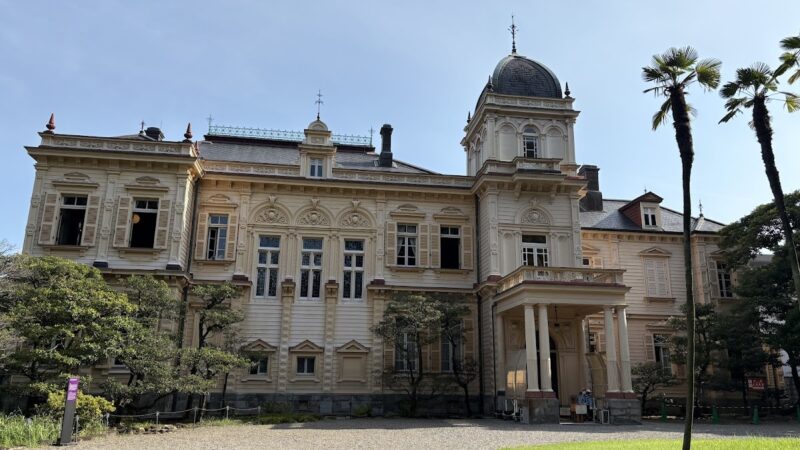
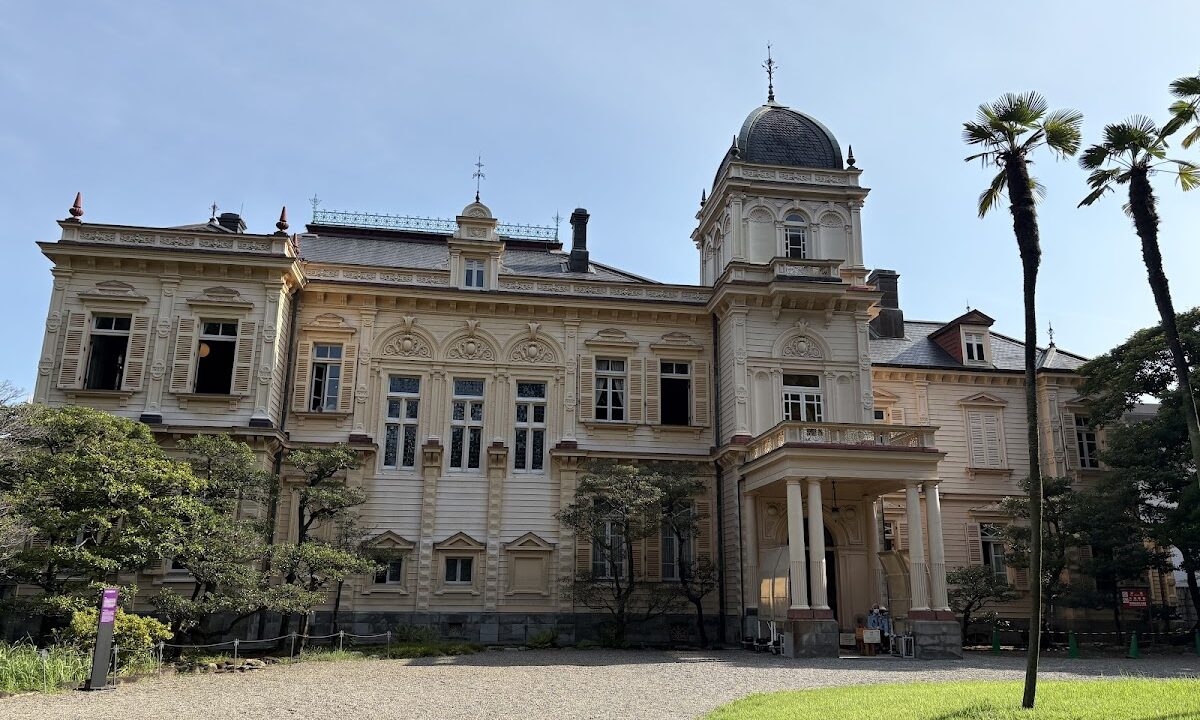
The greatest attraction of the Former Iwasaki Residence Garden is the Western-style building designed by British architect Josiah Conder. Conder was an architect who designed numerous representative Western buildings of the Meiji period, including the Rokumeikan and St. Nicholas Cathedral, and the Western-style building of the Former Iwasaki Residence is highly regarded as a work of his mature period.
Characteristics of Architectural Style
The Western-style building is a wooden two-story structure with a basement. It is based on the Jacobean style, which was popular in early 17th-century England. The exterior features light yellow clapboarding, and a colonial-style veranda creates an elegant impression. A sunroom with Islamic-style arches is situated on the south side, creating a unique beauty through the fusion of diverse architectural styles.
Luxury of Interior Decoration
Upon entering the building, one is immediately struck by lavish decoration. The first-floor reception room features kinkarakawakumi (gold tooled leather paper), a high-quality wallpaper, with silk embroidered with Japanese needlework adorning the ceiling. This represents the pinnacle of Japanese-Western fusion decorative technique, showcasing the master craftsmanship of the era.
The decoration of the staircase hall is also remarkable, featuring the heavy wood carvings characteristic of Jacobean style. From the second-floor balcony, one can overlook the garden’s lawn, allowing visitors to experience how Meiji-era nobility enjoyed the garden.
Billiard Room: A Swiss Alpine Cottage-Style Annex
The billiard room, situated a short distance from the Western-style building, symbolizes the social culture of the era. This single-story wooden building features simple exterior design reminiscent of a Swiss mountain lodge, creating a calm atmosphere in contrast to the grandeur of the Western-style building.
Function as a Social Venue
In the Meiji era, billiards was considered a gentleman’s pastime among the upper class and an important social venue. The billiard room was built as a dedicated facility for entertaining male guests and was likely connected to the Western-style building via an underground passage. A fireplace was installed to ensure comfort during winter billiard games.
Japanese-style Building: The Beauty of Traditional Japanese Architecture
Connected to the Western-style building is the Japanese-style building, constructed in the shoin-zukuri style based on pure Japanese aesthetics. Currently, only the great hall section remains, though it once encompassed approximately 550 tsubo of large-scale Japanese-style architecture.
Characteristics of Japanese-Western Dual-Building Style
The Japanese-style building is directly connected to the Western-style building by a corridor, allowing seamless movement between Japanese and Western spaces. This “Japanese-Western dual-building style” was a characteristic feature of upper-class residences in the Meiji period, accommodating diverse lifestyles by combining Western-style reception rooms with Japanese-style living spaces.
The great hall of the Japanese-style building is a formally designed shoin-zukuri space, featuring traditional elements such as alcoves and tiered shelves. The lattice carving and sliding door paintings are works by master craftsmen of the era, allowing visitors to appreciate the finest aspects of Japanese architecture.
Garden Attractions
Early Modern Garden Format
The Former Iwasaki Residence Garden, while partially following the format of Edo-period daimyo gardens, incorporates Western-style “lawns,” representing a Japanese-Western fusion garden style. This serves as a valuable example of early modern Japanese garden format, holding significant importance in garden design history.
The lawn garden spreading south of the Western-style building shows influence from English landscape gardening, with expansive grass creating an open atmosphere. Meanwhile, the area surrounding the Japanese-style building retains elements of traditional Japanese gardens, with stone arrangements and lanterns placed throughout.
Plants for Every Season
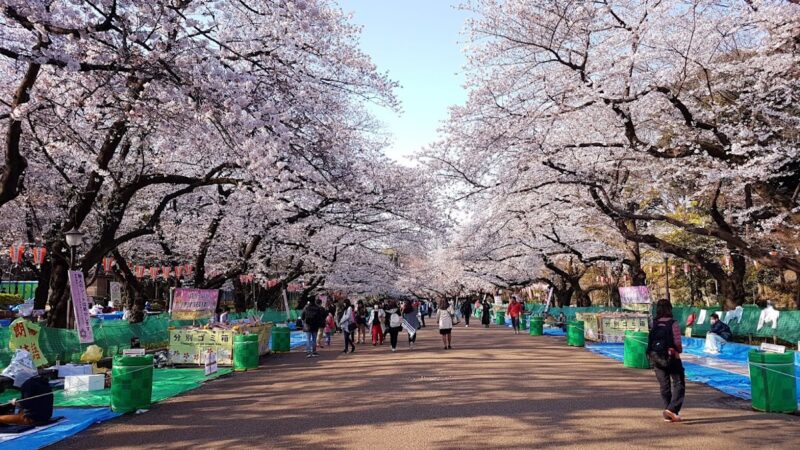
Various trees are planted throughout the garden, offering different appearances with each season. Cherry blossoms bloom brilliantly in spring, fresh green is beautiful in early summer, and autumn leaves color the garden. The particularly striking autumn foliage against the Western-style building backdrop creates a unique aesthetic blending Japanese and Western beauty, making it a popular photography spot.
Trees in the garden include ginkgo, maple, cherry, and azalea, offering different flowers and leaf colors to enjoy seasonally. High trees are positioned around the lawn garden, creating a quiet, serene space despite the urban location.
Seasonal Flower Information
- Spring (March–May): Cherry blossoms bloom beautifully throughout the garden during this period. Azaleas also bloom in vivid colors, announcing the arrival of spring.
- Early Summer (June–July): Fresh greenery is at its most beautiful, with vivid lawn coloring. Hydrangeas also reach their peak bloom.
- Autumn (October–November): During autumn foliage season, ginkgo and maple trees turn yellow and red, creating a striking contrast with the Western-style building.
- Winter (December–February): Deciduous trees shed their leaves, making the structural beauty of the buildings more prominent. Snowy days are particularly enchanting.
Facilities
Garden Map and Viewing Route
Typical garden viewing begins with entry through the main gate and an initial visit to the Western-style building. The interior follows an established route from the first to second floor, with explanatory panels in each room. After viewing the Western-style building, it is recommended to stroll through the garden toward the billiard room, concluding with a visit to the Japanese-style building.
Rest areas and benches are provided throughout the garden to allow leisurely enjoyment of the scenery. The garden features minimal elevation changes and relatively good accessibility considerations, though some viewing areas may be restricted due to the historic nature of the structures.
Photography Guidelines
Private commemorative photography is freely permitted at the Former Iwasaki Residence Garden. However, use of tripods, monopods, commercial photography, and cosplay photography require prior approval. Additionally, some areas within the Western-style building prohibit photography, so please follow staff directions.
Popular Instagram-worthy spots include the front façade of the Western-style building, the garden view from the second-floor balcony, the exterior of the billiard room, and the Japanese-Western fusion landscape during autumn foliage season.
Access Information
Access by Train
Public transportation is convenient for reaching the Former Iwasaki Residence Garden.
- Tokyo Metro Chiyoda Line “Yushima Station”: Approximately 3 minutes on foot from Exit 1 (nearest station)
- Tokyo Metro Ginza Line “Ueno-hirokoji Station”: Approximately 10 minutes on foot
- Toei Ōedo Line “Ueno-Okachimachi Station”: Approximately 10 minutes on foot
- JR Yamanote Line / Keihin-Tōhoku Line “Okachimachi Station”: Approximately 15 minutes on foot
- JR Yamanote Line / Keihin-Tōhoku Line “Ueno Station”: Approximately 15 minutes on foot from the Shinobazu Exit
Yushima Station is closest; walking along Shinobazu-dōri from the station with directional signs makes it easy for first-time visitors to find.
Car Access and Parking
The Former Iwasaki Residence Garden has no dedicated parking lot. Visitors arriving by car must use nearby coin parking. Multiple parking lots are available around Ueno Park and Yushima Station, but crowding is common on weekends, making public transportation use recommended.
Access Map
The Former Iwasaki Residence Garden is located south of Ueno Park and within walking distance of Shinobazu Pond. Many visitors combine it with Ueno Park tourism and it is also within walking distance of Ueno Zoo and the Tokyo National Museum. Positioned at the border of Bunkyo and Taito wards, nearby attractions include the University of Tokyo campus and Yushima Shrine.
Admission Fees and Operating Hours
Admission Fees
- General: 400 yen
- 65 years and older: 200 yen
- Elementary school children and younger and middle school students residing or studying in Tokyo: Free
- Groups (20 or more): General 320 yen, 65 years and older 160 yen
Holders of physical disability certificates, love handbooks, mental disability health and welfare handbooks, and developmental disability handbooks, plus one accompanying person, are admitted free. Please present your handbook upon entry.
Free Admission Days
The following dates offer free admission to the Former Iwasaki Residence Garden:
- Greenery Day (May 4): Free for all visitors
- Tokyo Metropolitan Citizens’ Day (October 1): Free for all visitors
Expect increased crowds on these dates, so plan to visit with extra time.
Operating Hours and Closure Days
- Operating hours: 9:00 AM to 5:00 PM (admission until 4:30 PM)
- Closure days: Year-end and New Year period (December 29 to January 1)
Operating hours may change seasonally, so check the Tokyo Metropolitan Park Association’s official website for the latest information before your visit.
Event Information and Recommendations
Regularly Held Events
Various events are held throughout the year at the Former Iwasaki Residence Garden.
- Guided tours: Free volunteer-guided garden tours are regularly conducted (advance confirmation recommended).
- Seasonal events: Special openings and night openings may occur during cherry blossom and autumn foliage seasons.
- Cultural lectures: Lectures and workshops on Meiji-era architecture and garden culture may be held.
Event information can be found on the Tokyo Metropolitan Park Association’s official site and garden bulletin boards.
Nearby Tourist Attractions
Many tourist attractions surround the Former Iwasaki Residence Garden.
- Ueno Park: Approximately 10 minutes on foot. Home to Ueno Zoo, Tokyo National Museum, National Museum of Western Art, and other cultural facilities.
- Yushima Shrine: Approximately 5 minutes on foot. Known as the shrine of the god of learning, it is also famous for plum blossoms.
- Shinobazu Pond: Approximately 10 minutes on foot. A pond where visitors can enjoy nature in every season and enjoy boating.
- University of Tokyo Hongo Campus: Approximately 15 minutes on foot. Historic buildings like the Akamon Gate and Yasuda Hall can be visited.
Planning a full-day tour of the Ueno-Yushima area is also recommended.
Notices and Latest Information
Preservation and Repair Work
The buildings of the Former Iwasaki Residence Garden are over 100 years old, requiring periodic preservation and repair work. Viewing areas may be restricted during construction periods, so confirm the latest information before visiting.
COVID-19 Countermeasures
Temperature checks, hand sanitization, and crowd-spacing measures may be implemented as infection control measures. Entry restrictions may be imposed depending on conditions, so confirm the latest information on the official website before visiting.
How to Enjoy the Former Iwasaki Residence Garden
Points Recommended for Architecture Enthusiasts
Those interested in architecture should pay attention to Josiah Conder’s design philosophy and Meiji-era building techniques. The structural materials of the Western-style building, details of decoration, and Japanese-Western fusion spatial composition offer endless points of interest. The gold tooled leather paper wallpaper and silk embroidery ceiling are particularly valuable opportunities to witness master craftsmanship of the era up close.
Points Recommended for History Enthusiasts
Those interested in Mitsubishi zaibatsu history and Meiji-era aristocratic culture can deepen their enjoyment by contemplating the Iwasaki family’s lifestyle and social culture. Envision various scenes from the era: gentlemen’s socializing in the billiard room, entertaining foreign guests in the Western-style building, and daily life in the Japanese-style building.
Points Recommended for Photography Enthusiasts
Those passionate about photography will appreciate the changing expressions of light and shadow with season and time of day. Capture morning soft light illuminating the Western-style building façade, afternoon oblique light entering interior spaces, and autumn foliage color contrasts. Countless expressions can be captured.
Points Recommended for Families
Families with children can enjoy the spacious lawn in a picnic-like atmosphere and explore the splendid Meiji-era mansion. Elementary school children and younger enter free, making it ideal for experiencing historic buildings affordably. Note that as a historic structure, running and loud voices should be avoided inside.
Contact Information
For inquiries regarding the Former Iwasaki Residence Garden, please contact:
Former Iwasaki Residence Garden Service Center
- Address: 1-3-45 Ikenohata, Taito Ward, Tokyo 110-0008
- Phone: 03-3823-8340
- Managing Organization: Public Interest Incorporated Foundation Tokyo Metropolitan Park Association
For event information, garden status confirmation, and group tour reservations, please contact by phone or through the Tokyo Metropolitan Park Association’s official website.
Summary
The Former Iwasaki Residence Garden is an Important Cultural Property of Japan built as the main residence of the Iwasaki family of the Mitsubishi zaibatsu, conveying the splendid residential culture and architectural techniques of the Meiji period as a precious cultural heritage. Three buildings remain—the Western-style building designed by Josiah Conder, the Swiss Alpine cottage-style billiard room, and the traditional Japanese-style building—which, together with the Japanese-Western fusion garden, tell the story of modern Japan’s history.
Located in the Ueno area of Taito Ward, Tokyo, with excellent accessibility and reasonable admission fees, it is a must-visit spot for Tokyo tourism. Why not immerse yourself in the historical romance of the Meiji era at the Former Iwasaki Residence Garden, appreciating the beauty of nature through the seasons and timeless architectural beauty?
When visiting, confirm the latest opening information and events on the Tokyo Metropolitan Park Association’s official website and plan ample time for a leisurely visit. Please cooperate in preserving historic buildings and treat this precious cultural heritage that should be passed on to future generations with care.