Oizawa Yamagata Prefecture | A Thorough Explanation of the Natural, Historical, and Cultural Attractions of Nishikawa Town’s Hidden Gem
Oizawa in Nishikawa Town, Nishi-Murayama District, Yamagata Prefecture, is a natural and picturesque mountain village nestled at the foot of the Asahi mountain range. Once thriving as a pilgrimage route to the Dewa Sanzan (Three Mountains of Dewa), this region continues to preserve its abundant natural environment and unique culture today, offering visitors Japan’s original landscape and spiritual tranquility. This article provides a comprehensive guide to the Oizawa area, covering tourist attractions, history, and access methods.
About Oizawa | A Historic Mountain Village in Nishikawa Town, Yamagata Prefecture
Oizawa is located in the southern part of Nishikawa Town, Nishi-Murayama District, Yamagata Prefecture. Settlements are formed along the longitudinal valley of the Asahi Mountains at the upper reaches of the Sagae River. Situated at an elevation of approximately 400 meters, it is also known as a heavy snowfall region.
The History and Formation of Oizawa
Oizawa Village implemented village governance as Nishi-Murayama District Oizawa Village on April 1, 1889 (Meiji 22) with the enforcement of the municipality system. Subsequently, on October 1, 1954 (Showa 29), it merged with Nishi-Murayama District Hondoji Village, Kawadoi Village, and Nishiyama Village, implemented town governance to become Nishikawa Town, and is now a district of Nishikawa Town.
Historically, the settlement developed around Dainichi Temple, where practitioners of the Dewa Sanzan mountains would stop. The region retains strong elements of shugendo (mountain ascetic) culture and served an important role as a pilgrimage route to Yudono Mountain. The Asahi mountain range connecting the border between Yamagata and Niigata prefectures is designated as Bandai-Asahi National Park, and Oizawa serves as a gateway for mountaineers.
Geographic Characteristics and Natural Environment
The Oizawa area is surrounded by mountains of the Asahi range and blessed with abundant nature. To the south lies Mount Asahi, and to the north it functions as a base for climbing to the Dewa Sanzan mountains. Beautiful natural scenery varies with the seasons. Particularly in winter, the area experiences heavy snowfall, with accumulated snow frequently exceeding 3 meters. This harsh natural environment has cultivated a unique culture and lifestyle.
Major Tourist Attractions in Oizawa
The Oizawa area features scattered tourist attractions where visitors can experience nature, history, and culture.
Oizawa Yudono Mountain Shrine | A Sacred Site of Shugendo
Oizawa Yudono Mountain Shrine has long been revered as an important base for Dewa Sanzan faith. It functions as a place for distant worship of Yudono Mountain Main Shrine and was once visited by numerous practitioners and pilgrims.
Basic Information:
- Location: Oizawa, Nishikawa Town, Yamagata Prefecture
- Access: 3-minute walk from Nakamura bus stop on town bus
- Parking: Available
- Inquiries: Nishikawa Town Commerce and Tourism Division (0237-74-2111)
The shrine grounds are enveloped in silence, and simply walking along the approach path brings a feeling as if one’s spirit is being purified. It is a precious spot where visitors can experience the high spirituality of the history of shugendo.
Nishikawa Town Oizawa Nature and Artisan Hall | A Hub for Regional Culture
Nishikawa Town Oizawa Nature and Artisan Hall is a facility where visitors can comprehensively learn about Oizawa’s nature and culture. Specimens of fauna and flora from the Asahi Mountains and traditional crafts of the region are on display, allowing for a deeper understanding of Oizawa’s appeal.
Facility Information:
- Location: 4110 Oizawa, Nishikawa Town, Yamagata Prefecture
- Hours: April-November 9:00-16:30, December-March 10:00-16:00
- Closed: Every Monday (if Monday is a holiday, closed the following day), year-end and New Year holidays (December 29 – January 3)
The hall features abundant displays of Oizawa’s seasonal nature, traditional living implements, and local historical materials, making it worthwhile to stop by before beginning your sightseeing.
Japan’s Largest Chestnut Tree | A Giant Tree of Oizawa
Oizawa is home to a massive chestnut tree confirmed to be Japan’s largest through surveys by the civil group “Kyoju no Kai” (Society of Giant Trees). In 2011, it was designated as a natural monument of Yamagata Prefecture, and its overwhelming presence captivates all who visit.
This chestnut tree, estimated to be several hundred years old, has an extremely thick trunk and impressive branch span. Vehicle access is generally not possible until late May when the snow melts, but from spring through autumn, visitors can easily access the site. As a symbol of Oizawa’s abundant nature, it is definitely worth visiting.
Oizawa Hot Spring | Relaxation at the Foot of the Asahi Mountains
Oizawa has a day-use hot spring facility located at the foot of the Asahi Mountains. Known as a place to heal mountain climbing fatigue called the “warming waters,” visitors can soak in the natural hot spring at leisure.
The hot spring water is particularly effective at warming the body and helps with cold sensitivity and muscle soreness. Many mountaineers use it before and after climbing the Asahi Mountains, and it is beloved by locals. Soaking in the hot spring while gazing at Oizawa’s natural landscape provides blissful moments away from urban hustle.
Iwanezawa Sanzan Shrine (Former Nichitsu Temple) | An Ancient Temple Bearing History
Iwanezawa Sanzan Shrine (former Nichitsu Temple) is also located in the Oizawa area. It served as an important base for Dewa Sanzan faith and has a long history. Formerly called Nichitsu Temple, it became a shrine following the separation of Shinto and Buddhism during the Meiji period.
The shrine grounds retain historic structures and stone monuments bearing a sense of history and strongly reflect the influence of shugendo culture. Visiting this shrine together with Oizawa Yudono Mountain Shrine allows for a deeper understanding of the region’s history of faith.
Natural Learning and Environmental Conservation Activities in Oizawa
Oizawa is also known as a pioneer in natural learning. In April 1951 (Showa 26), natural learning as part of school education at Oizawa Elementary and Junior High School (Principal Shiro Sato) became the catalyst for the development of community-wide natural learning organizations.
This initiative attracted national attention and is evaluated as a pioneering activity where children learn about their region’s nature and develop environmental awareness. Today in Oizawa, coexistence with nature remains valued and a rich ecosystem is preserved.
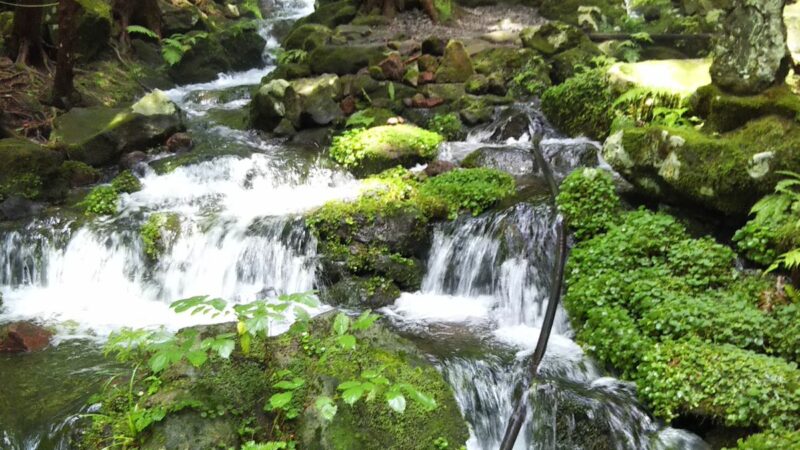
The abundant nature of the Asahi mountain range is a treasure trove of rare alpine plants and wildlife. Virgin beech forests, alpine plant communities, clear streams where iwana and yamame fish swim—diverse natural environments remain intact.
Access Methods to Oizawa
Access to Oizawa typically goes through Yamagata City or Sagae City.
By Car
- From Yamagata City: Approximately 1 hour via National Route 112
- From Sagae City: Approximately 40 minutes via prefectural roads
- From Yamagata Expressway Nishikawa IC: Approximately 30 minutes
Winter brings heavy snow, making studless tires essential. It is recommended to check road conditions in advance.
By Public Transportation
- From JR Asahi Line Asahi Station: Approximately 40 minutes by town bus, get off at Nakamura bus stop
- From Yamagata Station: Approximately 1 hour 30 minutes via connecting buses
As town bus service is limited, it is important to check the timetable in advance.
Best Seasons for Oizawa Tourism
Oizawa has different attractions in each season, but the best season for tourism varies depending on the time of year.
Spring (May-June)
As snow melts, mountains are enveloped in fresh green foliage, and the mountain vegetable picking season begins. Access to Japan’s largest chestnut tree becomes possible, and the Asahi mountain range climbing season starts.
Summer (July-August)
The best season for Asahi mountain range climbing. Alpine plants bloom magnificently, and trekking can be enjoyed in a pleasantly cool climate. The high elevation keeps temperatures relatively comfortable even in midsummer.
Autumn (September-November)
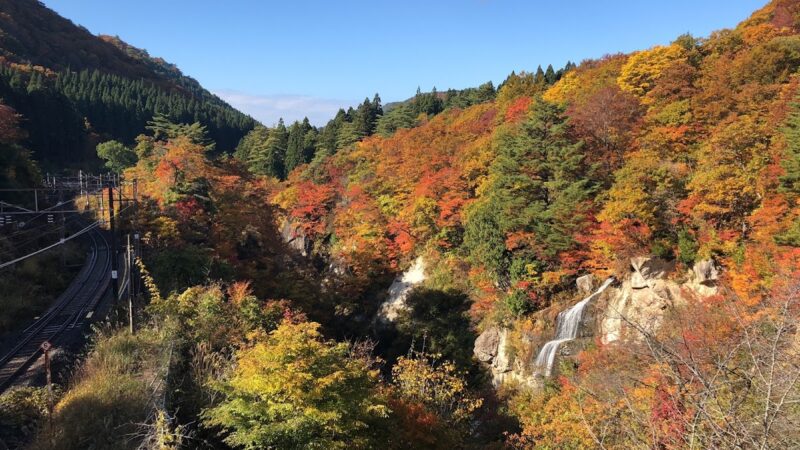
The autumn foliage is exceptionally beautiful, with the Asahi Mountains painted in crimson colors. It is also the chestnut harvest season, allowing visitors to enjoy local flavors.
Winter (December-March)
Snowy landscapes characteristic of a heavy snowfall region spread throughout. Winter-specific activities such as snowshoeing and cross-country skiing can be enjoyed. However, access to some facilities may be restricted, so advance confirmation is necessary.
Oizawa’s Food Culture and Cuisine
Oizawa preserves a simple yet deeply satisfying food culture that makes use of the mountains’ bounty.
Mountain Vegetable Dishes
Spring brings abundant wild vegetables such as bracken, ostrich fern, and fatsia shoots. Local inns and restaurants serve fresh mountain vegetable dishes.
Mushroom Dishes
Autumn yields abundant wild mushrooms, allowing visitors to enjoy dishes such as mushroom soup and mushroom rice that highlight the natural flavors.
Chestnut Dishes
As Oizawa is home to Japan’s largest chestnut tree, dishes and sweets made with chestnuts are local specialties. Visitors can savor seasonal flavors such as chestnut rice and preserved candied chestnuts.
Local Sake
Yamagata Prefecture is renowned as a sake production region, and high-quality local sake can be enjoyed in the Oizawa area. Sake made from clear water and quality rice pairs excellently with meals.
Accommodation Facilities in Oizawa
The Oizawa area has lodging facilities offering the warm hospitality characteristic of mountain villages.
Minshuku and Inns
The appeal lies in home-style cuisine using local ingredients and an intimate atmosphere. Many accommodate early morning departures for mountaineers and serve as bases for Asahi mountain range climbing.
Campgrounds
Facilities for camping in nature are available, with many campers visiting during summer months. Spending nights gazing at the starry sky will become an unforgettable memory.
Tourist Attractions Around Oizawa
When visiting Oizawa, consider extending your trip to nearby attractions.
Mount Gassan
One of Japan’s Top 100 mountains and the main peak of the Dewa Sanzan. It is famous for summer skiing and features magnificent alpine wildflower meadows from July to August.
Shizu Hot Spring
A hot spring area in Nishikawa Town popular as a base for Mount Gassan climbing. Visitors can enjoy high-quality hot springs and cuisine featuring mountain delicacies.
Sagae City
Famous as a cherry fruit production area where cherry picking is possible in June. The cherry blossom-lined path along the Sagae River is also impressive.
Oe Town
Relatively close to Oizawa, Oe Town features spectacular scenic views of the Mogami River and scattered historic structures.
Regional Revitalization Efforts in Oizawa
Oizawa undertakes various initiatives to promote the region’s appeal and increase exchange population.
Oizawa Regional Revitalization Council
Organized primarily by local residents, the Oizawa Regional Revitalization Council conducts tourism information dissemination, event planning and operation, and product development. The council operates the official tourism website “Under the Big Chestnut Tree,” promoting Oizawa’s attractions including tourist spots, events, and gourmet and souvenir information.
Regional Events
Seasonal events are held throughout the year, fostering interaction between visitors and residents. Natural experience programs and traditional culture experiences offer Oizawa-specific opportunities.
Relocation and Settlement Support
Nishikawa Town offers comprehensive systems supporting relocation and settlement, assisting those seeking countryside living in Oizawa. It presents an attractive option for those wishing to realize a slow-life experience amid abundant natural surroundings.
Precautions and Etiquette for Oizawa Tourism
When visiting Oizawa, please note the following points.
Nature Conservation
To protect precious natural environments, always take trash with you and refrain from plant collection where prohibited. Avoid walking off designated trails.
Weather Condition Confirmation
As a mountainous area, weather changes quickly, and winter conditions can be severe. Check weather forecasts before visiting and prepare appropriate equipment.
Consideration for Wildlife
Bears and other wild animals inhabit the area. When mountaineering or trekking, carry a bear bell and avoid solo activities at dawn and dusk.
Consideration for Local Residents
Oizawa is a living community. Avoid making noise, do not trespass on private property, and remember to be considerate of residents.
Conclusion: Encountering Yamagata’s Original Landscape in Oizawa
Oizawa in Nishikawa Town, Yamagata Prefecture, is a captivating region where the abundant nature of the Asahi Mountains, the history of Dewa Sanzan faith, and the simple lifestyle of a mountain village coexist in harmony. The spiritual experience at Oizawa Yudono Mountain Shrine, the majesty of Japan’s largest chestnut tree, relaxation in hot springs, and seasonal natural scenery provide deep emotion to visitors.
The Oizawa area of Nishikawa Town is a precious place preserving Japan’s original landscape. It is an ideal tourist destination for those wishing to escape urban bustle, face nature, and spend time quieting their minds. Please refer to information provided by the Gassan Asahi Tourism Association and the Oizawa Regional Revitalization Council to experience Oizawa’s charm.
Mountain climbing on the Asahi range, relaxation in hot springs, cuisine using local ingredients, and warm exchange with local residents—Oizawa retains many precious things that modern people have nearly forgotten. Why not visit Oizawa in Nishikawa Town, Yamagata Prefecture during your next vacation and refresh your spirit?